

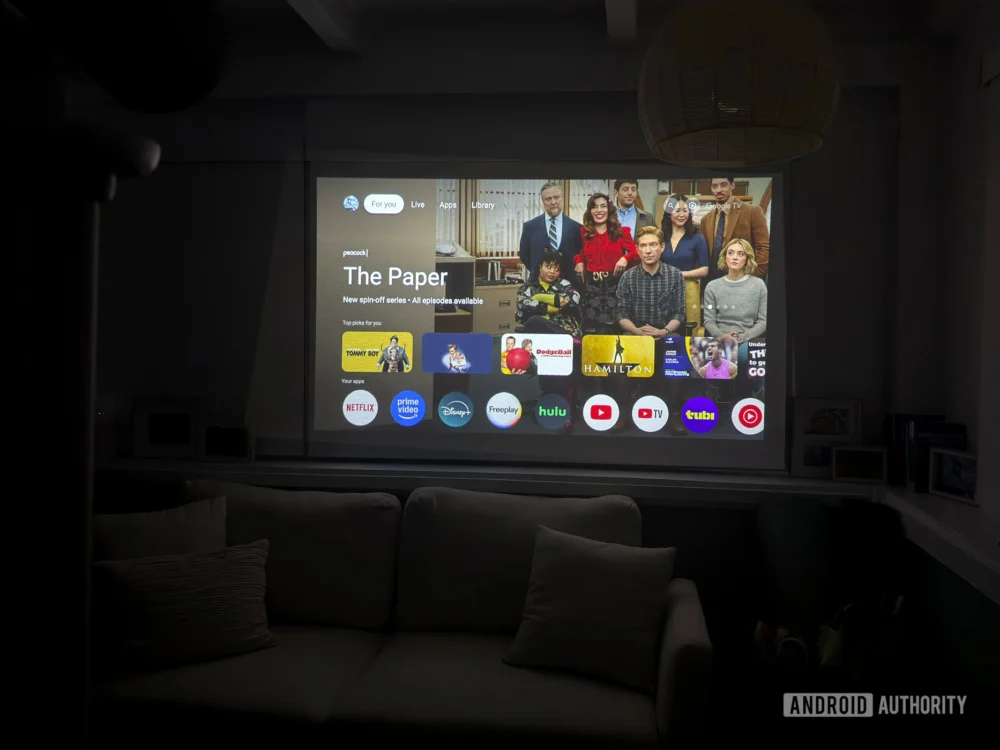
The allure of the home cinema experience, characterized by massive, wall-filling visuals, has long positioned the projector as the ultimate display upgrade over conventional televisions. Enthusiasts frequently dream of replicating the communal, immersive feeling of a dedicated movie theater within their living spaces. However, migrating from the plug-and-play simplicity of a modern flat-panel TV to a projection system introduces a host of nuanced challenges and operational shifts that often catch new adopters by surprise. These anecdotal realities, frequently echoed across enthusiast forums and confirmed through technical evaluation, reveal that the transition is less a simple substitution and more an adoption of an entirely different display philosophy. Understanding these hidden factors is crucial for anyone considering this significant shift in home entertainment infrastructure.
The Historical Context of Display Wars
For decades, the battle for the living room centerpiece was fought primarily between large CRT televisions and early plasma displays, culminating in the OLED and QLED dominance we see today. Televisions, especially those above 75 inches, have become incredibly sophisticated, offering unparalleled brightness, perfect black levels (in the case of OLED), and minimal setup requirements. Projectors, historically relegated to dedicated dark rooms or specialized commercial venues, have only recently made significant inroads into mainstream consumer living spaces, largely thanks to the rise of Ultra-Short Throw (UST) technology and advancements in laser light sources that boost brightness and longevity.
The core difference remains the mechanism: TVs generate light directly at the viewer’s eye plane, while projectors utilize reflected light bouncing off a separate surface. This fundamental physical distinction dictates nearly every unexpected consequence of making the switch.
1. The Scale Shock: Immersion vs. Visual Overload
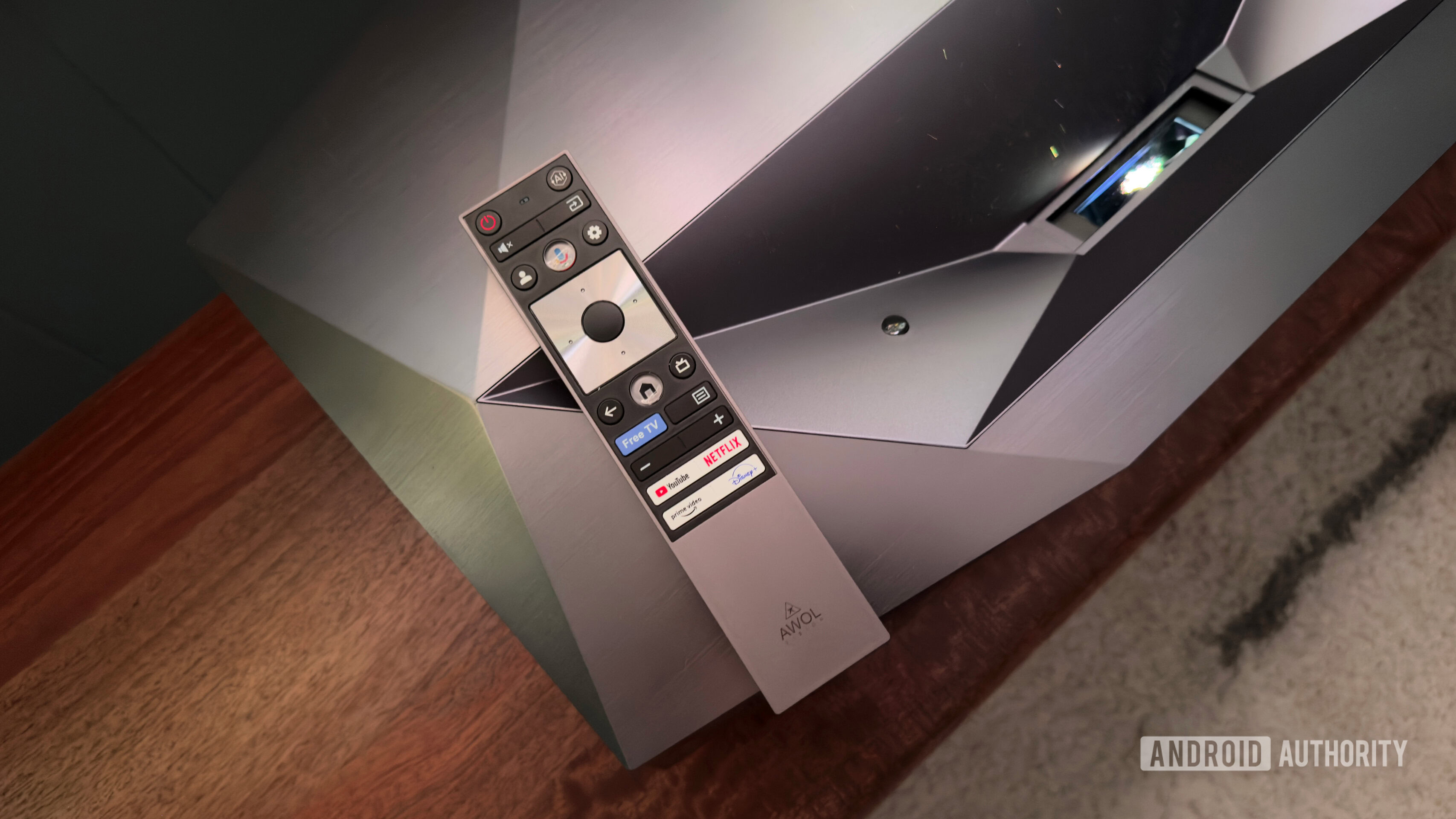
The primary driver for adopting a projector is screen size. A standard 65-inch television, once considered large, can suddenly appear cramped when one experiences a 120-inch or 150-inch image. This is perhaps the most visceral surprise. It is not just a linear increase; the perceived magnitude scales exponentially. Viewers accustomed to a fixed viewing distance relative to a 65-inch screen may find themselves needing to re-evaluate their seating arrangement when facing a screen three times the surface area.
This shift fundamentally alters the viewing dynamic. Close viewing on a massive projected image can cause visual fatigue or an unsettling feeling, as the entire field of view is consumed by the content. While this is perfect for cinematic epics or sports, routine content consumption—such as news broadcasts or brightly lit daytime television—can feel overwhelming. The human visual system is remarkably adaptable, but the initial transition requires recalibrating spatial awareness within the room, often necessitating moving seating further back than previously established for the TV. This often results in a permanent redesign of the viewing area, a planning step frequently overlooked in the excitement of purchasing the massive screen itself.
2. The Environmental Dependency: Becoming a Nocturnal Viewer
Televisions, particularly high-end LED/QLED panels, are engineered for high peak luminance, often exceeding 1,000 nits, which allows them to overcome ambient light conditions easily. Projectors, by contrast, operate on a fundamentally different principle where brightness is a constant struggle against the environment.
The surprise for many is the sudden realization of their room’s ambient light footprint. Even with modern high-lumen projectors (2,500 ANSI lumens or more), midday sun streaming through an uncovered window can completely wash out the image, turning rich blacks into hazy gray. This mandates a near-total commitment to light control. New projector owners often find themselves suddenly investing in blackout curtains, specialized window films, or even redesigning room layouts to minimize daylight intrusion.
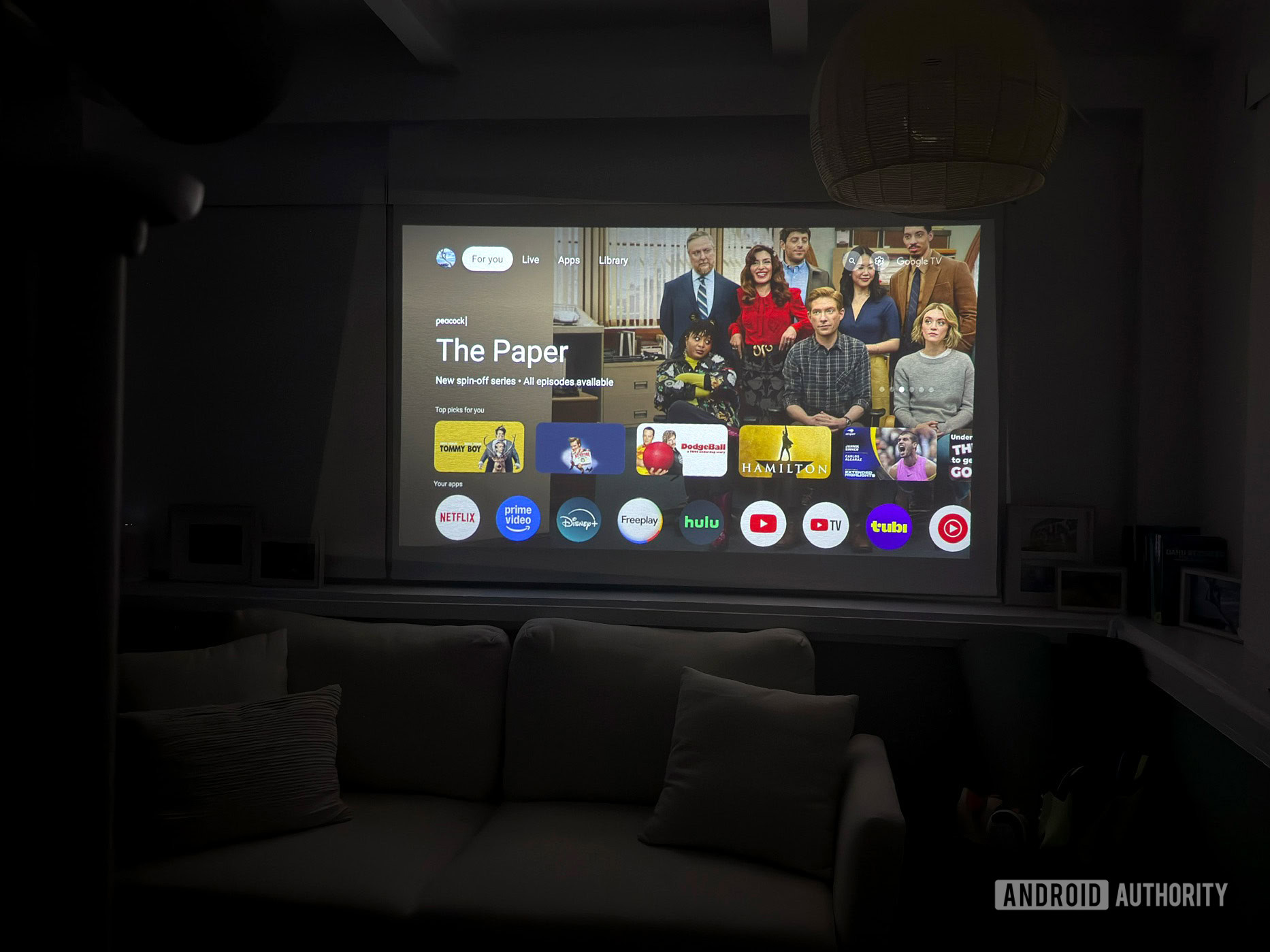
This dependency leads to the "vampire effect"—the content consumption schedule shifts to evening hours or heavily overcast days. While this can encourage healthier viewing habits by avoiding peak daytime glare, it severely limits spontaneous viewing opportunities. The industry is aggressively pursuing solutions, particularly with Ambient Light Rejecting (ALR) screens, especially for UST models. However, these screens introduce their own complexities, requiring precise alignment and adding substantial cost, essentially turning the screen surface into an active, critical component of the display system rather than a passive reflective canvas.
3. The Acoustic Deficit: Sound Demands and System Complexity
Modern flat-panel TVs have leveraged their thin chassis space to integrate surprisingly competent speaker systems, often utilizing upward or downward firing drivers to create a semblance of spatial audio. Projectors, particularly compact models or those designed for extreme throw distances, have severe physical constraints on speaker volume and driver size.
The resulting audio quality is consistently reported as thin, lacking in low-end presence, and generally inadequate for the scale of the image being displayed. A 120-inch image implies a cinematic experience, which demands robust, full-range audio. The surprise is realizing that the projector purchase is not the final expenditure; it is merely the prerequisite for the real audio investment. A soundbar system, or more commonly, a dedicated multi-channel AVR (Audio/Video Receiver) setup, becomes mandatory. This adds significant complexity to cable management, calibration (syncing audio delay to the image), and overall system footprint, something a simple TV replacement avoids entirely.
4. The Thermal Signature: The Unavoidable Hum
The physics of light generation—whether through high-powered lamps or powerful laser arrays—requires intensive thermal management. This necessity translates into cooling fans, which generate operational noise. While manufacturers are continuously engineering quieter fan profiles, especially in ‘Eco’ or ‘Quiet’ modes, this noise floor is non-existent in a modern, passive television panel.

For users accustomed to the near-silent operation of their TV, the low-frequency hum or occasional high-pitched whine from the projector’s cooling system becomes noticeable during quiet scenes, dialogue-heavy sequences, or moments of low on-screen brightness. For the highly sensitive viewer, this background noise can be distracting, forcing a compromise between maximizing picture brightness (which often increases fan speed) and minimizing auditory distraction. This noise profile is particularly relevant for UST models, which sit close to the audience, though ceiling-mounted units can also transmit noise through structural vibration if not properly isolated.
5. The Calibration Hurdle: Precision vs. Convenience
The technological advancements in auto-correction features—such as auto-keystone, auto-focus, and lens shift memory—have drastically lowered the barrier to entry for projection. However, achieving true, distortion-free, perfectly color-accurate visuals remains an exercise in deliberate, manual calibration.
A TV panel, once plugged in, presents a standardized image based on factory calibration (or user-selected modes like ‘Cinema’). A projector must contend with throw distance ratios, lens aberrations, screen gain, wall color, and geometric correction across a potentially uneven surface. Users expecting the projector to automatically create a perfect rectangle that fills their 100-inch screen without any manual intervention are often disappointed. Achieving optimal sharpness across all four corners, ensuring zoom ratios are exact, and fine-tuning the color temperature to match established standards (like D65 white point) requires time, specialized test patterns, and patience. This "tinkering time" is a hidden labor cost associated with the projection upgrade.
6. Image Fidelity: A Trade-Off in Contrast and Response Time
When comparing the final output, it is critical to recognize that "bigger" does not inherently mean "better" across all metrics. Projectors still trail high-end OLED and Mini-LED TVs in two key areas: native contrast ratio and input lag.

Contrast and Black Levels: Because projectors rely on reflecting light, achieving true black is impossible; the best they can manage is the absence of light, often resulting in a darker shade of gray, particularly noticeable when the content features dark scenes against a bright frame. While advanced processing attempts to compensate, the dynamic range impression from a projector is qualitatively different from the instantaneous pixel-level dimming achieved by OLED technology.
Input Lag and Gaming: For competitive console or PC gaming, input lag is paramount. Modern gaming-centric TVs often boast latency figures below 10ms, facilitated by HDMI 2.1 features like Variable Refresh Rate (VRR) and Auto Low Latency Mode (ALLM). While high-end gaming projectors are closing this gap, many consumer models still exhibit input lag figures that are acceptable for cinematic viewing but noticeable during fast-paced action games. The user must consciously select a "Game Mode," which often sacrifices some image processing quality to achieve lower latency, creating another layer of required user intervention.
Industry Implications and Future Trajectories
The consumer insights detailed above are actively shaping the projector market. Manufacturers are acutely aware that the "convenience gap" is the primary hurdle preventing mass adoption over increasingly large, affordable OLED panels.
The Rise of UST Sophistication: The growth trajectory is heavily skewed toward Ultra-Short Throw (UST) models. These devices mitigate setup complexity by sitting inches from the wall, eliminating the need for ceiling mounts and complex throw calculations. Furthermore, the pairing of UST projectors with rigid, purpose-built ALR screens is becoming the default "premium" solution, effectively creating a large, permanently installed display that functions much like a TV during the day, albeit at a significantly higher initial cost.
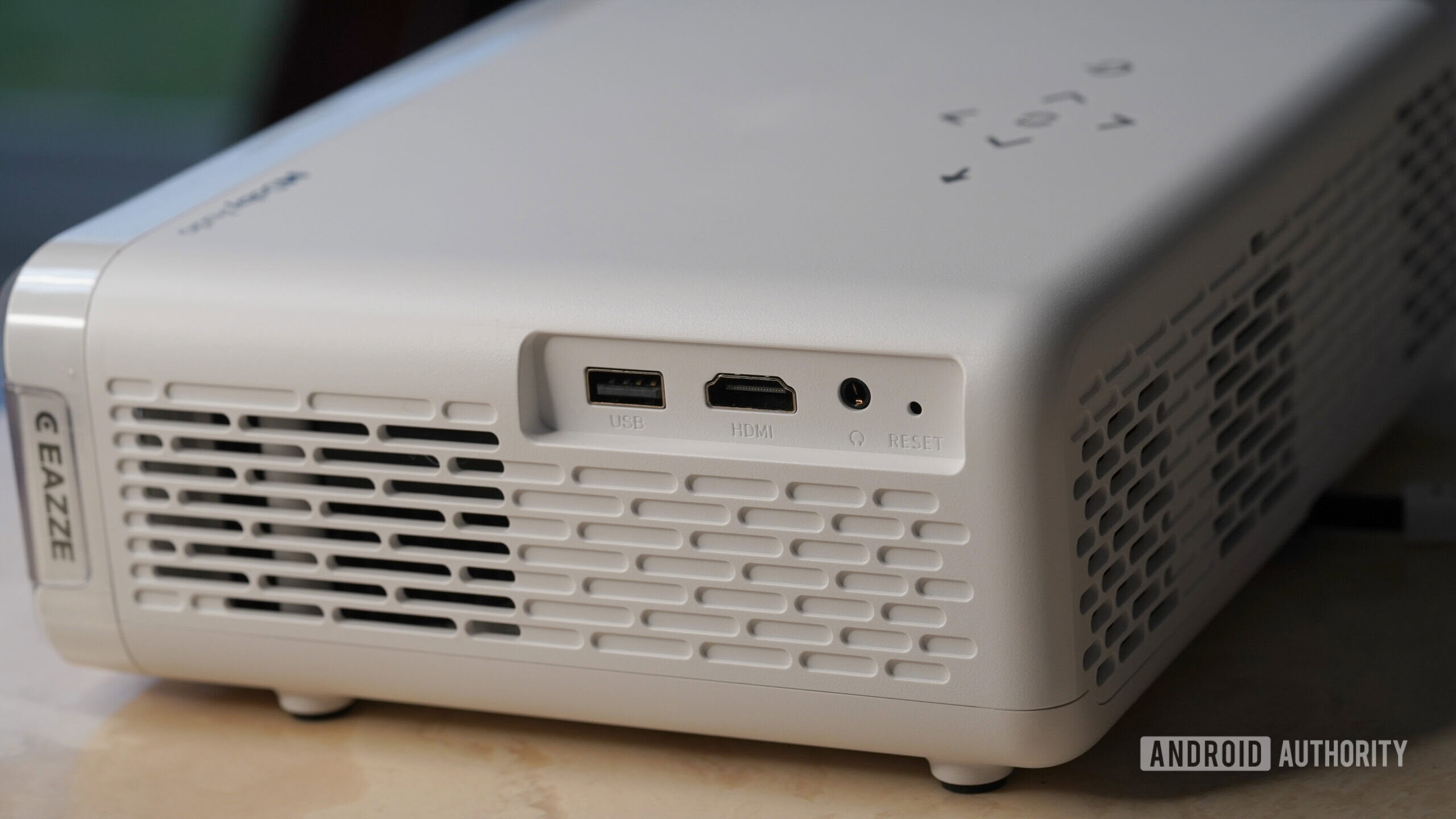
Luminance Wars: The push for higher ANSI lumens continues unabated, driven by the need to compete in brighter environments. We are seeing laser light sources cross the 3,000-lumen threshold more frequently, alongside improved color gamut coverage. However, this intensity often directly correlates with increased heat output and fan noise, highlighting the physical limitations discussed earlier.
Smart Features and Integration: To mimic the TV experience, manufacturers are aggressively integrating full smart operating systems (like Android TV/Google TV) directly into the hardware. This reduces the reliance on external streaming sticks, minimizing peripheral clutter. The next frontier involves better spatial audio integration, perhaps through partnerships with established sound companies (as seen with Bose integrations) or developing more sophisticated internal sound chambers that can project audio directionally.
Conclusion: A Philosophical Choice
The decision to swap a TV for a projector is ultimately a choice between two distinct consumption philosophies. If the priority is maximum visual scale, a truly cinematic atmosphere for dedicated movie nights, and an appreciation for the ambient glow of reflected light, the projector excels. It transforms a room into an event space.
Conversely, if the user values absolute simplicity, guaranteed performance regardless of the time of day, superior input responsiveness for interactive content, and an all-in-one, zero-fuss appliance, the modern flat-panel television remains the superior choice. The surprises reported by new projector owners are not defects in the technology; they are inherent characteristics of reflected light display systems that demand more environmental control and system integration than their direct-emission counterparts. For the enthusiast willing to engage with these variables, the reward is unmatched visual grandeur; for the casual viewer, the complexity may outweigh the benefit.
