

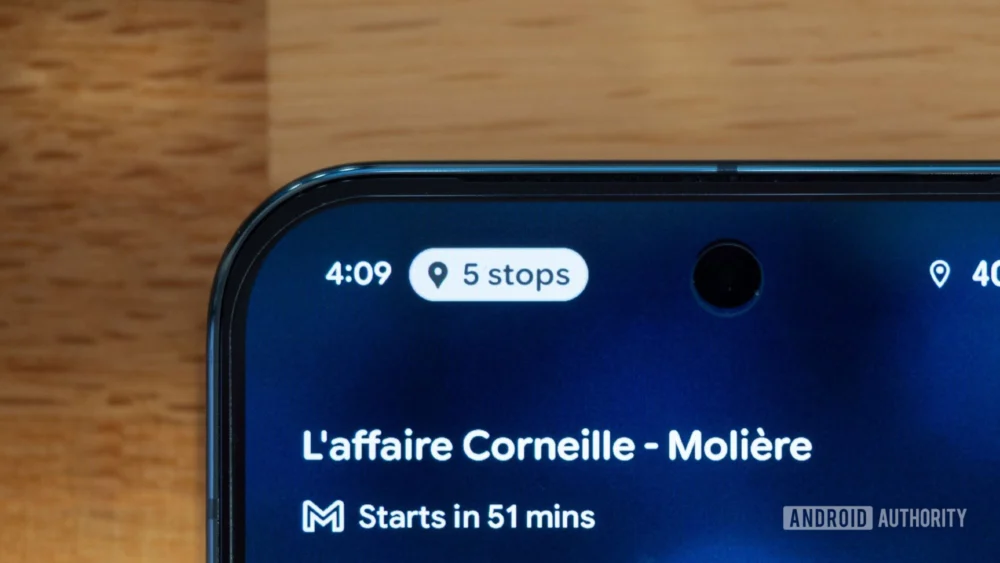
The rollout of Android 16 introduced a suite of enhancements designed to refine the user experience, but one feature stands out as a genuine paradigm shift in how mobile operating systems handle real-time, contextual information: Live Updates. Months after its public debut, this persistent, high-priority notification mechanism continues to impress with its utility, offering a tangible step toward a truly proactive smartphone experience. Yet, despite its inherent brilliance, the adoption rate across the ecosystem is alarmingly low, raising serious concerns about the feature’s long-term viability within the fractured Android landscape.
Live Updates fundamentally solve the pervasive problem of notification overload. In the modern digital environment, smartphones barrage users with alerts—social media pings, email receipts, system warnings—that all compete for immediate attention. Crucial, time-sensitive data, such as turn-by-turn navigation prompts, ride-share arrival estimates, or the status of a critical background process, are frequently buried beneath less urgent chatter. Live Updates introduce a mechanism to designate information as ‘priority persistent,’ ensuring it remains accessible and visible across the entire user interface without requiring the user to constantly dive back into the originating application.
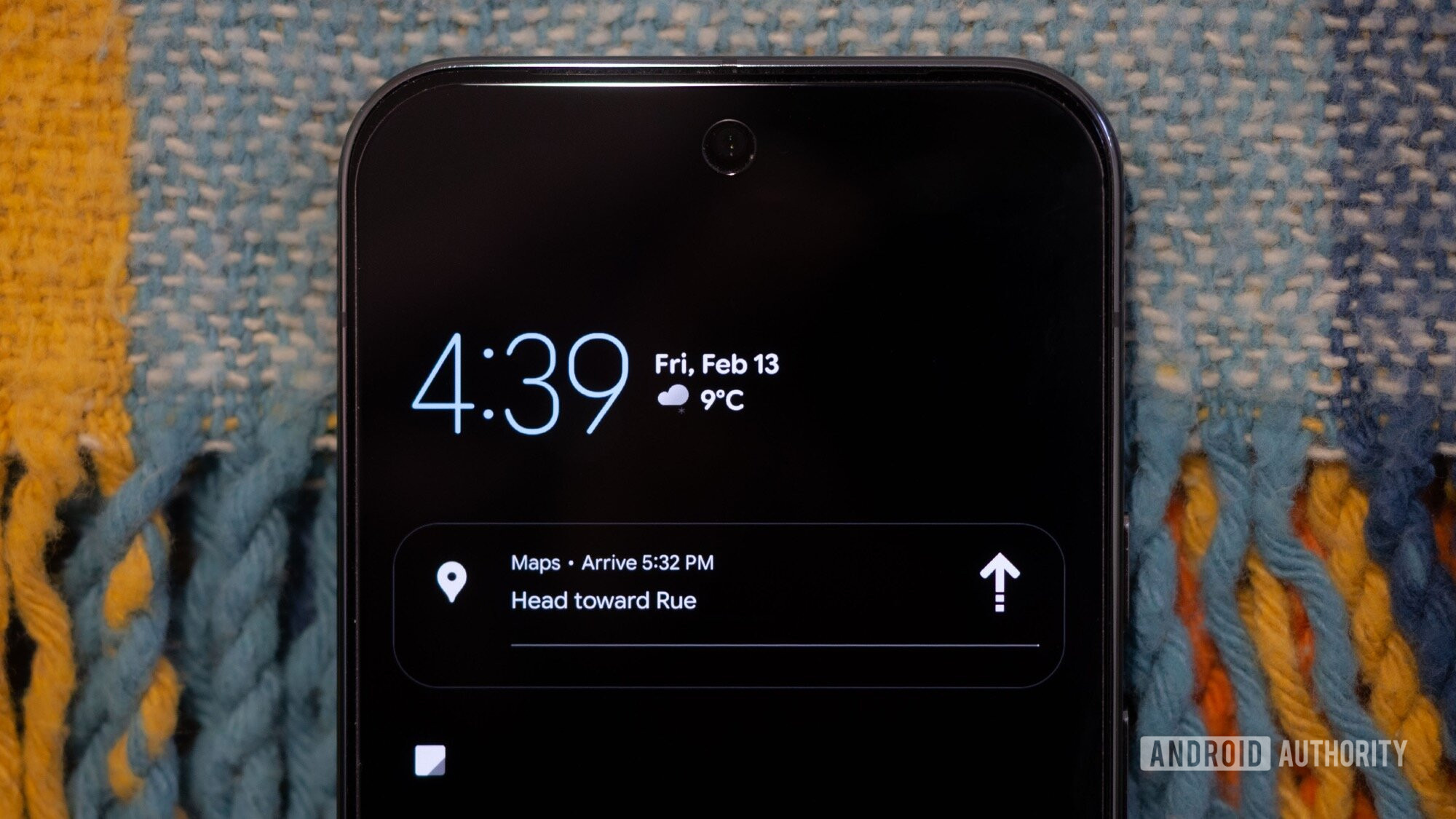
This functionality manifests most clearly in navigational contexts. For users navigating complex transit systems or unfamiliar urban environments, the visual persistence of the next required action—whether it’s the next subway line transfer or the imminent arrival of a scheduled taxi—is transformative. It liberates the user from the "digital leash" of a single application, allowing engagement with other tasks, media consumption, or simply situational awareness, while retaining the essential directional context. For example, in densely populated metropolitan areas, the ability to glance at the status bar or the always-on display (AOD) for a confirmation that the bus is two stops away, rather than constantly reopening a mapping application, is not merely convenient; it is a safety enhancement, reducing distraction in high-traffic scenarios.
The contextual power of Live Updates extends beyond transit. During active driving, the feature can surface aggregated traffic data or ETA adjustments directly, allowing a passenger to relay real-time information without interrupting media playback in an adjacent application. Furthermore, the integration across the Android stack is robust: these priority alerts surface above the standard notification shade, maintain high visibility on the lock screen alongside established persistent notifications like music controls, and, crucially, are designed to be visible on the always-on display. This universal visibility across all primary interaction states—active use, locked screen, and ambient display—is the core strength of the feature, marking a significant evolution from standard, dismissible alerts.
The Ecosystem Dilemma: A Brilliant Feature Languishing in Limbo
Despite these compelling attributes, the ecosystem surrounding Live Updates appears stagnant. Initial excitement, often generated by developer previews and keynote demonstrations, has failed to translate into widespread implementation. The current landscape is dominated by a handful of services, predominantly those dealing with real-time logistics. Ride-sharing platforms like Uber and Lyft have integrated them effectively, as have some niche delivery services.
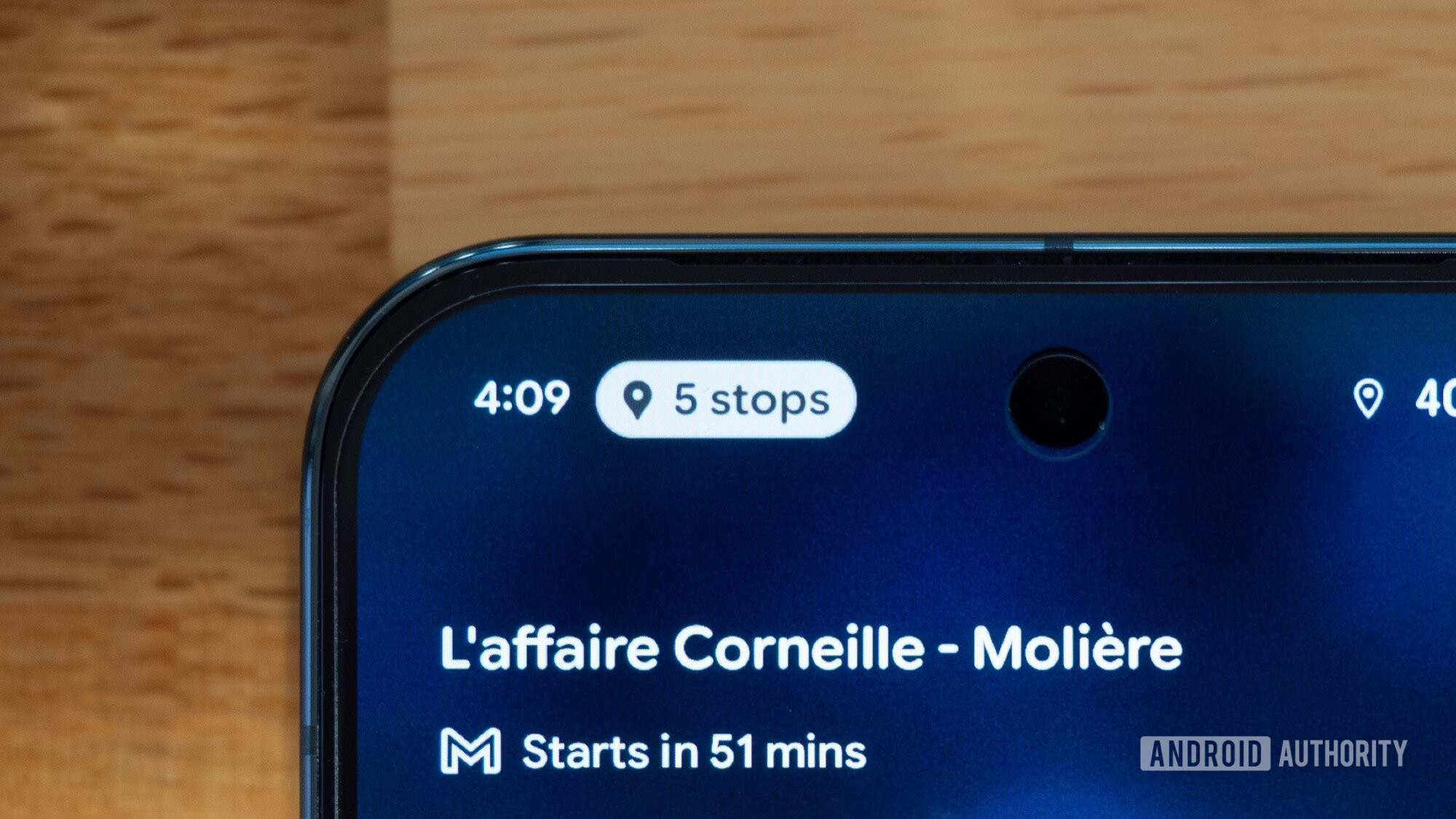
However, the integration from the platform owner, Google, itself, presents a perplexing contradiction. For a feature intended to streamline core mobile interactions, Google’s own suite of applications exhibits significant gaps. The Google Clock application, for instance, fails to leverage Live Updates for ongoing stopwatch or countdown timers, opting instead for older, less integrated notification styles. Similarly, integration with smart home ecosystems via Google Home for ongoing appliance timers is absent. Even the Google Search application, which aggregates real-time sports scores, defaults to a less elegant, potentially disruptive floating bubble interface rather than utilizing the clean, integrated structure of Live Updates.
This internal hesitation sends a damaging signal to the wider third-party developer community. The adoption narrative within the Android ecosystem has historically been dictated by platform leadership. When core Google applications fail to champion a new API or feature set, external developers are understandably hesitant to invest significant engineering resources into implementation. They must weigh the cost of development and maintenance against the perceived user benefit and the likelihood of mainstream success—a calculation that becomes difficult when the platform owner itself appears ambivalent.
Industry Implications: The Battle for Contextual Supremacy
The failure to widely adopt Live Updates has broader industry implications, particularly in the ongoing competition between mobile operating systems for contextual computing dominance. Apple’s Dynamic Island, while visually distinct and primarily hardware-driven, serves a similar function by providing persistent, glanceable context for ongoing background activities (like navigation, timers, or music). Live Updates represent Android’s native, software-based answer to this contextual demand, offering a less intrusive, more universally applicable solution across a broader range of devices, regardless of specific hardware configurations.
If Live Updates remain confined to niche utility apps, Android forfeits a significant opportunity to redefine user interaction norms. The industry trend is moving away from discrete task completion (open app, perform task, close app) toward continuous, ambient interaction. Features that facilitate this continuity—like Live Updates—are essential building blocks for future AI-driven operating systems where the interface adapts dynamically to the user’s immediate need without explicit command.
The current situation suggests a friction point in the Android development lifecycle. Implementing Live Updates requires developers to migrate from traditional notification channels to the newer, more structured Live Data API. This transition demands understanding new rendering requirements and managing the persistent state, which can be a barrier for smaller teams or for features deemed non-critical. If the perceived user reward for this effort is low—because users rarely encounter the feature outside of one or two major apps—the incentive to adopt disappears entirely.
Expert Analysis: API Maturation and Developer Friction
From a technical perspective, the maturation of any new Android API often follows a predictable S-curve: slow initial adoption, followed by rapid uptake once key influencers integrate it, and finally, a plateau. Live Updates are currently stuck in the first, frustratingly slow phase.
One challenge lies in the sheer diversity of the Android ecosystem. Unlike a more tightly controlled environment, Android releases feature adoption across hundreds of device manufacturers and custom skins. While the API is fundamentally available in Android 16, any modification or delay in implementation by OEMs could further fragment the user experience, leading developers to question the uniformity of their efforts.
Furthermore, the type of data suitable for Live Updates must be clearly established. The feature excels with sequential, progress-based tasks (transit, downloads, cooking timers). It is less immediately obvious how it should be applied to asynchronous or status-checking tasks (e.g., a banking app showing a current balance). Developers need clear documentation and best-practice examples demonstrating how to maximize the feature without inducing notification fatigue—a risk inherent in any persistently visible UI element.
Google’s historical pattern of introducing groundbreaking APIs that later stagnate due to lack of internal commitment is a recognized risk factor. Features like advanced multi-window modes or specific developer tools have sometimes languished until a subsequent OS release or a massive internal push forces broader adoption. For Live Updates to avoid this fate, Google must demonstrate commitment beyond the initial technical release.
Future Impact and Trends: The Necessity of Platform Commitment
The future success of Live Updates hinges entirely on a forceful pivot by Google to showcase its utility across its most ubiquitous services. Consider the potential:
- Sports and Live Scores: Replacing clunky overlays with a persistent score ticker.
- E-commerce: Live tracking of package delivery progress, far more granular than standard tracking emails.
- Productivity: Visible countdowns for calendar events or persistent reminders for multi-stage tasks managed in Google Tasks.
- Media Playback: While music controls exist, Live Updates could manage complex queue management or podcast progress synchronization across devices.
If Google were to aggressively integrate Live Updates into the core of Android 17 or push mandatory updates for its flagship applications, the adoption curve would steepen dramatically. This proactive stance would signal to third-party developers that this is not merely a novelty API, but a foundational element of the contemporary Android interaction model.
Conversely, if the current trend continues—where Live Updates remain a feature primarily discovered by users who happen to utilize Google Maps—the API risks becoming another footnote in Android development history, a powerful tool that never achieved critical mass. The operating system’s ability to deliver timely, non-interruptive, contextually relevant information is a key metric for user satisfaction and perceived "smartness." Live Updates is the mechanism that unlocks this potential. Abandoning or ignoring its implementation would be a strategic misstep, undermining one of the most sophisticated contextual notification systems introduced to the mobile platform in years. The anxiety surrounding its future is not based on its functionality, which is exemplary, but on the observable lack of ecosystem enthusiasm necessary to sustain its growth.
