

The quest for the optimal digital workspace is a perennial challenge for knowledge workers, content creators, and project managers alike. For years, the ecosystem provided by monolithic entities, particularly Google’s suite centered around Google Docs, represented the default setting for collaboration and document creation. However, the inherent fragmentation within these established platforms often forces users into a convoluted workflow, juggling disparate applications for documentation, task management, and scheduling. This friction point has paved the way for integrated, aesthetically superior alternatives to gain significant traction. The arrival of Craft on the Android platform marks a critical inflection point in this ongoing productivity evolution, offering a unified solution that marries rich document creation with robust organizational structures—a combination that many legacy tools struggle to deliver seamlessly.
The Context of Productivity Fragmentation
The digital productivity landscape has historically been characterized by specialization. Microsoft Office dominated with powerful, desktop-centric applications, while the cloud era ushered in Google Workspace, emphasizing real-time collaboration and accessibility. Users seeking a more flexible, wiki-style organization often turned to tools like Notion, which prioritizes databases and interconnected pages. My own journey through this terrain—sampling Notion, Todoist, Trello, and TickTick—reveals a common pattern: while each excels in its niche, the aggregate system remains disjointed.
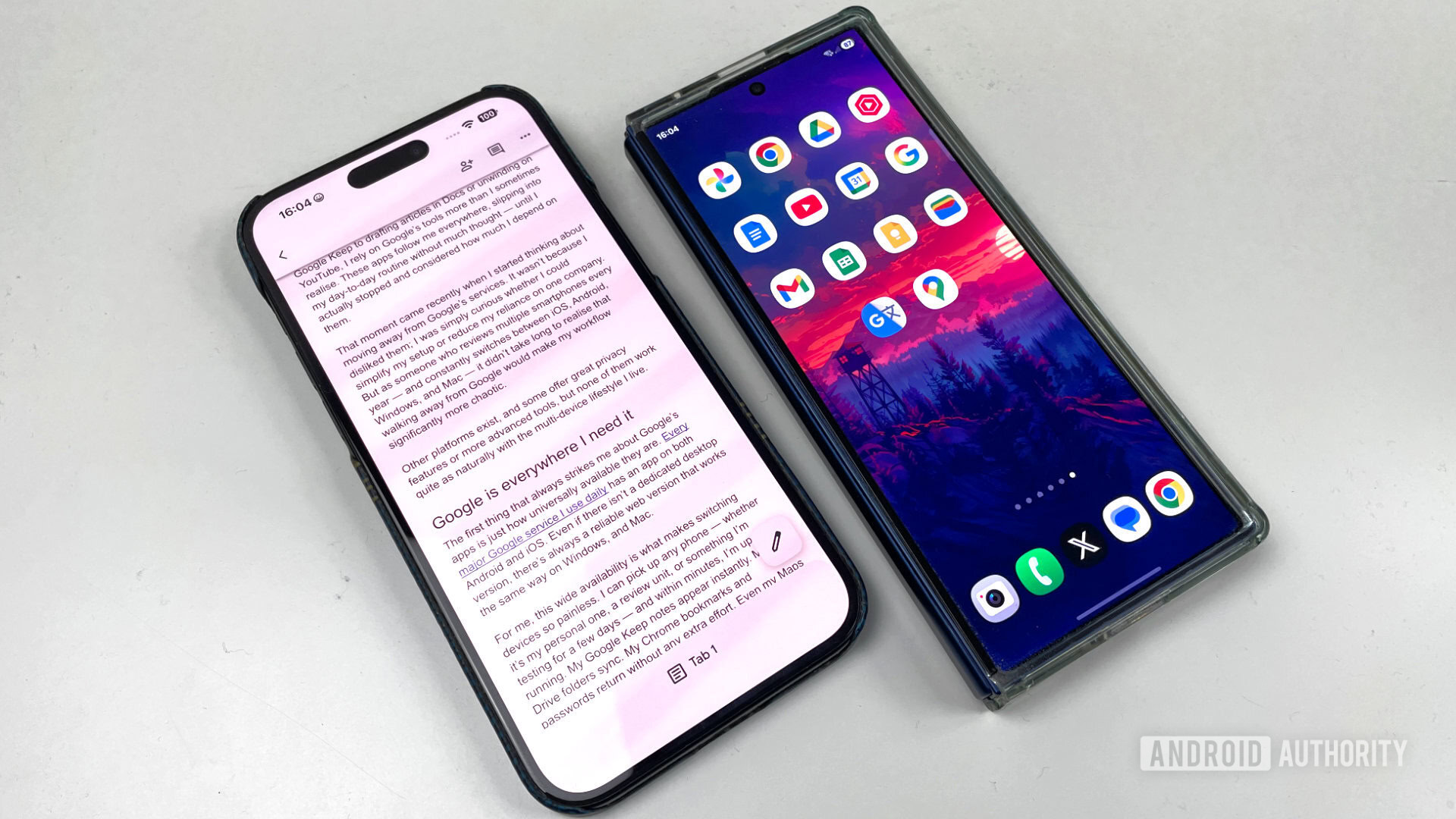
The recent pivot toward leveraging the entire Google ecosystem—Docs, Calendar, Tasks, and Keep—was an attempt to consolidate within a single corporate umbrella. Google has made commendable strides in integration; for instance, the direct embedding of Google Tasks within Calendar and the surfacing of Keep reminders into the Tasks interface demonstrate a commitment to a cohesive experience. Yet, this cohesion feels bolted-on rather than native. A document in Google Docs, even one heavily formatted for project tracking, remains fundamentally separate from the actionable items assigned within the dedicated Tasks application.
This lack of intrinsic connection creates an organizational bottleneck. If I draft a set of action items within a critical project brief in Docs, expecting them to automatically populate and synchronize flawlessly with my master To-Do list, the reality often falls short. While enterprise accounts offer some integration bridges, for the standard user, the experience is one of manual duplication or reliance on third-party automation layers, introducing fragility into the core workflow. The aspiration to use a document as the central "home base" for a project—a document that fluidly manages both static information and dynamic, time-sensitive tasks—remains largely unfulfilled by the current iteration of Google Docs. It feels like a word processor that has reluctantly accepted task management features, rather than a truly integrated workspace.
Craft’s Integrated Philosophy: Documents as the Nexus
Craft fundamentally shifts this paradigm by placing the document, or "Block," as the primary organizational unit. Unlike Google Docs, where tasks are an ancillary sidebar feature, Craft elevates to-dos to a first-class citizen, intrinsically linked to the document they reside in.
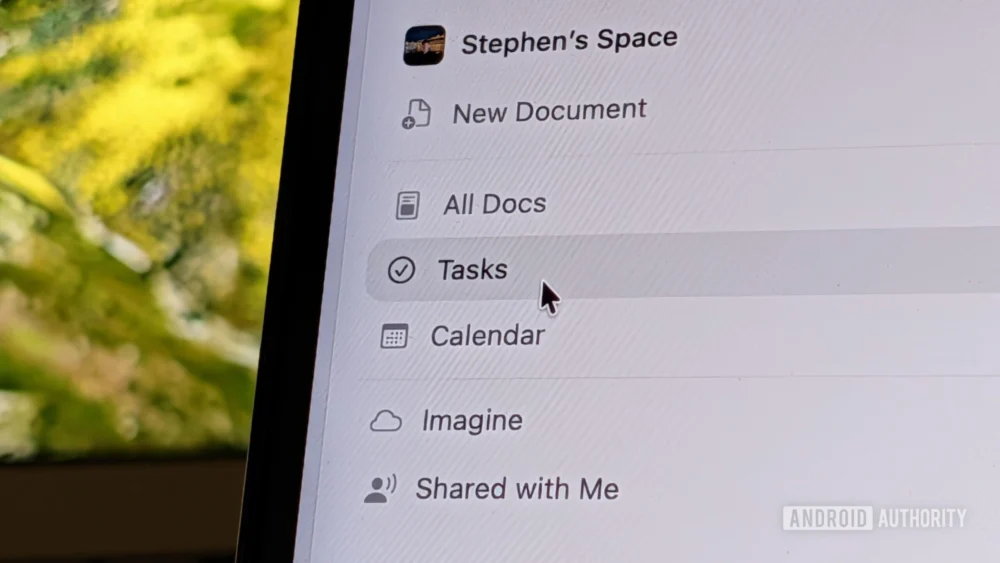
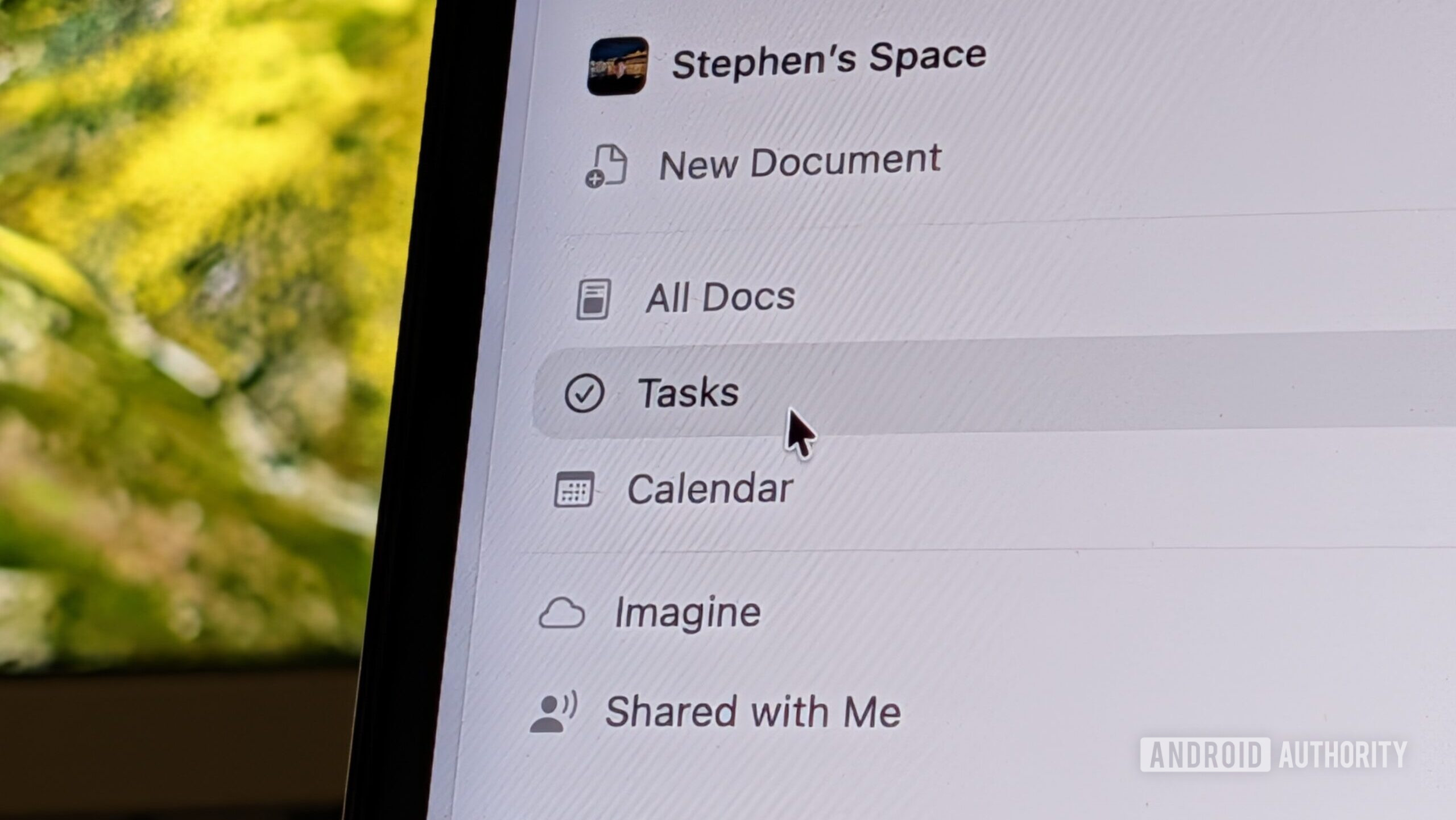
The core strength observed in Craft is the centralized Tasks View. This is not merely a synced list; it is a dynamically aggregated dashboard pulling every assignable task across every document within the user’s workspace. Crucially, this view maintains context: tasks are sorted not just by due date, but are clearly grouped back to their originating document. This contextual awareness is transformative for multi-project management. When reviewing the day’s priorities, a user can see "Three tasks related to Project Alpha (in Document X)" alongside "One critical item from the Quarterly Review (in Document Y)." This structure mirrors cognitive workflow far more effectively than a flat, undifferentiated task list.
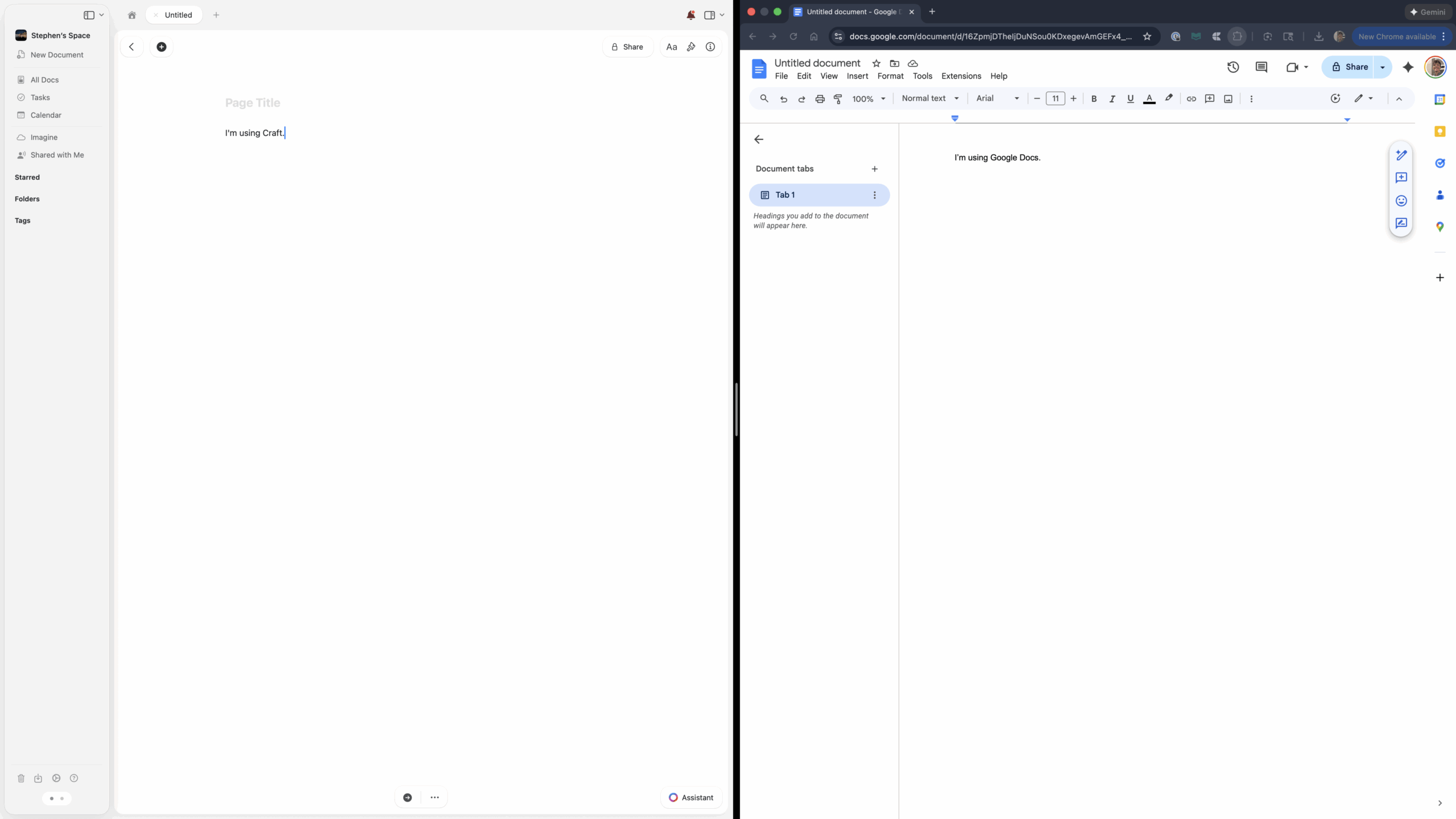
When contrasted with Google Docs, which relies on separate applications for true task management, Craft’s singular environment feels markedly more advanced. The user interface, from the fluidity of navigation to the deliberate micro-interactions, suggests an application built from the ground up for modern, complex workflows, whereas Google Docs retains the visual and functional DNA of its origins as a collaborative text editor, periodically receiving feature overlays.
The Aesthetics of Productivity: UX and Visual Design
Beyond functionality, the user experience (UX) of a productivity tool directly impacts adoption and long-term usage. If an application feels cumbersome or visually uninspiring, adherence drops off rapidly. Here, Craft establishes a significant competitive advantage. The aesthetic experience transcends mere visual appeal; it actively contributes to a reduction in cognitive load.
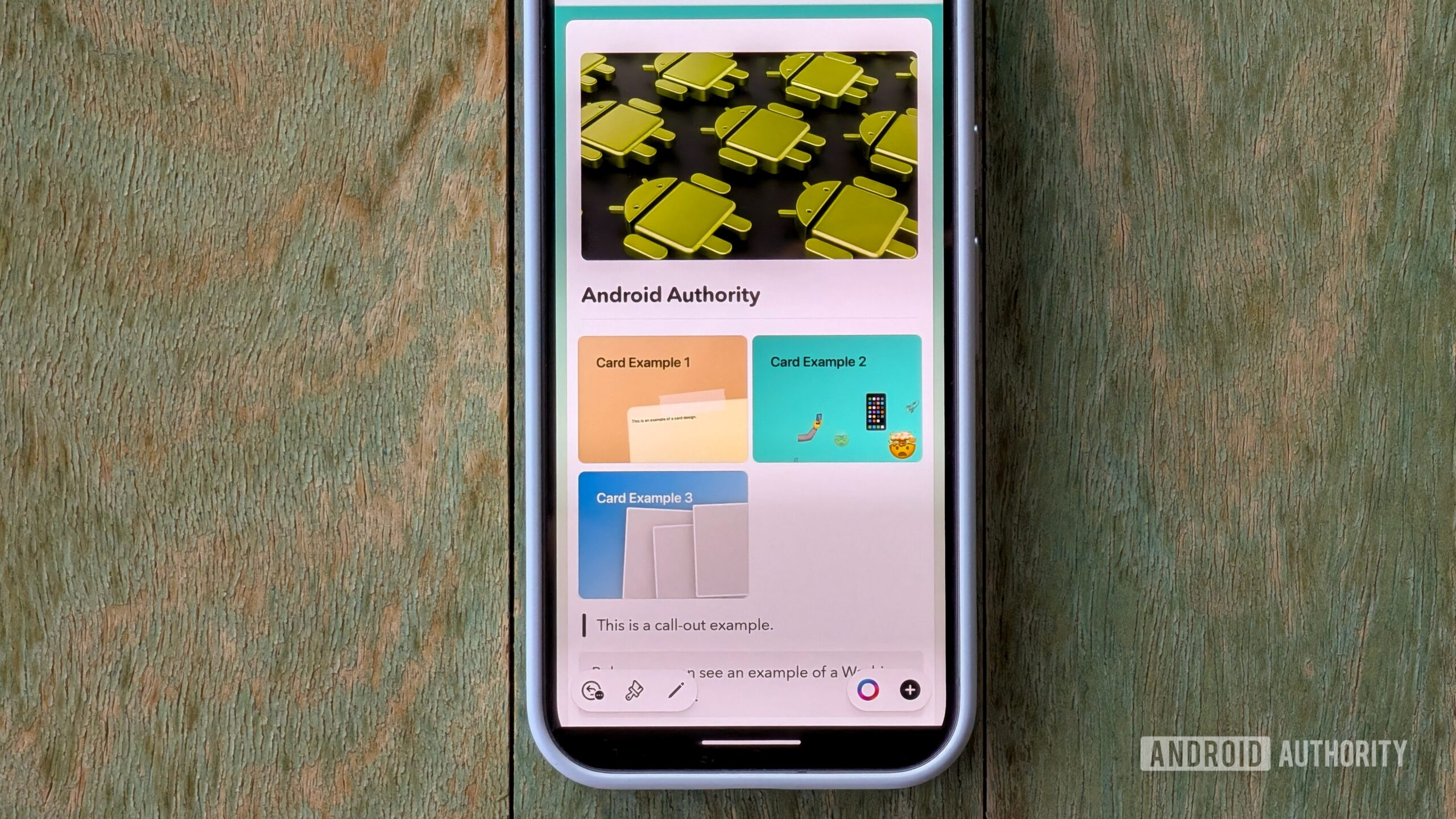
Craft’s design philosophy appears rooted in tactile elegance, reminiscent of high-quality physical stationery. Where Google Docs defaults to a stark, utilitarian white-on-black text environment, Craft imbues even the basic document structure with polish. The application feels intentional—every element, from the subtle shadows on modals to the precise alignment of toolbars, suggests deep consideration for the user interface layer.
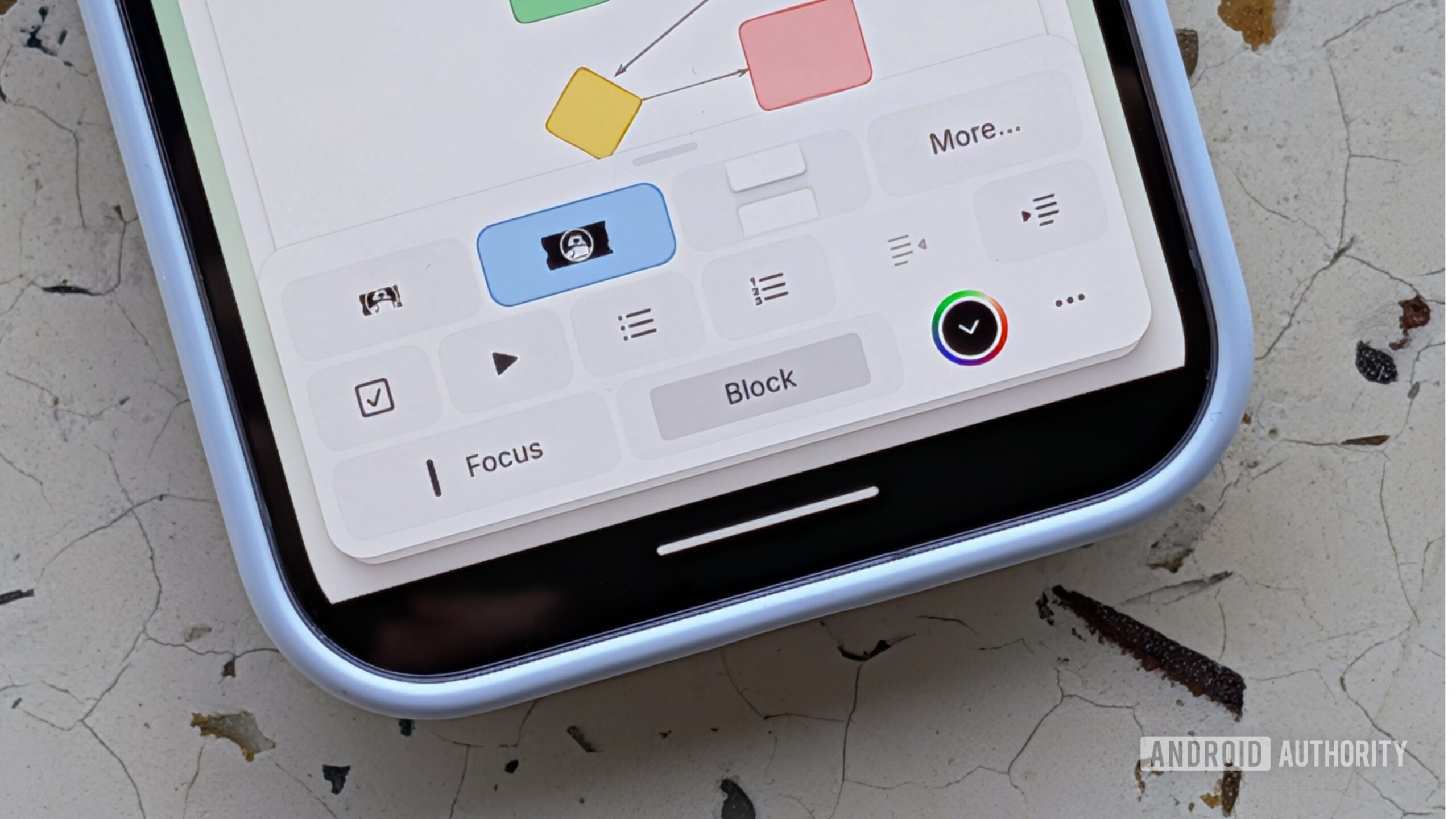
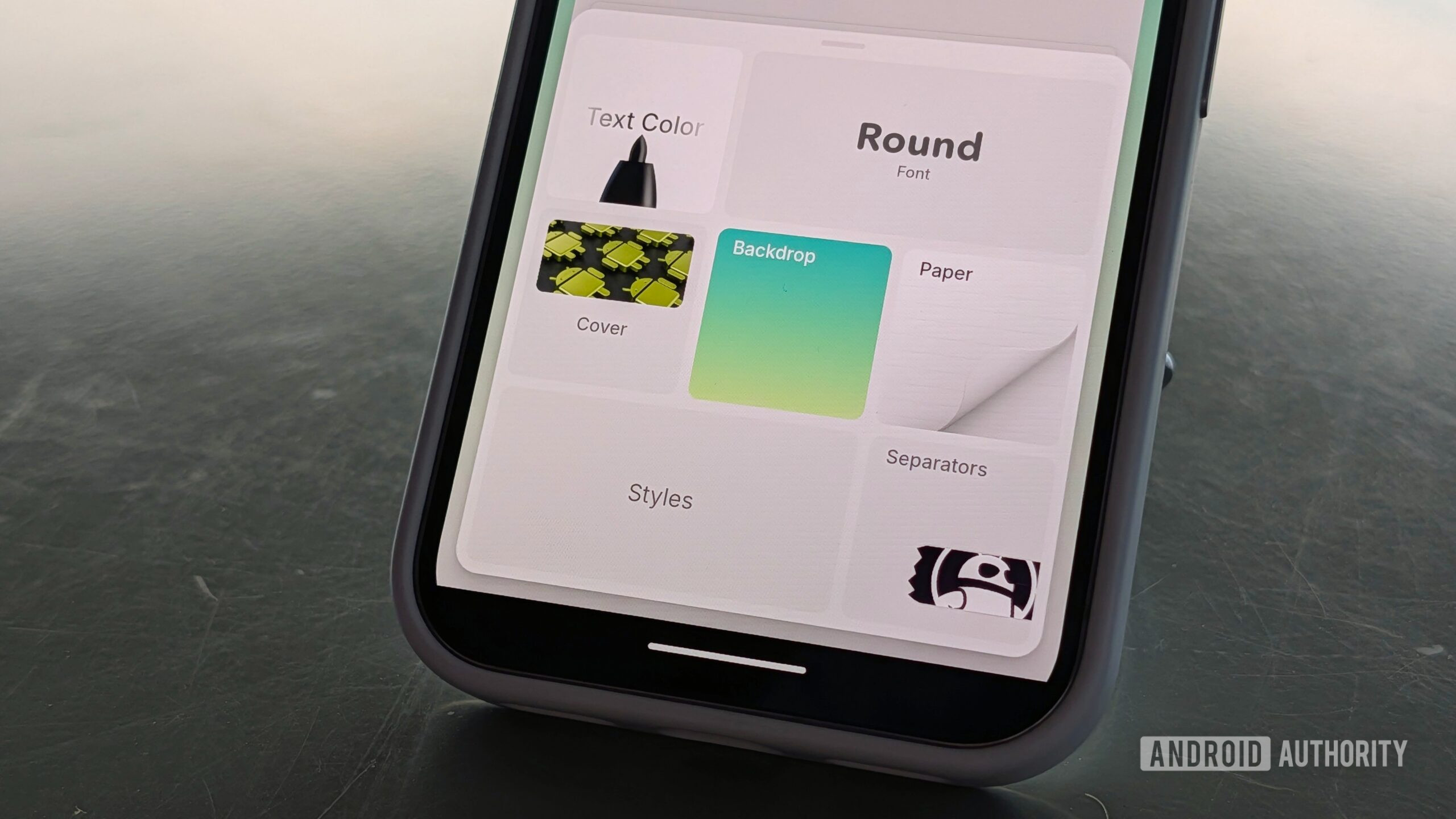
This dedication to visual richness extends into its specialized content blocks. While both platforms offer basic formatting, Craft allows users to embed rich blocks: interactive whiteboards for ideation, embedded tables that behave almost like lightweight spreadsheets, and highly stylized smart links that pull rich previews from external sources. The concept of "Cards"—internal links to other Craft documents styled distinctly within the parent document—creates a true, navigable knowledge graph rather than a simple hyperlink structure. Even seemingly trivial elements, such as the selectable Washi Tape designs replacing standard horizontal rules, demonstrate a commitment to allowing users to visually segment and theme their work in a manner that aligns with personal or project branding.
Furthermore, the subtle but pervasive use of auditory feedback—sound design—is a masterstroke often overlooked in enterprise software design. The gentle scratch of a pencil when marking a task complete or the soft ruffle upon document creation provides positive reinforcement and anchors the user in the digital space through sensory cues. This auditory layer, meticulously detailed by the Craft team, transforms mundane actions into satisfying micro-events, enhancing the overall feeling of engagement and control—a crucial differentiator when the alternative is the often silent, sterile environment of cloud-based document editing.
Industry Implications: The Rise of the Integrated Workspace
Craft’s success signals a crucial trend in the SaaS productivity sector: the market is moving away from siloed, single-purpose tools toward integrated "knowledge operating systems." Users are increasingly intolerant of the cognitive switching costs associated with moving between a document editor, a dedicated task manager, and a separate calendar.
For established players like Google, this presents a strategic challenge. Their strength lies in their comprehensive, cross-platform cloud infrastructure. However, their weakness is often the historical evolution of their products, resulting in an ecosystem that is functionally interconnected but experientially fragmented. To compete effectively, Google would need to undertake a fundamental redesign of Google Docs to function as a true, context-aware workspace, rather than continuing the current strategy of layering integration on top of legacy architecture.
The success of tools like Craft, Notion, and Obsidian indicates a maturing user base that values coherence and customizable aesthetics as much as, if not more than, pure, raw collaborative throughput (where Google still holds a considerable lead). This suggests a bifurcation of the market: one segment for high-volume, real-time corporate collaboration (Google/Microsoft) and another for sophisticated individual knowledge management and presentation (Craft/Notion).
Security and AI: Areas for Future Maturation
While the author expresses profound satisfaction with Craft’s core functionality, several critical areas require attention, particularly concerning enterprise adoption and future-proofing.
The absence of end-to-end encryption (E2EE) is a significant consideration. While Craft assures users that data is encrypted in transit and at rest—standard industry practice for cloud storage—the lack of true E2EE prevents its adoption for highly sensitive personal or proprietary professional data. For users managing records that demand maximum privacy (e.g., medical details, non-disclosure agreements), the current security posture acts as a barrier. Expanding E2EE capabilities would unlock a significant tier of professional users currently hesitant to entrust critical secrets to the platform.
Furthermore, the integration of generative AI is rapidly becoming table stakes for any modern productivity application. Craft’s "Craft Assistant," supporting models from Apple, OpenAI, and Meta, shows proactive engagement with this technology. However, the noted absence of support for Google’s Gemini model creates a minor, yet noticeable, gap for users deeply embedded in the Google AI ecosystem, even if the current reliance on local or other third-party models mitigates immediate workflow disruption. The ability to seamlessly leverage the most advanced LLMs available, regardless of their origin, will be key to maintaining Craft’s cutting-edge perception.
The Android Factor and Platform Parity
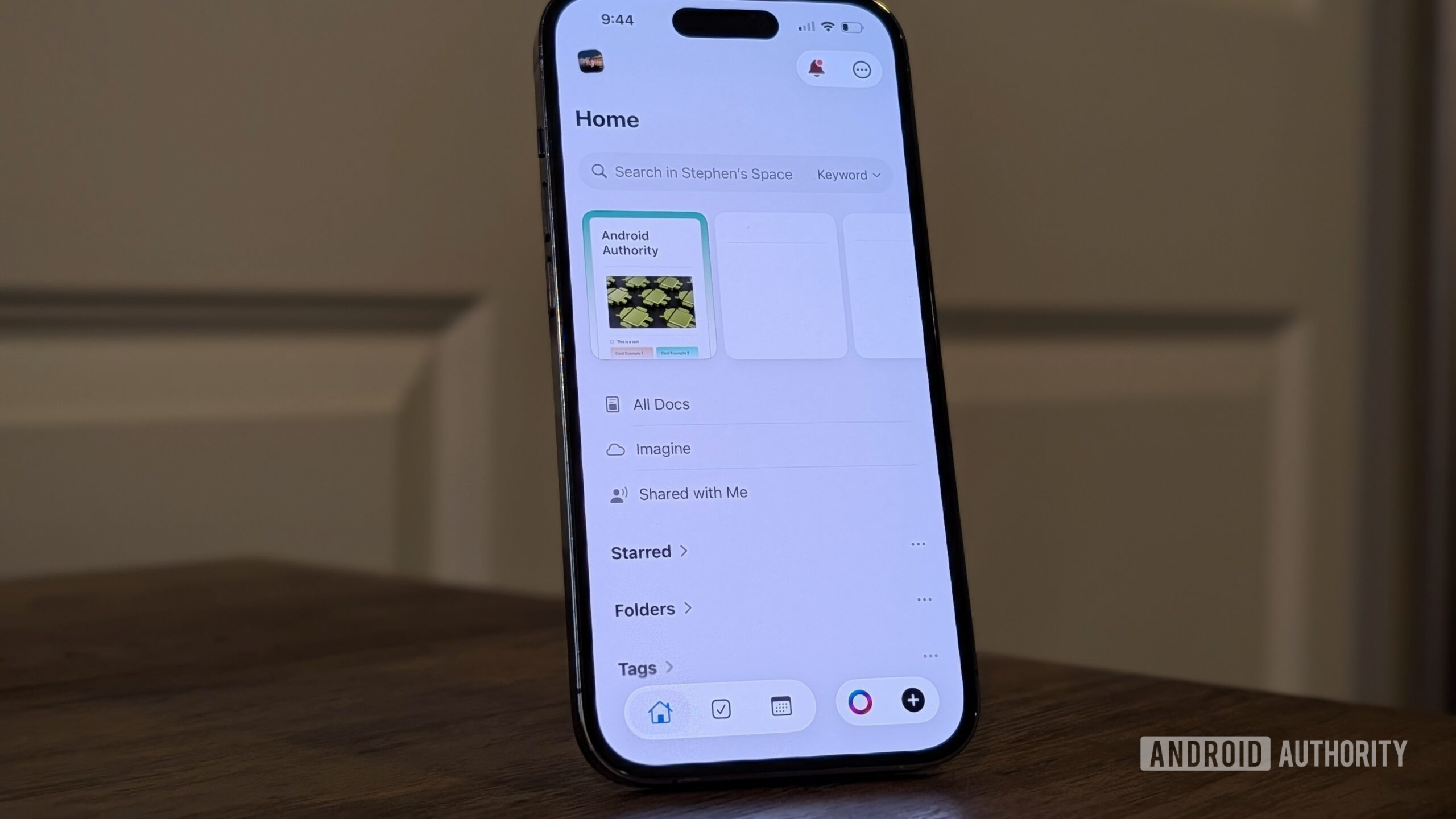
The author’s enthusiasm is amplified by Craft’s recent expansion to Android. Having originated in the Apple ecosystem (iOS and macOS), the quality of the Android implementation is crucial for cross-platform professionals. While the feature parity in the initial beta is lauded, the observation that the Android version currently mimics the functionality of the preceding mobile web app, lacking the fluid, native animations of its Apple counterparts, is a vital piece of editorial insight.
True success in the productivity market demands parity across operating systems, not just feature parity. The smooth, high-fidelity animations on iOS and macOS contribute significantly to the feeling of quality and responsiveness. For the Android experience to fully resonate and justify the switch from Google’s native apps, the development team must focus on optimizing the platform-specific UX to match the visual delight offered on other platforms. This optimization is not cosmetic; smooth transitions and responsive interactions reduce perceived latency, making the application feel faster and more reliable.
Conclusion: A Personalized Productivity Renaissance
The migration from a default, fragmented ecosystem like Google Workspace to a curated, document-centric solution like Craft represents more than just a change in software; it signifies a shift in workflow philosophy. Craft succeeds because it addresses the psychological barrier to productivity—the aversion to tedious organization—by making the act of documentation and task tracking inherently more enjoyable and visually rewarding.
In a professional environment saturated with tools designed for maximum corporate compatibility, Craft carves out a valuable space for individuals who demand high design standards alongside organizational power. Whether drafting a critical strategy document for a publication or simply organizing a complex personal itinerary, the ability to centralize information flow, maintain contextual awareness through the Task View, and interact with an interface that feels actively crafted rather than passively assembled, provides a compelling case for adoption. For those who prioritize a unified, aesthetically pleasing, and context-aware workspace, the transition away from the venerable, yet increasingly dated, structures of legacy office suites is not a regret, but a logical upgrade to a more personalized and effective digital existence. The platform’s continued evolution, particularly in security and native mobile optimization, will determine its long-term viability as the definitive knowledge hub for the modern, multi-platform professional.
