

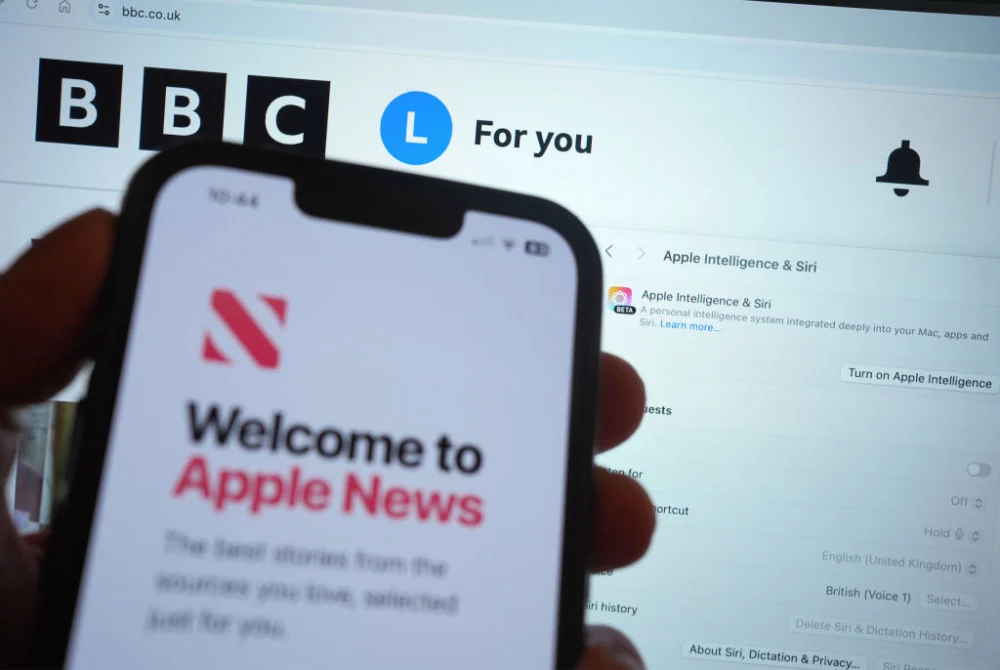
The intersection of algorithmic curation, editorial oversight, and political neutrality has long been a flashpoint in the American tech landscape. However, the tension reached a new peak this week as the U.S. Federal Trade Commission (FTC) officially signaled its intent to scrutinize Apple News, one of the world’s most influential news aggregators. At the heart of the matter is a formal inquiry led by FTC Chair Andrew Ferguson, who has raised pointed questions regarding allegations that the platform systematically suppresses conservative viewpoints. This development marks a significant escalation in the regulatory battle over how Big Tech manages the flow of information to hundreds of millions of users.
In a direct letter addressed to Apple CEO Tim Cook, Ferguson cited specific findings from the Media Research Center (MRC), a right-leaning watchdog and think tank. The MRC report alleges that Apple News consistently excludes right-leaning outlets from its "top 20" article feed, a high-visibility section of the app that drives massive traffic and shapes public discourse. The implications of these allegations are profound: if a platform as ubiquitous as Apple News is found to be ideologically weighting its distribution, it moves from being a neutral utility to a powerful, unacknowledged editorial gatekeeper.
Ferguson’s letter was not merely a request for information; it was a stern warning regarding the legal obligations of tech giants. “These reports raise serious questions about whether Apple News is acting in accordance with its terms of service and its representations to consumers,” Ferguson wrote. He further emphasized his personal stance on the matter, stating that he “abhors and condemns” any attempt to censor content based on ideological leanings. This rhetoric signals a shift in the FTC’s approach, moving beyond traditional antitrust concerns into the realm of consumer protection and deceptive trade practices.
The Legal Framework: Deception vs. Ideology
To understand the FTC’s position, one must look at the specific boundaries of its authority. As Ferguson noted, the FTC does not possess the statutory power to force a private company like Apple to adopt specific political or ideological positions. Private entities generally enjoy First Amendment protections that allow them to curate content as they see fit. However, the FTC’s mandate covers "unfair or deceptive acts or practices" under the FTC Act.
The regulatory hook here is not the "censorship" itself, but the "representation" of the service to the public. If Apple’s Terms of Service or its public marketing materials suggest that Apple News provides a neutral, comprehensive, or diverse snapshot of the day’s news, but the underlying algorithm is hard-coded or editorially managed to exclude a specific political spectrum, the FTC can argue that Apple is deceiving its customers. Consumers use the app under the "reasonable expectation" that they are receiving a balanced feed. If that expectation is systematically subverted, it could constitute a violation of federal law.
Supporting this stance is Brendan Carr, the Chairman of the Federal Communications Commission (FCC). Carr, a fellow critic of Big Tech’s influence, echoed Ferguson’s concerns, asserting that Apple has no legal right to suppress conservative viewpoints if doing so contradicts its stated policies or the FTC Act. The alignment of the FTC and FCC chairs suggests a coordinated regulatory front aimed at forcing transparency in algorithmic governance.
The Political Catalyst and the Trump Factor
The timing of the FTC’s inquiry is inextricably linked to the broader political climate. The letter was dispatched just twenty-four hours after President Donald Trump shared the Media Research Center’s report on Truth Social, his own social media platform. Trump has long maintained that Silicon Valley maintains a "blacklist" of conservative voices, a claim that has served as a cornerstone of his tech policy agenda.
While many major social media platforms—including Meta and X (formerly Twitter)—have spent the last several years rolling back the aggressive content moderation policies implemented during the COVID-19 pandemic and the 2020 election, Apple News remains a unique beast. Unlike social media, which relies on user-generated content and social graphs, Apple News is a hybrid of algorithmic sorting and human editorial curation. This "human-in-the-loop" model makes it more susceptible to allegations of intentional bias compared to the purely mathematical models of other platforms.
The relationship between Apple and the current administration has been a complex study in corporate diplomacy. For years, Apple was the target of criticism regarding its heavy reliance on Chinese manufacturing. However, Tim Cook has proven to be a master of navigating these political waters. By committing to a staggering $600 billion investment in U.S.-based manufacturing and infrastructure over the next four years, Apple has managed to secure a seat at the table, even dodging several rounds of tariffs on imported electronics. Yet, this economic goodwill does not appear to provide a "get out of jail free" card regarding the company’s editorial practices.
The "Black Box" of Algorithmic Curation
For industry analysts, the Apple News controversy highlights a growing demand for "algorithmic transparency." Most users interact with news aggregators without understanding why certain stories appear at the top of their feed while others are buried. Apple has previously stated that its curation process involves a mix of automated systems and a team of seasoned editors who select "Top Stories" based on accuracy, relevance, and journalistic integrity.
The challenge lies in defining those terms. What one editor views as "journalistic integrity," another might view as "partisan framing." When a think tank like the MRC points to the absence of right-leaning outlets in the top 20, it forces a conversation about the metrics of success. Is the algorithm optimized for engagement, or is it optimized for a specific editorial worldview?
The FTC is now urging Apple to conduct a "comprehensive review" of its curation protocols. Ferguson has demanded that Apple ensure its content delivery is consistent with its public-facing policies and has called for "swift corrective action" if discrepancies are found. This puts Apple in a difficult position: to prove its neutrality, it may have to pull back the curtain on proprietary algorithms that it considers a competitive advantage.
Industry Implications and the Future of News Aggregation
The FTC’s investigation into Apple is likely the opening salvo in a broader inquiry into how tech platforms manage political discourse. Last year, the commission launched a wider probe into "censorship by tech platforms," soliciting public comments from individuals who felt they had been marginalized due to their political affiliations. At the time, Ferguson characterized some platform behaviors as "bullying," suggesting that the agency is looking for a pattern of behavior across the entire sector.
If the FTC successfully penalizes Apple or forces a change in its curation methods, it will set a massive precedent for other aggregators like Google News and Microsoft Start. The industry could see a shift toward "user-controlled neutrality," where platforms are required to provide toggles or settings that allow users to see how their news is being filtered and to opt for different ideological balances.
Furthermore, this scrutiny could impact the financial model of digital journalism. Apple News+ is a significant revenue driver for many publishers. If the platform is forced to change its "Top Stories" criteria, it could result in a massive redistribution of traffic and ad revenue, potentially benefiting conservative-leaning outlets that claim they have been unfairly sidelined.
Expert Analysis: The Path Forward
Legal experts remain divided on the FTC’s chances of success. Some argue that the "deceptive practices" angle is a clever way to bypass First Amendment hurdles. By framing the issue as a contract between a company and its users (the Terms of Service), the FTC avoids the appearance of the government dictating speech. Others, however, suggest that any government interference in how a private company organizes its "Top 20" list is a form of compelled speech and will likely be tied up in the courts for years.
As of now, Apple has remained silent, declining to comment on the FTC’s letter. This silence is typical for the Cupertino giant, which usually prefers to handle regulatory friction through private negotiations rather than public sparring. However, with the President of the United States and the heads of two major regulatory bodies focused on the issue, the "wait and see" approach may no longer be viable.
The coming months will likely see a flurry of legal filings and perhaps a public hearing where Apple executives are asked to explain the inner workings of the News app. Whether this results in a fundamental change to the app’s interface or remains a political talking point depends on how much evidence of "deception" the FTC can actually uncover. Regardless of the outcome, the era of the "unquestioned algorithm" appears to be coming to an end, replaced by an age of intense regulatory oversight and a demand for digital accountability.
