

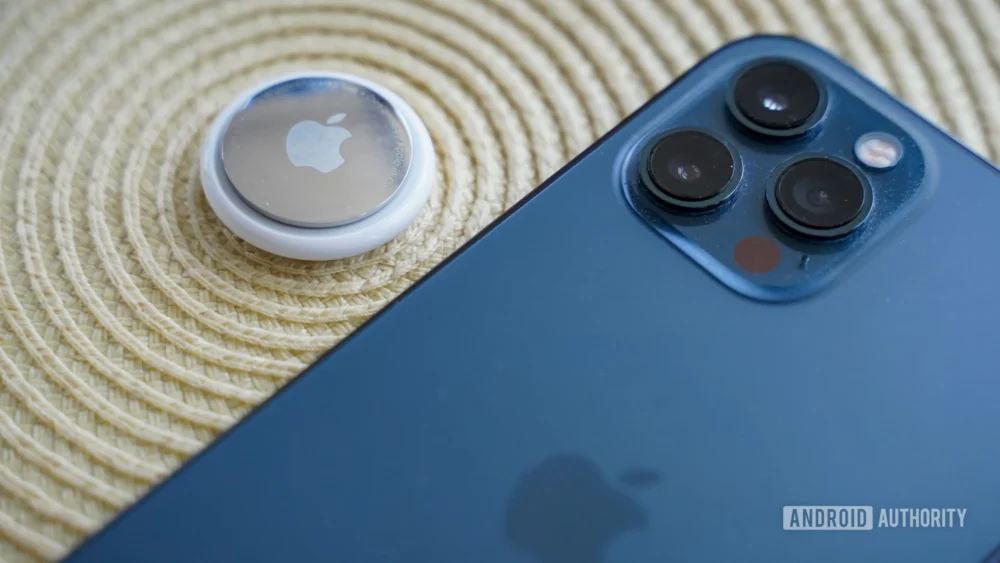
The persistent erosion of pricing for Apple’s first-generation AirTag four-packs presents a compelling value proposition for consumers deeply integrated within the Apple ecosystem. Currently hovering near its all-time low—a mere dollar above the record floor—the opportunity to acquire four precision tracking devices for approximately $64 represents a strategic moment for securing long-term asset management. While Apple has subsequently released a second-generation model, the foundational technology of the original AirTag remains robust, leveraging one of the most expansive and sophisticated crowdsourced location networks in existence: the Find My network. This sustained price depreciation on legacy hardware underscores the competitive dynamics within the personal item tracking sector and highlights the enduring utility of Apple’s established hardware footprint, even as newer iterations arrive.
The Architecture of Ubiquitous Tracking: Contextualizing the AirTag Phenomenon
To fully appreciate the significance of this pricing dynamic, one must understand the technological leap the original AirTag represented upon its introduction. Prior to the AirTag, item tracking was often fragmented, relying on proprietary applications, limited Bluetooth range, or less precise GPS technology that demanded active cellular connectivity—a prohibitive constraint for small, battery-operated trackers. Apple circumvented these limitations by weaponizing its installed user base. The AirTag utilizes a combination of Bluetooth Low Energy (BLE) for broad proximity detection and the proprietary Ultra-Wideband (UWB) technology, accessible via the U1 chip found in contemporary iPhones, for precise directional finding.
The true genius, however, lies in the Find My network. This system transforms every active iPhone, iPad, or Mac globally into a passive node capable of securely and anonymously reporting the location of a lost AirTag to its owner. This creates a vast, self-sustaining mesh network that can locate items miles away, an operational capability that competitors struggle to replicate with comparable scale and security guarantees. For users with multiple Apple devices—a scenario increasingly common among tech-savvy consumers—the setup and ongoing management are seamlessly integrated within the native operating system environment, requiring no ancillary apps beyond the pre-installed Find My utility.
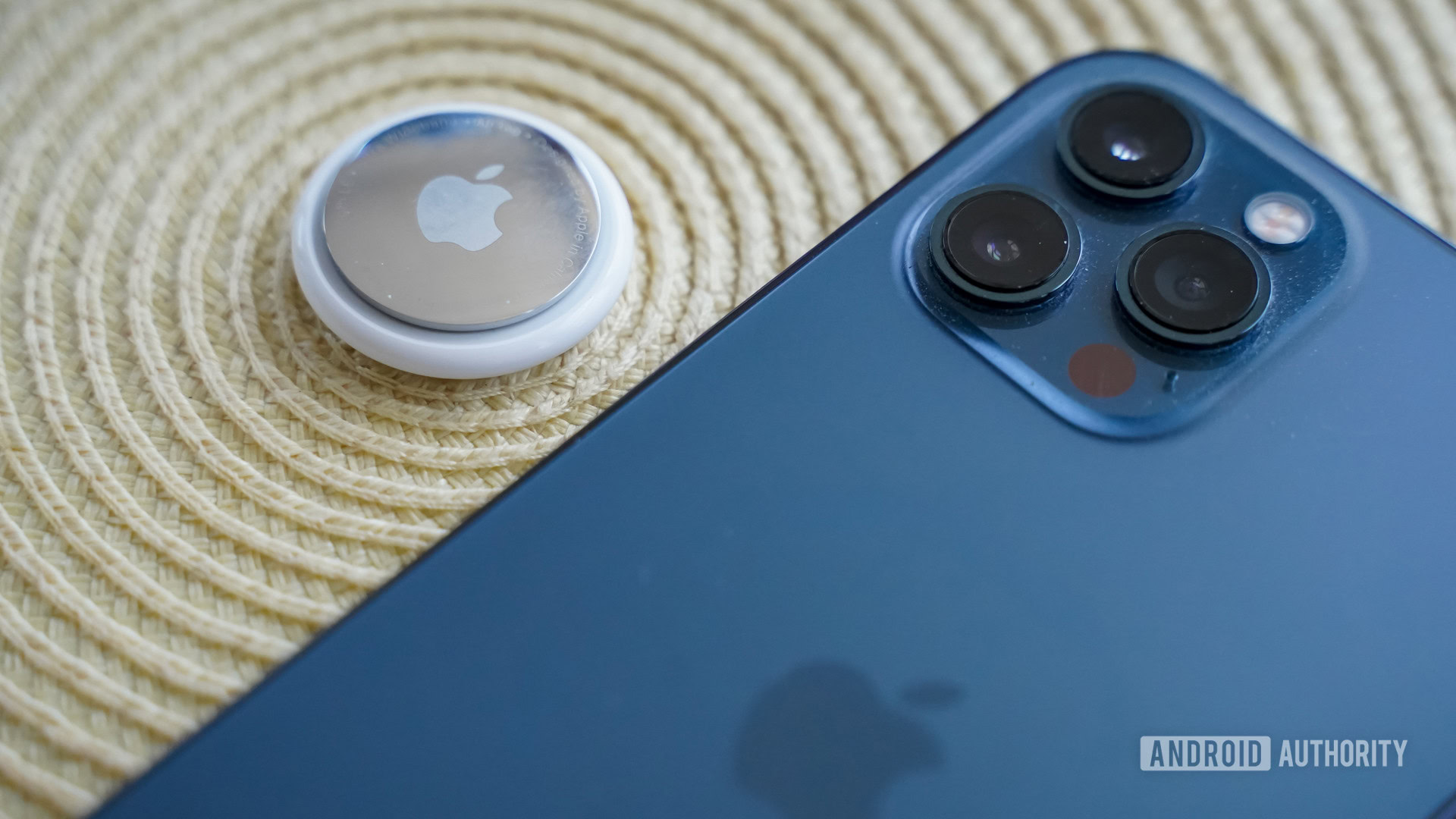
The mandatory requirement for an Apple device, specifically an iPhone, for initial activation and ongoing functionality is a critical differentiator and a barrier to entry for Android users. This exclusivity solidifies the device’s positioning as a premium, ecosystem-locked accessory. The current deep discount on the four-pack, therefore, is less about clearing old stock and more about broadening the penetration of this ecosystem dependency, encouraging users to tag more items—keys, wallets, luggage, or even bicycles—thereby strengthening the network’s density.
Industry Implications: Competition and Ecosystem Lock-In
The market for item trackers is characterized by fierce competition, dominated by players like Tile and Samsung’s SmartTag line. The longevity and consistent pricing pressure on the first-generation AirTag have several industry implications. Firstly, it forces competitors to reassess their own pricing strategies. When a premium, high-security tracking solution like the AirTag four-pack dips into the budget segment, it pressures competitors to either offer deeper discounts or enhance feature sets significantly to justify a higher price point.
Secondly, the AirTag’s success cemented the viability of UWB technology in consumer electronics beyond high-end spatial awareness applications. Its integration demonstrated that UWB could be leveraged effectively for simple utility functions, paving the way for broader adoption in areas like digital car keys and enhanced indoor navigation.
From an expert perspective, the decision to heavily discount the older model while promoting the newer one—which features the U2 chip for enhanced Bluetooth stability and a louder speaker—is a calculated maneuver. The U2 chip in the second generation offers tangible improvements in connectivity and alerts, vital for locating items in noisy environments or across greater distances where BLE signal degradation is a factor. However, the core tracking mechanism, the reliance on the Find My network, remains fundamentally unchanged between the generations. For the average user whose primary concern is recovering a misplaced bag within a metropolitan area, the performance difference between the two generations may not justify the typical price premium for the newer unit. Thus, the current deal targets the cost-conscious segment of the Apple user base, prioritizing sheer volume of tracking points over marginal technological refinement.

Technical Deep Dive: Power Management and User Experience
A persistent point of user feedback regarding the original AirTag centers on its power source: the user-replaceable CR2032 coin cell battery. While the convenience of a user-swappable battery is undeniable—avoiding the need to return the device to the manufacturer for charging—it introduces a maintenance requirement. Apple estimates a year of battery life under typical usage conditions, a commendable feat given the constant background scanning required for network participation. However, this lifespan is subject to the frequency of location updates and whether the Precision Finding feature is heavily utilized.
The low cost of replacement CR2032 batteries is a significant mitigating factor. These batteries are ubiquitous and inexpensive, ensuring that the long-term operational cost remains negligible. In contrast, the move toward integrated, rechargeable batteries in many competing devices offers a "set-it-and-forget-it" experience for a longer duration, but introduces the dependency on USB-C or proprietary charging docks, potentially leading to device obsolescence if the internal battery degrades beyond practical use. The AirTag’s approach prioritizes modularity and longevity through simple component replacement over integrated convenience.
The UWB implementation, utilizing the U1 chip, deserves closer examination. This technology allows for centimeter-level accuracy when the iPhone is within close range (typically less than 30 feet). This capability transforms the abstract map location into a tangible "hot or cold" physical search, accompanied by visual cues on the screen guiding the user directly to the object. This feature alone often justifies the investment over trackers relying solely on standard BLE triangulation, which can be imprecise, especially indoors or near signal-obstructing materials.
Future Impact and Emerging Trends in Location Services
The trajectory of personal tracking devices points toward deeper integration with augmented reality (AR) and environmental awareness. As the second-generation AirTag incorporates enhanced UWB (U2 chip), this suggests an ongoing commitment to refining spatial awareness features. Future iterations are anticipated to leverage advancements in spatial computing—a key focus for Apple—to provide more immersive and contextual retrieval experiences, perhaps integrating the location data directly into the iPhone’s camera view or mixed-reality interfaces.

Furthermore, the industry is grappling with privacy concerns surrounding the vast, passive location networks employed by services like Find My. While Apple has implemented robust anti-stalking measures, including alerts for unknown AirTags traveling with a user, the sheer scope of the network necessitates continuous security auditing and public transparency. The perceived security of the Find My network—where location data is end-to-end encrypted and only accessible by the owner—is a primary driver of its market dominance. Any perceived vulnerability in this chain could severely erode consumer trust, impacting the value proposition of all linked devices, including those currently on sale.
The current aggressive pricing of the first-generation quad-pack can be interpreted as a strategic effort to maximize the network’s reach before potential regulatory or competitive shifts mandate changes in tracking protocols. By embedding these devices into more households now, Apple secures long-term user habituation to its location services framework. For the consumer, this moment represents an opportunity to achieve comprehensive asset coverage—tagging every valuable item—at a cost that significantly undercuts the initial retail pricing strategy.
Concluding Analysis on Value Retention
The fact that the 1st generation AirTag 4-Pack price is nearing its historical nadir, just shy of a $2 variance from the absolute lowest recorded price, indicates a mature product lifecycle phase. While the successor offers iterative improvements, the core functionality—reliable, secure, crowdsourced tracking—is fully present in the discounted model. For individuals or organizations requiring multiple trackers for luggage, equipment inventory, or family assets, the current $35 saving on the $99 MSRP (assuming standard retail pricing) offers undeniable financial leverage. The trade-off is minor: accepting the standard battery life estimation and the lack of the very latest UWB refinement in exchange for significant upfront savings. This deal serves as a testament to the enduring utility of first-generation, high-quality hardware when supported by a dominant, constantly updated cloud infrastructure. The purchase decision hinges not on whether the AirTag is the best tracker available (which is subjective), but whether it is the most effectively supported tracker for an iPhone owner, a status the current discounted price reinforces profoundly.
