

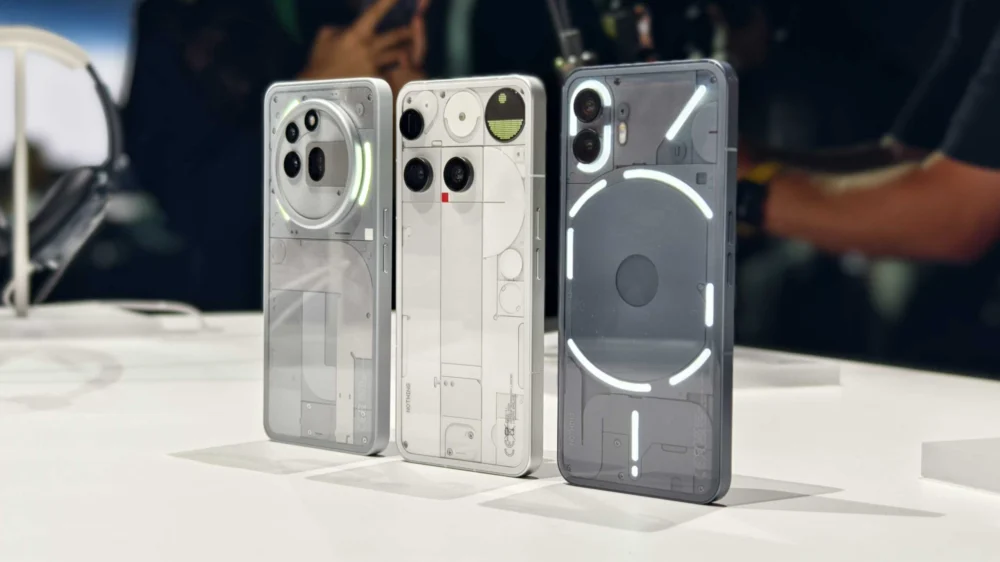
The digital landscape is currently buzzing with the faint but persistent hum of anticipation surrounding Nothing’s next product cycle, specifically the anticipated launch of the Phone (4a) and its more premium sibling, the Phone (4a Pro). In a move characteristic of the brand’s penchant for minimalist yet visually striking marketing, the company has recently deployed a cryptic teaser across its primary social media channels, strongly suggesting a significant departure—or at least an expansion—in the aesthetic palette offered to consumers in this crucial mid-range segment. The posted visual, featuring five distinct color variations represented by the letter "(a)," alongside the succinct caption "soon," acts as both a confirmation of imminent arrival and a vibrant declaration of intent.
This strategic deployment of color is more than mere window dressing; it represents a calculated maneuver in a highly saturated market where design identity often dictates consumer preference, especially within the sub-$600 category. Nothing, under the stewardship of its founder, has always positioned itself as the antidote to the monochromatic homogeneity plaguing the modern smartphone industry. From the transparent Glyph Interface to the stark, industrial design language of its early models, the company has successfully carved out a niche based on distinctiveness. The explicit showcasing of blue, yellow, pink, white, and black options for the 4a series signals an aggressive pursuit of broader demographic appeal while maintaining that core visual differentiation.
Contextualizing the Mid-Range Strategy
To fully appreciate the weight of this color teaser, one must examine Nothing’s broader product roadmap for the current fiscal cycle. The company has explicitly confirmed that the flagship Phone (4) will not see a release this year. This strategic pause on the premium tier shifts the entire weight of 2026 market performance onto the success of the 4a series. Historically, flagship launches drive brand prestige, but mid-range devices—those delivering 80% of the flagship experience for 50% of the cost—drive volume and market penetration. The 4a series, therefore, is not just a supplementary release; it is the primary vehicle for Nothing’s growth objectives this year.
The importance of the mid-range cannot be overstated in the current economic climate. Consumers are increasingly budget-conscious, scrutinizing price-to-performance ratios more rigorously than ever before. Brands that can effectively capture the segment demanding high-end aesthetics and robust performance without the flagship price tag secure long-term loyalty. Nothing’s prior successes in this arena—particularly the early 4a iterations—demonstrate their capability to execute this balance. By emphasizing a wide spectrum of vibrant colors, Nothing is targeting younger demographics and users who view their mobile device as a fashion accessory as much as a communication tool, areas often underserved by competitors who typically restrict color options to predictable black, grey, and occasionally a muted blue or green.
Technical Underpinnings: Leaks Point to Substantial Refinement
While the aesthetics are being highlighted now, the underlying specifications, gleaned from reliable industry leaks, suggest that the colorful exterior houses significant internal upgrades designed to solidify its mid-range dominance. The expected incorporation of the Snapdragon 7s SoC platform is a key indicator of this focus. The 7 series chipsets from Qualcomm are engineered specifically to bridge the gap between budget performance and near-flagship efficiency. This allows for smooth daily operation, respectable gaming capabilities, and crucial power efficiency improvements—all prerequisites for success in this competitive tier.
The reported memory configuration, scaling up to 12GB of RAM paired with 256GB of storage, positions the 4a models well above the typical offerings in this price bracket, which often cap out at 8GB or 128GB. This commitment to higher baseline specifications addresses consumer anxieties about longevity and multitasking headroom, ensuring the devices remain viable for longer software support cycles. Furthermore, the anticipated "modest battery bump" suggests that Nothing is addressing one of the most critical pain points for modern smartphone users: endurance.
The distinction between the standard 4a and the 4a Pro appears to be focused on durability and connectivity enhancements. The rumored upgrade to an IP65 rating for the Pro model is a significant quality-of-life improvement, offering robust resistance against dust ingress and low-pressure water jets—a feature often reserved for true flagships. If this materializes, it directly enhances the perceived value proposition of the Pro variant. Coupled with the potential addition of eSIM support, the 4a Pro is being positioned as a device that sacrifices only the absolute top-tier processing power and camera hardware of the flagship, while retaining key premium features.
Industry Implications: The Power of Aesthetic Differentiation
The aggressive color strategy employed by Nothing has broader implications for the broader smartphone industry, which frequently defaults to iterative, conservative design choices. In a market dominated by glass slabs, true visual innovation is rare. Nothing’s success hinges on its ability to make its hardware instantly recognizable, even without the visible logo.
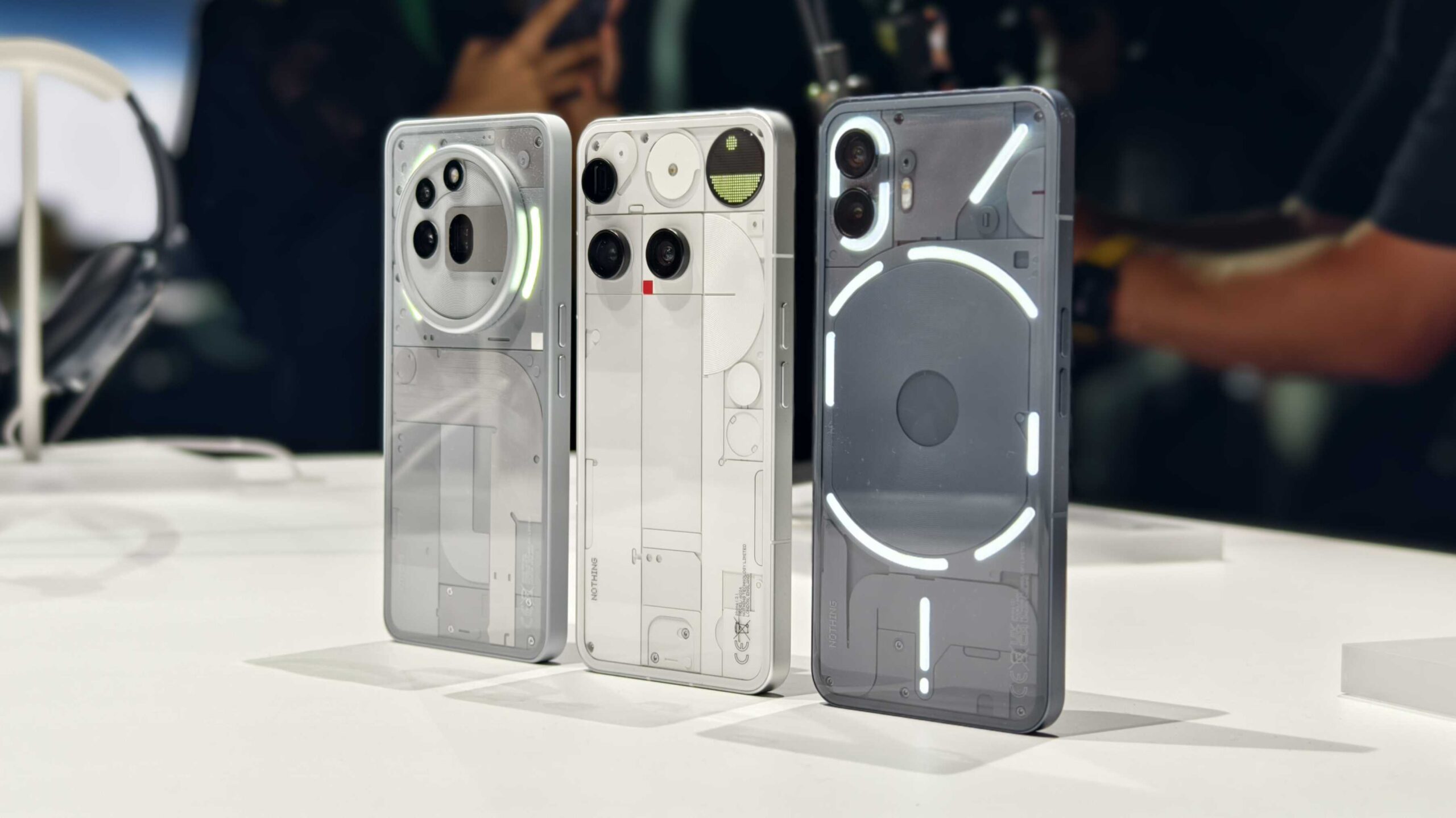
When a brand introduces five distinct, seemingly bold colors like pink and yellow into a mainstream launch, it challenges the established norms set by giants like Samsung and Apple, who often reserve such palettes for special editions or their smallest, least powerful models. For Nothing, these colors are foundational. This strategy leverages what behavioral economists call the "endowment effect"—consumers who choose a specific color often feel a greater sense of ownership and commitment to the product. In the mid-range, where brand loyalty is still being forged, this emotional connection is invaluable.
Moreover, this focus on vibrant options serves as an organic marketing engine. Devices in distinctive colors generate more organic social media shares and visual commentary. A black phone is rarely photographed unless the context is technical review; a bright pink or electric yellow device, especially one featuring Nothing’s signature translucent elements, becomes content by default. This reduces the reliance on expensive traditional advertising, allowing the company to maintain leaner operating costs, which in turn supports their competitive pricing strategy.
Analyzing the Financial Projections and Market Positioning
The rumored pricing—$475 for the Phone (4a) and $540 for the 4a Pro—places these devices squarely in the highly competitive upper-mid-range bracket. This segment demands excellence in display quality, primary camera performance, and sustained performance longevity. While the leaked specifications suggest strong components (Snapdragon 7s, ample RAM), the challenge will be managing component costs to avoid the price inflation currently affecting the wider consumer electronics sector.
The industry has seen a general trend toward increased component costs, particularly for advanced display panels and camera sensors. If Nothing must implement a price hike over previous generations, the vibrant color selection acts as a necessary counterbalance. It offers consumers a tangible, immediate justification for any marginal increase—they are not just paying for slightly better silicon; they are investing in a more expressive design language.
The decision to skip the flagship launch in 2026 underscores a dedication to perfecting the core volume drivers. Building a flagship requires immense R&D investment, often relying on bleeding-edge, expensive components that may not yield immediate returns in volume sales. By focusing resources on the 4a series, Nothing optimizes its supply chain and marketing efforts around a known success area, aiming for scale. This is a mature, pragmatic business decision that prioritizes market share stabilization over speculative high-margin flagship gambles.
Future Impact and Design Trends
The long-term impact of Nothing’s approach, should the 4a series succeed, will be felt in how other manufacturers approach mid-range design. The industry follows successful differentiation. If Nothing proves that a diverse, bold color palette drives conversion in the $450-$600 bracket, expect established players to follow suit, potentially abandoning their conservative color roadmaps.
The concept of the "A-series" phone as a platform for aesthetic experimentation—rather than just a stripped-down version of the flagship—is a trend Nothing is actively pioneering. It suggests a future where the mid-range is not synonymous with compromise in style. Consumers who cannot afford the $1,000+ premium devices will still demand an experience that feels special and personalized.
The visual language teased—the five distinct hues—suggests a comprehensive approach to color theory, moving beyond simple primary colors to include nuanced shades like a soft pink or a deeper, more sophisticated yellow. This level of attention to detail in color matching, ensuring the Glyph interface elements complement the chosen back panel, speaks volumes about the engineering effort dedicated to the non-spec sheet features. Ultimately, the Phone (4a) and 4a Pro are shaping up to be pivotal devices for Nothing, requiring them to deliver on the promise of both distinctive style and dependable performance, ensuring that their "soon" announcement translates into a significant market impact when the devices finally hit the shelves. The vibrant hues are the opening salvo in what promises to be a fiercely fought battle for the mid-range consumer’s wallet and imagination.
