

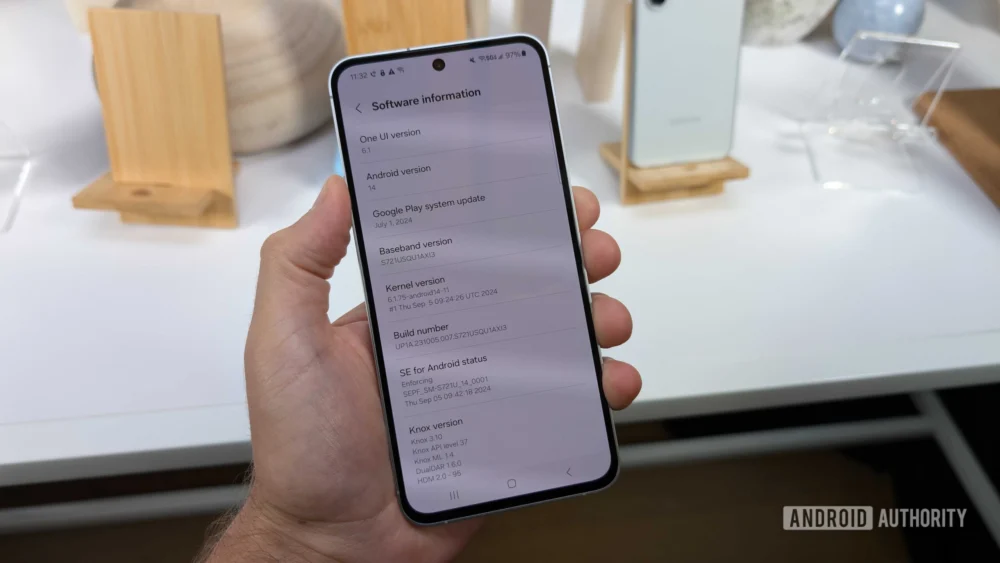
The tenure of a daily driver device offers a unique, often brutally honest, perspective on a product’s long-term viability. Having spent a full year navigating the day-to-day existence with the Samsung Galaxy S24 FE, the initial pragmatic appeal has eroded, replaced by a growing list of structural frustrations. On the surface, the S24 FE remains a proficient, dependable piece of hardware—the kind of competent execution Samsung can achieve almost on autopilot. Yet, this very predictability is the core of the problem. The Galaxy FE line, originally conceived as the "Fan Edition" bridging the gap between mid-range utility and flagship features, is perilously close to dissolving into an undifferentiated mass of recycled specifications, lacking the distinct identity that once defined it and, more critically, failing to deliver what the dedicated user base genuinely values.
As the successor, the anticipated Galaxy S26 FE approaches its launch window later this year, it represents a crucial inflection point for Samsung. This device must either reclaim its specialized niche or risk becoming entirely superfluous in the increasingly crowded competitive landscape of premium mid-range and value-flagship smartphones. Analyzing the performance and feature set of its predecessors reveals several non-negotiable areas requiring significant overhaul if Samsung intends to recapture user enthusiasm and justify the ‘Fan Edition’ moniker.
The Primacy of Endurance: A Fundamental Re-Evaluation of Battery Architecture
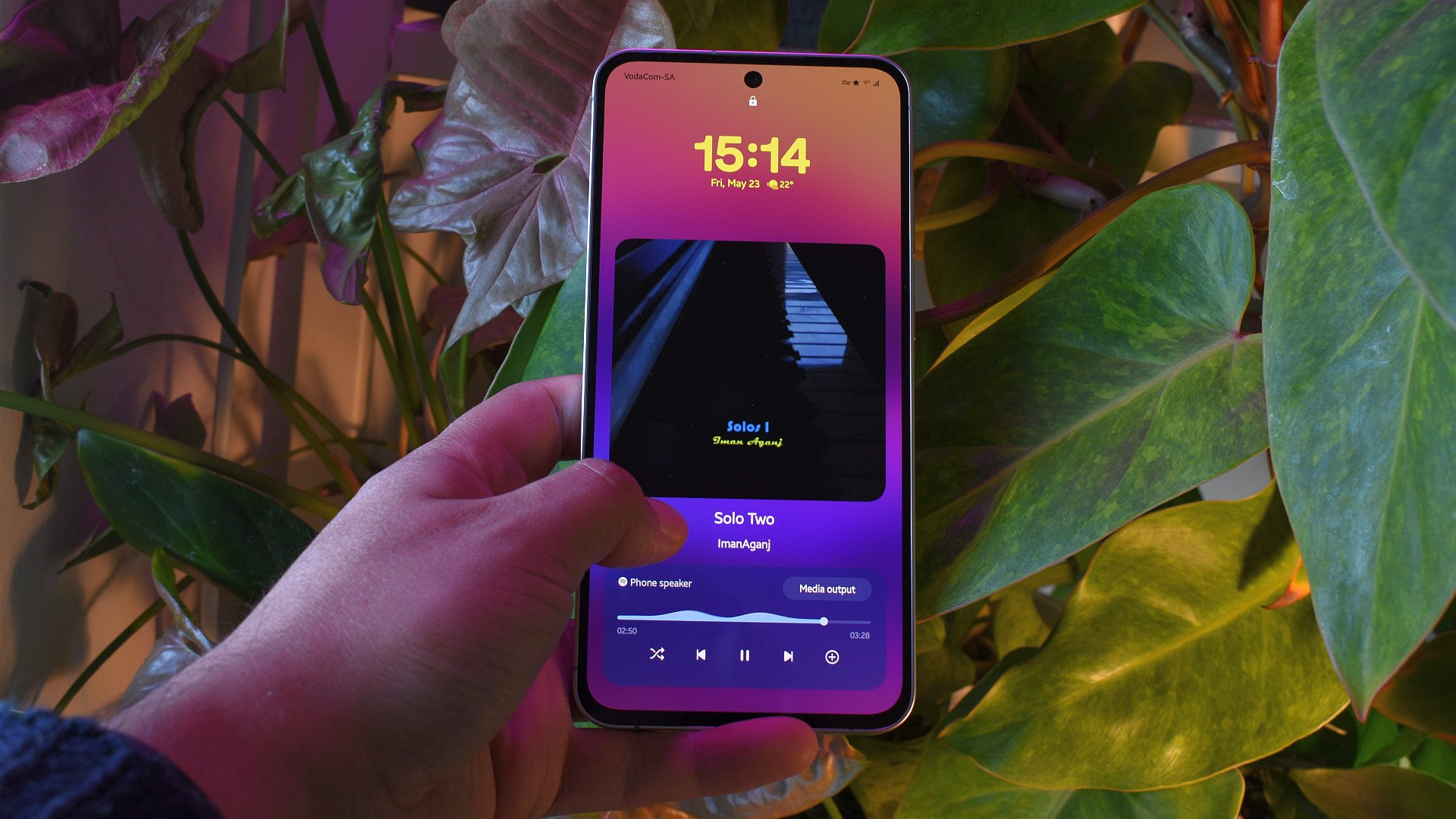
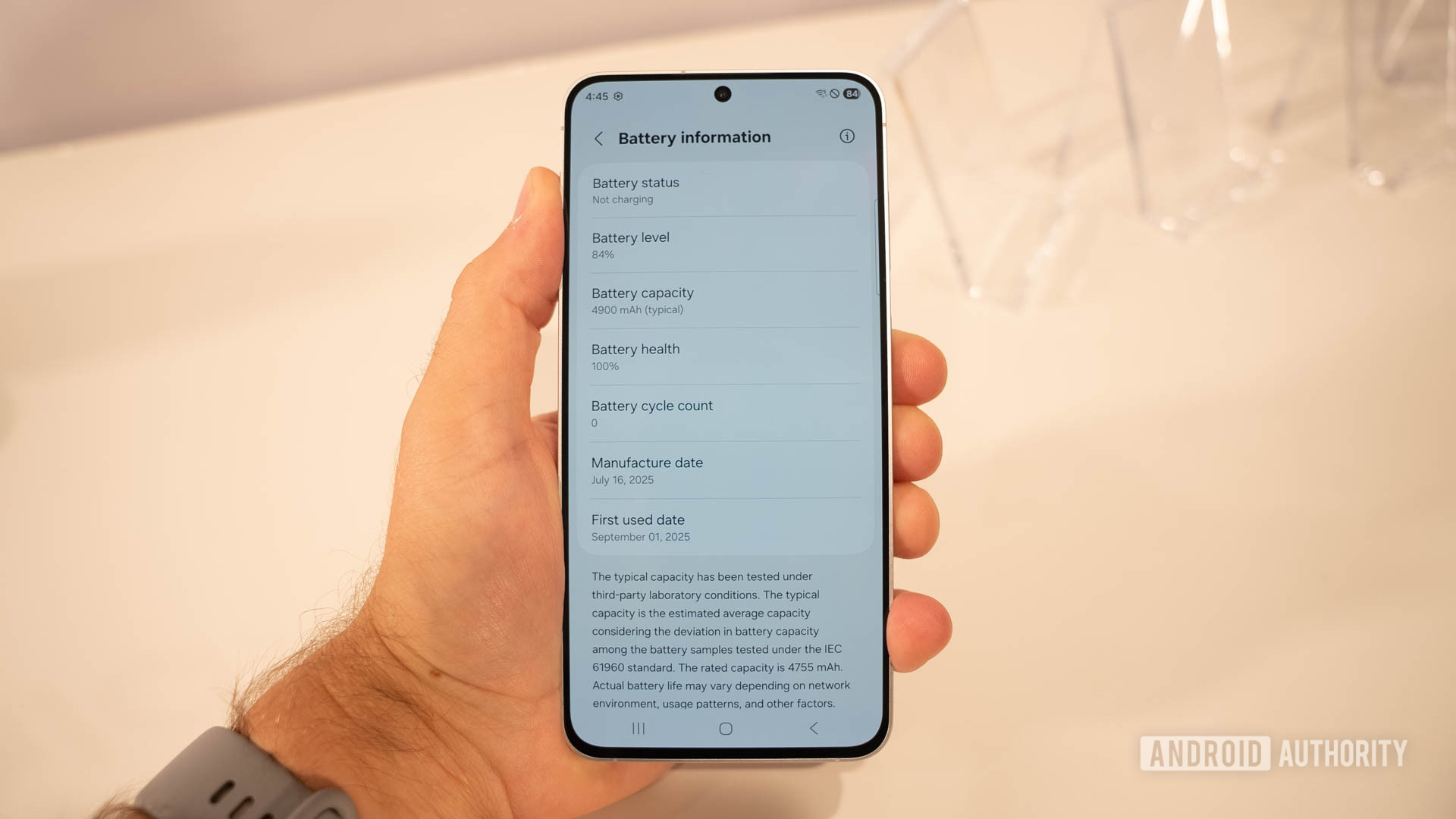
The most significant operational impediment encountered with the Galaxy S24 FE has been its consistently underwhelming battery endurance. Under minimal load, the device barely stretches to the end of a standard day. Any sustained period of demanding usage—navigation, intensive media consumption, or extended camera operation—forces reliance on midday charging, a significant inconvenience for any device positioned as a dependable companion. This performance deficit is starkly highlighted when juxtaposed against older hardware; for instance, a seven-year-old flagship device, even with diminished battery health, often outlasts the newer FE iteration.
While subsequent models, such as the rumored Galaxy S25 FE, may introduce incremental improvements like a slightly larger cell (a mere 4% increase) and faster 45W charging alongside a more efficient display, these represent palliative measures, not transformative solutions. The S26 FE demands a fundamental shift in Samsung’s approach to power management in this segment.
Samsung possesses the technological capability to implement substantially larger battery capacities. It is noteworthy that their entry-level budget offerings, such as the Galaxy A07 5G, frequently integrate 6,000 mAh cells. Given that battery life remains a paramount concern for virtually all consumers, especially those seeking maximum utility from a value-focused S-series device, omitting such a capacity from the Fan Edition line is a strategic oversight. The S26 FE must incorporate a battery capacity approaching or exceeding the 6,000 mAh threshold. This is not merely an upgrade; it is a prerequisite for market relevance in this power-hungry era of mobile computing. Furthermore, optimizing the underlying power delivery and thermal management systems alongside the larger cell will ensure that the efficiency gains translate into tangible, all-day performance, rather than simply being consumed by higher-demand components.
Industry Implications: The Mid-Range Arms Race and Component Hoarding
The current state of the FE series reflects a broader industry trend where manufacturers are increasingly reluctant to port cutting-edge, yet cost-prohibitive, components down to mid-tier lines. This strategy, while protecting the margins of the flagship Ultra devices, often alienates the very segment that fueled the initial excitement for the FE concept—users demanding flagship experiences without the flagship price tag.
For Samsung, the FE line serves as a vital gateway product. If the S26 FE continues to feel like a compromise rather than a thoughtfully curated flagship-lite experience, consumers will migrate to aggressive offerings from brands like Google (with its Pixel A-series) or Chinese manufacturers who are often more aggressive in feature inclusion at lower price points. The industry implication is clear: sustained market dominance requires product differentiation across the entire portfolio, not just at the zenith. A stagnant FE line signals a strategic retreat from the innovation promised by the "Fan Edition" promise.
Re-injecting Soul: The Urgent Need for Design Differentiation
The user experience of the S24 FE has been characterized by a distinct lack of excitement. It functions flawlessly as a communication and processing tool, but its aesthetic identity is muted. It feels like a competent, if anonymous, slab of silicon, glass, and aluminum. This conservative design philosophy fails to honor the legacy of the FE series or the vibrant history of Samsung’s past devices, which often prioritized visual flair alongside performance.
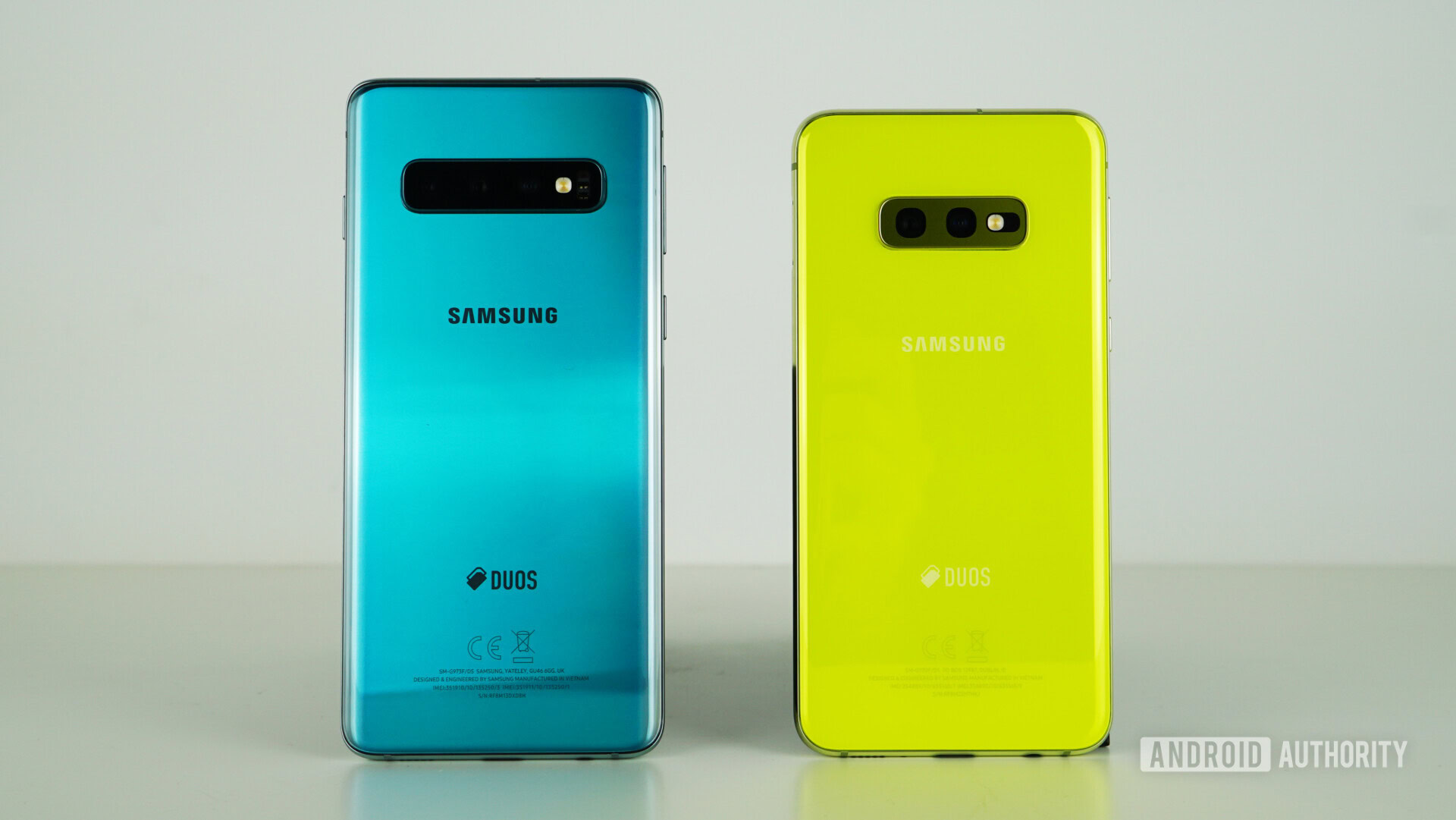
The argument that functionality trumps form is valid for many components, but design language is integral to user attachment. The S26 FE requires a deliberate injection of personality. A practical, yet impactful, solution lies in leveraging Samsung’s rich design archive. Introducing heritage colorways—such as the iridescent Aura Glow reminiscent of the Note 10, the playful Canary Yellow of the S10e, the deep Prism Green of the S10, or even the nostalgic Coral Blue of the ill-fated but visually stunning Note 7—would instantly generate positive consumer sentiment and recall. These aesthetic choices are relatively low-cost to implement in manufacturing relative to core component upgrades but offer disproportionately high returns in terms of emotional connection and brand affinity. A phone that looks exciting is often perceived as performing better.
Display Technology: Addressing Ocular Comfort and Visibility
A critical, yet often overlooked, aspect of daily usability centers on the display quality, particularly under environmental extremes. The S24 FE’s panel presents dual deficiencies: insufficient peak brightness for comfortable outdoor viewing under direct sunlight, and, conversely, an unsettling illegibility and associated eye strain at low-light settings indoors or at night. This persistent visual discomfort contrasts sharply with the premium viewing experience expected from an S-series derivative.
While the S25 FE’s anticipated adoption of an LTPO panel signals a minor step toward dynamic efficiency, the S26 FE must aim significantly higher regarding peak luminance. Achieving true outdoor visibility necessitates hitting brightness levels that compete effectively with ambient light, a feature that should no longer be exclusive to the Ultra tier.
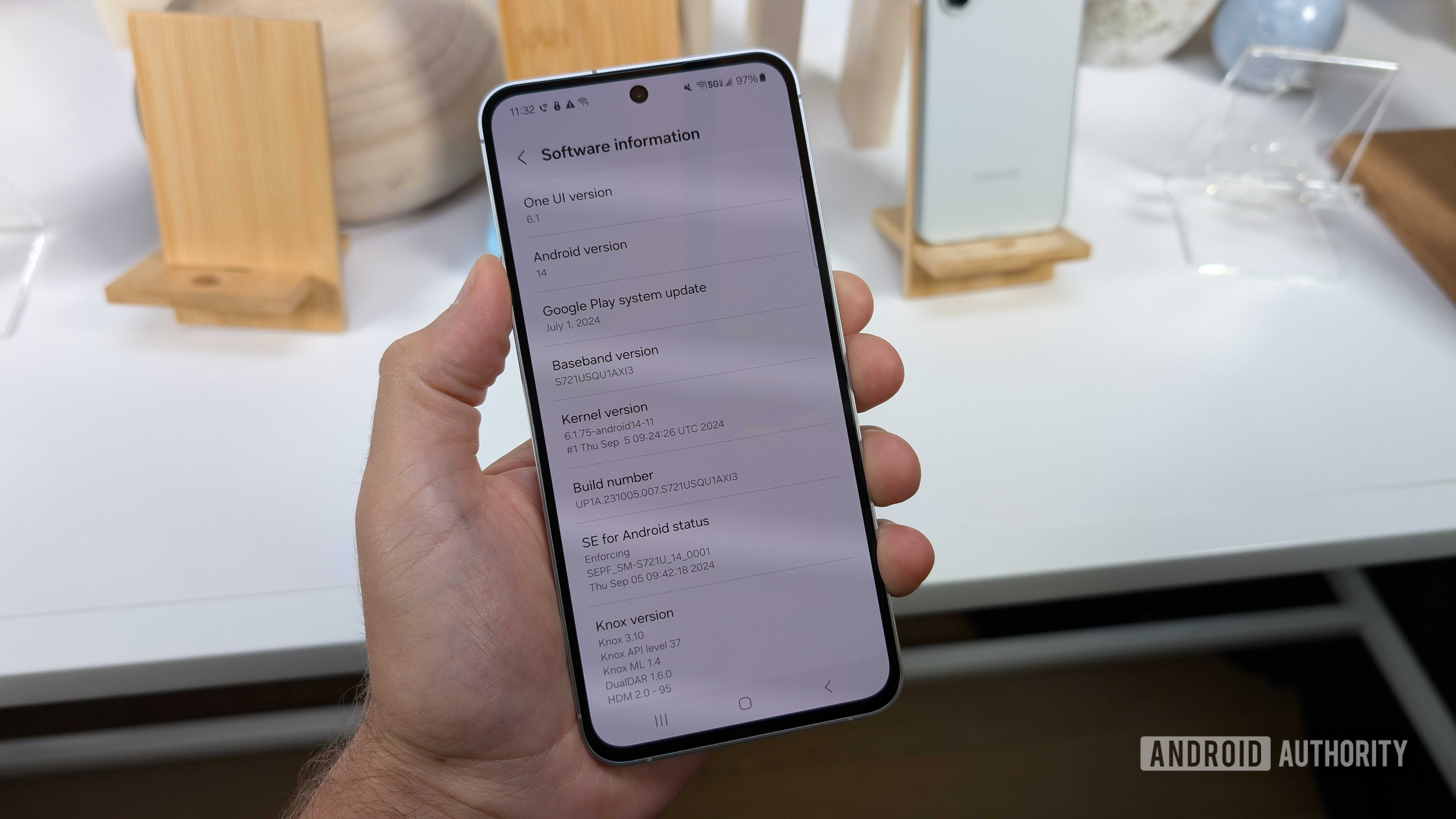
More complex, however, is the pervasive issue of eye strain associated with recent Samsung displays. This phenomenon, which has lingered since the Note 9 era for some users, suggests systemic calibration issues related to Pulse Width Modulation (PWM) or color temperature profiles that are too aggressively tuned. For the S26 FE, Samsung must prioritize display calibration focused on user comfort during extended viewing sessions. If the company cannot integrate entirely new panel technology, a dedicated software and hardware tuning effort to mitigate flicker and optimize eye-comfort modes must become a priority, signaling a genuine commitment to user well-being beyond raw specifications.
Ergonomics and Weight Reduction: Reclaiming Physical Comfort
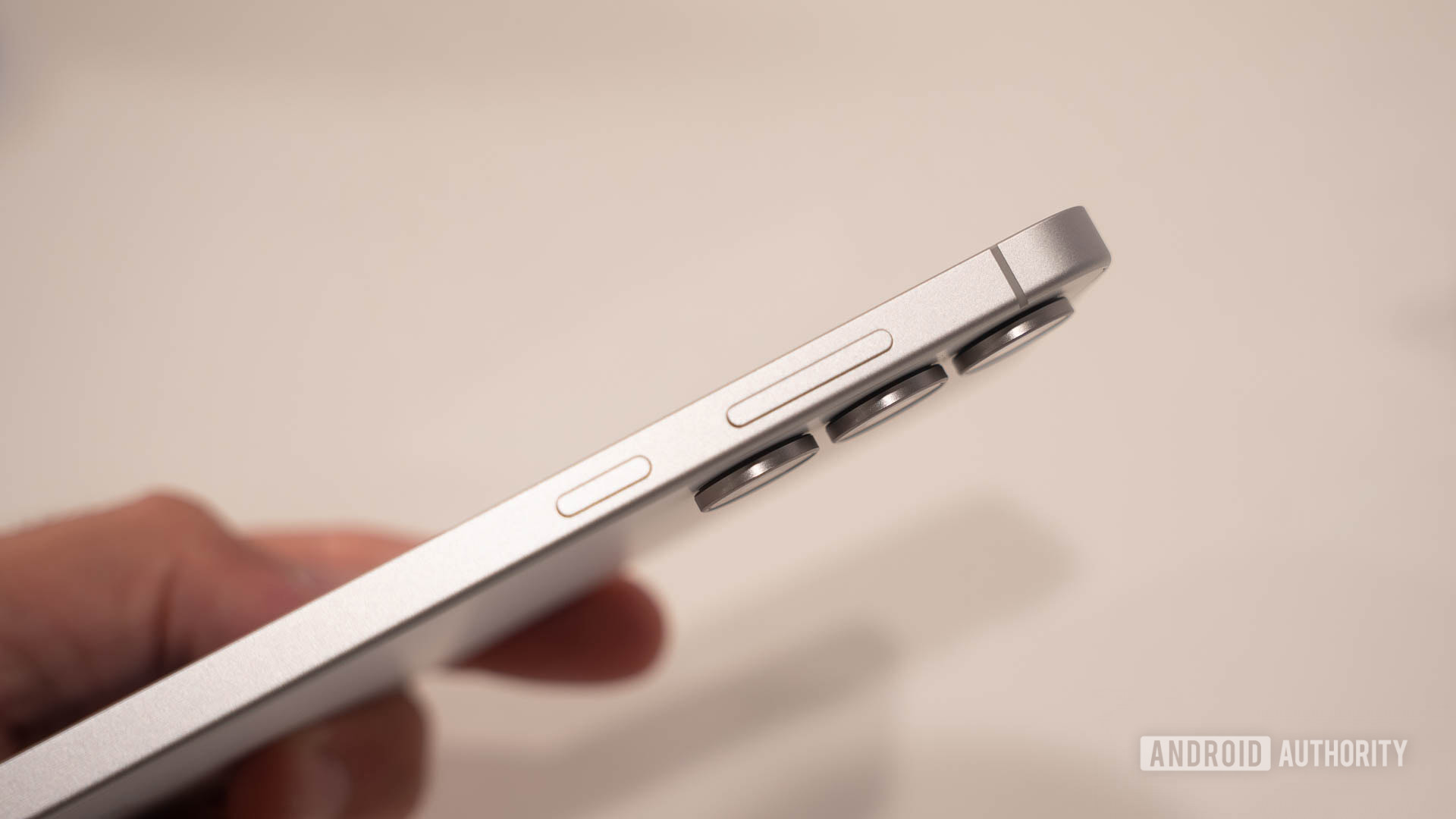
The physical handling characteristics of a smartphone are paramount to user satisfaction. At 213 grams, the Galaxy S24 FE carries a substantial weight relative to the materials and internal components it utilizes. While the subsequent S25 FE iteration reportedly trims this down by 23 grams, this reduction might be negated if the necessary upgrades—like a larger battery or enhanced cooling solutions—are implemented.
The S26 FE must aggressively pursue slimness and lightness. If achieving superior battery life necessitates a physically larger cell, Samsung must offset this by continuing the reduction trend in other areas. This might involve a strategic, high-quality return to advanced polycarbonate materials for the frame or back panel, rather than defaulting to heavier glass or aluminum assemblies used in the main series. An ergonomic, lighter device—even if it means accepting a slightly less "premium" material feel—will invariably lead to higher user satisfaction than a slightly heavier phone that offers marginally better specs. Comfort must be engineered into the core design brief, not treated as an afterthought.
Future Impact: Camera Evolution Beyond Repetition
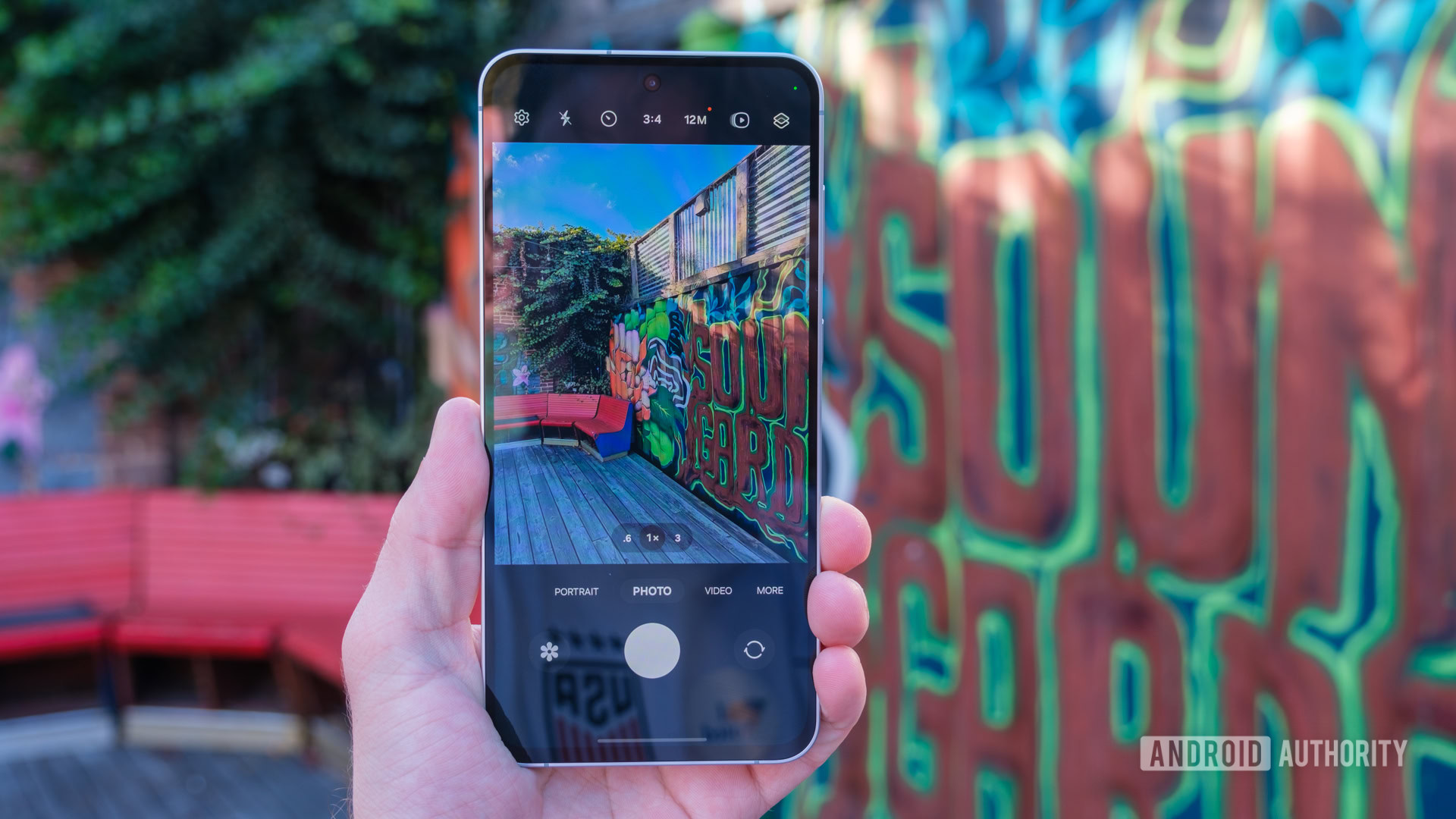
The stagnation of the camera hardware in the FE line has become a recurring narrative. For three successive generations, the camera module has remained virtually identical, resulting in images that are merely adequate—sufficient for transactional tasks like scanning documents, but profoundly uninspiring for capturing significant personal memories. This iterative complacency undermines the value proposition.
As external pressures mount, evidenced by the rising cost of internal components like RAM and NAND flash memory, 2026 presents an ideal opportunity for Samsung to introduce meaningful camera innovation into the S26 FE. This does not necessitate transplanting the flagship periscope telephoto lenses, but it does demand progression. Introducing newer generation sensors, perhaps inheriting the primary sensor technology from the previous year’s standard Galaxy S model, would represent tangible forward momentum. Improved computational photography pipelines, leveraging the next-generation chipset, could also elevate image quality significantly without requiring massive hardware expenditure. A commitment to camera advancement is essential to break the perception that the FE line is merely a dumping ground for previous-generation components.
The Essential Bonus: Reintroducing Expandable Storage
Finally, the most vocal, nostalgic desire from the core user base remains the inclusion of a physical microSD card slot. While this feature has been systematically purged from Samsung’s premium offerings, the rising cost of storage globally makes its reintroduction to the FE line not just a "nice-to-have," but a necessary differentiator.
The base configuration of the S24 FE, offering 128GB with a significantly reduced usable capacity (around 104GB), is already straining under modern application and media requirements. Without a viable expansion path, users are rapidly funneled toward higher-cost, higher-tier storage configurations, or they face the constant anxiety of impending storage saturation. Given that the base storage capacity is unlikely to see substantial growth in the S26 FE due to component pricing dynamics, implementing a microSD slot offers an immediate, consumer-friendly solution. It is a low-overhead feature that speaks directly to the "Fan Edition" mandate—giving users what they explicitly request. This single inclusion could provide the S26 FE with a significant competitive edge against rivals who strictly adhere to non-expandable storage models, instantly recouping goodwill lost through component recycling.
The Galaxy S26 FE is poised to be another technically competent smartphone. However, competence is no longer enough to command attention in the premium mid-range market. Samsung must move beyond automated execution and implement strategic, user-centric upgrades focused on power, design vitality, visual comfort, ergonomics, and storage flexibility. Only through these tangible shifts can the Fan Edition truly live up to its name and secure its relevance for the next generation of Samsung enthusiasts.
