


Samsung Electronics commands the apex of the global Android smartphone market, a position solidified through relentless volume and broad ecosystem penetration. Yet, a persistent critique shadows its flagship Galaxy S series: a perceived reluctance to embrace truly seismic year-over-year hardware leaps, particularly when juxtaposed against aggressive innovation cycles seen from competitors in the East. For the discerning technophile, the pattern is stark: while the latest iterations, such as the hypothetical Galaxy S25 lineup, might feature crucial processor refreshes, core specifications like battery charging capabilities and primary camera modules often remain stagnant, mirroring hardware deployed several generations prior (e.g., matching S22-era specs). This pattern forces consumers and industry analysts to question the motivations behind Samsung’s incrementalism, especially when rivals like Xiaomi, OPPO, vivo, and OnePlus frequently debut cutting-edge components. Unpacking this phenomenon requires a deep dive into Samsung’s unique position as both a component manufacturer and a massive-scale consumer electronics assembler.
The Weight of Volume: Scaling New Technology
Samsung’s status as the world’s largest smartphone shipper imposes a unique set of logistical and engineering constraints that fundamentally dictate its upgrade cadence. Introducing a revolutionary component—say, a next-generation sensor array or a novel battery chemistry—is not merely a design choice; it’s a colossal supply chain commitment.
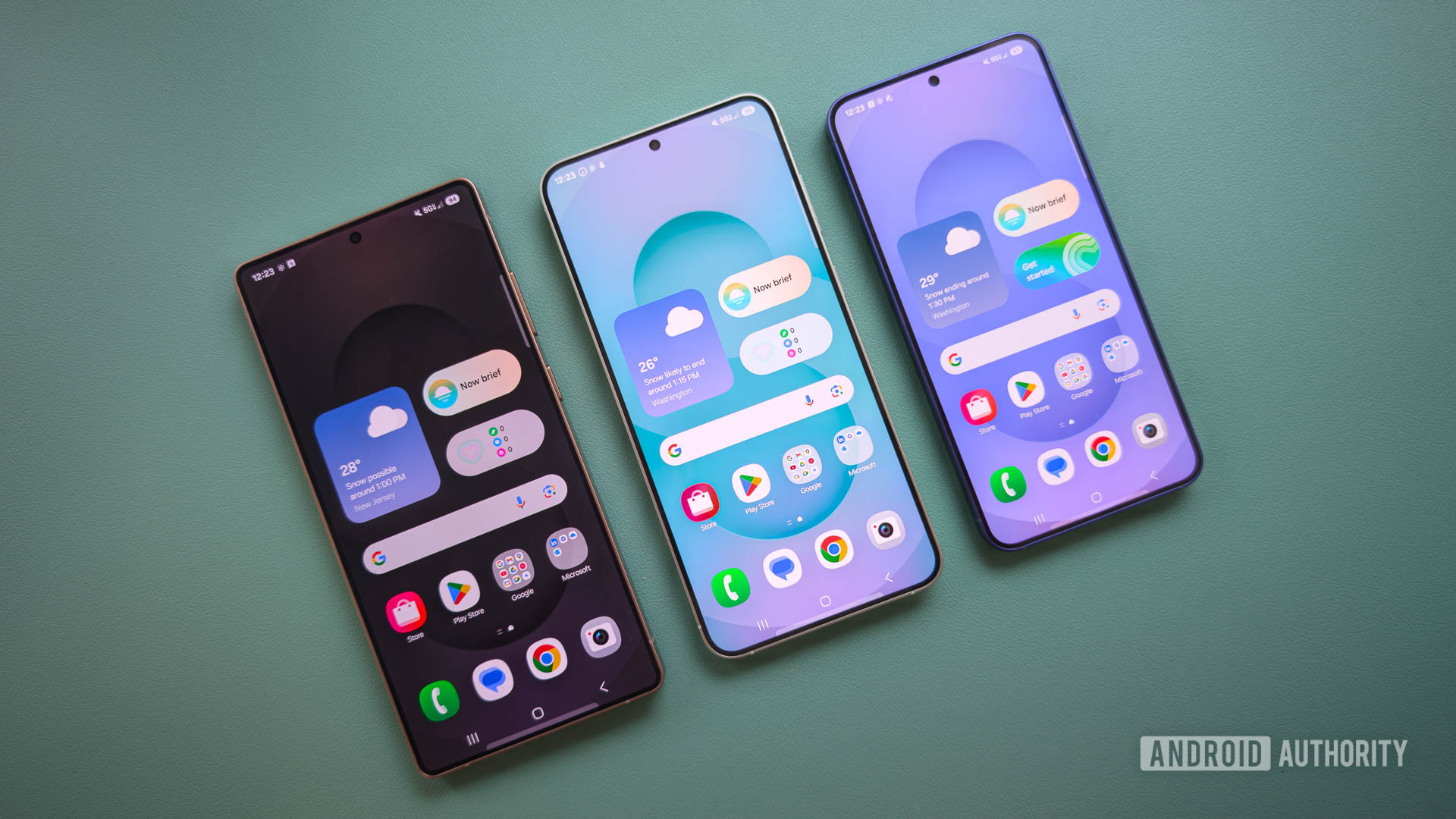
For a component to be integrated into millions of devices annually, the supply chain must demonstrate rock-solid capacity, yield stability, and cost-effectiveness at scale. Cutting-edge, first-generation technology, while theoretically superior, often struggles to meet these stringent metrics initially. Suppliers might only be able to produce these novel parts in limited batches, making them suitable for niche, high-margin releases or smaller competitors who operate at lower volume targets. Samsung, however, needs billions of components.
This necessity pushes the South Korean giant toward adopting proven, high-yield technologies. The reluctance to integrate unproven, albeit exciting, hardware—such as complex variable telephoto lens systems or the enormous one-inch type camera sensors gaining traction elsewhere—stems from a risk-averse posture concerning mass production. A flaw in a cutting-edge component, if discovered post-launch across tens of millions of units, results in catastrophic recall costs and irreparable brand damage. Therefore, Samsung often waits until a technology matures, stabilizes its manufacturing process, and achieves necessary economies of scale, effectively meaning they adopt components a year or two after they initially hit the market via smaller players. This strategy prioritizes reliability and supply assurance over being the first mover in hardware specifications.
The Spectre of Note 7: A Permanent Scar on Battery Strategy
Perhaps no factor influences Samsung’s hardware conservatism more profoundly than the legacy of the Galaxy Note 7 debacle in 2016. The catastrophic failure involving battery fires was not just a product recall; it was a near-fatal blow to corporate credibility, resulting in airline bans and intense regulatory scrutiny.
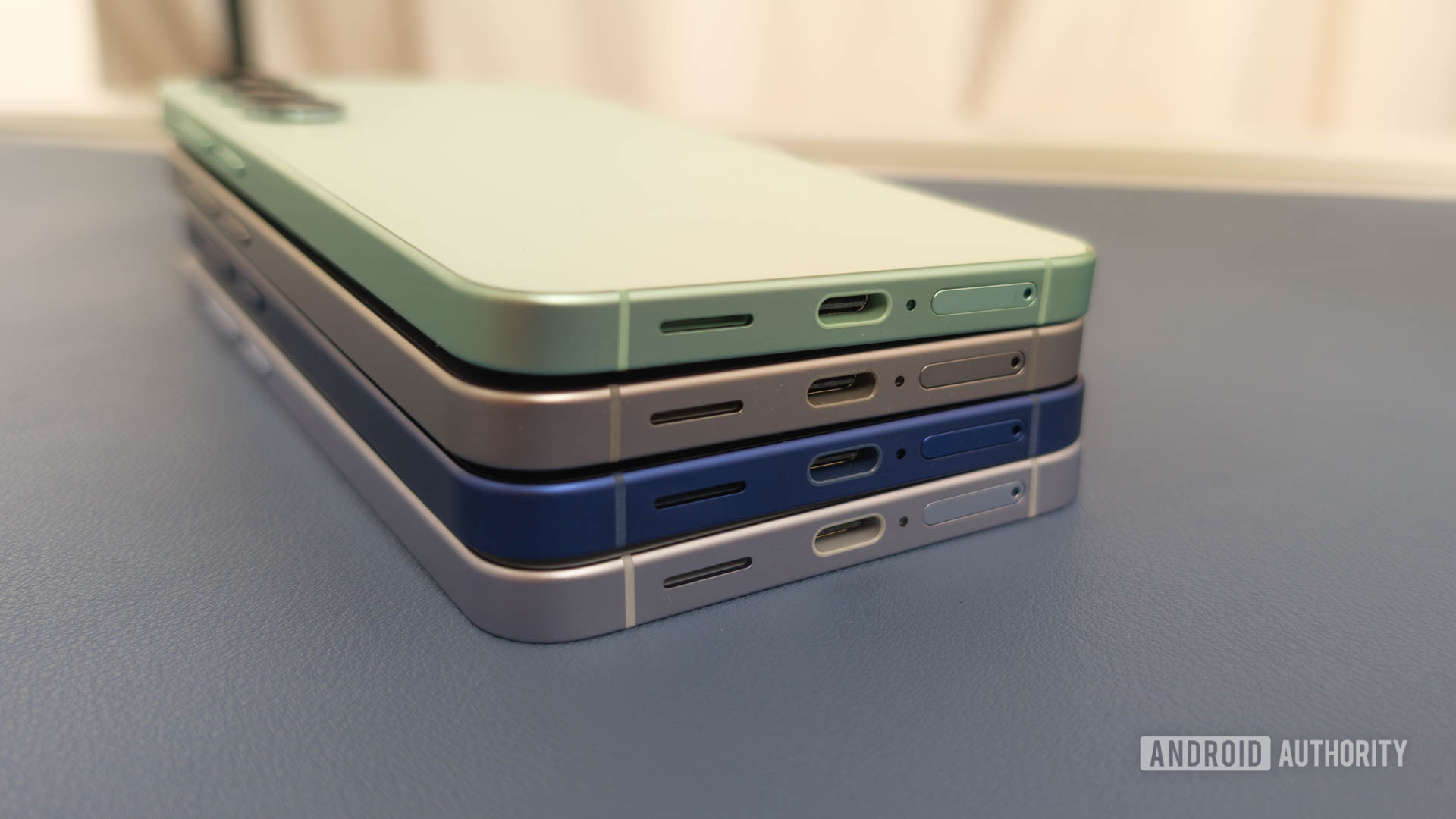
This event has indelibly marked Samsung’s approach to battery technology. While competitors have rapidly adopted advanced energy storage solutions, most notably silicon-carbon batteries that offer higher energy density for equivalent physical size (allowing for batteries exceeding 7,000mAh in some Chinese flagships), Samsung remains tethered to iterations of traditional lithium-ion chemistry. Their approach is characterized by conservatism: maintaining established battery capacities across generations. The persistence of a 5,000mAh cell in the Ultra line, unchanged for several cycles since the S21 Ultra, exemplifies this caution. Similarly, the base models see only marginal capacity bumps (e.g., S22 3,700mAh to S25 4,000mAh).
The industry implication here is a direct trade-off between headline capacity numbers and proven safety. While silicon-carbon technology promises greater longevity in charge cycles and higher instantaneous power delivery, early implementations have shown quicker degradation rates compared to the meticulously vetted, albeit slower-charging, lithium-ion cells Samsung favors. For Samsung, ensuring battery longevity and absolute thermal stability across billions of device-years of service outweighs the marketing benefit of a significantly higher mAh figure that might compromise long-term reliability or introduce safety risks. This conservative stance in power management directly impacts the achievable charging speeds, often lagging behind the rapid 80W, 100W, or even 120W solutions prevalent in competitor devices.
Profitability and Product Tier Segmentation
The modern electronics industry is a ruthless exercise in margin management, and Samsung is acutely aware of its fiduciary responsibilities to shareholders. Introducing the most advanced components into every tier of a flagship lineup—the base, the Plus, and the Ultra—is prohibitively expensive and threatens the carefully constructed pricing ladder.
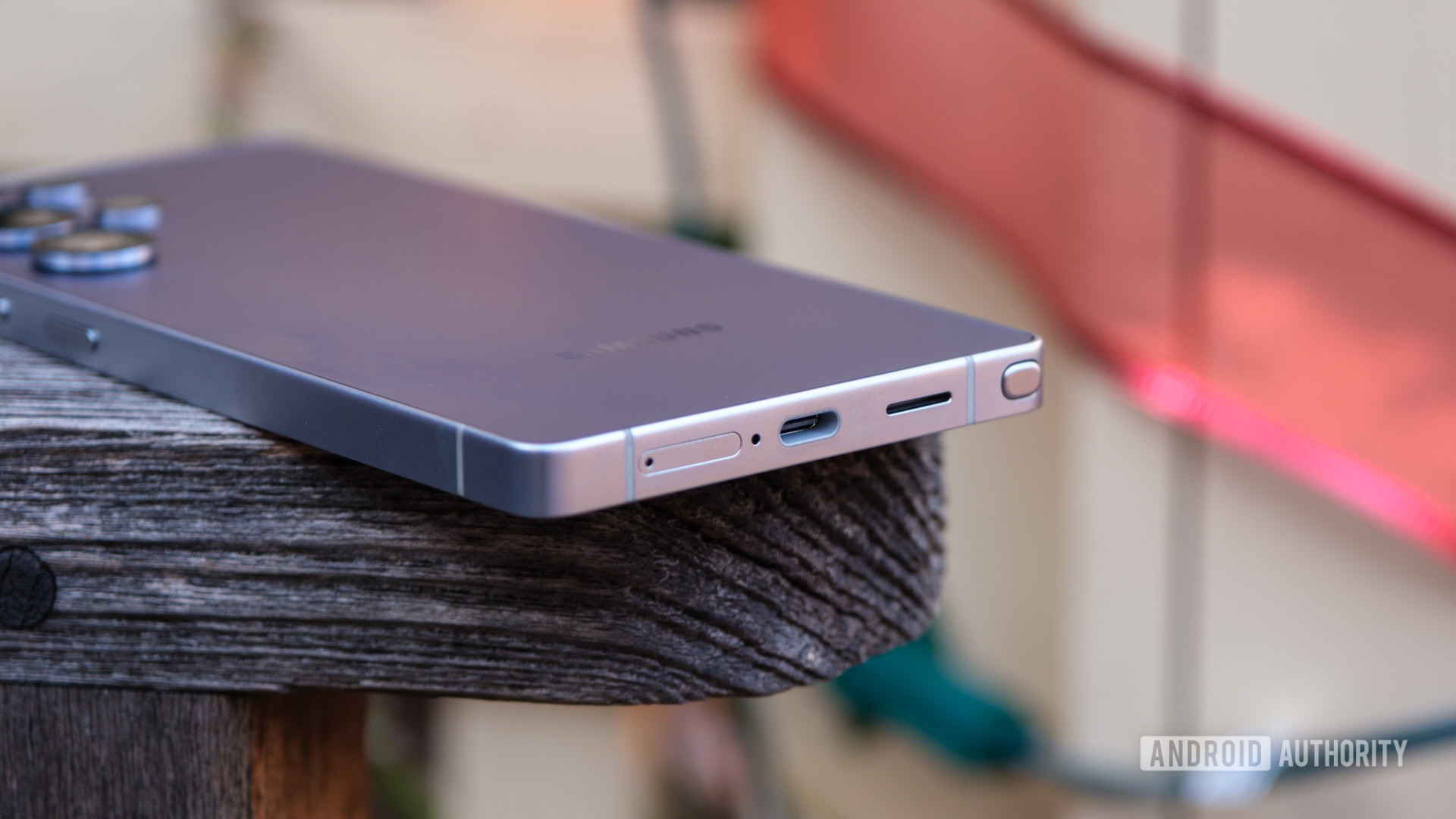
The core economic rationale dictates that the flagship experience must be stratified. Features that command a premium, such as advanced optical zoom capabilities (e.g., dual periscope systems), superior display protection (like the rumored Gorilla Armor), or faster charging rates (45W vs. 25W), are intentionally reserved for the Ultra variant. This strategy forces consumers who demand the absolute best specifications—the early adopters and tech enthusiasts—to migrate to the highest-priced SKU.
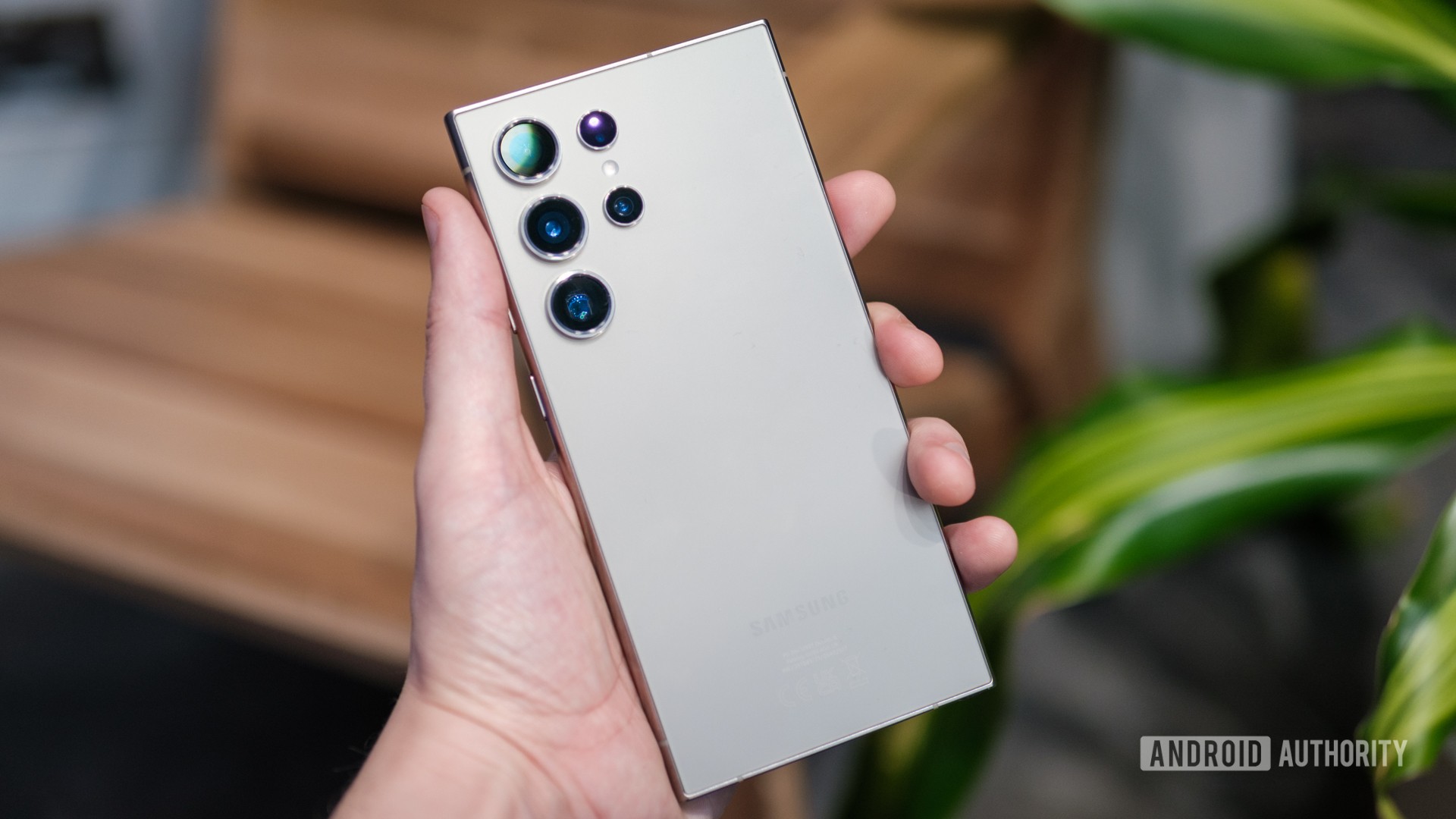
For the standard Galaxy S25, retaining older, cost-effective components like a 10MP 3x optical zoom module, while the competition offers 50MP periscope sensors on their standard flagships, is a clear cost-saving measure that protects the margin on the entry-level flagship. Furthermore, the exclusion of premium features on mid-range (A-series) devices—such as optical zoom lenses—serves as a necessary upsell mechanism to push consumers toward the S series entirely. While this segmentation is standard industry practice, critics argue Samsung pushes the envelope on feature segmentation, creating capability gaps (like the disparity in charging speeds or display technology) that feel less like differentiation and more like intentional omission to boost Ultra sales. Analysis suggests that the mandate for robust profitability, overseen by leadership figures, prioritizes predictable revenue streams over aggressive hardware innovation across the entire product portfolio.
The Erosion of External Competitive Pressure
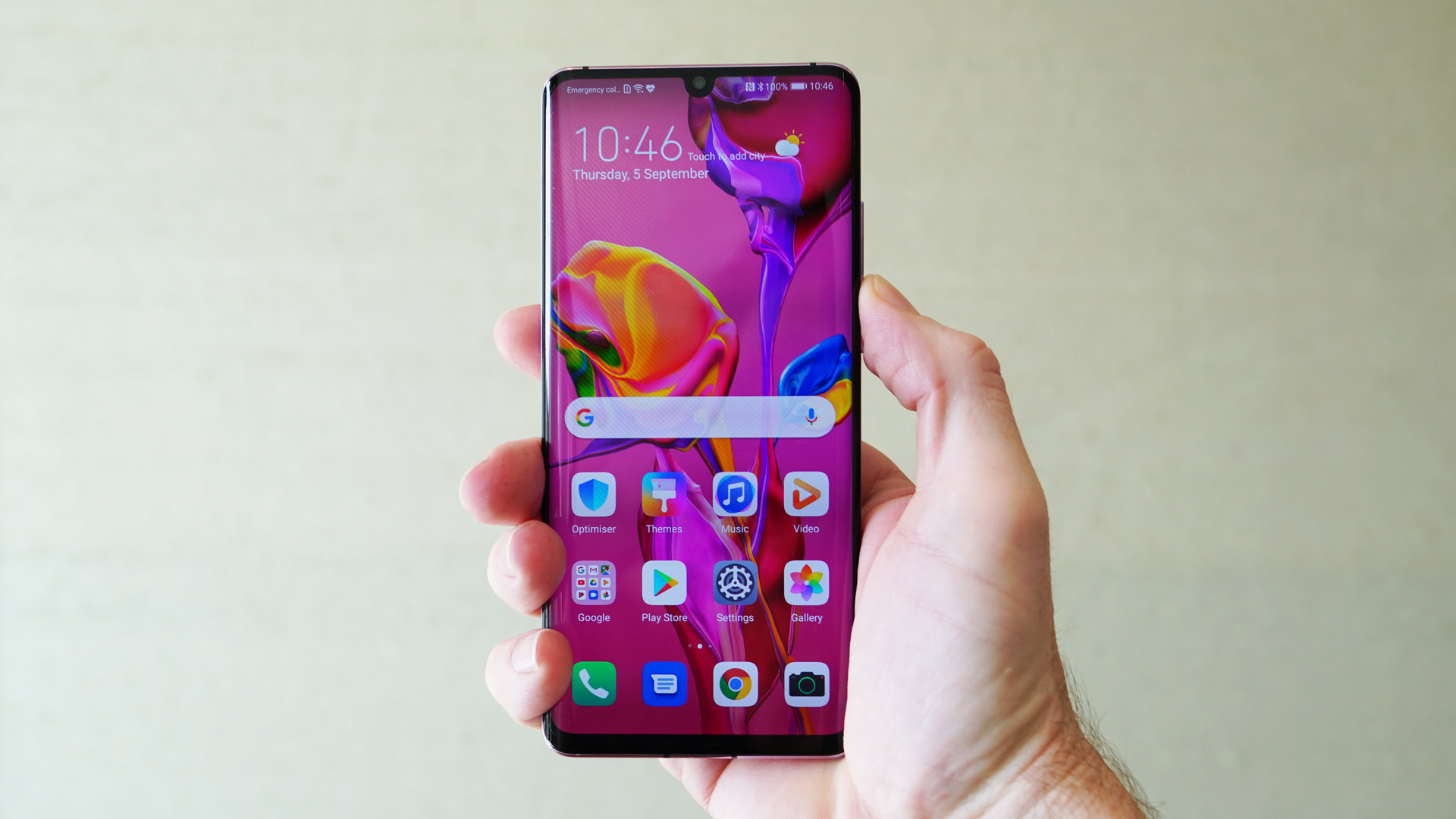
A less quantifiable, yet highly significant, factor influencing Samsung’s current pace is the shifting geopolitical landscape of competition, particularly within its most lucrative Western markets. The decline of Huawei, largely due to U.S. trade restrictions, removed what many industry observers consider Samsung’s most formidable direct competitor in innovation during the late 2010s.
Prior to 2020, Huawei’s rapid advancements—pioneering periscope zoom technology and significant strides in in-house AI chip development with its Kirin processors—acted as a powerful external motivator for Samsung. This competitive friction compelled Samsung to accelerate its own integration of similar features into the S series to maintain parity and dominance, especially in markets like Europe and Asia.
In the contemporary US market, the competitive environment for premium Android devices is notably thin. Carrier partnerships remain Samsung’s primary distribution channel, and the alternatives are often constrained. OnePlus, while producing capable hardware, often bypasses traditional carrier support for its highest-spec models. Motorola focuses more on mid-range dominance, and TCL does not field consistent, top-tier flagship entries. Without a clear, carrier-backed, high-specification Android rival matching the S series month-for-month, the immediate pressure to introduce radical, costly hardware upgrades diminishes. Samsung can rely on its established brand loyalty, software support (now industry-leading in longevity), and ecosystem lock-in, knowing that many consumers lack an equally convenient, powerful alternative on their carrier plan. This reduction in direct, high-stakes Android rivalry allows for a more measured, financially conservative release cycle.
Internal Obligations and the Vertical Integration Dilemma
Samsung is not merely an assembler; it is a sprawling conglomerate that designs and manufactures critical components: displays (Samsung Display), memory (Samsung Semiconductor), and increasingly, system-on-chips (Samsung Foundry). This extensive vertical integration presents an internal mandate that often supersedes the pursuit of the absolute best external component available.
There is an implicit, if not explicit, obligation to utilize internally developed parts to support the massive investment in these semiconductor and display divisions. While Samsung’s AMOLED displays remain best-in-class, this reliance may prevent the adoption of alternative panel technologies, such as those offered by BOE, which might be cheaper or offer different performance characteristics.
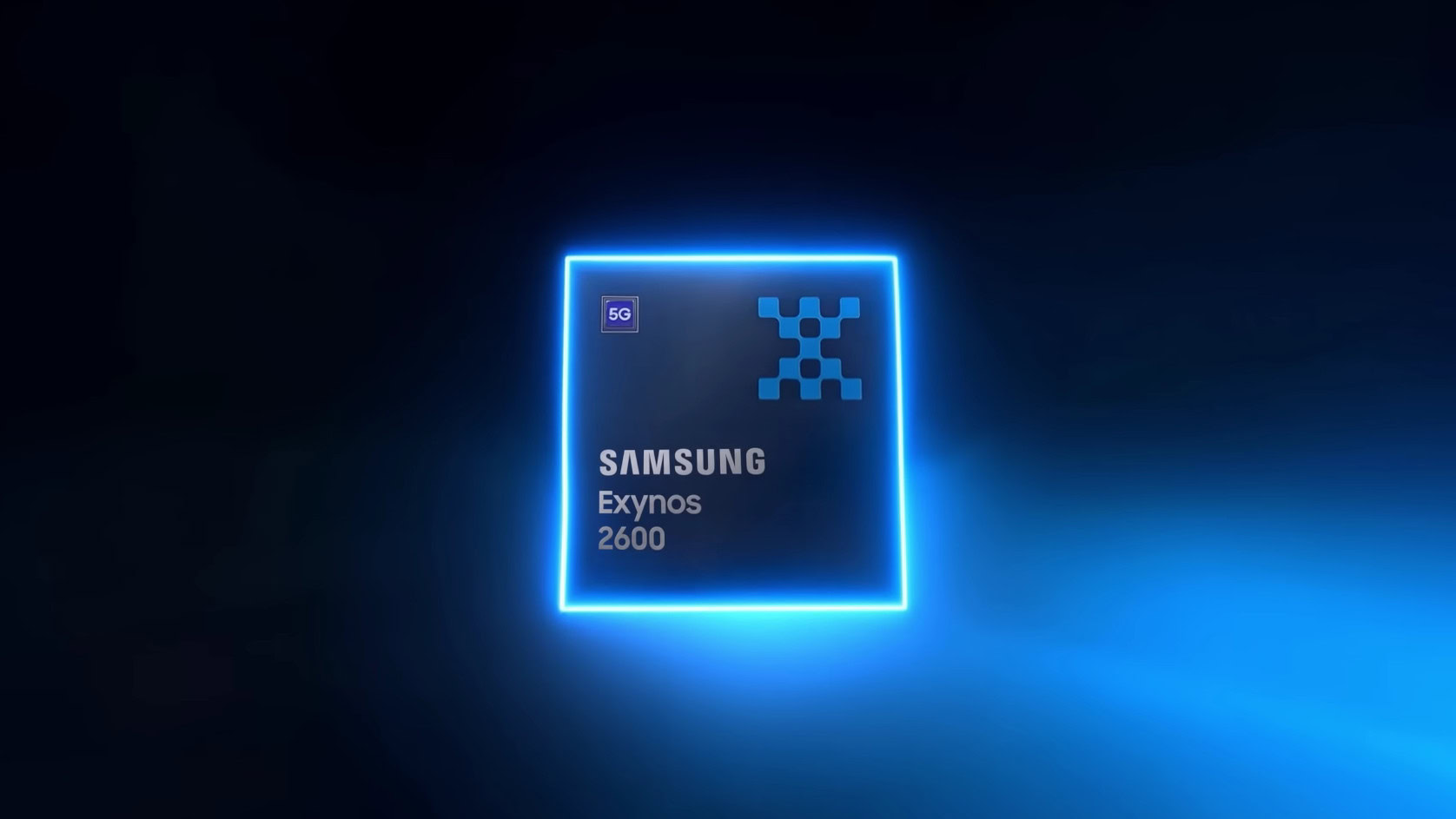
The processor situation is more contentious. Samsung’s Exynos line, fabricated via its Samsung Foundry division, is consistently pitted against Qualcomm’s Snapdragon chips, often fabricated by TSMC. Industry benchmarks frequently show that, while Exynos chips provide powerful performance, they often lag behind their Snapdragon counterparts in sustained efficiency, thermal management, and sometimes raw GPU power. Furthermore, the decision to release Exynos variants in regions like EMEA while reserving the superior Snapdragon chip for North America and select other territories directly impacts user experience in those markets. This internal dependency—where Samsung Foundry benefits from the guaranteed volume of the Exynos chips—can result in performance compromises that a fully external sourcing strategy might avoid. The commitment to keep its own fabrication facilities utilized can, ironically, lead to a suboptimal product for the end-user compared to using the industry’s current manufacturing benchmark, TSMC. The stagnation in camera hardware, sticking to mature ISOCELL sensors rather than leveraging breakthroughs from Sony or even internally developed next-gen sensors across all tiers, suggests a similar balancing act between internal component maturity and external innovation.
Future Trajectories: Can Complacency Last?
The current strategy—leveraging software longevity, ecosystem strength, and brand inertia while making only necessary annual hardware tweaks—is demonstrably successful in terms of unit sales. The Galaxy S24 and S25 series have clearly resonated with the broader consumer base who prioritize reliability and familiarity over bleeding-edge specs. Audience sentiment, however, signals a growing impatience. A significant majority of surveyed dedicated users perceive the flagship line as resting too heavily on its laurels, waiting for competitors to absorb the initial R&D risk associated with new technologies.
This situation creates a fascinating strategic vulnerability. While Samsung dominates the current structure, the technology industry is characterized by disruptive shifts. If a singular, highly innovative competitor—perhaps Google with its Tensor platform finally achieving peak efficiency, or a resurgent Chinese giant that overcomes geopolitical hurdles—manages to bundle genuinely revolutionary features (e.g., true solid-state batteries or computational photography leaps that render current zoom lenses obsolete) into a cohesive, accessible package, Samsung’s incrementalist approach could rapidly translate into market share erosion.
The future trajectory for Samsung likely involves a calculated re-introduction of significant leaps, but on their own terms, likely only when the cost curve of the new technology aligns with their profit models, or when competitive pressure becomes too acute to ignore. Expect incremental improvements in display efficiency and AI processing to continue absorbing most of the R&D budget, while fundamental hardware elements like battery capacity and core camera sensors will likely only see revolutionary change when the perceived risk of adoption falls below the perceived risk of stagnation. The paradox remains: the world’s largest phone maker is constrained by the very scale that makes it dominant, forcing a slow, cautious crawl where others might sprint.
