


The modern landscape of leisure time is defined by fragmentation. For many dedicated readers, the transition from childhood enthusiasm—fueled by pizza parties and library incentives—to adult responsibility often results in a gradual erosion of reading habits. Time becomes a scarce commodity, and the omnipresent smartphone, with its siren call of notifications, endless feeds, and algorithmic stimulation, invariably assumes the role of default entertainment. This personal narrative, however, is not isolated; a discernible trend, evidenced across enthusiast communities like Reddit’s r/Kindle, suggests that dedicated e-readers, epitomized by the Amazon Kindle ecosystem, are serving as powerful behavioral anchors, actively driving increased consumption of literature by displacing less productive digital engagement.
The Historical Context: Attention Scarcity and the Rise of Distraction
To understand the current impact of the e-reader, one must appreciate the preceding decade’s shift in media consumption. The proliferation of powerful, internet-connected smartphones fundamentally altered the cognitive architecture of downtime. Reading a physical book requires a singular focus; it is an inherently "slow" activity. In contrast, the smartphone is designed for rapid context switching, rewarding users with intermittent bursts of dopamine via social media updates, breaking news alerts, or short-form video content. For adults navigating demanding professional and personal lives, the path of least resistance often leads to the highly accessible, albeit mentally taxing, alternative. Reading consequently became a scheduled activity, reserved for rare, dedicated blocks of time, rather than a spontaneous, pervasive habit.
This dynamic creates a feedback loop: less reading leads to reduced reading fluency and engagement, making the initial barrier to starting a book higher, while the smartphone ecosystem grows more sophisticated at capturing and monetizing attention. The narrative emerging from user testimonials is that the Kindle—and by extension, dedicated e-readers—solves this problem not by making reading faster, but by making it the path of least resistance again.
The E-Reader as a Cognitive Default Switch
The core argument supporting the e-reader resurgence centers on cognitive substitution. When the device brought to bed, or placed next to a favorite armchair, is a distraction-free reading tool, the immediate, habitual choice for momentary leisure shifts away from the smartphone. This behavioral modification is profound. As observed in the aforementioned online discussions, users report significant increases in reading volume simply by removing the smartphone as the primary evening companion.
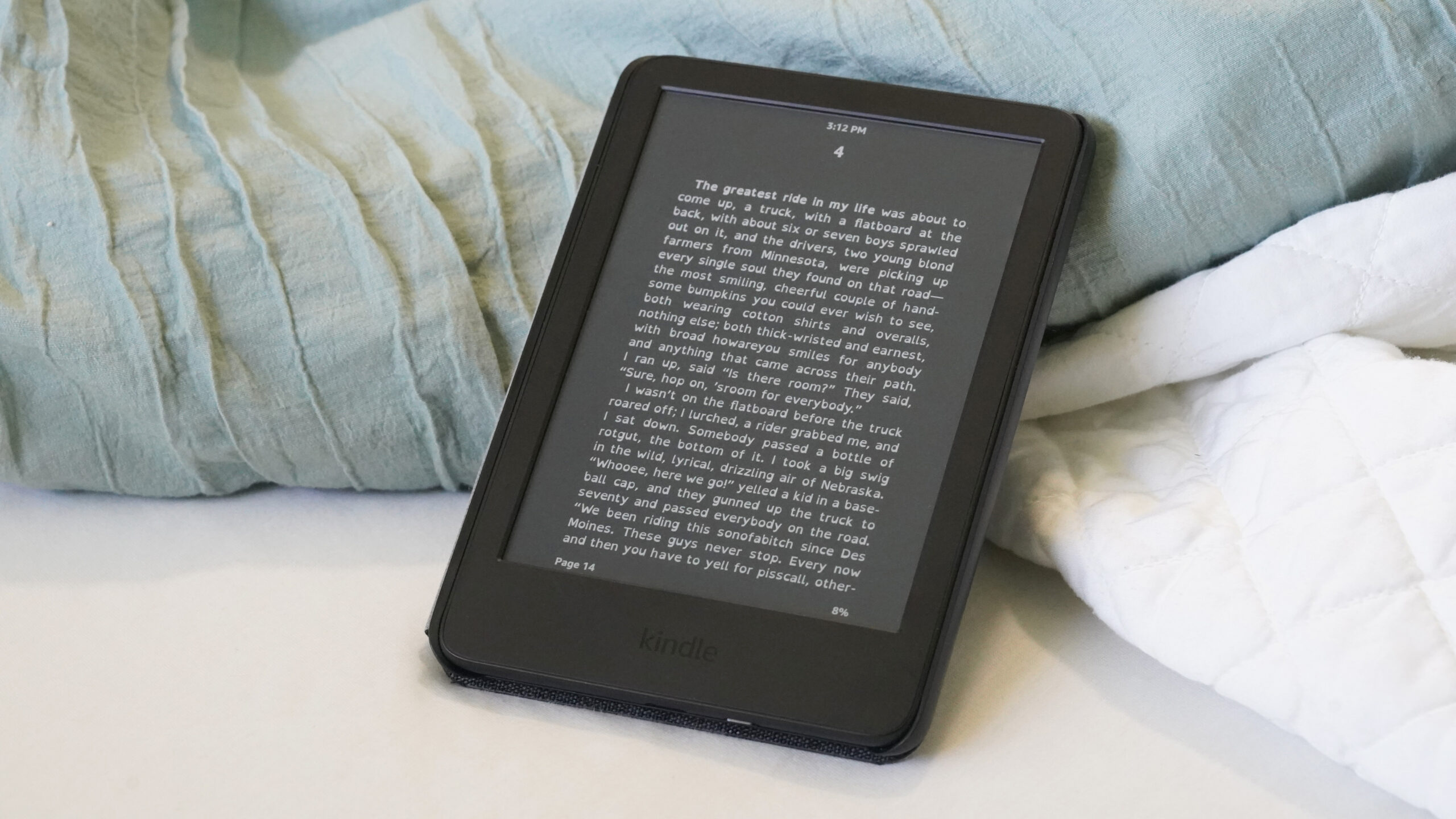
One user’s commitment—moving the charging station for the smartphone out of the bedroom entirely—is a tangible example of engineering environmental cues to favor the desired habit. By forcing the engagement with high-distraction technology (the phone) into less comfortable zones (like standing under the refrigerator light), the friction required to choose the Kindle increases, while the friction for reading decreases. This is a practical application of behavioral economics: reducing the "cost" of the desired action.
This phenomenon moves beyond simple convenience; it addresses the inherent design conflict between general-purpose computing devices and focused tasks. E-ink technology, a crucial component, provides the critical environmental simulation of paper, minimizing the blue light exposure and screen fatigue associated with LCD/OLED displays. This physiological difference allows for sustained reading sessions, particularly before sleep, without the deleterious effects that often derail digital readers.
Industry Implications: The Attention Economy vs. Focused Consumption
From an industry perspective, the sustained popularity of dedicated e-readers presents an interesting counter-narrative to the prevailing attention economy model. Amazon, Apple, and Google thrive on maximizing screen time on their primary devices. The Kindle, however, is an intentionally constrained device. Its limited functionality—primarily focused on text display, note-taking, and dictionary lookup—creates a "walled garden" optimized for absorption, not interruption.
This specialization proves valuable in a saturated digital market. E-readers carve out a necessary niche by offering a premium lack of features. Analysts tracking digital media consumption note a growing consumer fatigue with "always-on" interfaces. The Kindle offers a sanctuary from the cognitive load associated with managing constant connectivity. For publishers and authors, this translates into a dedicated, highly engaged readership that is less prone to multi-tasking during consumption, potentially leading to deeper comprehension and increased satisfaction with the product (the book).
Furthermore, the integration of services like Whisper Sync, which seamlessly transfers reading progress between the physical Kindle device and mobile applications, mitigates the "portability" argument often leveled against physical books. A reader can transition from their dedicated device during the evening to a phone app while waiting in a queue, ensuring that micro-moments of free time are immediately converted into reading time, rather than being consumed by checking email or social media.
Expert Analysis: E-Ink, Habit Stacking, and Cognitive Load
The effectiveness of the e-reader in boosting reading metrics can be analyzed through established psychological frameworks.
1. Habit Stacking and Implementation Intentions: The strategy of pairing a desired action (reading) with an existing routine (going to bed) is classic habit stacking. By physically replacing the phone with the Kindle in the bedside routine, users create a strong environmental cue. The intention is formalized: "When I get into bed, I will open my Kindle," a powerful implementation intention that bypasses decision fatigue.
2. Cognitive Load Reduction: Traditional smartphones impose a high cognitive load. Even when viewing a static webpage, the underlying operating system is ready to serve notifications, access myriad apps, or prompt for immediate action. E-readers, conversely, are low-load environments. The e-ink display requires less active processing from the visual cortex, and the lack of distracting software architecture means the brain can dedicate almost all its processing power to narrative comprehension. This efficiency allows readers to consume more content in the same physical time frame.
3. The Role of E-book Accessibility (Libby Integration): The seamless integration with public library systems (like Libby) is an underappreciated driver of increased volume. Physical book borrowing involves travel, checkout lines, and return deadlines, adding friction. Digital lending is instantaneous. For readers prioritizing quantity or genre sampling, the ability to acquire new titles in seconds—without financial commitment for every impulse—lowers the barrier to entry for trying new authors, thus increasing overall engagement.
Future Impact and Technological Trajectories
The trend suggests that the value proposition of the e-reader lies not in replacing physical books entirely, but in serving as the superior tool for consistent, accessible reading in a digitally saturated world. Looking forward, several technological trajectories will likely reinforce this trend:
A. Advanced E-Ink Technology: Future iterations will likely improve refresh rates and introduce more nuanced color e-ink displays (like Kaleido or ACeP), making graphic novels and technical manuals more viable on these platforms, thereby expanding the genre applicability of the dedicated device. Furthermore, advancements in front lighting, focusing on customizable amber tones, will continue to enhance nocturnal reading comfort, further solidifying the "bedtime default" habit.
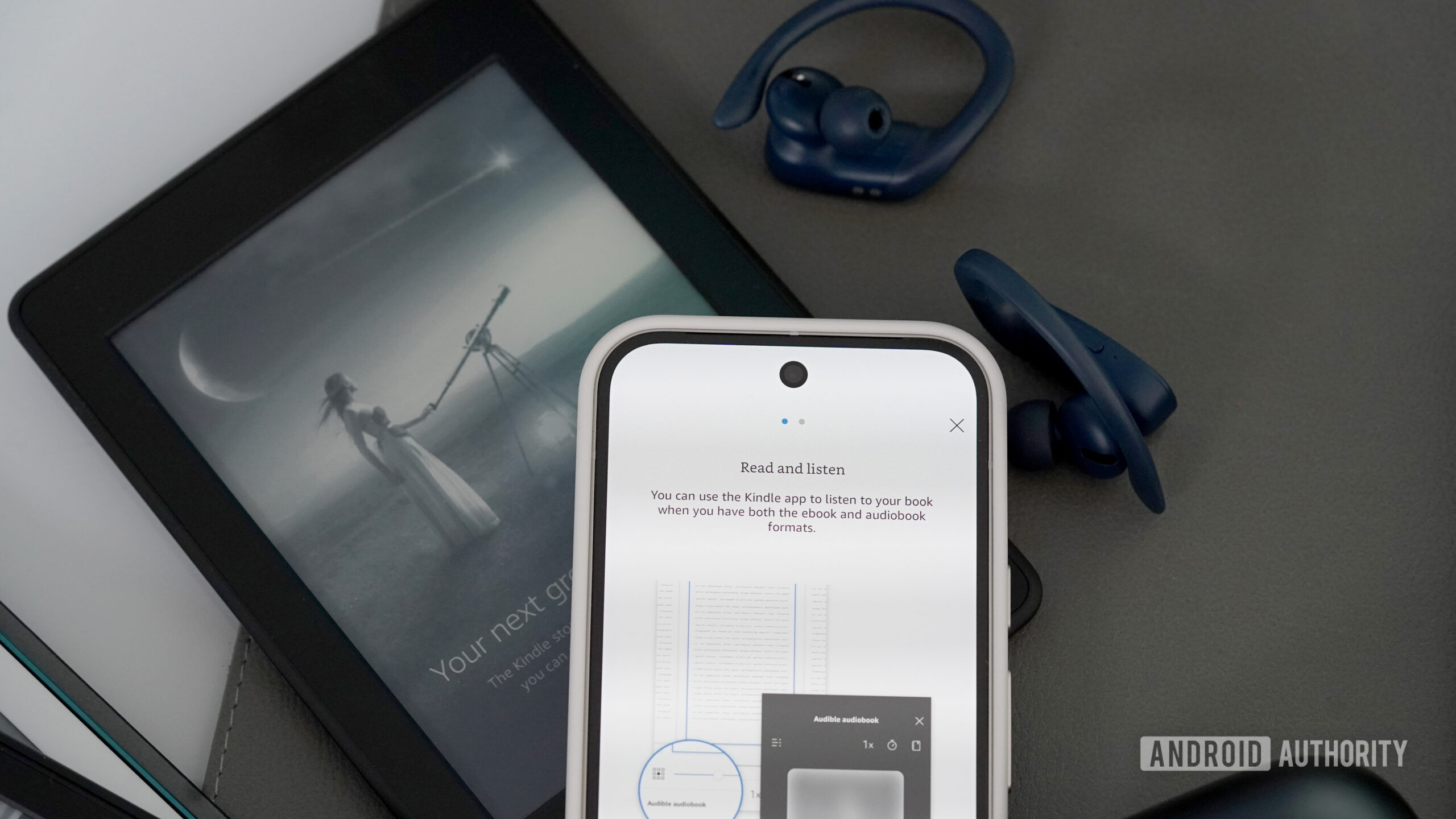
B. Deeper Integration with Productivity Tools: While Kindles currently sync with Audible, future iterations could see deeper integration with personal knowledge management (PKM) systems. If users could easily export highlights and notes into tools like Notion or Obsidian, the act of reading transitions from mere consumption to active learning and synthesis, adding tangible productivity value to leisure time.
C. Ecosystem Differentiation: As general tablets become faster and more capable, the dedicated e-reader must double down on its core strength: singular focus. Manufacturers will continue to refine battery life (measured in weeks, not hours) and physical design (lighter weights, better ergonomics) to make the device so frictionless for reading that it remains the automatic choice over a tablet, which inherently invites distraction from games, email, or video apps.
The current enthusiasm seen in online forums is a microcosm of a broader cultural pushback against pervasive digital distraction. The Kindle’s success isn’t a failure of the smartphone; it’s a testament to the human desire for focused, deep engagement, and the realization that sometimes, the best technology is the one that does one thing exceptionally well, and nothing else. For many, reclaiming reading time is less about finding extra hours in the day and more about strategically deploying their existing minutes toward meaningful engagement, a strategy where the dedicated e-reader proves an unexpectedly powerful ally.
