

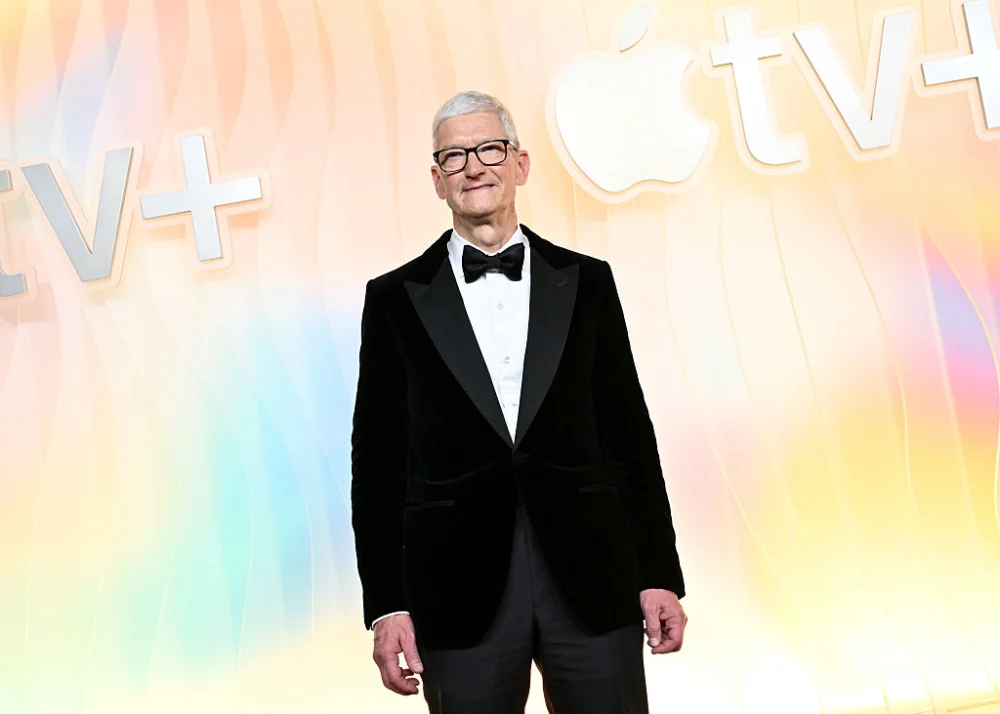
The convergence of global spectacle and hyper-concentrated capital is rarely as starkly defined as when the Super Bowl lands in the heart of Silicon Valley. This Sunday, as the New England Patriots and the Seattle Seahawks clash at Levi’s Stadium, the stands will not merely be populated by football enthusiasts; they will serve as an exclusive, high-stakes viewing box for the architects of the modern digital economy. The anticipated attendance roster reads like a definitive index of tech power, featuring executives such as Apple CEO Tim Cook—who has become a regular fixture at the event, especially since Apple Music cemented its sponsorship of the halftime performance several years prior—and YouTube chief Neal Mohan. The presence of these figures underscores a significant cultural shift: the National Football League’s championship game, historically a monument to traditional American athleticism and mass media, is now fully embraced, and perhaps even symbolically dominated, by the titans of technology.
This appropriation of elite sporting events by the tech aristocracy often invites pointed commentary regarding the sociology of wealth and status acquisition. Longtime venture capitalist Venky Ganesan, a managing director at Menlo Ventures, provided a particularly trenchant observation, articulating the underlying dynamic driving this expensive pilgrimage. Speaking on the nature of the Bay Area Super Bowl, Ganesan characterized the scene as “tech billionaires who got picked last in gym class paying $50,000 to pretend they’re friends with the guys who got picked first.” He immediately acknowledged his own position within this cultural framework, adding, “And for the record, I, too, was picked last in gym class.”
This widely circulated quote transcends simple self-deprecating humor; it serves as a powerful, albeit cynical, analysis of the current state of elite power dynamics. It suggests that the immense, often abstract wealth generated in the tech sector—derived from intellectual property, code, and network effects rather than traditional physical industry—is now actively seeking validation and integration within established cultural hierarchies. The Super Bowl ticket, particularly at the $50,000 VIP access level, becomes less about the game itself and more about purchasing proximity to a perceived pinnacle of mainstream American cultural achievement and physical prowess, a status symbol that intellectual achievement alone often fails to deliver in the popular imagination.
The Economics of Elite Access
The cost structure of attending this particular Super Bowl reflects the intense demand fueled by the surrounding wealth ecosystem. Data indicated that the average ticket price was approaching $7,000, placing the event firmly out of reach for most casual sports fans. Even last-minute seats available on secondary markets like StubHub were holding firm around the $3,600 mark. The distribution model of Super Bowl tickets further restricts public access, with only a quarter of all available seats allocated to the general public through lotteries or sales. The vast majority are reserved for NFL teams, league partners, sponsors, and corporate hospitality packages—precisely the channels through which Silicon Valley corporations secure blocks of premium seating for their executives, investors, and key clients.
The demographic breakdown of ticket purchasers also highlights the event’s regional significance, particularly for the competing teams. Despite the New England Patriots boasting a dynastic history with six Super Bowl titles, all secured during the Tom Brady era, the largest single group of ticket buyers—a notable 27%—originated from Washington State, reflecting the fierce loyalty and travel commitment of the Seahawks fan base, which had secured only one franchise Super Bowl victory previously. This influx of high-net-worth fans from the Seattle region, itself a burgeoning tech hub home to giants like Amazon and Microsoft, only amplified the concentration of West Coast technology wealth descending upon the Bay Area for the weekend. The ticket pricing, therefore, acts as a self-selecting mechanism, ensuring that the audience is overwhelmingly drawn from the highest economic strata, effectively making the event a private gathering of the nation’s economic elite, regardless of which team they support.
The AI Commercial Arms Race
Beyond the stands, the Super Bowl broadcast itself has transformed into the most expensive annual battleground for defining corporate identity and technological leadership. This year, the commercial breaks are serving as the arena for a high-stakes, publicly visible war among the leading players in artificial intelligence. Major entities including Google, OpenAI, Anthropic, Amazon, and Meta are reportedly deploying massive marketing budgets to air competing advertisements focused on proving the superiority and customer utility of their respective AI frameworks.
The decision by these foundational AI companies to invest tens of millions of dollars in Super Bowl advertising spots is profoundly strategic. AI, by its nature, remains an abstract and often intimidating concept for the general public. The Super Bowl offers an unparalleled platform—a cultural touchstone reaching nearly 100 million viewers simultaneously—to simplify, humanize, and normalize complex technology. For companies like OpenAI and Anthropic, which have recently crossed into multi-billion dollar valuations based largely on future promise, the commercial slots represent critical branding exercises necessary to transition from specialized enterprise vendors to household names. They are seeking to establish consumer trust and familiarity, ensuring that when the next wave of AI-driven consumer products arrives, their brand is the recognized leader.
The presence of Amazon’s Andy Jassy, whose time is often split between Seattle (the company’s historical base) and Santa Monica, alongside CEOs from Google, Meta, and others, all of whom typically reside within an hour’s drive of Levi’s Stadium, underscores the local nature of this global technological rivalry. The Super Bowl, in this context, functions as an elaborate, televised boardroom meeting where the CEOs subtly signal their strategic priorities and resource commitment to the most critical technological shift of the decade.
Venture Capital and the Validation of Generative AI
The integration of technology and the Super Bowl narrative is further illuminated by the specific financial maneuvers taking place concurrently within the venture capital landscape. The case of Menlo Ventures and its investment thesis around Anthropic provides a perfect illustration of how public spectacle, private finance, and strategic positioning intersect.
Venky Ganesan’s firm, Menlo Ventures, has demonstrated an exceptional commitment to the generative AI sector, exemplified by its "all-in" approach to Anthropic, one of the leading contenders in large language model development alongside OpenAI. This commitment was formalized in summer 2024 with the establishment of a dedicated $100 million fund, structured in collaboration with Anthropic, specifically designed to invest in synergistic AI startups building on Anthropic’s foundational models. This model—where a major VC firm collaborates with a high-flying portfolio company to cultivate an ecosystem around it—is a sophisticated strategy designed to maximize returns not just on the core investment, but on the network effects it generates.
Furthermore, Menlo Ventures has consistently participated in Anthropic’s internal funding rounds, leveraging both its primary flagship funds and various special purpose vehicles (SPVs) to deepen its stake. This aggressive investment strategy is validated by the staggering market metrics surrounding Anthropic. Reports indicate that the AI research company is on the cusp of finalizing a massive funding round, potentially exceeding $20 billion, which is projected to place its post-money valuation at an astounding $350 billion.
The timing of this financial climax, unfolding against the backdrop of the Super Bowl, is symbolically significant. For VCs, attendance at such high-profile events serves multiple purposes: networking, client entertainment, and, critically, signaling stability and influence. Ganesan, whose firm is deeply entrenched in a company valued higher than many established Fortune 500 entities, can comfortably afford the $50,000 entry fee; it is merely a minor marketing expense to validate their position at the apex of technological innovation. The Super Bowl becomes a social conduit where the abstract valuations of the AI market—measured in billions and based on models of future intelligence—are translated into tangible, present-day power and status, affirmed by physical presence alongside other global power brokers.
Historical Context and Future Implications
The Bay Area’s history as a Super Bowl host is sparse, highlighting the event’s traditional preference for cities with established NFL heritage and massive stadium capacities. This is only the third time the region has hosted the championship game. The inaugural event occurred in 1985 at Stanford Stadium, the historic field at Stanford University, where the San Francisco 49ers secured a victory over the Miami Dolphins. The region waited decades for the next opportunity, which arrived ten years prior to this current matchup, held at the newly constructed Levi’s Stadium, resulting in the Denver Broncos defeating the Carolina Panthers.
The scarcity of these hosting opportunities only amplifies the current economic impact and cultural symbolism. When the Super Bowl arrives, it brings a concentrated, temporary burst of global media attention and high-net-worth tourism, forcing the typically insular Silicon Valley to confront its role as a global cultural and economic center. The infrastructure—from luxury hotels to high-end transportation—is momentarily stretched to accommodate a clientele whose baseline definition of luxury is set by the unique wealth generated by tech IPOs and funding rounds.
Looking forward, the deep integration of tech wealth into the Super Bowl ecosystem suggests a persistent trend. As tech companies continue to displace traditional industries as the primary drivers of global market capitalization, their influence on major cultural institutions will only deepen. The Super Bowl, as the pinnacle of American televised spectacle, has become an indispensable platform for tech firms seeking mass consumer acceptance and corporate legitimacy.
The ultimate implication is a permanent blurring of the lines between the digital economy and mainstream culture. The "kids picked last in gym class"—the engineers, developers, and financial architects who built the current generation of wealth—are no longer standing on the sidelines. They are now purchasing front-row seats, dictating the advertising narrative, and structuring multi-billion dollar investment deals in the luxury suites. Their presence ensures that the Super Bowl remains not just a sporting event, but an annual, expensive barometer of where power and capital truly reside in the modern American economy. The spectacle is now irrevocably linked to the code, and the touchdowns are funded by the valuation multiples of the next generation of generative AI. This dynamic cements Silicon Valley’s transformation from a specialized geographic cluster of innovation into the central clearinghouse for global economic and cultural influence.
