

In an era of streaming saturated with reboots, revivals, and high-budget intellectual property plays, few brands carry the emotional weight and historical significance of The Muppets. On February 4, Disney+ and ABC unveiled a brand-new special event titled "The Muppet Show," a celebratory return to the classic variety format that first catapulted Kermit the Frog and his companions into the global zeitgeist nearly half a century ago. While the return of these felt icons is always a point of interest for families, this specific iteration has achieved a rare milestone in the modern media landscape: a perfect 100% critic score on Rotten Tomatoes. With over two dozen reviews tallied, the consensus is unanimous—the Muppets are not just back; they are operating at the peak of their comedic and emotional powers.
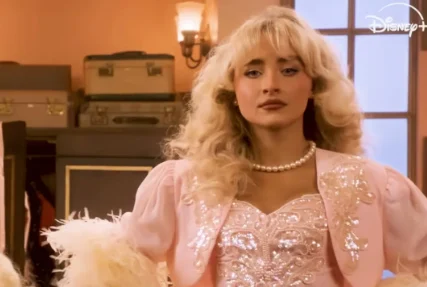
The special, framed as a high-energy "one-night-only" event at the legendary Muppet Theatre, eschews the serialized storytelling of recent years in favor of the chaotic, vaudevillian charm that defined the original 1976 series. The centerpiece of this revival is the inclusion of pop sensation Sabrina Carpenter, whose current cultural dominance provides a perfect bridge between the Muppets’ traditionalist fanbase and a younger, digitally native demographic. Alongside Carpenter, the special features appearances by comedy heavyweights Seth Rogen and Maya Rudolph, creating a balanced ensemble that leans into the self-aware, irreverent humor that has long been the franchise’s hallmark.
The Anatomy of a Perfect Score
Achieving a 100% rating on Rotten Tomatoes is an increasingly difficult feat, particularly for established franchises where expectations are sky-high and "nostalgia fatigue" is a constant threat. For "The Muppet Show" special, the critical acclaim appears to stem from a return to fundamentals. Critics have praised the program’s refusal to "modernize" the characters by stripping away their sincerity. Instead, the special leans into the "controlled chaos" of the original Jim Henson vision—a world where explosions, musical numbers, and heckling from the balcony coexist in a seamless, joyful mess.
The 96% audience score further validates this approach. It suggests that Disney has successfully navigated the "uncanny valley" of franchise management, providing enough familiar tropes to satisfy older viewers while maintaining a pace and guest list that feels relevant to 2025. This stands in stark contrast to the 2015 ABC series, The Muppets, which attempted a mockumentary, "behind-the-scenes" look at the characters’ adult lives. That series, while ambitious, earned a lukewarm 64% from critics, many of whom felt the cynical, slightly mean-spirited tone clashed with the inherent optimism of the Muppet brand. The success of the new special serves as a definitive course correction, proving that the Muppets are at their best when they are allowed to be shamelessly theatrical.
A Legacy Five Decades in the Making
To understand why this 100% score matters, one must look back at the storied and often turbulent history of the Muppets. Jim Henson first introduced these characters in 1955 with Sam and Friends, but it was the 1976 launch of The Muppet Show that redefined television. Running for 120 episodes, the original series was a masterclass in variety entertainment, attracting the biggest stars of the era—from Steve Martin to Elton John—who were all eager to play "second fiddle" to a cast of puppets.
Following Henson’s untimely passing in 1990, the franchise entered a period of transition. There were high points, most notably 1992’s The Muppet Christmas Carol. That film remains a benchmark for the franchise, largely due to Michael Caine’s legendary performance as Ebenezer Scrooge. Caine’s insistence on "playing it straight"—treating the Muppets as serious actors rather than props—became a North Star for how the characters should be handled. When the humans in a Muppet production believe in the world, the audience does too.
However, the late 90s and early 2000s saw the brand struggle to find its footing in a rapidly changing media environment. Disney’s acquisition of the Muppets in 2004 was intended to provide the stability and resources needed for a full-scale comeback. While the 2011 film The Muppets (starring Jason Segel) was a critical and commercial smash, subsequent efforts like Muppets Most Wanted and the aforementioned 2015 TV series struggled to maintain that momentum. The current 100% score for the Disney+ special suggests that the studio has finally cracked the code on how to utilize the Muppets in the streaming age.
The Sabrina Carpenter Factor and Demographic Synergy
The casting of Sabrina Carpenter is a strategic masterstroke for Disney. In 2024 and 2025, Carpenter emerged as one of the most influential figures in music and fashion, commanding a massive following among Gen Z and Millennials. By pairing her with Kermit and Miss Piggy, Disney is engaging in a sophisticated form of demographic synergy.

For the Muppets to survive, they cannot rely solely on the nostalgia of Gen X parents. They must become "cool" to a generation that consumes content via TikTok and short-form video. The special’s musical numbers, featuring Carpenter’s signature pop sensibilities blended with Muppet absurdity, are tailor-made for viral sharing. This "event-ization" of the Muppets allows Disney to bypass the grind of a weekly series and instead create a high-impact cultural moment that drives subscriptions and social media engagement.
Industry Implications: The Return of the Variety Special
From an industry perspective, the success of this special points to a broader trend in the streaming wars: the revival of the "Event Special." As production costs for 10-episode prestige dramas continue to skyrocket, platforms like Disney+, Netflix, and Max are looking for more cost-effective ways to leverage their IP. A high-production-value variety special offers a significant return on investment. It requires less filming time than a full season of television but generates a similar, if not greater, amount of press and viewer excitement.
Furthermore, the Muppets represent a "co-viewing" goldmine. In the fragmented world of streaming, there are very few programs that a seven-year-old and a forty-five-year-old can enjoy with equal enthusiasm. Advertisers and platform executives prize co-viewing content because it increases the "stickiness" of a service within a household. If the whole family gathers for a Muppet special, the perceived value of the Disney+ subscription rises, reducing churn.
Technical Excellence and the Art of Puppetry
Beyond the business metrics, the critical acclaim for the new special highlights the enduring appeal of physical craft. In an era dominated by CGI and AI-generated visuals, there is something profoundly affecting about the tactile nature of the Muppets. The "performative soul" of a Muppet comes from the direct connection between the puppeteer and the character. Critics have noted that the puppetry in this special is top-tier, capturing the subtle micro-expressions and physical comedy that make these characters feel alive.
The decision to return to the original Muppet Theatre set also pays dividends. The architecture of the theatre—the wings, the dressing rooms, the orchestra pit—provides a physical framework for the comedy. It allows for "running gags" and a sense of geography that was missing from more experimental Muppet projects. This "theatrical realism" is what allows the audience to suspend their disbelief and accept a talking frog as a legitimate leading man.
Future Trends: Where Do the Muppets Go From Here?
While there are currently no official plans for a full-scale series revival following this special, the "100% effect" is likely to influence Disney’s long-term strategy. The success of this one-off event suggests that the "Sherlock" or "Black Mirror" model—releasing high-quality, feature-length installments sporadically—might be the best path forward for the Muppets.
We are also likely to see the Muppets integrated more deeply into the broader Disney ecosystem. The success of this special provides a blueprint for how to use the characters in crossovers with other Disney-owned properties, provided the tone remains consistent with the "Henson-esque" spirit. There is also the potential for more "genre-bending" specials, perhaps exploring Muppet-led parodies of popular streaming tropes, all while maintaining the core variety show heart.
Ultimately, the 100% Rotten Tomatoes score for "The Muppet Show" special is a testament to the resilience of Jim Henson’s creation. It proves that when treated with respect, sincerity, and a healthy dose of anarchic humor, the Muppets are peerless. They remain a vital part of the cultural fabric, reminding us that even in a high-tech world, there is no substitute for the magic of felt, foam, and a really good joke. As the credits roll on this latest triumph, one thing is clear: the Muppet Theatre is open for business, and the world is more than ready to take their seats.
