

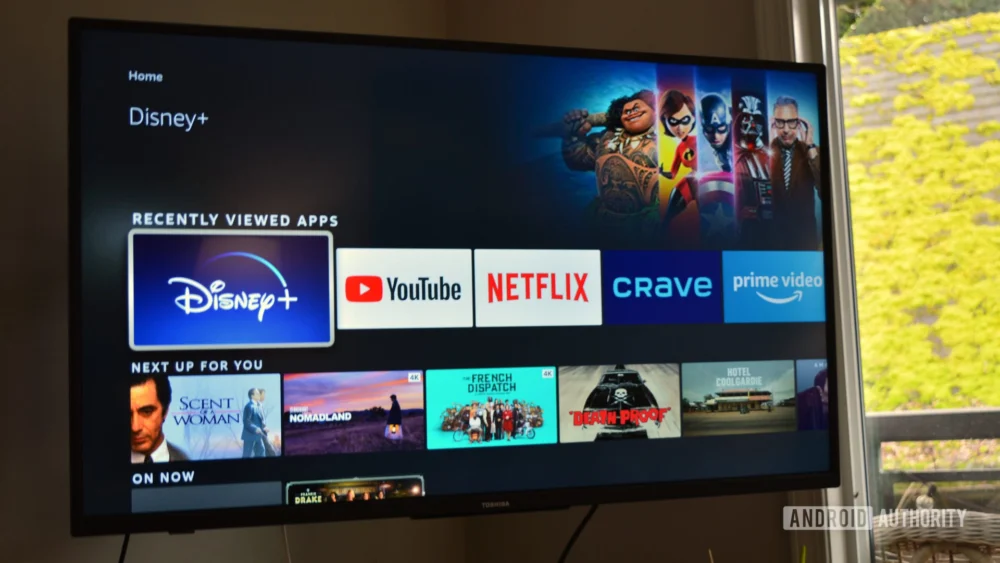
The landscape of streaming media hardware is undergoing a subtle yet significant realignment as Amazon tightens its grip on the software environment of its Fire TV devices. Recent reports indicate a hardening of policy against applications associated with content piracy, moving beyond mere runtime restrictions to outright blocking the initial installation of these third-party applications on the platform’s long-standing, Android-based streaming sticks and boxes. This escalation represents a pivotal moment for users who rely on sideloading for access to non-sanctioned streaming sources, and it carries substantial implications for the future flexibility of the Fire TV ecosystem compared to its rivals.
For years, the Fire TV platform, despite being fundamentally built upon a modified version of the Android Open Source Project (AOSP), operated with a degree of latitude that appealed to technically inclined users. While Amazon strictly polices the official Appstore, users have traditionally possessed the ability to "sideload" applications—installing software packages (APKs) directly, bypassing the curated marketplace. Previously, when such an application was detected as facilitating access to unlicensed copyrighted material, Amazon’s enforcement mechanism typically manifested as a runtime block. The app might install successfully, but upon launch, the user would be presented with an error message or the application would crash, signaling that Amazon’s servers had flagged the package.
The current shift, observed through user reports and technical analysis, signifies a more proactive, preemptive defense mechanism. Instead of waiting for the illicit application to attempt execution, the system now appears to intercept and nullify the installation process itself. The error message displayed upon failure explicitly cites the reason: "This app has been blocked because it uses or provides access to unlicensed content." This language confirms that Amazon is employing sophisticated signature matching or remote verification against known piracy tools before they can even reside permanently on the device’s storage.
Contextualizing the Enforcement Escalation
This move cannot be viewed in isolation; it is part of a broader, multi-pronged strategy by Amazon to assert greater control over the user experience and, crucially, to protect the revenue streams of its official partners and its own Prime Video service. This is compounded by the simultaneous introduction of the proprietary Vega OS on newer Fire TV hardware. While the migration to Vega OS represents a fundamental architectural change designed for deeper integration and potentially tighter security controls, the current enforcement action targets the massive installed base of older, Android-based devices. This suggests that the underlying goal—curbing unauthorized content consumption—transcends the operating system layer and is being enforced via Amazon’s cloud services or integrated device management protocols that span both legacy and new hardware.
The pressure on streaming platforms to combat piracy has intensified globally. Major studios and content rights holders continuously lobby device manufacturers to take proactive steps against devices frequently advertised or used specifically for accessing pirated streams. For Amazon, allowing its hardware to be widely recognized as the premier device for piracy undermines its credibility with premium content providers—the very services whose subscriptions drive ecosystem engagement (and potentially purchases of Fire TV hardware itself). By closing this loophole on older devices, Amazon is signaling to rights holders that it is serious about platform integrity, even retrospectively.
Industry Implications: The Slippery Slope of Device Control
The industry implications of this enforcement are considerable, particularly for the segment of the market that values open-source flexibility. The Fire TV’s primary competitor in the budget streaming stick category has often been devices running Google’s Android TV or the newer Google TV interface. These platforms, while also controlled by a major corporation, historically maintain a more permissive stance regarding sideloading, relying on the user to manage the risks associated with installing APKs outside the official Play Store.
This tightening of the reins on Fire TV potentially widens the ideological gap between the two dominant players in the streaming dongle space. Users prioritizing absolute control over their hardware and software—those who might use specialized media center software, niche utility apps, or, indeed, piracy front-ends—will find the Fire TV platform increasingly restrictive. This enforcement action effectively pushes a specific user demographic toward competing operating systems, specifically those leveraging the core Android framework without Amazon’s overlay restrictions.
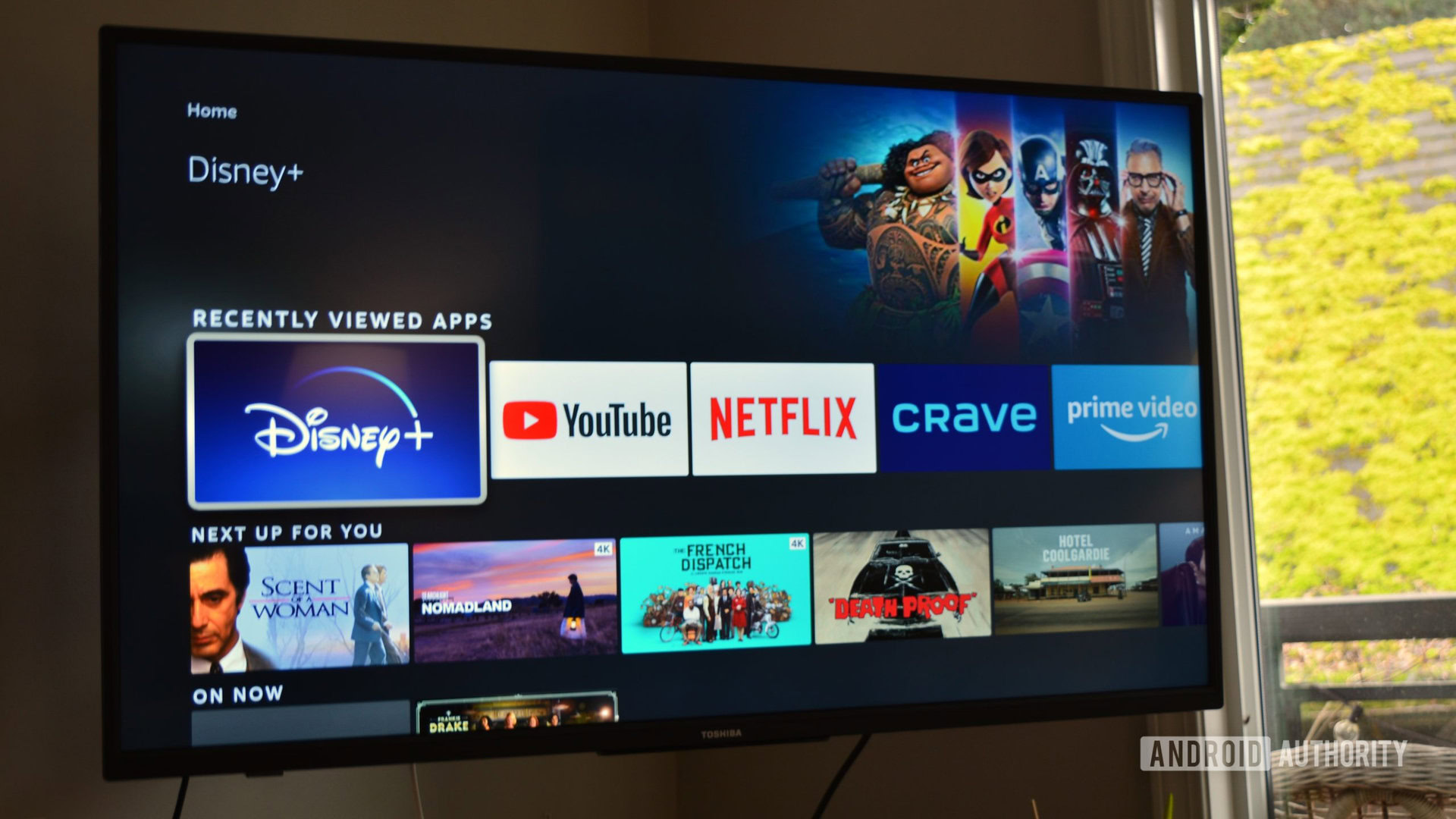
From a competitive standpoint, Amazon is making a calculated trade-off. They are alienating a segment of advanced users—a minority—to secure better relationships with the majority of mainstream consumers and, more importantly, with the major content licensors. A user who cannot easily bypass subscriptions via piracy is more likely to subscribe to Netflix, Hulu, or Prime Video, thus generating direct revenue for the content ecosystem Amazon seeks to foster.
Expert Analysis: Technical Maneuvering vs. Platform Integrity
Technically, the implementation of installation blocking is more complex than simply deleting an app after launch. It requires Amazon to maintain an updated, proprietary blacklist of package names, digital signatures, or even file hashes associated with known infringing applications. When a user attempts to install an APK via an external source (like an ADB command or a file explorer utility), the Fire OS kernel, or a higher-level system service managed by Amazon, checks the incoming file against this actively maintained database.
The workarounds suggested—using older versions, utilizing beta builds, or employing app cloning tools to obfuscate the package name—highlight the cat-and-mouse nature of this digital arms race. App developers associated with unauthorized content will constantly modify their packaging to bypass new signature checks. However, Amazon holds the advantage: they control the operating system kernel and the communication channels back to their authentication servers. Any modification that requires complex network interaction or deep system access is inherently vulnerable to future patches that could render those workarounds obsolete.
The critical point for advanced users is the loss of a fundamental Android capability: unrestricted local file installation. By enforcing this at the installation layer, Amazon is treating these sideloaded apps not just as unauthorized, but as fundamentally malicious system components, warranting immediate quarantine before deployment. This is a significant departure from treating them merely as unapproved third-party software.
Future Impact and Trends: The Closed Ecosystem Trajectory
This aggressive anti-piracy measure strongly suggests a future trajectory for the Fire TV platform moving toward a more closed, iOS-like environment, albeit one still based on open-source foundations. The move towards Vega OS, which is Amazon’s proprietary fork, aligns perfectly with this trend. As more devices migrate to Vega OS, the flexibility afforded by the older Android base will vanish entirely.
For consumers, this means that any perceived benefit of the Fire TV platform—namely, its low cost combined with its versatility—is diminishing. If users are forced to abandon sideloading to ensure platform stability and compatibility with official updates, the value proposition shifts solely to its integration with the Amazon retail and media ecosystem.
The long-term impact will likely be a clear bifurcation in the streaming device market:
- The Mainstream/Convenience Segment: Dominated by Fire TV and Apple TV, where ease of use, guaranteed security (from Amazon/Apple’s perspective), and deep integration with proprietary services outweigh user control. Updates will be seamless, and unauthorized software will be aggressively purged.
- The Enthusiast/Flexibility Segment: Dominated by Google TV/Android TV devices (like the Onn models mentioned previously) or dedicated mini-PCs running custom Linux builds. These devices will continue to cater to users who demand the ability to install any software package, accepting the associated security and stability risks as the price of freedom.
Amazon’s latest action solidifies its position in the first camp. It is a definitive statement that while Fire TV hardware runs on a derivative of Android, the experience is dictated by Amazon’s business interests, which currently prioritize content licensing compliance over user autonomy in software installation. Consumers seeking an unrestricted media hub must now look definitively elsewhere, as the window for easy, untracked sideloading on Fire TV hardware appears to be rapidly closing. The era of the easily modified Fire Stick, it seems, is drawing to a close.
