

The shift toward hybrid and distributed workforces has cemented the role of artificial intelligence in automating administrative tasks, particularly meeting documentation. For the last several years, the landscape of meeting transcription has been overwhelmingly dominated by software-based solutions—digital bots like Read AI, Fireflies.ai, Fathom, and Granola, which integrate directly into video conferencing platforms like Zoom and Slack to capture and summarize virtual interactions. However, this purely digital approach faces a critical limitation: its inadequacy in capturing high-fidelity, comprehensive data from physical, in-person meetings, spontaneous water-cooler conversations, or field research interviews. This unmet demand has catalyzed a specialized segment of the consumer electronics market: dedicated physical AI notetaking devices, signaling a significant hardware renaissance in conversational intelligence.
These physical devices, ranging from credit card-sized recorders to discrete wearable pins and pendants, bridge the functionality gap left by virtual assistants. They employ sophisticated, multi-microphone arrays designed for omnidirectional acoustic capture in dynamic environments, far surpassing the capability of a standard smartphone or laptop microphone. The core function remains transcription, but the integration of proprietary or commercially available large language models (LLMs) allows these gadgets to immediately process the raw audio into structured data: generating concise summaries, identifying critical action items, tagging key discussion points, and even performing real-time multilingual translation.

The Dedicated Hardware Ecosystem
The market for these AI notetakers is rapidly diversifying, offering several distinct form factors tailored to different professional needs.
Credit Card and Rectangular Notetakers: Power and Range
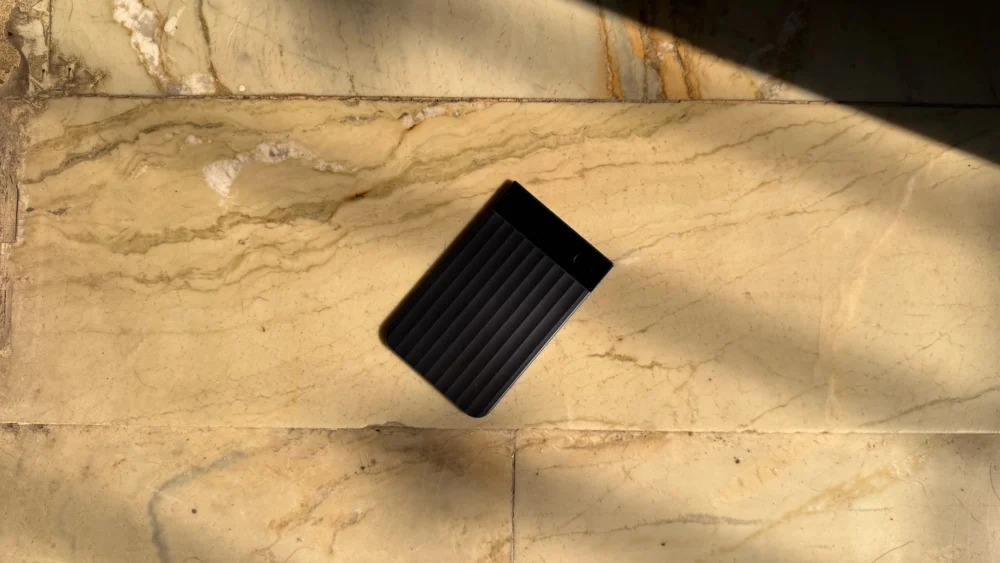
Devices categorized as credit card or rectangular units often prioritize recording fidelity and battery life, making them ideal for boardroom settings, lectures, or lengthy interviews.
The Plaud Note series, including the original and the newer, more robust Plaud Note Pro, exemplifies this category. Launched in 2023, the Pro version enhances utility with a small display and a quad-microphone system capable of capturing audio within a three-to-five-meter radius. A unique feature of Plaud devices is their magnetic accessory designed to record both sides of a phone call directly, offering a versatility rarely matched by standard voice recorders. These devices operate on a hybrid model: the hardware is purchased outright ($159 for the Note, $179 for the Pro), but advanced transcription services are typically limited to a monthly allowance (e.g., 300 free minutes), necessitating a subscription for heavy users.

The Mobvoi TicNote enters the space with a strong emphasis on real-time multilingual processing. Priced competitively at $159 and including 600 minutes of free transcription, this device leverages its three-mic setup to offer real-time transcription and translation across over 120 languages. This feature set positions the TicNote as a powerful tool for global business operations and international conferences. Beyond basic text output, the TicNote offers sophisticated post-processing features, such as automatic highlight extraction and the creation of summarized audio clips, effectively turning long meetings into digestible podcast snippets.
A compelling market challenge comes from the Comulytic Note Pro, which aims to disrupt the common subscription model. The $159 device boasts unlimited basic transcription without any recurring fees—a significant value proposition for users wary of the perpetual SaaS expenses common in AI productivity tools. Its impressive endurance, offering 45 hours of continuous recording and over 100 days of standby time, appeals directly to users requiring reliability for extended fieldwork or sequential meetings. While basic transcription is free, Comulytic maintains a revenue stream through an advanced tier ($15/month or $119/year) that unlocks deeper AI features, including instant summaries, customizable summary templates, and unlimited access to an integrated AI chat assistant.
Wearables: The Ambient Computing Edge
The second major category focuses on discreet, hands-free operation, often referred to as ambient computing. These include pins, pendants, and specialized earbuds.

The Plaud NotePin and NotePin S represent Plaud’s foray into this wearable category. Designed for flexibility, they can be worn as a pendant, wristband, or magnetically clipped onto clothing. While slightly less powerful than their credit card counterparts (featuring two microphones and 20 hours of continuous recording), their utility lies in their unobtrusiveness and accessibility. The NotePin S notably adds a dedicated physical button for quick recording initiation and highlight tagging, optimizing spontaneous capture.
The Omi pendant offers an entry-level option at just $89. Its cost-effectiveness stems from a design choice that bypasses onboard memory, requiring a constant connection to a smartphone for processing and storage. Although this dependence might limit true hands-free use, the open-sourced nature of its hardware and software is a critical differentiating factor. This approach encourages community-driven innovation, allowing users and third-party developers to create customized connectors and applications, fostering a niche ecosystem around flexibility and user control.
Moving beyond traditional recorders, the Viaim RecDot ($200) integrates AI transcription into true wireless earbuds. This design allows for seamless transcription during phone calls while also enabling ambient recording via the charging case. Supporting real-time transcription in up to 78 languages, the RecDot is optimized for immediate conversational analysis, with its accompanying application designed to flag key points within the ongoing transcription feed.

Finally, the Anker Soundcore Work pin ($159) is a coin-sized wearable that comes with a puck-shaped battery pack, offering up to 8 hours of continuous use, extendable to 32 hours when docked. Anker leverages its acoustic expertise to claim a five-meter recording range. Like many competitors, Anker employs the hybrid model, offering 300 minutes of transcription included with the purchase.
Expert Analysis: Technological Differentiators and Business Models
The proliferation of these specialized devices is not merely about miniaturization; it reflects a deep technical focus on overcoming the acoustic challenges inherent in real-world environments.
The Role of Acoustic Engineering
Smartphones, while ubiquitous, use microphones primarily optimized for near-field communication (holding the phone close to the mouth). Dedicated AI notetakers, conversely, feature advanced acoustic engineering:

- Multi-Mic Beamforming: Devices like the Plaud Note Pro utilize four or more microphones to employ beamforming technology. This allows the device to focus audio capture directionally, effectively isolating primary speakers from ambient noise, reverb, and cross-talk—critical for high accuracy in noisy conference rooms or cafés.
- Edge Processing: To achieve real-time functionality (especially translation, as seen in the Mobvoi TicNote), some manufacturers are embedding specialized neural processing units (NPUs) or optimizing their chip architecture for on-device AI inference. While most summarization still occurs in the cloud, efficient local audio cleanup and pre-processing are essential for low-latency performance.
The Hybrid Business Model Challenge
The dominant economic model emerging in this sector is the Hardware-as-a-Service (HaaS) hybrid. Consumers buy the hardware upfront but pay a recurring subscription for the value-added AI services (summarization, action item extraction, unlimited transcription). The competitive advantage often hinges on the generosity of the free tier (Mobvoi’s 600 minutes versus Plaud/Anker’s 300 minutes) or, in Comulytic’s case, the complete elimination of transcription fees to drive adoption. As the market matures, the primary competitive battleground will shift from hardware specs (battery life, mic count) to the intelligence and customization capabilities of the proprietary AI models running in the cloud.
Industry Implications and Ethical Hurdles
The rise of ambient AI recorders carries significant implications for professional conduct and data governance.
Privacy and Consent Regulation
The discreet nature of wearable notetakers, particularly pins and pendants, introduces complex ethical and legal challenges regarding privacy and consent. In many jurisdictions, including numerous US states and countries under GDPR, recording private conversations without the explicit, informed consent of all parties is illegal.

Manufacturers must implement robust, standardized mechanisms to address this. While some devices incorporate subtle visual cues (like a small flashing light when recording), the potential for surreptitious recording is high. Enterprise adoption will be contingent upon devices offering verifiable consent logging and adherence to stringent data retention policies. Organizations adopting these tools must proactively develop internal policies that mandate disclosure, ensuring employees understand when and how these tools are used, particularly in sensitive negotiations or human resources contexts. Data sovereignty—where the recorded data is stored and processed—also remains a major concern for global corporations, potentially limiting the adoption of cloud-heavy transcription services.
Competition with Multimodal Smartphones
A long-term threat to the dedicated hardware market comes from the inevitable evolution of flagship smartphones. As smartphones embed more powerful NPUs and integrate advanced multimodal AI (like Apple Intelligence or next-generation Android models), they will soon rival the audio processing capabilities of dedicated recorders.
The key for hardware manufacturers, therefore, is differentiation through specialization. This means focusing on environmental robustness (water resistance, extended range), specialized acoustic arrays that cannot be replicated by a flat phone (like the spatial audio capture in a four-mic array), or deeply integrated, profession-specific workflows that go beyond general note-taking (e.g., medical dictation, legal deposition recording).

Future Impact and Trajectory
The current generation of AI notetakers represents the foundational layer of a broader trend: personalized digital memory augmentation. The future impact of this technology will move far beyond simple transcription and summarizing.
Towards Multimodal and Proactive AI
- Multimodal Integration: The next iteration of these devices will likely integrate visual capture, turning the recorder into a true multimodal AI agent. Imagine a pin that not only records the conversation but also logs who is speaking (via facial recognition) and captures relevant visual cues (like sketches on a whiteboard or gestures). This combined audio-visual context will drastically enhance the accuracy of summaries and action items.
- Contextual Awareness: Future AI notetakers will leverage continuous environmental monitoring. Instead of merely transcribing a meeting, they will cross-reference the discussion with the user’s digital calendar, email history, and CRM data to provide proactive, contextual insights in real-time. For instance, if a competitor’s name is mentioned, the device could instantly surface recent news about that company.
- Haptic and Acoustic Feedback: Wearable devices will evolve to offer subtle, non-disruptive feedback. A haptic buzz could remind the user of an outstanding task relevant to the current discussion, or audio cues could subtly alert the user to a crucial topic shift in a long meeting, ensuring sustained attention without distraction.
The dedication of specialized hardware to capturing conversational data marks a critical inflection point in professional productivity. While software solutions automate the virtual workspace, these physical AI notetakers are essential for optimizing human-to-human interaction in the real world. By delivering superior acoustic fidelity and integrating deep LLM capabilities, these devices transform ephemeral conversations into actionable, structured data, cementing their place as indispensable tools for the modern, information-intensive professional.
