


The landscape of mobile technology is undergoing a subtle but profound shift, one evidenced not by groundbreaking announcements from keynote stages, but by the quiet satisfaction found in a mid-tier device. When a beloved, albeit aging, device like the Samsung Galaxy S22 meets an unfortunate end, the replacement decision often forces a re-evaluation of consumer priorities. In this particular instance, the choice for a daughter’s upgrade—the Samsung Galaxy S25 FE—has inadvertently triggered an existential crisis regarding the necessity of current-generation flagship expenditures for the average user.
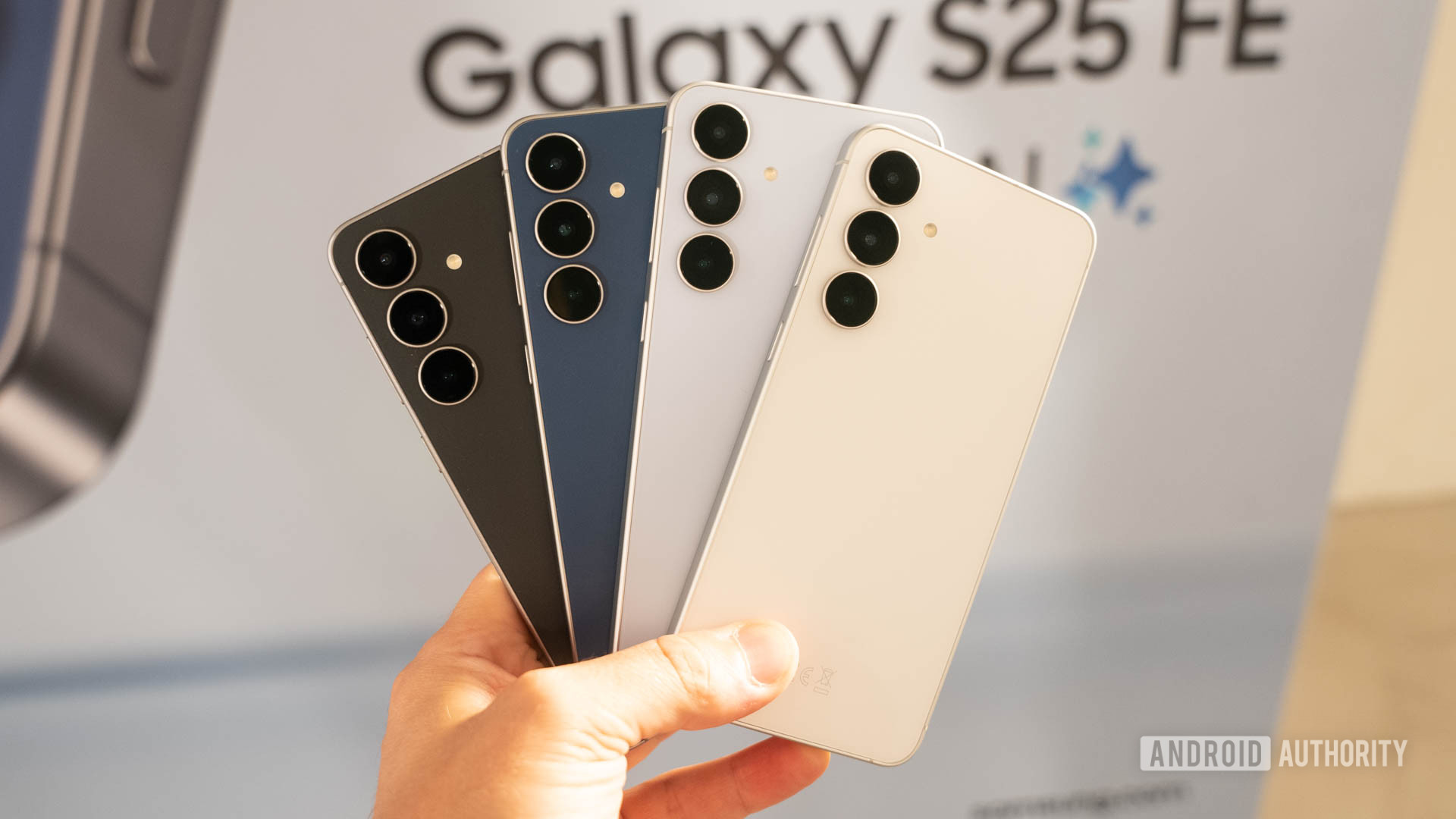
The initial motivation was purely pragmatic: replacing a device that had served faithfully but succumbed to gravity. The budget constraint, coupled with the agreement that top-tier specifications were not a prerequisite, led directly to the Fan Edition (FE) line. Securing the Galaxy S25 FE for a price point under $500 felt like a sensible compromise, a way to bridge the gap between longevity and cost. Yet, upon setup, the experience immediately felt jarringly familiar. The device seemed to echo the physical design language and general operational smoothness of the current flagship cohort, specifically the Galaxy S24 that resided in the primary reviewer’s pocket.
This initial sense of familiarity quickly escalated into genuine curiosity. After a fortnight of the daughter reporting significant gains—particularly citing superior battery endurance and appreciating the expanded screen real estate compared to the older S22—the reviewer felt compelled to conduct a direct, comparative assessment. Borrowing the S25 FE and juxtaposing it against the Galaxy S24 and even a backup Galaxy S25 Edge provided a week-long stress test that ultimately challenged years of established purchase patterns. The conclusion was stark: the justification for routinely investing in bleeding-edge, ultra-premium mobile hardware is rapidly eroding.
The Erosion of the Performance Gap: A Deep Dive into Specifications vs. Experience
The core argument against moving down the specification stack traditionally revolves around performance bottlenecks. The Galaxy S25 FE, by design, employs compromises: typically featuring less RAM (8GB versus the flagship 12GB standard) and often utilizing a region-dependent, less powerful chipset (in this case, a variant of the Exynos platform, often perceived as technically inferior to the top-tier Snapdragon offerings). However, the real-world application of these numbers paints a different picture.
For the vast majority of mobile interactions—social media scrolling, streaming video, managing communication apps, and even moderate gaming sessions—the difference between the S25 FE and its flagship brethren was virtually imperceptible. The fluidity, the responsiveness of the One UI overlay, and the application load times converged to a near-identical experience. Where minor discrepancies could be theoretically detected, they required deliberate, almost adversarial testing—stressing the system to unnatural limits—rather than emerging organically during daily use. This suggests that for users whose primary need is reliable, rapid multitasking without complex, sustained computational demands (like advanced 3D rendering or heavy video editing), the performance tier has effectively flattened. The "flagship tax" is increasingly paying for headroom that the average user will never utilize.
This phenomenon is a crucial industry trend. As chip fabrication processes mature and software optimization improves across the board, the exponential performance gains of previous generations have settled into linear, incremental improvements. The difference between a high-end processor from two generations prior and the current top-tier silicon is often masked by efficient memory management and sophisticated thermal throttling in the standard models.
The Camera Compromise: Shifting Definitions of "Good Enough"
Photography remains a key differentiator, often cited as the ultimate sanctuary of the flagship device. High-end models boast larger sensors, more advanced computational photography pipelines, and superior telephoto capabilities. The reviewer acknowledges this disparity: the S25 FE camera array will not deliver the pristine, artifact-free results of the S24 or S25 Edge under challenging conditions.
However, this realization is tempered by a critical shift in user expectation. For many, the goal is not professional-grade mobile photography, but rather capturing a moment accurately and quickly enough to share. The S25 FE provides a highly competent imaging system capable of excellent daylight shots. Where flagships might offer a near-guarantee of a perfect exposure on the first try, the FE requires a slight procedural adjustment—taking a few alternative angles or leveraging post-capture AI editing tools. In the modern context, where even standard social media platforms compress and alter images, the marginal benefit of the absolute best sensor diminishes substantially for the casual user. The "good enough" threshold for smartphone cameras has been substantially raised by the mid-range segment, making the premium for flagship camera hardware increasingly difficult to rationalize purely on output quality.
The Battery Life Revelation: A Counterintuitive Victory for the Mid-Range
Perhaps the most compelling aspect of the S25 FE experience was the sustained battery life. This is particularly telling given that flagships are often designed around sleek aesthetics, leading to compromises in battery cell size or reliance on high-refresh-rate, high-brightness displays that drain power rapidly. The S25 FE, featuring a respectable 3,900mAh cell, consistently delivered eight to nine hours of screen-on time (SoT). In contrast, the flagship S24 struggled to consistently exceed seven hours, and the S25 Edge mirrored this performance.
This disparity highlights a strategic divergence in device philosophy. Manufacturers often prioritize peak performance metrics—display luminosity, refresh rate, and raw processing speed—in their flagships, sometimes overlooking the fundamental user requirement of all-day endurance. The FE series, perhaps unburdened by the need to push every specification to its absolute theoretical limit, can afford a more balanced configuration that prioritizes capacity and efficiency for real-world scenarios. For a user accustomed to the anxiety of reaching for a charger before the day concludes, the S25 FE’s endurance represented a significant functional upgrade over the flagship experience.
Display Dynamics: Size vs. Peak Specification
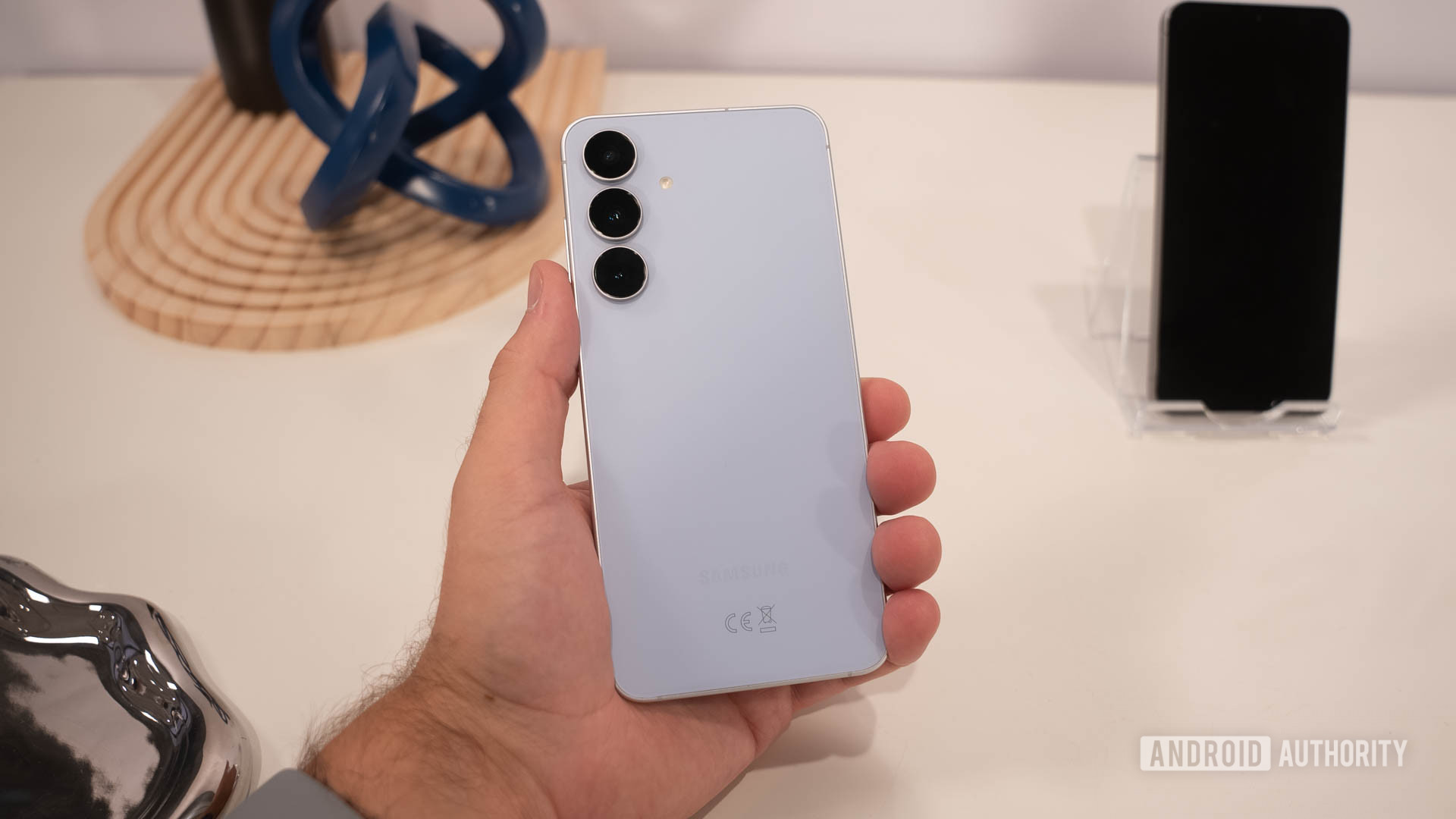
The screen experience also presented an interesting trade-off. The reviewer noted a preference for larger form factors, finding the S25 FE’s 6.7-inch AMOLED panel superior to the standard flagship’s 6.2-inch offering, without the added cost often associated with the "Plus" or "Ultra" variants. The trade-off was evident in peak brightness—the flagship panels can achieve significantly higher sustained luminance, essential for direct sunlight viewing or HDR content. However, for standard indoor and moderate outdoor use, the S25 FE’s display was perfectly vibrant and functional. This reinforces the theme: the features relegated to the flagship tier are often peak specifications that only surface under specific, perhaps infrequent, environmental conditions.
The Psychological Anchor: Deconstructing Flagship Value
The ultimate realization was internal: the continued purchase of flagships had devolved into a matter of habit and identity, rather than necessity. In the early days of the smartphone revolution, the gap between the standard and premium models was vast. Power users—those who engaged in rooting, custom ROM installation, and deep system modification—had tangible reasons to pay the premium for superior hardware that could withstand intense customization and strain.
Today, that landscape has transformed. Android’s core operating system is robust, secure, and highly optimized out of the box. Customization tools are more accessible, and the need for deep, invasive software tinkering has largely dissipated for the general enthusiast. The reviewer admits to abandoning complex modifications years ago, leaving the motivation for owning a top-tier device purely tied to external validation: "bragging rights and perceived status."
In the professional sphere—a context where maintaining familiarity with the absolute latest hardware is necessary for journalistic integrity—flagships remain an operational requirement. But for personal spending, the calculus has fundamentally changed. The marginal utility derived from an extra $500 to $1,000 investment simply no longer translates into a proportionally better day-to-day user experience.
Industry Implications: The Squeezed Middle and the FE Strategy
This personal epiphany reflects a broader challenge facing smartphone manufacturers, particularly those dominating the Android space. The industry is increasingly polarizing into two distinct markets: the budget/mid-range segment, driven by aggressive value propositions like the FE line, and the ultra-premium segment, increasingly defined by iterative upgrades and niche features (like advanced spatial computing integration or proprietary stylus technology).
The success of the S25 FE suggests that Samsung’s strategy of distilling core flagship experiences into a more accessible package is resonating powerfully with a segment that previously felt obligated to overspend. This trend puts pressure on competitors who rely on the prestige and margin of their top-tier devices. If users, even those working in tech journalism, are questioning the purchase, the broader consumer base is likely already voting with their wallets.
Furthermore, the FE model acts as a powerful retention tool. By offering a device that feels like a substantial upgrade over a two-to-three-year-old phone, without demanding a flagship price, Samsung preempts users from switching ecosystems entirely. The daughter’s move from the S22 to the S25 FE was seamless and satisfying, reinforcing brand loyalty within a lower-cost entry point.
Future Trajectories: Commoditization and Feature Convergence
Looking ahead, this dynamic suggests several key trends will accelerate:
- Feature Parity in Core Areas: Expect display technology (OLED quality, refresh rates) and baseline processing power to converge faster. Chip manufacturers are becoming highly adept at creating "near-flagship" silicon variants that offer 90% of the performance at 60% of the cost.
- The Death of the True "Downgrade": Future mid-range devices will likely continue to absorb features previously exclusive to flagships (e.g., advanced AI integration, better build materials) at a faster rate, making the term "downgrade" feel increasingly inaccurate and merely descriptive of specification sheets, not user experience.
- Marketing Must Evolve: Flagship marketing will need to shift away from general performance superiority towards highly specific, niche advantages—perhaps emphasizing professional-grade video codecs, extreme durability certifications, or unique software integrations that genuinely require the latest hardware investment. If the core experience is commoditized, status must be earned through specialization.
For the foreseeable future, the Galaxy S25 FE serves as a potent, real-world demonstration that technological advancement has outpaced the practical needs of the everyday smartphone user. The impulse to acquire the newest, most expensive model is becoming less about maximizing utility and more about maintaining a self-identity tied to cutting-edge consumption. While professional obligations necessitate continued familiarity with the bleeding edge, the personal ledger has been decisively balanced in favor of sensible, high-value alternatives. The era of mandatory flagship spending for reliable mobile performance is demonstrably concluding.
