


The digital ecosystem is undergoing a fundamental transformation, marked by the pervasive integration of artificial intelligence into formerly inert services. This shift, while promising efficiency gains, has simultaneously catalyzed a significant user reckoning regarding data privacy, ownership, and algorithmic intrusion. For many long-term adopters of hyperscale cloud platforms, such as Google Drive, the introduction of increasingly aggressive, opaque, and often superfluous AI features has become the critical tipping point, forcing a strategic pivot toward self-hosted infrastructure. This is not merely a nostalgic yearning for legacy systems; it represents a calculated defense of intellectual property and personal digital boundaries against the backdrop of evolving corporate data utilization policies.
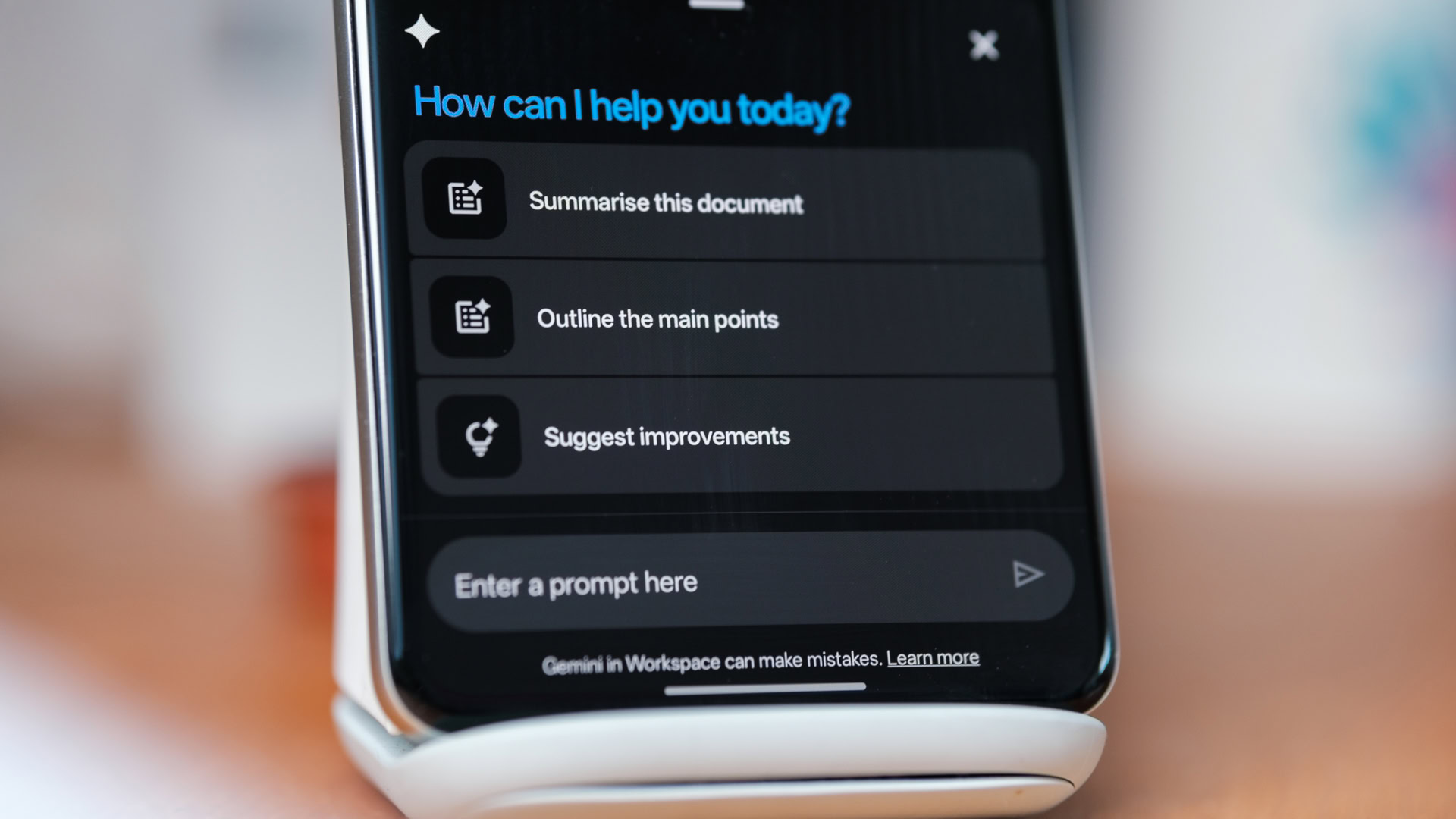
The current trend sees generative AI models being woven into document management systems—offering automatic summaries, predictive organization, and content generation capabilities. While Google offers users the option to disable these "smart features" through granular settings, the mere presence of these capabilities raises fundamental questions about data processing pipelines. For content creators, researchers, and professionals handling proprietary information, the risk calculus changes when personal or original content is implicitly offered as training fodder for future iterations of large language models. This anxiety is compounded by the practical constraints often imposed by these services, namely restrictive storage tiers that necessitate escalating subscription costs, even when the core functionality remains adequate. The financial barrier to scaling storage in the public cloud often aligns perfectly with the ideological barrier presented by AI integration, creating a dual incentive for migration.
The Industry Context: Sovereignty vs. Convenience
The debate surrounding centralized cloud storage versus distributed, self-managed solutions reflects a broader industry tension between convenience and control. Hyperscalers like Google, Microsoft, and Amazon have built empires on the frictionless delivery of services—accessibility, synchronization, and robust uptime being their core value propositions. However, this convenience is predicated on the surrender of direct custody over data.
Alternatives in the self-hosting space traditionally fall into several established categories. Network Attached Storage (NAS) vendors, such as Synology, have long specialized in offering user-friendly local storage solutions with remote access layers. Their primary marketing advantage is often centered on simplified setup and reliable local networking, effectively democratizing the process of running a private cloud. Simultaneously, open-source, software-defined solutions like Nextcloud and its progenitor, ownCloud, provide far greater flexibility, allowing users to run robust file synchronization and collaboration suites on their own hardware, often with extensive third-party application ecosystems.
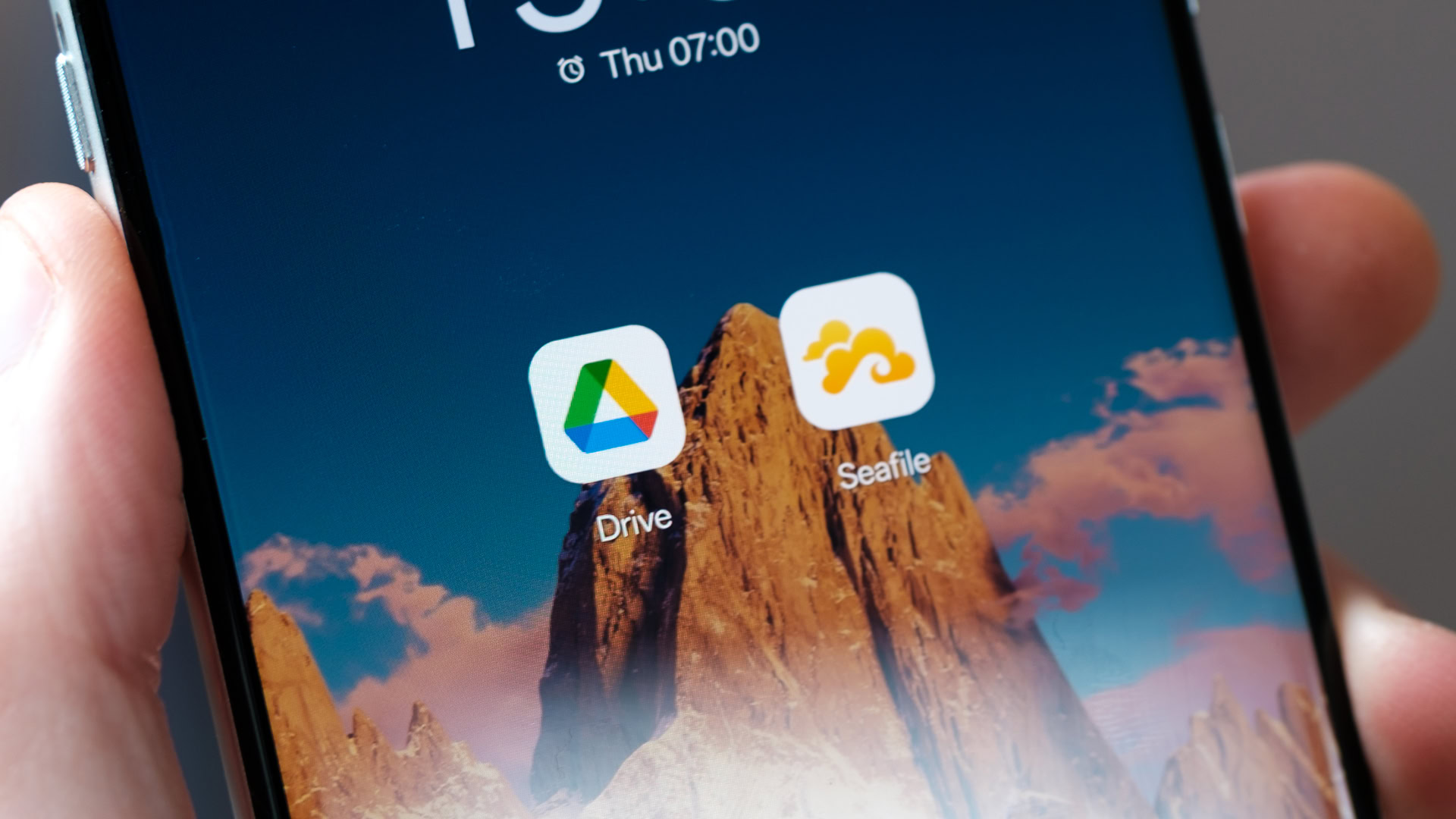
However, the author’s pursuit illustrates a common refinement in this search: the desire for a minimalist solution. Many established self-hosting platforms have evolved into sprawling collaboration hubs, incorporating features like extensive office suite integrations (e.g., Nextcloud Hub’s AI assistants) or complex enterprise add-ons. For an individual primarily concerned with secure file synchronization and archival—essentially replicating the file management aspect of Google Drive without the associated data telemetry—these expansive feature sets can introduce unnecessary complexity and bloat. The goal becomes achieving the operational efficiency of the cloud provider without sacrificing data sovereignty.
This narrower requirement—robust synchronization across mobile (Android/iOS) and desktop platforms, coupled with data isolation—narrows the field considerably. The evaluation often zeroes in on solutions that prioritize core file transfer protocols and lightweight deployment footprints. This is where platforms like Seafile and Twake Drive emerge as contenders against the behemoths.
The Evaluation: Seafile as the Pragmatic Compromise
The decision process detailed in the initial assessment highlights the technical trade-offs inherent in moving away from turnkey cloud services. Twake Drive, for instance, was dismissed due to initial friction in its Docker deployment process, suggesting that while the user is technically proficient enough to self-host, the barrier to entry for a given stack must remain below a certain threshold of administrative overhead.
Seafile, conversely, presented a more immediate path to operational parity. Its lightweight nature, capable of deployment on modest hardware like a standard NAS or even a low-power single-board computer (like a Raspberry Pi), speaks to its efficient resource utilization. The immediate usability—drag-and-drop interface mirroring the familiar Google Drive web portal—is crucial for minimizing the cognitive load during data migration. Functionally, Seafile delivers on the essentials: library creation, granular user permissions, quotas, and secure external sharing mechanisms.
For secure remote access, the choice to employ a zero-trust overlay network like Tailscale, rather than directly exposing the Seafile server via port forwarding, underscores a sophisticated understanding of modern network security. Direct exposure of a self-hosted service carries significant risk; by utilizing a private mesh VPN, the user maintains control over access points without exposing the service to the general internet threat landscape, a necessary security posture when hosting sensitive documents.
The Trade-Offs: Where Self-Hosting Falters
The core deficiency identified in the Seafile evaluation—and a recurring theme in self-hosting—lies in the integrated productivity layer. Google Drive’s seamless integration with Docs and Sheets represents an unparalleled level of productivity convenience. Users expect to click a file and begin editing immediately within a rich, collaborative environment.
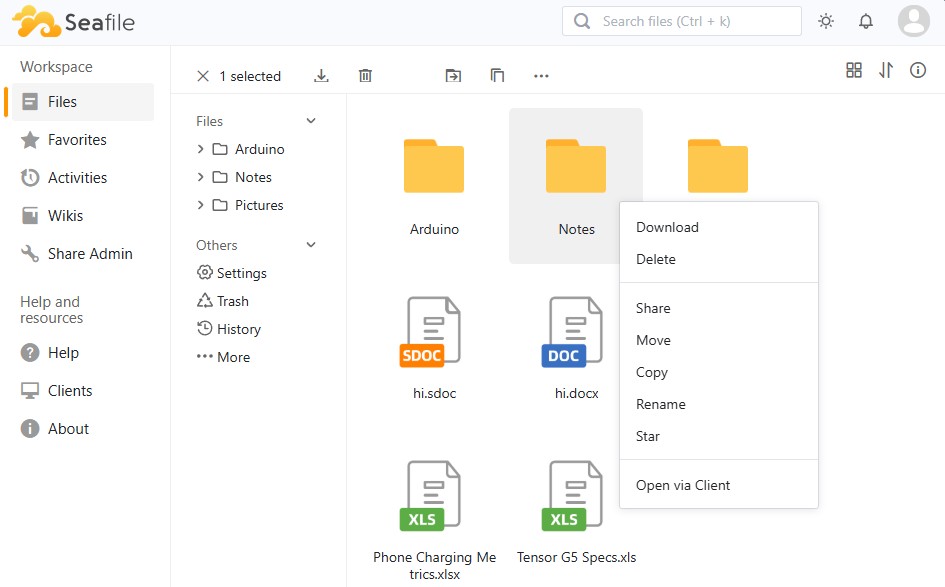
Seafile’s native solution, SeaDocs, falls short of this expectation. Its limited native support for common proprietary and open document formats (.docx, .xls) forces users into proprietary workflows (.sdoc) or reliance on cumbersome conversion processes. While support for external editors like LibreOffice Online or OnlyOffice exists, integrating these components introduces significant configuration complexity. The administrative documentation for integrating these advanced features often assumes a high level of system administration expertise, transforming a simple storage migration into a significant IT project. This gap between the ease of file storage and the difficulty of integrated editing is the critical friction point that often sends users back to the familiar, albeit less private, ecosystems.
Furthermore, the mobile application experience, while functional for backups and file viewing, exhibits minor but noticeable operational gaps, such as the non-functional "share to user" feature within the app interface. While these are often addressed in subsequent updates, they represent areas where the centralized, well-funded development cycle of a hyperscaler maintains a distinct advantage in polishing the user experience across all platforms.
Future Impact and Technological Trends
The drive toward self-hosting, accelerated by AI integration anxieties, signals a potential long-term trend: data localization preference. As AI becomes more deeply embedded, users will increasingly demand transparency regarding where their data resides and how it is processed. This is leading to two major industry responses:
- Increased Focus on Edge Processing: Cloud providers are accelerating efforts to perform more AI processing locally or within strictly defined, compliant enclaves, attempting to assuage privacy fears without losing data access.
- Maturation of Self-Hosted Stacks: Open-source projects are under pressure to simplify deployment. We anticipate a future where solutions like Seafile or Nextcloud offer official, highly abstracted Docker Compose setups or even one-click appliance images that seamlessly integrate advanced features like office suites and notifications with minimal manual configuration file editing. The complexity barrier, currently represented by Seafile’s 86-line configuration file, must approach zero for mass adoption by non-specialists.
The necessity of secure remote access also highlights the growing importance of zero-trust networking tools. Reliance on VPN solutions like Tailscale or ZeroTier, which create secure tunnels without exposing endpoints to the public internet, is becoming the de facto standard for responsible self-hosting. This trend suggests that future cloud management will be less about opening firewall ports and more about establishing encrypted, authenticated peer-to-peer connections, regardless of physical location.
Conclusion on Replaceability
Can Seafile truly replace Google Drive? For the specific use case of secure, cost-effective archival and synchronization of original content, the answer leans toward yes, provided the user is willing to accept the trade-offs in native, collaborative document editing. The platform excels in its primary mission: providing robust, fast, and user-controlled file management with excellent mobile support for basic tasks like automated backups.
However, for power users whose workflows depend heavily on real-time, multi-party editing of Office documents or spreadsheets within the storage interface, the migration remains incomplete and perhaps currently infeasible without significant administrative overhead. The pain point of setup complexity—the necessary immersion into configuration files and external application integration—remains the greatest deterrent to broader self-hosting adoption. While the philosophical motivation (escaping AI telemetry and punitive storage pricing) is strong, the practical friction must be substantially reduced. Until self-hosting solutions achieve the plug-and-play simplicity of their centralized competitors, the migration will remain the domain of the technically motivated minority seeking absolute digital autonomy. The journey to full data sovereignty, while worthwhile, continues to require a dedicated investment in system administration skills.
