

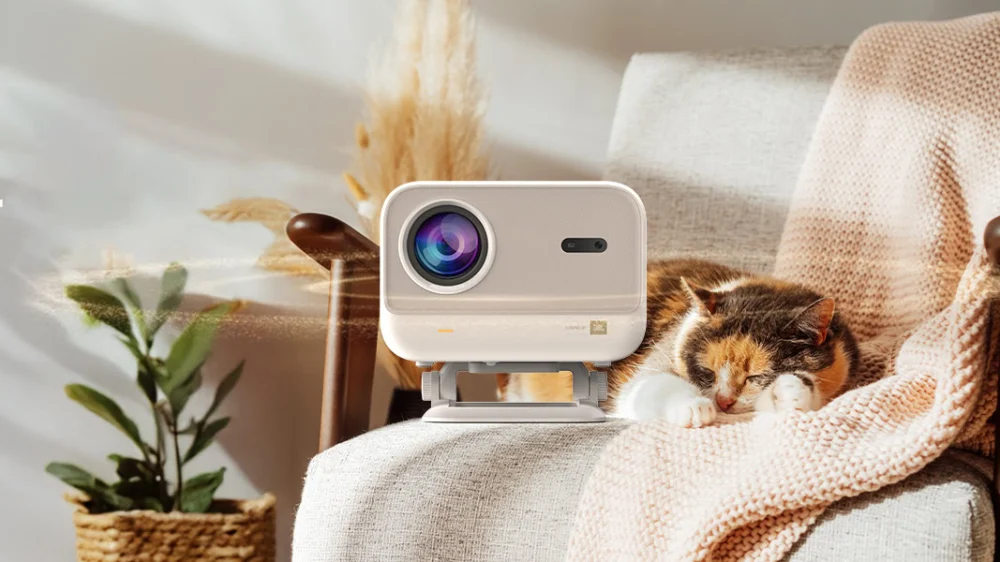
The consumer electronics landscape is perpetually shaped by rapid technological advancements and aggressive pricing strategies, a dynamic particularly evident in the home entertainment sector. Currently, the market is witnessing a significant price dislocation concerning the Yaber L2 Plus projector, which has plummeted to a historical nadir of $149.99. This aggressive positioning, facilitated through a limited-time promotional structure on major e-commerce platforms, warrants deeper scrutiny beyond the immediate savings, as such steep discounts often act as leading indicators for broader industry shifts.
The context surrounding this pricing action is crucial. Historically, projectors capable of delivering native 1080p resolution, coupled with integrated smart capabilities, resided comfortably in the $300 to $500 bracket. The entry point for any device offering a true high-definition experience, even one relying on upscaling, was significant. Yaber, a brand that has carved out a niche by aggressively pushing performance specifications at accessible price points, is now effectively challenging the perceived value ceiling for entry-level home cinema setups. Dropping a device of this specification profile to just under $150 represents more than just a weekend special; it suggests either a strategic move to capture overwhelming market share before the next product refresh cycle or a necessary maneuver to clear inventory against intensifying competition from emerging Asian manufacturers.
Analyzing the specifications further illuminates the significance of this price point. The Yaber L2 Plus boasts a maximum projection size extending up to 150 inches, a scale that transforms a standard living room wall into a substantial viewing surface. While the native resolution is often a point of contention in budget models—frequently advertised as "4K supported" but delivering true 1080p—the 1080p capability itself is a substantial feature at this cost. More impressive for this segment is the inclusion of dual integrated 8W JBL speakers. In budget projectors, audio is frequently an afterthought, relying on tinny, low-wattage drivers that necessitate immediate external speaker pairing. The incorporation of JBL-tuned acoustics suggests an elevated focus on out-of-the-box usability, a crucial factor for consumers migrating from traditional television sets.
The 460 ANSI lumens rating, while modest compared to high-end home theater projectors designed for dedicated dark rooms, is entirely adequate for ambient-light viewing environments or casual evening presentations, especially when considering the typical ceiling fan and light usage in budget-conscious setups. Furthermore, the inclusion of Wi-Fi 6 connectivity is a forward-looking feature that enhances streaming stability, mitigating common buffering issues associated with older Wi-Fi standards often found in legacy budget electronics. This blend of visual fidelity (1080p), acoustic quality (JBL 8W x 2), and modern networking (Wi-Fi 6) makes the $149.99 figure a critical inflection point in the democratization of home cinema technology.
From an industry implications standpoint, such aggressive pricing creates significant downward pressure on competitors occupying the $150-$250 range. Manufacturers relying on higher margins for similar feature sets—perhaps those offering proprietary software overlays or marginally higher brightness—will find their inventory rapidly devalued unless they respond in kind. This phenomenon is typical in the mature phase of LED projection technology, where component costs, particularly for DLP and LCD panels, have decreased substantially, allowing manufacturers to compete primarily on features, branding, and distribution efficiency. Yaber appears to be leveraging superior supply chain management to translate these cost efficiencies directly into market penetration pricing.
The inclusion of an integrated smart TV operating system further complicates the landscape for dedicated streaming dongles. The L2 Plus minimizes the need for ancillary hardware—no need to purchase a separate Fire Stick, Chromecast, or Roku device. This all-in-one approach appeals directly to the mainstream consumer prioritizing simplicity. While these proprietary operating systems rarely match the speed or comprehensive app support of established platforms, they satisfy the immediate demand for accessing major subscription services without added complexity or cost.
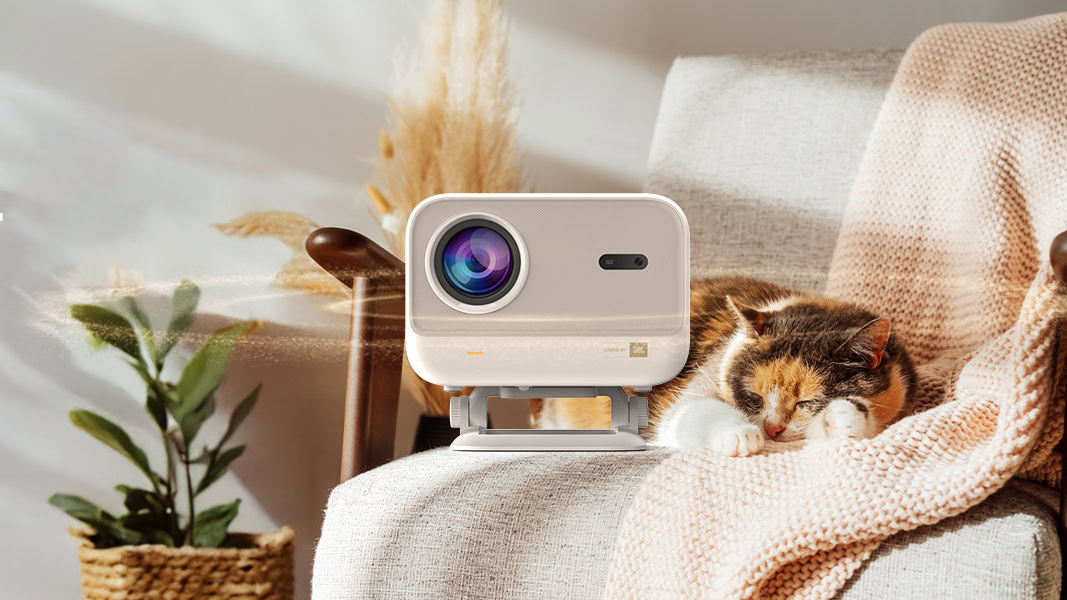
However, no analysis of a budget electronic device is complete without examining its inherent trade-offs. The most notable constraint mentioned is the absence of an internal battery. While this limits true portability—restricting its use to areas near a power outlet—it is arguably a sensible engineering decision at this price. Integrating a high-capacity battery capable of powering a projector, even an energy-efficient LED model, significantly increases unit cost, weight, and thermal management complexity. For most intended uses—backyard movie nights tethered to an outlet, or setting up a temporary gaming display—the AC dependency is a manageable compromise given the substantial savings realized elsewhere.
The promotional structure itself warrants analytical attention. Described as a "limited time deal" with stock quantities being actively depleted (as evidenced by the early depletion rate noted at the time of this writing), this strategy is designed to trigger immediate purchasing behavior via scarcity bias. This is not a slow burn; it is an urgent call to action. For consumers, this necessitates rapid decision-making. For the industry, it highlights the continued effectiveness of time-sensitive, volume-based sales events, particularly during weekend periods when leisure planning often intersects with technology purchasing.
Future Trajectory and Technological Benchmarks
Looking ahead, the Yaber L2 Plus’s current price establishes a new psychological benchmark for 1080p home projection. The expectation for future budget models will likely shift: 1080p will become the baseline expectation, rather than a premium feature. Attention will pivot to areas where budget devices still lag: true ANSI lumens ratings (moving beyond marketing numbers to standardized measurements), enhanced contrast ratios, and the adoption of newer, more energy-efficient light sources, perhaps early iterations of laser projection in the ultra-budget tier.
The audio integration provides another lens for future trend analysis. The reliance on two 8W speakers, while commendable for a budget unit, underscores the enduring need for superior external audio. The inclusion of Bluetooth connectivity allows users to easily upgrade this weakest link, suggesting manufacturers are aware that true cinematic immersion requires more than just a large picture. We anticipate seeing future budget models incorporate even higher-fidelity integrated audio solutions, potentially partnering with recognized audio brands to differentiate themselves beyond simple resolution specifications.
The smart OS capability, while functional, represents an area ripe for disruption. As Android TV licensing costs decrease or as open-source alternatives mature, the embedded operating system in these projectors will become faster, more intuitive, and better integrated with services. The current iteration likely serves as a proof-of-concept for mass adoption, paving the way for more seamless integration in subsequent hardware releases.
In conclusion, the sub-$150 valuation of the Yaber L2 Plus is a significant event in the affordable display market. It offers a compelling proposition for casual users, students, or those seeking an upgrade from small screens without incurring the expense of a full television replacement or a high-end projector. However, the limited nature of the offer mandates swift action for interested parties, as the market is signaling that this specific convergence of high-value specifications and record-low pricing is inherently ephemeral. Consumers must weigh the minor compromise of tethered operation against the substantial access to near-HD, large-format entertainment this deal currently affords. This pricing move is a clear indicator that the technological arms race in home projection is prioritizing accessibility, ensuring that large-screen experiences are rapidly becoming standard issue, not luxury additions. The next few months will reveal how established players respond to this aggressive floor price being set by aggressive newcomers.
