

The evolution of charging technology, particularly with the widespread adoption of the USB Type-C standard, was initially heralded as a simplifying force. Instead, it has devolved into a labyrinthine experience for consumers and a significant engineering hurdle for manufacturers. The core issue lies in the fragmentation of fast-charging protocols—a sprawling ecosystem featuring proprietary extensions layered atop universal standards like USB Power Delivery (USB PD) and its variants, such as Programmable Power Supply (PPS). This complexity is compounded by the critical, yet often overlooked, necessity of safeguarding long-term lithium-ion battery longevity, which is inherently sensitive to high temperatures and sustained high-voltage stress. For years, the industry seemed locked in a stalemate, producing devices that either offered blinding speed with incompatible bricks or adhered strictly to universal standards while delivering disappointingly moderate charging rates. This frustrating environment led many industry observers to conclude that a truly seamless, fast, and health-conscious charging experience was perpetually out of reach. However, recent testing with the Xiaomi 17 Ultra suggests that a viable, user-centric solution to this charging conundrum may finally be in sight.
The Standardization Paradox and Legacy Hurdles
The transition to USB-C was meant to eliminate the requirement for multiple cables, yet the quest for faster charging—often measured in minutes rather than hours—has reintroduced a different form of chaos. Consumers are now forced to navigate wattage wars: 30W, 65W, 100W, and beyond, often requiring specific, sometimes proprietary, power adapters and cables that meet stringent Electronic Marker (eMarker) requirements to safely handle the requisite amperage. Manufacturers, keen to differentiate their flagship offerings, have implemented proprietary algorithms that clash with the baseline expectations of standardized USB PD negotiations. This results in a scenario where a user plugs in what they believe is a universal, high-wattage charger, only to discover the device defaults to a trickle charge due to a protocol handshake failure or a deliberately conservative implementation dictated by the device maker.
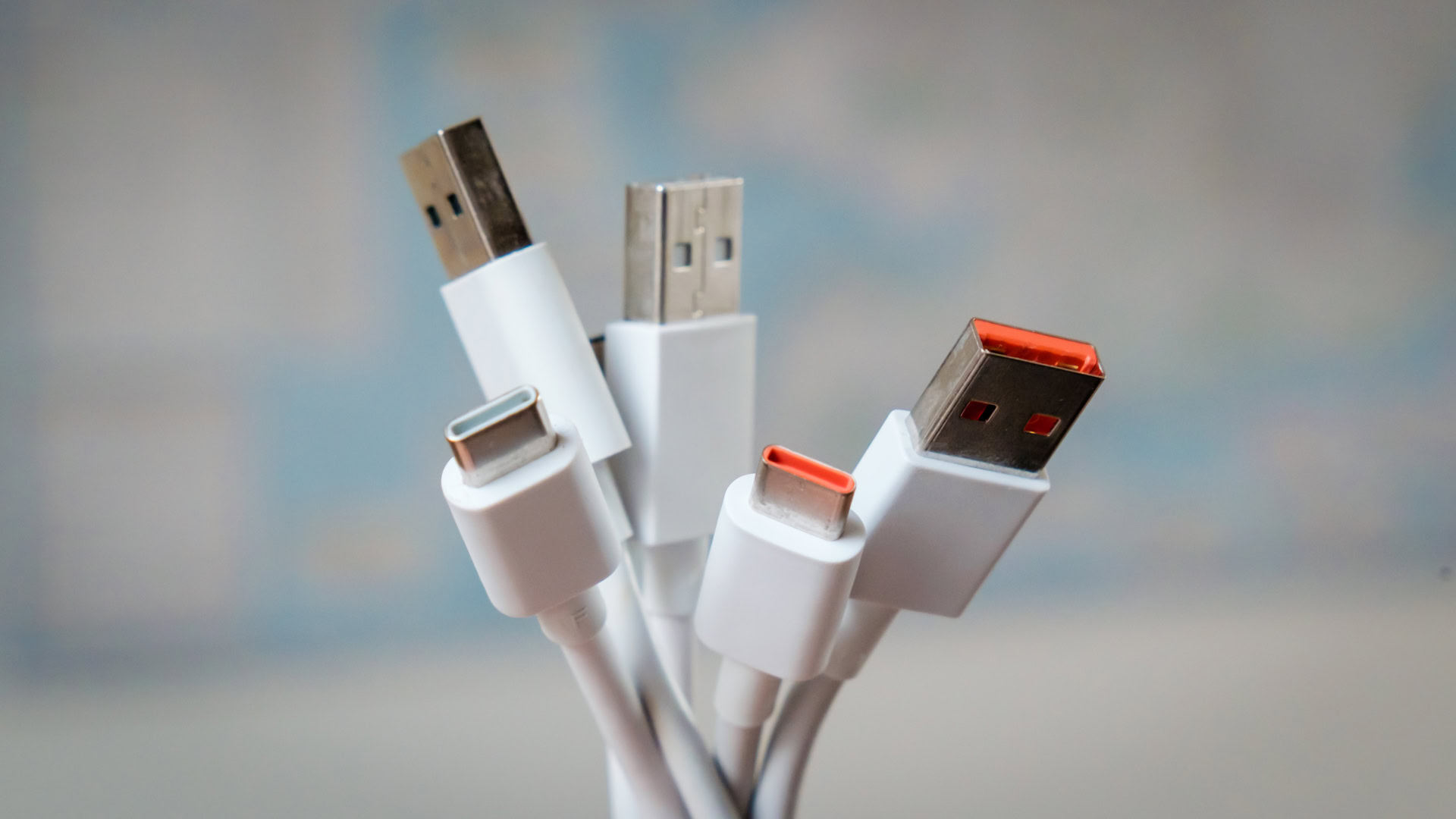
Xiaomi, historically, has been a proponent of aggressive proprietary fast charging with its HyperCharge technology. While these solutions deliver exceptional speeds when paired with their dedicated hardware, they often created walled gardens, sometimes shipping with older USB-A cables despite the device featuring a USB-C port—a glaring incongruity. However, the 17 Ultra signals a significant pivot, embracing a holistic approach that integrates high-speed proprietary capabilities with robust support for global standards.
Universal Compatibility Meets Peak Performance
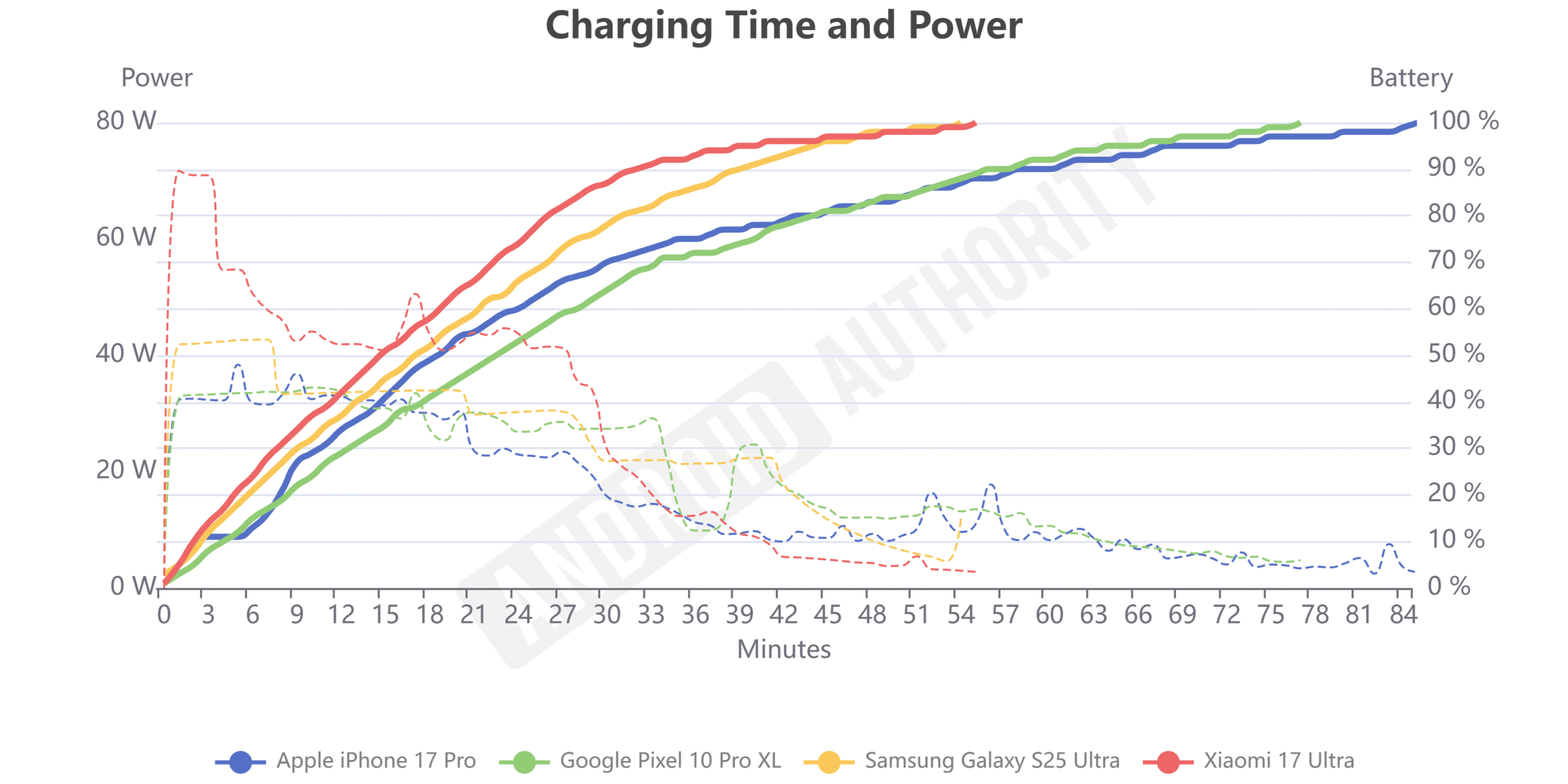
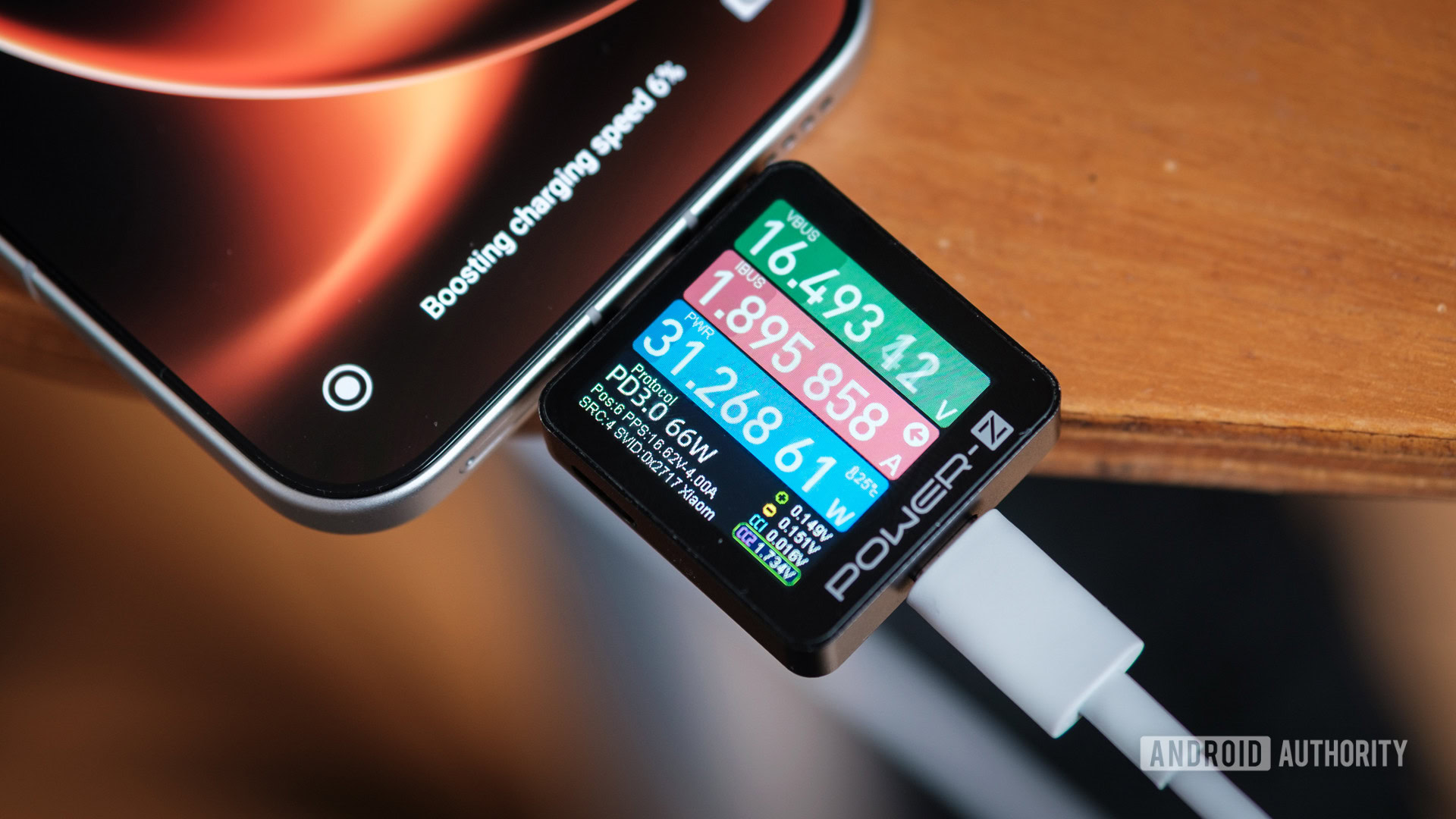
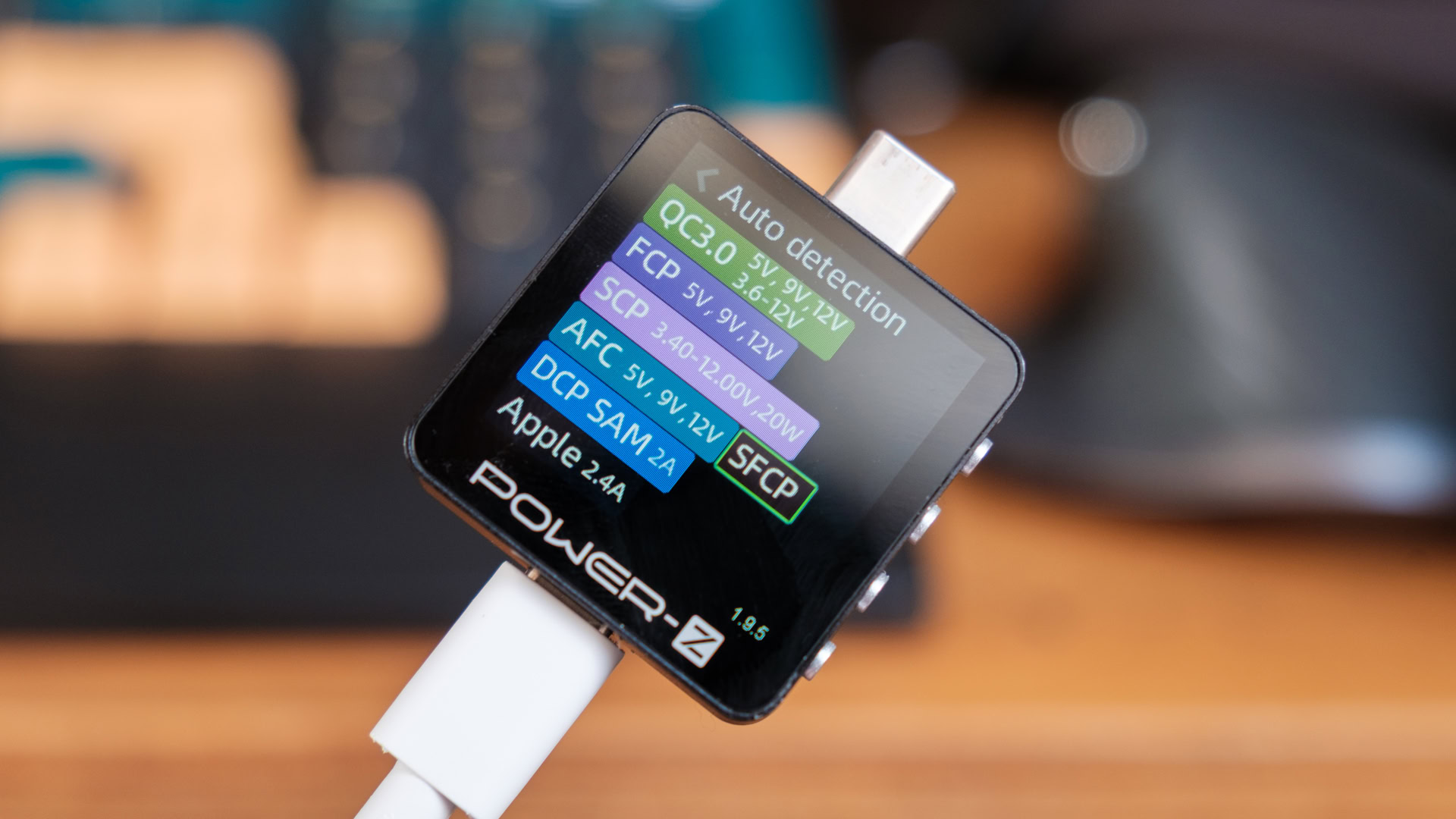
The Xiaomi 17 Ultra distinguishes itself by demonstrating exceptional commitment to interoperability. It successfully navigates the complex landscape of charging specifications, supporting not only its own optimized HyperCharge infrastructure but also the China-specific Unified Fast Charging Standard (UFCS) and the widely adopted USB PD specifications, including the crucial PPS extension. Testing reveals the device can achieve near-peak charging rates—up to 100W depending on the adapter—using high-wattage USB PD sources, a capability that places it significantly ahead of many competitors whose high-end devices often cap out substantially lower, even when connected to equivalent power sources.
This feat is particularly noteworthy considering the device is paired with a massive 6,000mAh Silicon-Carbon (Si-C) battery. Si-C chemistry promises higher energy density and better thermal stability than traditional lithium-ion, but maximizing charge speed without compromising the longevity of this advanced chemistry requires sophisticated power management. The ability to leverage high wattage (up to 100W from compatible chargers, with observed peak draws around 70W sustained during ideal conditions) on a battery of this capacity is a testament to advanced internal voltage regulation and thermal engineering. In direct comparison, major players in the Western markets—including offerings from Apple, Google, and even Samsung’s latest flagships (which have only recently begun standardizing around 60W)—often appear conservative or reliant solely on specific, branded accessories to achieve their advertised speeds. Xiaomi’s aggressive yet compatible implementation essentially renders proprietary charging mandates obsolete, offering users true freedom of accessory choice without sacrificing performance.
Software Intelligence: Putting the User in Control of Battery Health
Where the Xiaomi 17 Ultra truly revolutionizes the charging experience is not merely in how fast it can charge, but in how intelligently it allows the user to govern that speed relative to battery health. This moves beyond simple automatic throttling and introduces layered, context-aware control mechanisms integrated directly into the HyperOS.
One standout feature is the proactive suggestion for "Boost Mode." When the battery level drops below a critical threshold, such as 20%, the system prompts the user to activate a temporary speed boost, targeting a rapid charge to approximately 30%. This mirrors concepts seen in competitor devices but is implemented here with clear user consent. This temporary acceleration is designed for users facing immediate time constraints. Crucially, this mode is a temporary override of the standard, more conservative charging curve, allowing the user to explicitly trade marginal long-term health for immediate utility.
Equally impressive is the corresponding safety net. Once the boost phase is complete or if the user manually enables it, the system proactively sends a notification when the charge level reaches a higher, more stable point (e.g., nearing 80%), suggesting a return to the "Standard" charging profile. This gentle nudging toward a healthier charging rate—where the benefits of ultra-fast charging diminish rapidly and thermal stress increases—demonstrates an understanding of battery degradation physics. By encouraging the user to adopt a slower rate for the final 20% of the charge cycle, Xiaomi directly addresses the primary accelerant of battery aging: sustained high voltage near full capacity.
Further sophistication is found in the "Smart Charging" option. This mode dynamically adapts power input based on real-time device activity. If the phone detects high thermal load—for instance, immediately following an intensive gaming session—it subtly modulates the incoming power to maintain a lower operational temperature. While most modern chipsets employ hardware-level throttling to prevent overheating, the 17 Ultra elevates this by providing user feedback. A pop-up informing the user that charging is being moderated for thermal reasons allows for an informed choice. In most daily scenarios, users will accept this moderation, understanding that a cooler battery remains a healthier battery. The option to override this "Smart" behavior is present, presumably for scenarios where the user prioritizes speed over immediate thermal management, such as a final rapid top-up before departing.
The Critical Role of Screen State in Power Delivery
Perhaps the most elegant and technically sound feature implemented in the 17 Ultra’s charging logic is the dependency of maximum power draw on the screen state. Regardless of the selected charging mode—Standard, Boost, or Smart—the device reserves its absolute peak wattage (e.g., 70W or 90W draw from a 100W adapter) exclusively for when the display is inactive. When the screen is on and the device is in active use, charging power is significantly curtailed, often dropping into the 15W to 50W range, even under Boost mode.
This design choice is rooted in fundamental thermodynamics. Charging a battery inherently generates heat. Simultaneously using the display, the GPU, and the CPU—especially during high-demand tasks—generates substantial additional heat. Attempting to push maximum power into a device that is already generating significant internal heat is a direct assault on battery lifespan. By limiting peak power only when the screen is off, Xiaomi achieves a dual benefit: it maximizes the speed during passive charging periods (e.g., overnight or when the phone is idle on a desk) while preventing compounding thermal loads during active use. This intelligent power gating is a significant step forward, balancing the consumer desire for instant results with the engineering mandate for device longevity. It moves the conversation away from raw peak wattage numbers toward sustained, healthy power delivery profiles.
Missing Elements in an Otherwise Exemplary System
Despite setting a new high bar, the charging implementation is not without minor imperfections that merit attention from future iterations and competitors.
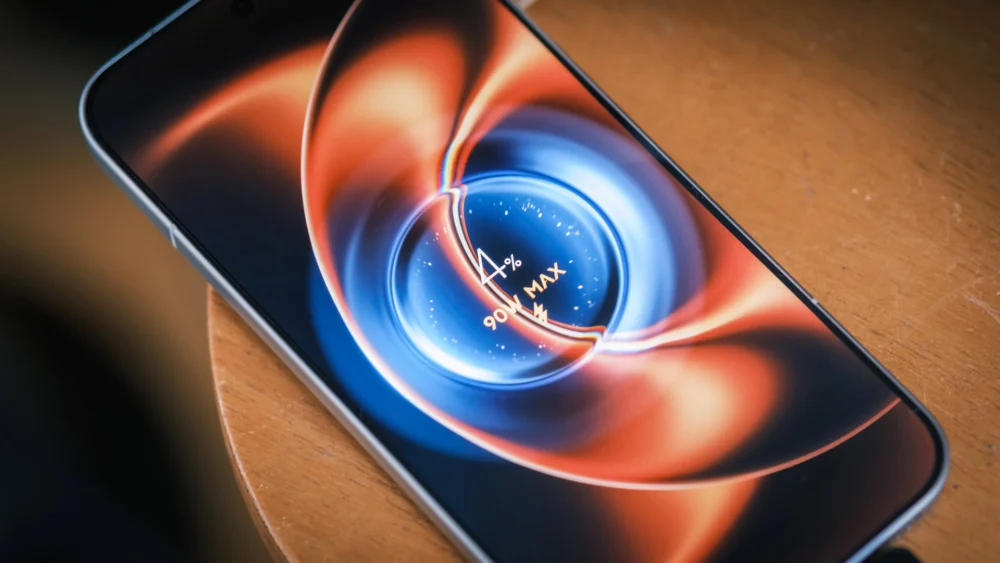
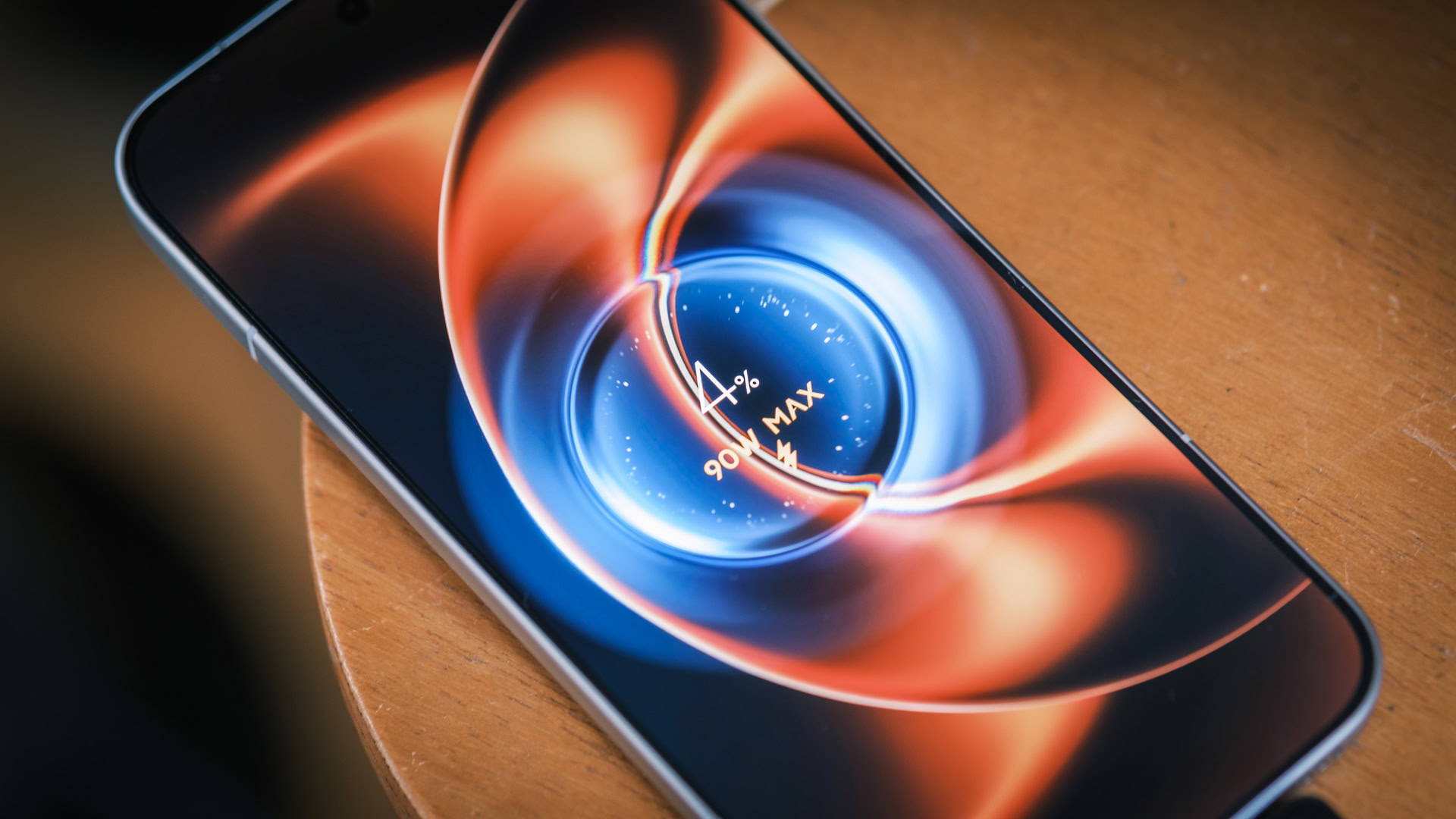
The first notable omission is the inconsistency in charging visualization when using non-proprietary sources. When connected to a Xiaomi-branded adapter, the lock screen clearly indicates the specific high-wattage charging speed being utilized (e.g., "90W Quick Charging"). However, when connected to an equally capable, certified USB PD PPS charger delivering the same power, the indicator can become ambiguous, sometimes defaulting to a generic or even proprietary graphic like "Mi Turbo Charge," which creates confusion about the actual power negotiation occurring. For true transparency in the USB-C standard, the UI should accurately reflect the negotiated protocol and wattage regardless of the source’s branding, provided the source meets the necessary voltage/current specifications.
The second, more significant, gap is the absence of true Bypass Charging functionality. Bypass charging—where power is routed directly to the motherboard to run the device, effectively isolating the battery from the charging circuit—is invaluable during extended, high-intensity use like prolonged mobile gaming sessions or continuous 4K video recording. While Xiaomi’s current temperature-aware throttling helps mitigate some heat buildup, bypassing the battery entirely eliminates the thermal stress associated with charging altogether, leading to cooler performance and zero associated battery degradation during that period. This feature, championed by a few other high-end gaming-focused OEMs, remains a critical tool for power users that the 17 Ultra currently lacks.
Furthermore, while the default inclusion of an 80% charge limit option is commendable for battery health maintenance, the ecosystem still relies on manual intervention or proactive software prompts. True optimization would involve allowing users to schedule an 80% cutoff automatically based on their typical waking schedule, further automating long-term care.
Industry Implications and The Path Forward
The Xiaomi 17 Ultra’s charging architecture holds profound implications for the wider mobile industry. It demonstrates that achieving ultra-fast charging speeds and robust battery preservation is not mutually exclusive; it requires sophisticated, layered software management that respects context—battery state, device temperature, and user interaction.
For years, competitors have adopted a strategy of either relying on one standard (often USB PD) or aggressively pushing proprietary solutions. Xiaomi, in contrast, has successfully engineered a system that treats charging not as a single event but as a dynamic process requiring continuous negotiation between hardware capability, universal standards compliance, and user intent.
This approach should become the new industry baseline. Consumers are increasingly aware of battery degradation; they seek speed but are wary of premature capacity loss. The tiered control—Quick Boost for emergencies, Smart for passive management, and Standard for daily longevity—offers a blueprint for how OEMs should integrate these often-conflicting demands. The industry’s continued reliance on vague marketing terms for charging speeds, often masking significant discrepancies based on cable quality or source compatibility, is unsustainable. The transparency offered by the 17 Ultra’s contextual prompts sets a challenging, yet necessary, precedent.
The future of charging technology will inevitably move toward higher wattages, likely crossing the 200W threshold in coming years, particularly as Si-C and solid-state batteries mature. However, without intelligent software frameworks like the one seen here, these higher wattages will only exacerbate the thermal management crisis and accelerate battery failure rates. The Xiaomi 17 Ultra suggests that the next frontier in charging innovation is less about the raw power of the brick and more about the intelligence baked into the firmware that manages that power delivery across the battery’s entire lifecycle. If major manufacturers like Apple and Google fail to adopt this level of contextual control and universal protocol support, they risk lagging not just in raw speed, but in delivering a trustworthy, long-term charging experience to their discerning user bases.