

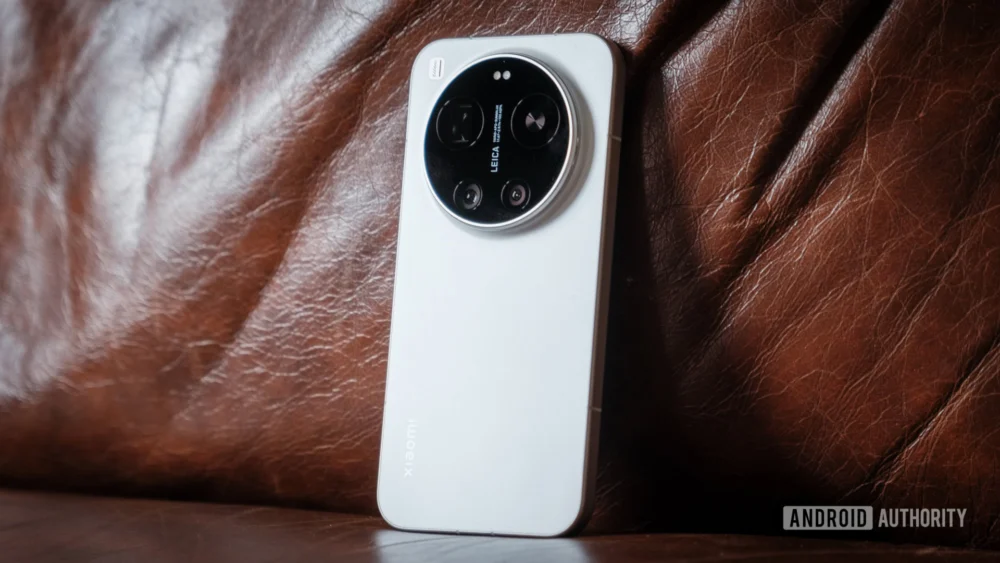
The global availability of the Xiaomi 17 and Xiaomi 17 Ultra marks a significant inflection point in the premium smartphone landscape, arriving at a time when consumer anticipation for established rivals, such as the anticipated Samsung Galaxy S26 series, remains high. After an initial domestic launch in China, the arrival of these devices in international markets signals Xiaomi’s firm commitment to asserting dominance in the ultra-premium segment, leveraging cutting-edge silicon and revolutionary camera technology to woo discerning consumers.
At the core of both the standard Xiaomi 17 and the flagship Ultra variant lies the formidable Qualcomm Snapdragon 8 Elite Gen 5 processor. This choice immediately positions the entire series at the apex of mobile performance, ensuring that users experience virtually instantaneous responsiveness, superior sustained gaming performance, and enhanced efficiency for demanding AI tasks integrated within the HyperOS 3 operating system. This shared foundation standardizes the baseline experience across the lineup, offering a consistent taste of top-tier processing power, regardless of which tier the consumer opts for.
Further unifying the user experience are several premium specifications that Xiaomi has now made standard across the series: robust IP68 dust and water resistance, indicating a serious commitment to durability; rapid 50W wireless charging capabilities, keeping pace with industry leaders; and a high-resolution 50MP front-facing camera with an f/2.2 aperture, suggesting a strong focus on selfie and video conferencing quality. Furthermore, the inclusion of an ultrasonic in-display fingerprint scanner provides both speed and reliability in biometric security, a feature that often differentiates true flagships from near-premium offerings.
The Xiaomi 17 Ultra: Redefining Mobile Optics
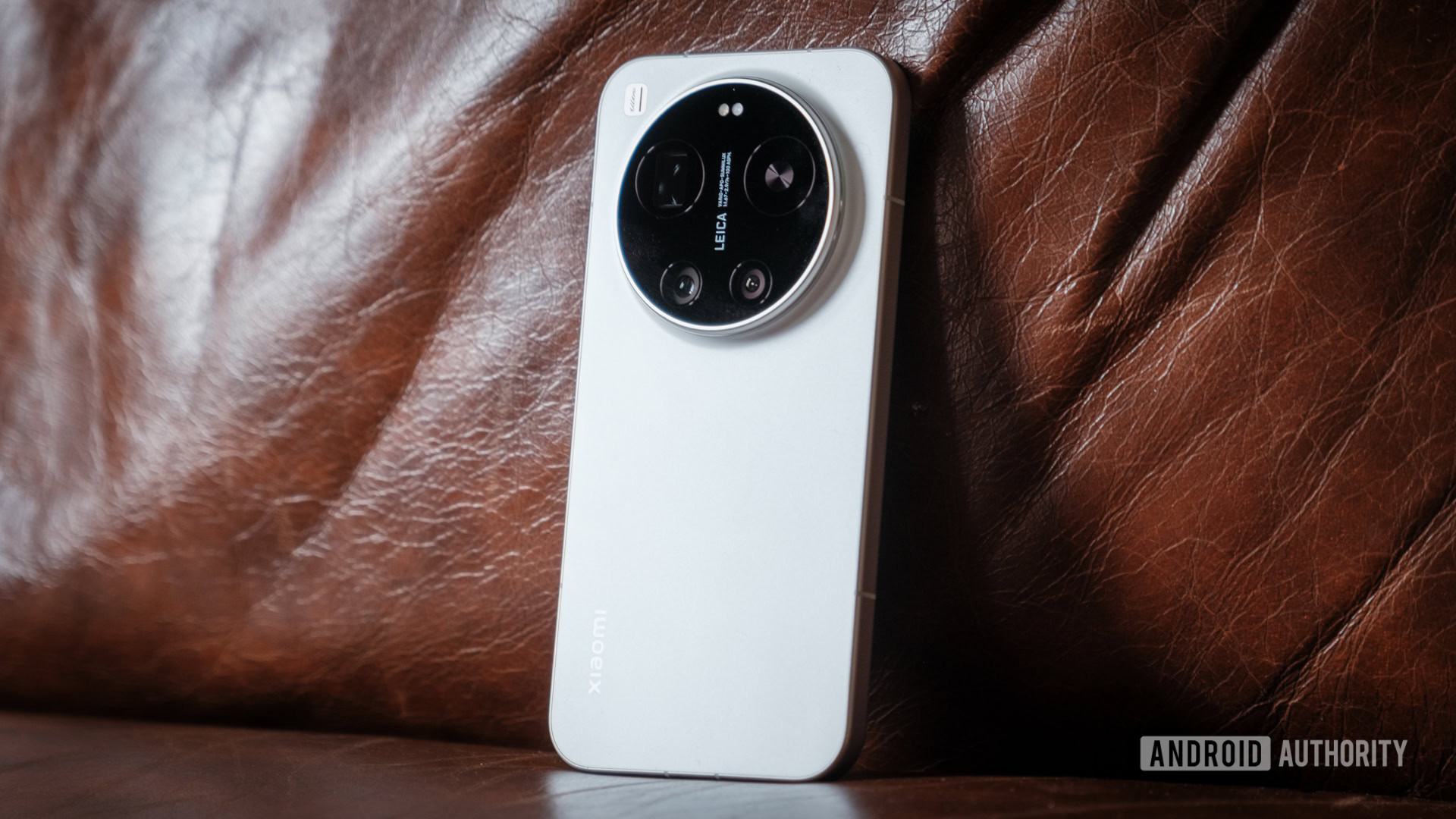
The Xiaomi 17 Ultra is clearly engineered to compete directly for the title of the year’s best camera phone, a battleground where Xiaomi has invested heavily in recent generations. The hardware configuration is audacious, centered around a massive 50MP one-inch primary sensor utilizing Light Fusion 1050L technology, complete with Low-light Over-Exposure Fusion Control (LOFIC). This sensor size and accompanying technology promise exceptional light gathering capabilities and superior dynamic range, critical metrics for professional-grade mobile photography.
The Ultra’s approach to telephoto imaging is particularly noteworthy. It integrates a 200MP ISOCELL HPE sensor paired with a true variable optical zoom mechanism spanning from 75mm to 100mm focal lengths (approximately 3.1x to 4.1x optical magnification). This integration of extreme resolution with mechanical variable focus is a significant engineering feat. While the Sony Xperia 1 VII boasts a wider optical zoom range, Xiaomi’s implementation allows for the precise elimination of the traditional fixed 3x optical lens found in previous models. The result is a more seamless transition across mid-range focal lengths, augmented by Xiaomi’s software processing, which claims an unprecedented ~17.2x lossless zoom capability. This suggests aggressive computational photography blending data from the high-resolution sensor across the optical range.
Beyond stills, the Ultra supports high-fidelity video capture, including 4K resolution at 120 frames per second enhanced with Dolby Vision HDR, and 8K recording at 30fps. The inclusion of ACES (Academy Color Encoding System) standard support for 4K/120fps capture indicates a deep engagement with cinematic workflows, appealing to serious mobile videographers who require industry-standard color pipelines.
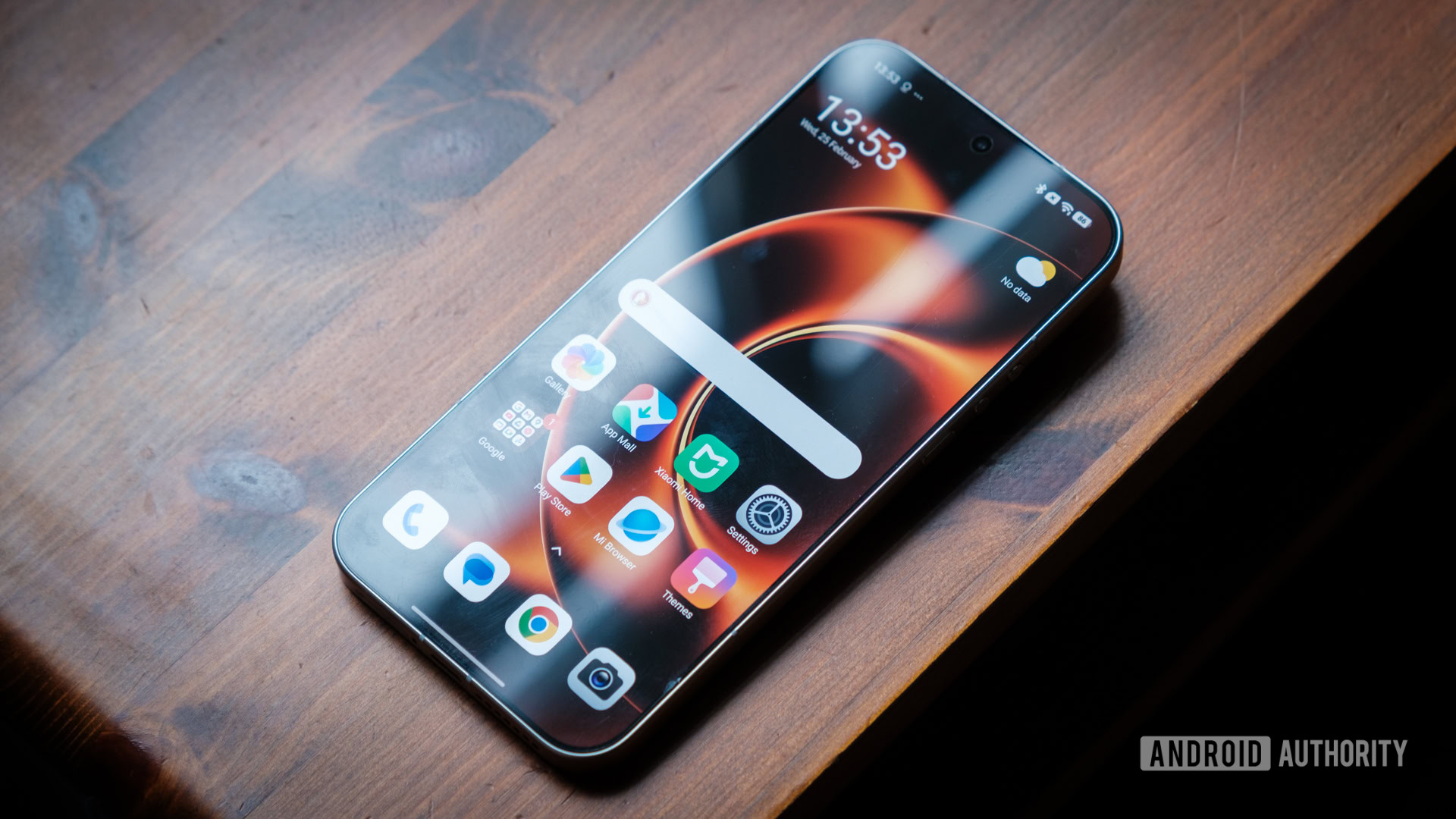
The physical specifications of the Ultra also speak to its premium positioning: a sprawling 6.9-inch LTPO OLED display with a sharp 2,608 x 1,200 resolution and a dynamic 120Hz refresh rate, protected by the latest Shield Glass 3.0. Power delivery is aggressive, featuring 90W wired charging, though the global variant sees a noticeable reduction in battery capacity to 6,000mAh, down from the 6,800mAh cell found in the China-exclusive model. This capacity reduction, while perhaps necessary for global thermal management or component fitting, remains a point of scrutiny for power users.
Adding further cachet, the globally launched Leica edition—officially dubbed the Leica Leitzphone powered by Xiaomi—brings bespoke aesthetic and functional enhancements. Most striking is the physical rotating dial integrated around the camera module, intended to offer tactile, analogue control over the camera’s zoom parameters, merging high-tech hardware with a nostalgic photographic interface.
The Xiaomi 17: Compact Powerhouse with Strategic Trade-offs
The standard Xiaomi 17 targets the segment seeking high-end performance in a slightly more manageable form factor. Its 6.3-inch LTPO OLED display (2,656 x 1,220, 120Hz) maintains excellent visual fidelity, though its size makes it considerably more pocketable than the Ultra. Charging specifications are slightly superior on the wired front, boasting 100W charging utilizing the USB-PD PPS standard, alongside the shared 50W wireless charging. Interestingly, the standard model retains a larger 6,330mAh battery globally—a battery size that paradoxically surpasses the Ultra’s global capacity, though it is a step down from its own Chinese counterpart’s 7,000mAh unit.
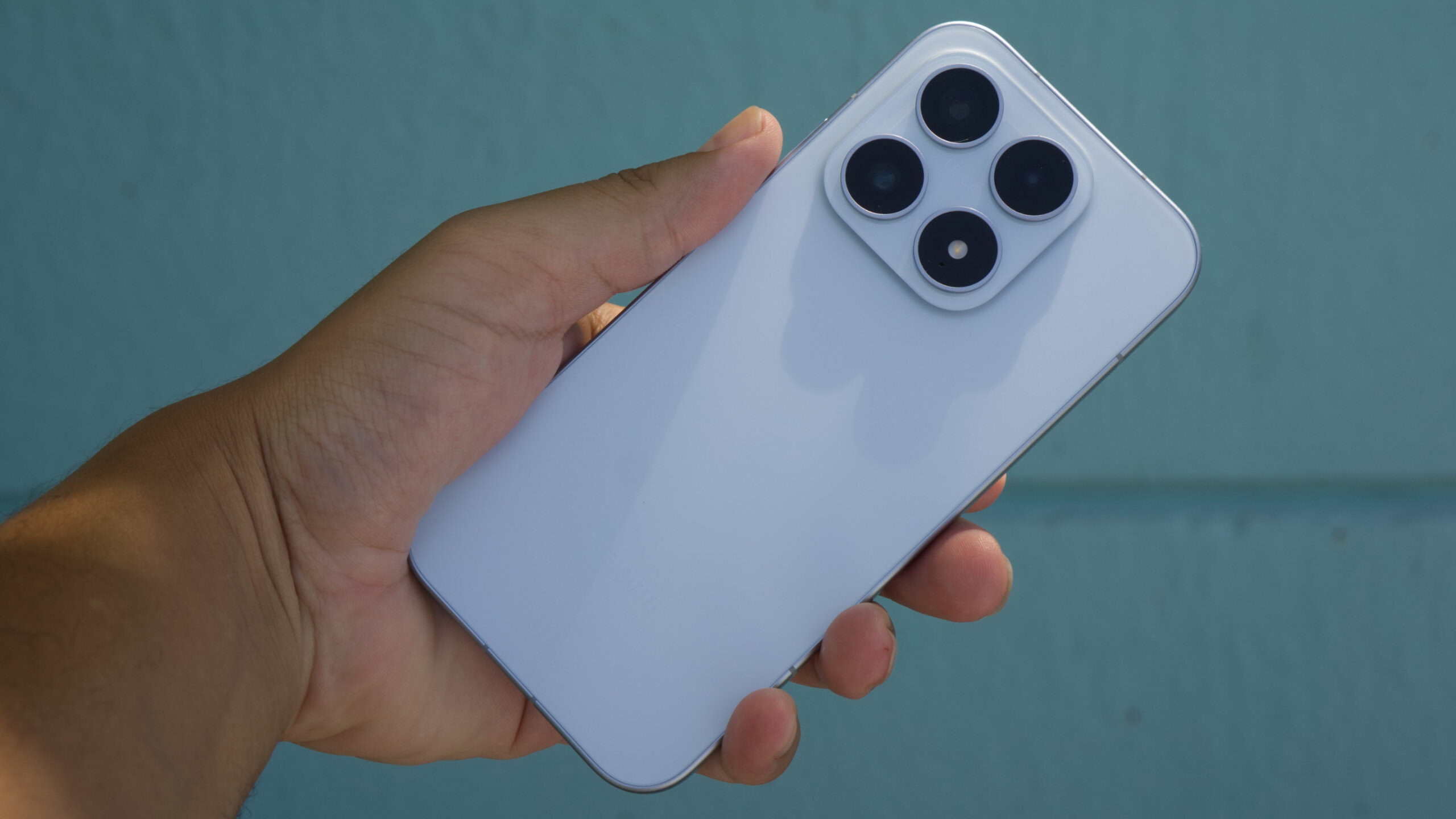
The camera system on the standard 17 reflects a strategic pruning compared to the Ultra, yet remains competitive. It features a triple 50MP array, bearing similarities to the previous generation’s high-end offerings. Analysis of the specific sensor parameters reveals minor regressions compared to the preceding Xiaomi 15 standard model: the main 50MP sensor now operates at a slightly narrower f/1.7 aperture (down from f/1.6), and the ultrawide drops to f/2.4 (from f/2.2). While these aperture adjustments are marginal, they suggest that Xiaomi has prioritized system integration and cost management in the standard model without sacrificing the essential triple-lens structure. The dedicated 2.6x telephoto lens remains robustly specified at 50MP. Furthermore, the selfie camera receives a significant resolution bump, moving from 32MP to 50MP, albeit with a slightly slower f/2.2 aperture.
Industry Implications and Competitive Positioning
The global release of the Xiaomi 17 series is more than just a product launch; it’s a calculated maneuver in the high-stakes battle for Android supremacy. By deploying the Snapdragon 8 Elite Gen 5 globally, Xiaomi bypasses potential early adoption hesitation often associated with unproven chipsets, cementing its performance credentials immediately against rivals who may still be awaiting their next-generation processor rollouts.
The most profound industry implication lies in the camera hardware strategy, particularly with the 17 Ultra. The introduction of a high-resolution (200MP) sensor married to a mechanically variable optical telephoto lens challenges the established multi-focal length approach favored by competitors like Apple and Samsung. While iterative improvements in computational photography are common, hardware innovation at this level—a variable focal length on a massive megapixel count sensor—forces rivals to accelerate their own optical engineering roadmaps. If Xiaomi can deliver on the promised 17.2x lossless zoom with high fidelity, it establishes a new benchmark for reach that others will be compelled to match or surpass in the next hardware cycle.
The existence of the Leica partnership further underscores Xiaomi’s strategy: it is not merely competing on specifications but on the experience and prestige associated with established imaging brands. This collaboration lends an air of legitimacy and artisanal quality to the hardware, helping to justify the aggressive pricing structure and appealing to users who prioritize brand heritage alongside raw power.
Expert Analysis: The Global Compromises
A deeper technical examination reveals strategic compromises made for the global market, particularly concerning battery capacity. The 800mAh reduction in the 17 Ultra’s battery (6,800mAh in China to 6,000mAh globally) warrants scrutiny. In the context of powering a massive LTPO display and a demanding imaging subsystem, even small capacity cuts can impact real-world endurance. Manufacturers often face trade-offs between battery size, thermal dissipation, and device thickness/weight. For Xiaomi, balancing the premium Ultra experience with global regulatory compliance or internal chassis constraints likely necessitated this reduction, although it subtly undercuts the initial hype generated by the domestic variant.
Conversely, the Xiaomi 17’s battery (6,330mAh globally, down from 7,000mAh) retains a significant edge over its Ultra sibling. This suggests Xiaomi recognized the standard model as a primary contender for all-day users who might value endurance over the specialized camera hardware of the Ultra. The 100W wired charging on the standard model is also fractionally faster than the Ultra’s 90W, another small indication of differentiated engineering priorities between the two SKUs.
The subtle aperture downgrades on the standard Xiaomi 17’s main and ultrawide cameras—a reduction of f/1.6 to f/1.7 and f/2.2 to f/2.4 respectively—are classic examples of cost engineering in non-flagship tiers. While unlikely to be perceptible in bright daylight, these tighter apertures will marginally reduce light intake in challenging scenarios, a trade-off expected when moving from a primary launch market to broader international distribution where aggressive margin management is key.
Future Trajectory and Market Impact
The Xiaomi 17 series launch sets the stage for intense competition throughout the upcoming year. Consumers contemplating the next iteration of flagship devices, such as the rumored Galaxy S26 series, now have a concrete, high-specification alternative available immediately. The timing of this global release is crucial; it aims to capture early adopters before competitors solidify their own launch windows.
If the Xiaomi 17 Ultra’s variable telephoto system proves to be genuinely superior in optical consistency and detail retrieval, it could drive a systemic shift in how OEMs approach zoom. We may see a move away from stacked periscope lenses offering fixed high magnifications towards fluid, optically variable systems covering more practical, everyday focal ranges. This mirrors trends seen in professional mirrorless cameras, suggesting that mobile photography is maturing beyond simple megapixel wars into optical refinement.
Furthermore, the pricing strategy is aggressive, particularly for the Ultra variant. Starting at €1,499 (~$1,771) for 512GB, it positions itself squarely against the highest-end offerings from Samsung and Apple, but often with superior raw specifications on paper (e.g., charging speeds, sensor size). The ultimate success globally will hinge not just on benchmarks, but on the long-term software optimization of HyperOS 3, particularly its integration with the sophisticated camera hardware and its ability to maintain performance parity with optimized ecosystems. Xiaomi is clearly signaling that it is no longer content to be the value alternative; it is aiming for the technological and experiential pinnacle of the smartphone market.
The base Xiaomi 17, priced from €999 (~$1,181), creates a compelling proposition for users demanding near-flagship performance without the Ultra’s extreme camera module. This tier is often the volume driver for manufacturers, and its competitive battery life and rapid charging make it a formidable mid-to-high-range disruptor.
In summary, the global debut of the Xiaomi 17 line is a declaration of intent. With industry-leading processing power, innovative optical engineering in the Ultra, and competitive pricing across the board, Xiaomi is actively reshaping consumer expectations for what a modern Android flagship must deliver, forcing established players to recalibrate their strategies in response.