

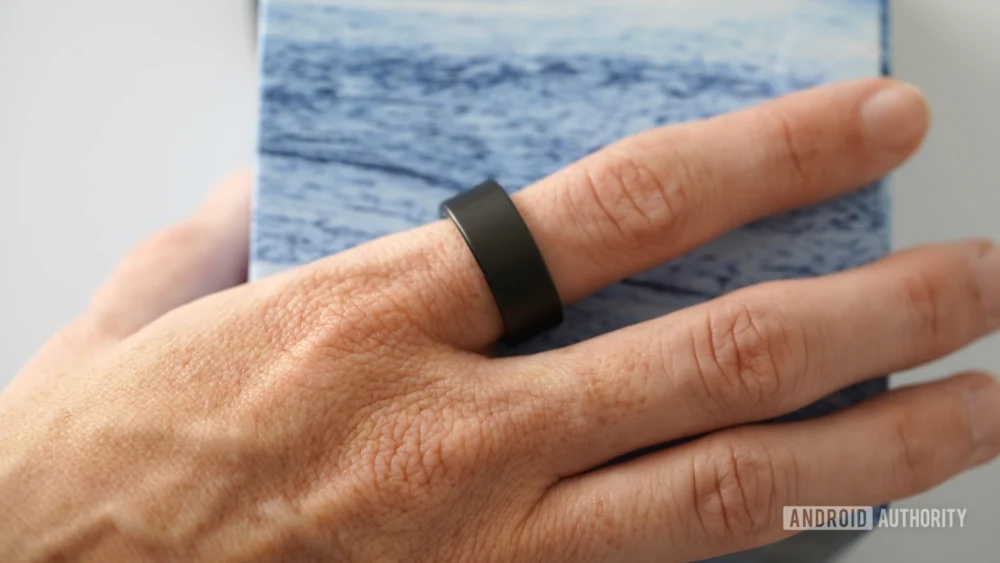
The pervasive and often debilitating nature of migraine, affecting an estimated one billion individuals globally, has long demanded more sophisticated, personalized management strategies beyond traditional pharmacotherapy. While the American Migraine Foundation highlights the profound global burden of this neurological disorder, the path to effective prevention often hinges on identifying highly individualistic triggers—a challenge that frequently eludes standard clinical approaches. Now, the burgeoning field of consumer health wearables is poised to bridge this gap through deep physiological data analysis. Ultrahuman, known for its advanced biometric tracking capabilities via its smart ring hardware, is collaborating with Click Therapeutics to introduce a novel, software-driven intervention aimed directly at this chronic condition: the "Migraine PowerPlug."
This strategic alliance signifies a critical juncture where consumer-grade continuous monitoring intersects with clinical-grade behavioral science, promising a paradigm shift in how sufferers approach migraine prophylaxis. The core innovation lies in leveraging the rich, continuous stream of physiological data already collected by the Ultrahuman platform—metrics such as sleep architecture, activity levels, heart rate variability (HRV), and overall stress load—and applying advanced algorithmic modeling to establish causal links with migraine onset.
The Architecture of Personalized Prevention
Migraine is notoriously complex, driven by a confluence of genetic predisposition, environmental stimuli, and acute physiological stressors. Traditional trigger identification often relies on retrospective, user-logged diaries, which are prone to recall bias and lack the objective, minute-by-minute context that physiological sensors provide. The Migraine PowerPlug aims to automate and refine this process.
The feature functions as a sophisticated correlation engine. By ingesting time-series data from the smart ring, the system seeks to pinpoint deviations or patterns in the user’s baseline biometrics that consistently precede a documented migraine attack. For instance, a subtle but persistent dip in nightly deep sleep duration, coupled with an elevation in resting heart rate variability (a proxy for autonomic nervous system stress) over three consecutive days, might be algorithmically flagged as a high-risk precursor state.
Click Therapeutics’ involvement brings crucial weight to this initiative, particularly given their established work in digital therapeutics, some of which have received authorization from regulatory bodies like the FDA. This collaboration suggests that the algorithms underpinning the Migraine PowerPlug are being engineered with a rigor that moves beyond mere wellness tracking toward evidence-based intervention design. The goal, as stated by the partners, is to enable users to “spot their own patterns, build consistency where it matters, and use science-backed strategies to improve resilience over time.”
This resilience-building component is vital. Migraine management is less about eliminating all potential triggers—an often impossible task—and more about enhancing the body’s threshold for tolerating those triggers. By identifying specific behavioral modulations that stabilize physiological markers (e.g., maintaining a consistent bedtime or ensuring optimal hydration corresponding to activity levels), the tool aims to actively raise this resilience ceiling. Recommendations are anticipated to be highly granular, moving beyond generic advice to offering specific targets, such as a personalized hydration target derived from daily activity expenditure and baseline physiological needs, or a sleep window adjusted based on accumulated sleep debt prior to an episode.
Industry Implications: The Maturation of Digital Therapeutics
The partnership between a hardware-focused health technology company (Ultrahuman) and a digital therapeutics developer (Click Therapeutics) is indicative of a significant trend reshaping the health tech landscape. We are witnessing the transition from passive data collection devices to active, prescriptive health platforms.
For the broader wearables market, this development signals a crucial shift in perceived value. Early generations of smart rings focused primarily on macro metrics like step count and overall sleep duration. However, the next frontier demands clinical relevance and actionable insight. By focusing on a specific, high-burden condition like migraine, Ultrahuman is positioning its hardware not just as a fitness accessory, but as a foundational diagnostic and management tool. This elevates the competitive standard for all wearable manufacturers, suggesting that future market differentiation will rely heavily on the depth and validity of the software layer interpreting the biometric signals.
Furthermore, the integration of FDA-authorized technology methodologies into a consumer platform opens complex regulatory and ethical discussions. While the Migraine PowerPlug itself may initially be marketed as a wellness feature, its reliance on validated therapeutic principles suggests potential future pathways for clinical validation or integration into prescribed care pathways. This blurring line between consumer health and regulated medical device functionality is a major area of interest for investors and regulators alike.
Expert Analysis: The Power of Autonomic Nervous System Tracking
From a neurophysiological standpoint, the focus on HRV, sleep, and activity is particularly astute for migraine management. Migraines are deeply intertwined with the dysregulation of the autonomic nervous system (ANS). HRV, which measures the beat-to-beat variation in heart rate, is a non-invasive proxy for the balance between the sympathetic ("fight or flight") and parasympathetic ("rest and digest") branches of the ANS.
Chronic stress, poor sleep quality, or even dehydration can skew HRV, indicating a state of physiological allostatic load—the cumulative wear and tear on the body. For migraineurs, this elevated allostatic load often lowers the migraine threshold, making them more susceptible to environmental triggers like light or weather changes. A smart ring excels at capturing these subtle, chronic shifts in ANS balance far more effectively than periodic measurements taken in a clinic.
Dr. Elena Rodriguez, a neurologist specializing in headache disorders, notes that the key challenge with prevention is adherence to complex lifestyle modifications. "Patients are told to manage stress, sleep well, and stay hydrated, but without objective feedback linking those actions directly to an outcome they care about—fewer headaches—motivation wanes," she suggests. "A system that can say, ‘Your HRV improved by 15% last week because you maintained your 10 PM bedtime window, and your migraine incidence dropped by 40%,’ provides the necessary feedback loop for sustained behavioral change."
The success of the Migraine PowerPlug will depend heavily on the robustness of its machine learning models to filter out noise (e.g., transient illness or acute exercise spikes) and isolate meaningful, chronic patterns relevant to migraine pathophysiology.
Logistical Rollout and Global Accessibility
The planned rollout schedule underscores a phased, cautious approach typical of sophisticated digital health products. An initial pilot phase is slated before the official launch in early 2026. This testing period will be crucial for refining the algorithms using real-world user data under controlled conditions, ensuring the correlation models generalize effectively across diverse user populations.
The planned availability across major markets—including the US, Canada, the EU, India, and Australia—highlights the global relevance of migraine as a health concern, but also suggests an awareness of regulatory diversity. Navigating the varied health data privacy laws (such as GDPR in Europe and HIPAA considerations in the US, even for non-medical devices) will be a significant undertaking for the partnership.
The accessibility factor is another compelling element. Smart rings offer a lower barrier to entry than many specialized medical monitoring devices. If the Ultrahuman platform can successfully leverage its existing user base, it provides an immediate, large-scale cohort for testing and refinement, accelerating the path to a validated tool.
Future Trajectories: Beyond Correlation to Prescription
Looking ahead, the Migraine PowerPlug sets a precedent for how biometric wearables can evolve into genuine supportive therapies for chronic conditions. The immediate future involves refining the personalization of behavioral nudges. However, the long-term implications point toward deeper integration with the broader healthcare ecosystem.
One major trend emerging from this type of data aggregation is the potential for predictive alerts that are integrated directly into clinical workflows. Imagine a future where the Ultrahuman platform, with explicit user consent, alerts a patient’s neurologist when their physiological risk profile crosses a predetermined threshold, allowing for proactive intervention (e.g., adjusting abortive medication dosage or scheduling a consultation) before the aura phase begins.
Furthermore, this approach could catalyze advancements in understanding migraine subtypes. Different headache disorders—episodic versus chronic migraine, tension headaches, cluster headaches—respond to different stimuli. A comprehensive longitudinal dataset linking physiology to confirmed attacks could eventually allow algorithms to differentiate these patterns, leading to even more precise, subtype-specific management protocols delivered through the digital interface.
The convergence demonstrated by Ultrahuman and Click Therapeutics is not merely about adding a new feature; it represents the practical application of continuous monitoring to unlock personalized pathophysiology. For the millions afflicted by migraines, this development offers a tangible hope: moving from reactive management to proactive, data-informed control over their neurological health. The success of the Migraine PowerPlug will serve as a vital case study for how the convergence of consumer wearables and established digital health methodologies can transform the lives of those managing complex, chronic conditions.