


The landscape of digital finance, characterized by rapid technological adoption and the increasing reliance on third-party software vendors, faced a significant test as Betterment, a leading U.S. robo-advisory firm, confirmed a security incident involving unauthorized access to its systems. This breach was immediately weaponized to disseminate highly sophisticated, crypto-themed phishing attacks targeting a segment of its substantial client base. The incident underscores a persistent and evolving threat vector: the compromise of marketing technology stacks as a gateway into customer communications channels, even for organizations managing billions in assets.
Betterment, which shepherds over $65 billion in assets for more than a million customers, operates at the intersection of automated investment algorithms and personalized financial guidance, positioning it as a vanguard of the robo-advisory movement. The breach, which unfolded around January 9th, did not originate from a direct assault on Betterment’s core financial infrastructure. Instead, the threat actor successfully infiltrated a specific, external software platform utilized by Betterment for its marketing outreach activities. This distinction is crucial, as it shifts the focus from the integrity of the investment platform itself to the security posture of its extended digital ecosystem.
The immediate consequence of this infiltration was the deployment of fraudulent electronic communications designed to exploit the volatile and high-reward perception surrounding cryptocurrency. These messages, expertly crafted to appear legitimate, emanated from the [email protected] subdomain—a verified communication channel—and carried the deceptive subject line: "We’ll triple your crypto! (Limited Time)." The content brazenly announced a promotional event, claiming to "triple Bitcoin and Ethereum deposits" for a short window, urging recipients to transfer digital currency to specified wallet addresses with the promise of a 300% return. The audacity of the scam was amplified by the inclusion of specific, albeit fabricated, transaction limits, suggesting acceptance of deposits up to $750,000 before a stated deadline.
Betterment’s initial response on January 9th was swift, issuing an alert to customers to disregard the fraudulent offer, emphasizing its inauthenticity. However, the full scope of the compromise became clearer the following day, January 10th, when the firm formally acknowledged the unauthorized access to "certain Betterment systems" that facilitated the mass distribution of the crypto scam. Crucially, the company asserted that its primary technical infrastructure remained insulated; there was no evidence indicating that threat actors accessed customer account credentials or performed direct intrusions into individual client accounts.

The Third-Party Vector: A Recurring Industry Pain Point
The mechanism of this attack bears striking resemblance to other high-profile incidents targeting major consumer-facing platforms. Notably, just before the Christmas holiday, a similar crypto reward scam, promising tenfold returns, was launched against users after a threat actor compromised the communication systems used by Grubhub for its restaurant partners. This parallelism strongly suggests the involvement of the same sophisticated threat actor or group utilizing a known, repeatable methodology: targeting vulnerabilities within third-party marketing automation or email service providers (ESPs).
For wealth management and financial technology firms like Betterment, the reliance on these external vendors is a necessity for scale and personalized engagement. However, this integration creates an inherent security exposure. When a vendor managing email delivery or marketing blasts is compromised, the trust associated with the primary brand’s domain is immediately leveraged against the customer. The compromise of a legitimate subdomain, such as e.betterment.com, defeats many conventional email authentication protocols (like DMARC/SPF) designed to prevent domain spoofing, making the phishing attempt significantly more credible to the end-user.
According to Betterment’s disclosures, the compromised system resulted in the exposure of certain customer data stored within that specific marketing environment. While the firm has been cautious about detailing the exact categories of data exposed, the mere fact that customer information resided on the compromised third-party platform raises serious questions about data segmentation and the principle of least privilege applied to vendor access. In the context of financial services, even non-transactional data—such as names, email addresses, and potentially aggregated portfolio information used for segmentation—is highly valuable to follow-on social engineering attacks.
Expert Analysis: The Anatomy of Supply Chain Exploitation
From a cybersecurity perspective, this incident exemplifies a critical vulnerability within the software supply chain affecting FinTech. Security experts consistently warn that focusing security efforts solely on the perimeter of the core application is insufficient when communication channels rely on external partners.
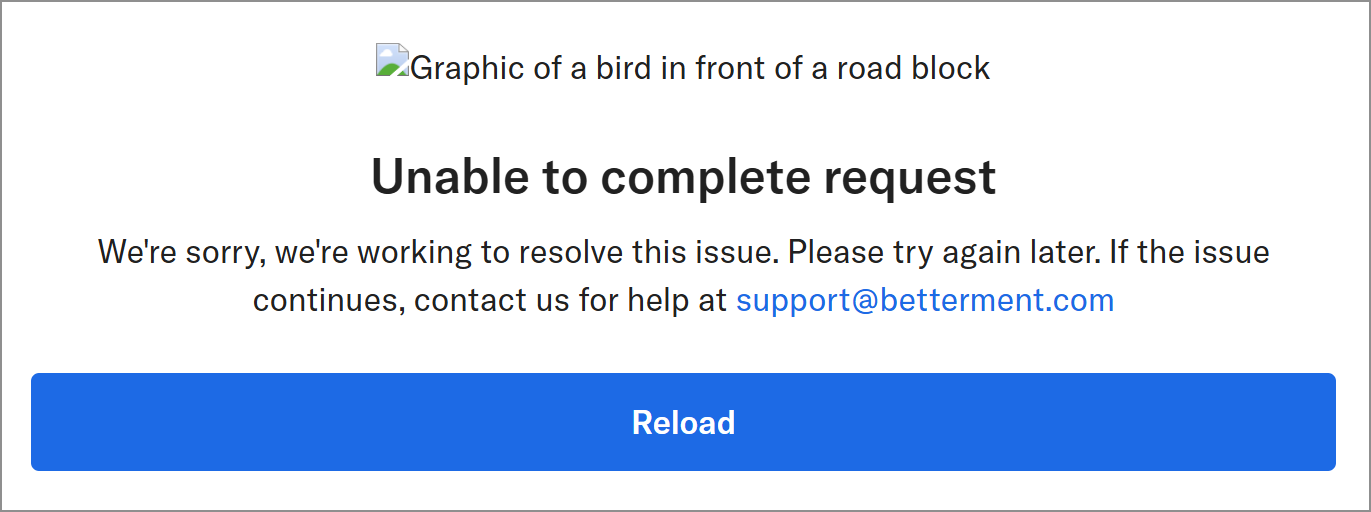
The attack vector employed here is known as Business Email Compromise (BEC) 2.0, which utilizes a legitimate sender identity rather than just mimicking the address. By gaining control of a legitimate platform used for sending emails, the attacker bypasses crucial technical barriers. The immediate aftermath saw reports of service disruption, with users experiencing difficulty accessing both the desktop and mobile applications, leading to speculation about a subsequent Distributed Denial of Service (DDoS) attack coinciding with the disclosure. While the initial breach was about communication compromise, the subsequent reported inaccessibility of services suggests the threat actor may have escalated their activities, potentially attempting extortion or further system disruption following the initial exposure.

Industry analysts view the nature of the scam—the promise of excessive, immediate crypto returns—as a classic psychological manipulation tactic tailored to a digitally native, investment-savvy audience. The urgency implied by the "three-hour" window and the staggering $750,000 acceptance limit is specifically engineered to override critical thinking. This tactic leverages the high-risk, high-reward environment often associated with digital assets, making the target demographic more susceptible to impulsive action.
Industry Implications and Regulatory Scrutiny
For the broader FinTech and digital asset management sector, Betterment’s confirmation serves as a potent case study on vendor risk management (VRM). Regulatory bodies, including the SEC, have increasingly focused on how financial advisors manage risks associated with third-party service providers. The expectation is that firms must conduct rigorous due diligence, mandate stringent security controls (including multi-factor authentication and robust access logging) for any vendor handling customer data or communication streams, and ensure contractual agreements clearly delineate liability and security responsibilities.
The fact that the same exploitation pattern was used against Grubhub shortly before suggests a campaign targeting a weakness common to multiple vendors used across different industries, perhaps exploiting a zero-day vulnerability in a widely used marketing automation software suite or a specific configuration weakness in how these platforms integrate with corporate domains.
Betterment’s commitment to strengthening protections against social engineering attacks and its reiteration of standard security hygiene—never requesting passwords via unsolicited communication—are necessary remedial steps. However, the investigation’s final post-mortem will be critical in determining whether the root cause lies in inadequate vendor vetting, poor configuration management on Betterment’s side, or a failure within the third-party provider’s own security infrastructure.
Future Impact and Security Trends
The long-term impact of such an incident extends beyond immediate remediation. It erodes customer trust, which is the foundational currency of any digital advisory service. While Betterment stressed the security of core accounts, the perception that their communications channel can be hijacked to solicit funds creates lasting anxiety among clients.
Looking ahead, this event will likely accelerate several trends in enterprise security architecture:
- Zero Trust for SaaS Integrations: Financial institutions will increasingly adopt Zero Trust principles for all Software-as-a-Service (SaaS) integrations, treating every third-party connection as potentially hostile until verified for every single transaction or communication batch.
- Enhanced Email Security Gateways (ESGs): Firms will invest more heavily in advanced ESGs capable of analyzing not just sender metadata but also contextual anomaly detection within communications originating from known subdomains, looking for unusual message content or call-to-action structures.
- Identity and Access Governance (IAG) for Vendors: There will be tighter controls over what specific data sets and endpoints marketing vendors can access, adhering strictly to the principle of least privilege, ensuring marketing access does not bleed into sensitive customer information repositories.
- DDoS Resilience: The reported follow-on disruption highlights the need for robust DDoS mitigation strategies, particularly when a company is already managing a high-profile security incident, as attackers often exploit the confusion caused by initial disclosures to launch secondary disruptive attacks.
Betterment’s journey through this breach—from initial confirmation to subsequent service accessibility issues—highlights the intricate, fragile web connecting modern financial platforms to the external services they employ. As digital finance continues its trajectory toward greater automation and integration, the security perimeter is inevitably dissolving into the supply chain, forcing firms to secure not just their own code, but the security practices of every partner they trust with their customer relationships. The ongoing investigation promises to yield crucial insights into preventing the weaponization of marketing infrastructure in future cyber operations targeting the finance sector.