

The nascent market for Extended Reality (XR) eyewear has long been characterized by a tension between technological ambition and user tolerance. For many early adopters, and particularly for those sensitive to simulation-induced motion sickness, the promise of a personal, portable cinematic experience often clashes violently with physiological reality. This context is crucial when assessing Viture’s latest offering, ‘The Beast,’ a device that attempts to push the envelope on immersion while simultaneously addressing some of the core discomfort factors that plague the category. My recent evaluation of this flagship hardware suggests that Viture may have engineered a significant step forward, one that could genuinely alter the calculus for how consumers approach media consumption outside of traditional screens.
The journey into immersive viewing often begins with a degree of trepidation, especially for individuals, like myself, who have frequently encountered the unpleasant side effects associated with prolonged exposure to synthesized visual fields. Previous generations of spatial displays have often induced nausea within minutes, rendering long-form content—the very purpose of such devices—impractical. It is against this backdrop of personal and industry-wide challenge that Viture introduced The Beast, positioning it as a premium, highly immersive solution. My initial assessment, conducted during a hands-on demonstration, centered on whether these specifications translated into a genuinely comfortable and compelling viewing session, specifically while sampling high-fidelity content like the Avatar: Fire and Ash trailer.
Engineering for Immersion: Comfort Meets Scale
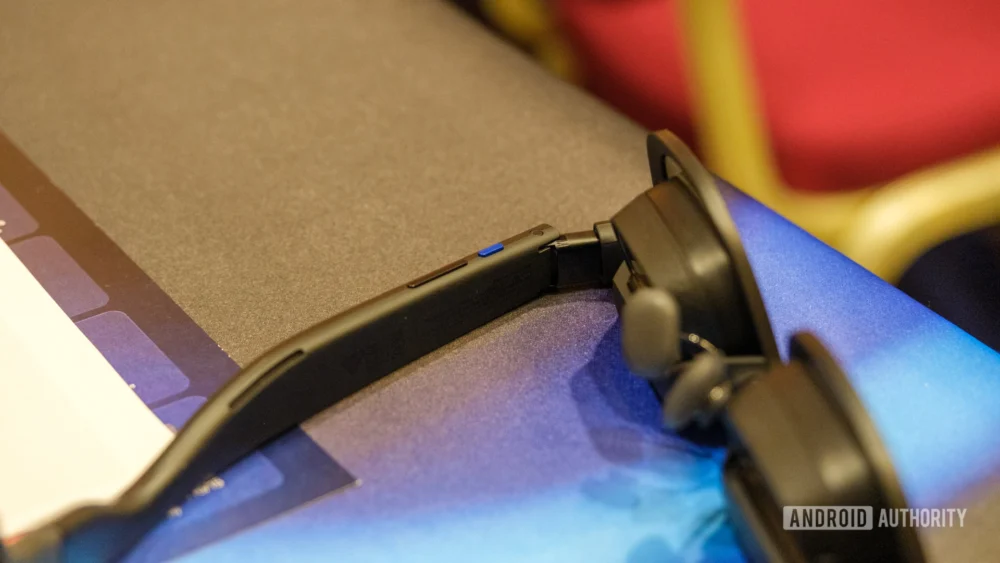
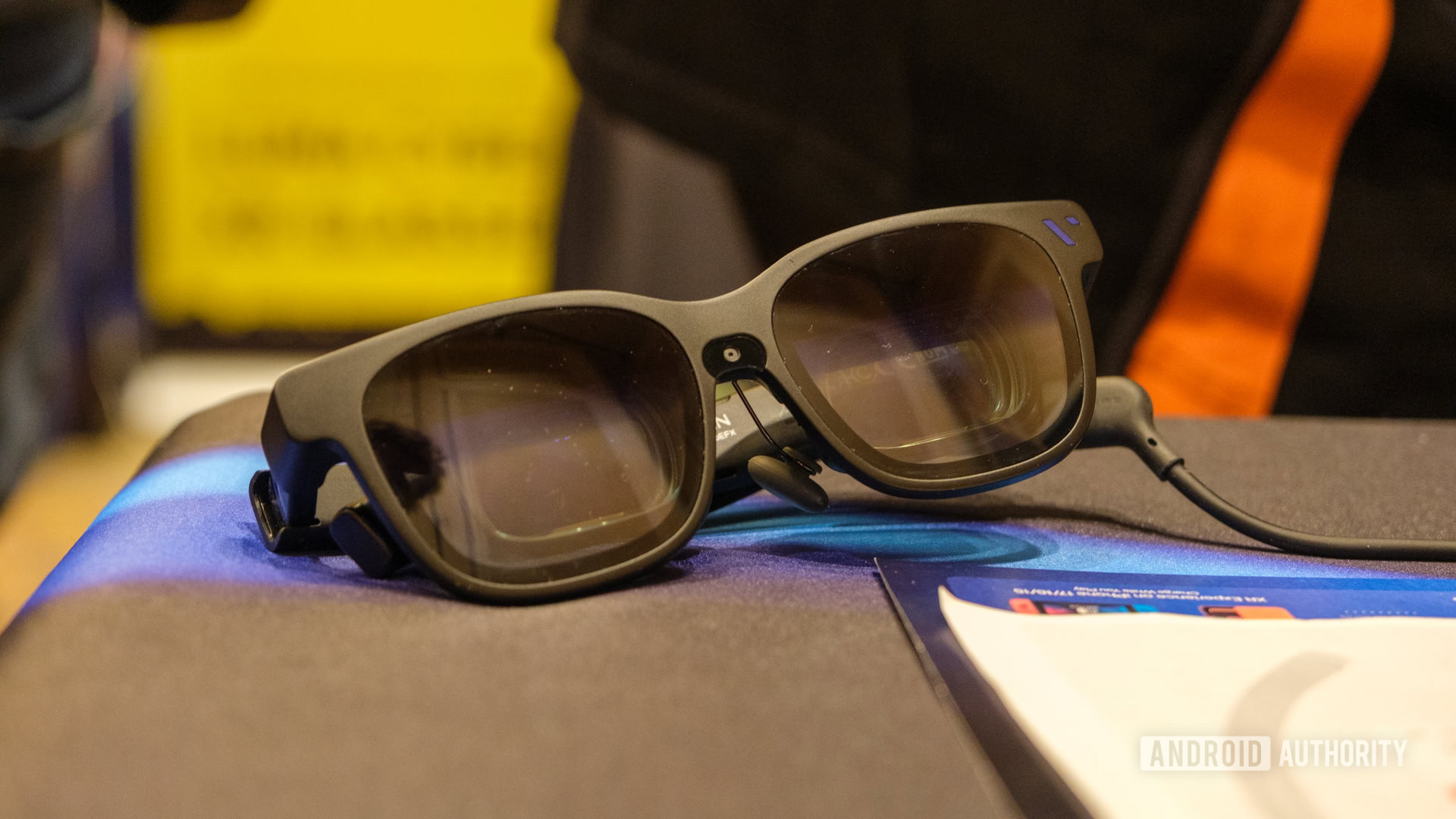
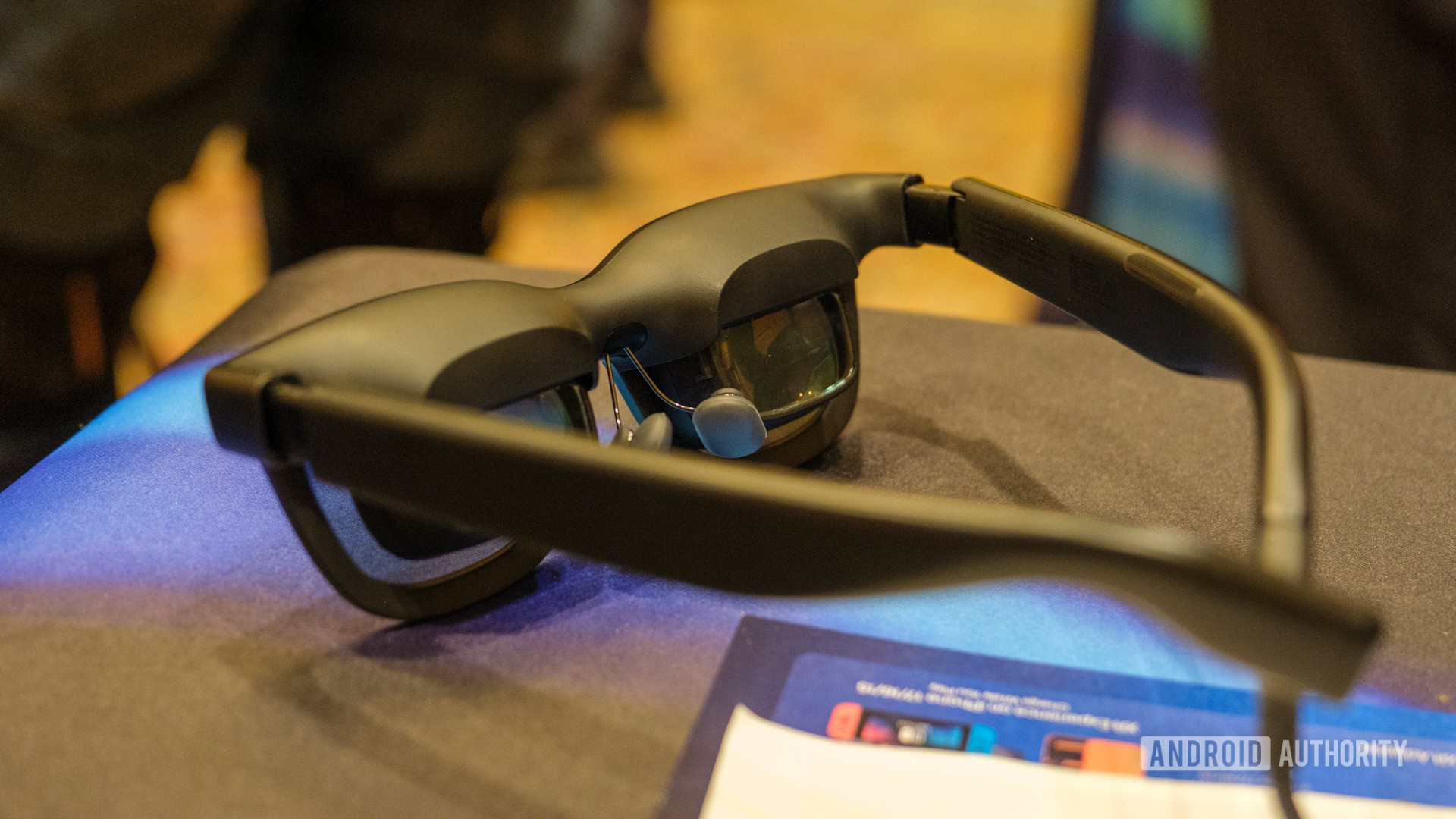
The design philosophy underpinning The Beast appears to prioritize visual impact without entirely sacrificing wearability. While any device relying on optics situated close to the face will inevitably possess a noticeable mass concentrated anteriorly, Viture seems to have mitigated the common pitfalls through thoughtful ergonomics. The inclusion of a comprehensive suite of interchangeable nose pads, designed to customize the resting points and distribution of weight, indicates an acknowledgment that one-size-fits-all solutions rarely succeed in personal wearables. For those requiring optical correction, the system’s accommodation for prescription inserts—which appeared straightforward to install and remove—is a necessary feature for broad market adoption, moving the device beyond a niche gadget toward a genuine monitor replacement.
The moment the headset was activated, the core strength of The Beast became immediately apparent: the visual scale. Viture claims a field of view (FoV) that translates to a simulated 174-inch screen viewed from a distance of four meters, achieved via a sweeping 58-degree projection angle. This is not merely a minor increase in screen size; it represents a perceptual shift. The experience of watching the Avatar trailer was not akin to peering through a small window; it was an engulfing presentation. Crucially, this high-fidelity visual plane was paired with integrated, Harman-tuned audio systems embedded within the arms. The synergy between the expansive visual field and the spatially localized sound contributes significantly to breaking down the psychological barriers that often remind users they are wearing a headset.
The Static Viewport: A Counter-Intuitive Solution to Motion Sickness
The most significant, and perhaps unexpected, element contributing to my initial comfort was the default display mode. Many high-end XR systems default to world-locked or head-tracked rendering, where the virtual screen moves precisely with the user’s head orientation. While this is vital for true augmented reality applications, it is often the primary trigger for cybersickness when consuming linear media.
The Beast, in its initial configuration during the demonstration, utilized a stationary projection. The cinematic frame remained fixed relative to the user’s initial orientation, irrespective of minor head movements used for orientation or comfort adjustments. This effectively mimics the experience of watching a fixed television screen in a dark room. For someone prone to simulation sickness, this feature was transformative. The confusion that initially arose from looking down at the iPhone trackpad (used here as a control interface) while the massive blue world of Pandora remained static was rapidly superseded by relief. The absence of conflicting vestibular and visual cues—the inner ear sensing movement while the eyes perceive a stable frame—allowed the visual immersion to take hold without the immediate onset of discomfort.
This fixed-view paradigm is a critical design choice that separates dedicated media consumption glasses from general-purpose spatial computing headsets. While the option to switch to a head-tracked mode exists—a necessity for advanced users accustomed to VR/AR navigation—the default prioritizing of visual stability acknowledges the physiological limitations of a significant segment of the potential audience.
Industry Implications: Defining the Media Consumption Niche
Viture’s approach with The Beast highlights a growing bifurcation within the XR hardware ecosystem. On one side are the large, powerful headsets (e.g., those from Meta or Apple) aimed at full mixed reality, productivity, and high-fidelity gaming, requiring substantial onboard processing and often involving full environmental occlusion. On the other side is the rapidly maturing segment of "media glasses," which are lightweight, often passive (relying on an external host device), and engineered specifically for visual fidelity and portability over deep interaction.
The Beast squarely targets the latter, making it a formidable competitor to established players in the portable viewing space. Its specifications—particularly the high brightness output (cited at 1,250 nits) and the large perceived screen size—position it as a direct replacement for personal monitors, projectors, or even small televisions in travel or confined living spaces.
The reliance on tethering—in this case, primarily demonstrated via an iPhone acting as the control hub—is a standard compromise in this segment. By offloading rendering and battery management to a host device (smartphone, laptop, or portable gaming console like the Lenovo Legion Go 2), the glasses can maintain a lighter, sleeker profile resembling conventional eyewear. While the physical tether introduces a minor inconvenience—a nostalgic reminder of older wired peripherals—the benefit of reduced weight and size often outweighs this drawback for users prioritizing mobility and reduced bulk. This trade-off suggests that true, all-day wireless media glasses require substantial breakthroughs in micro-battery technology or vastly more efficient display drivers, developments that have yet to fully materialize in consumer-ready form factors.
The Magic of Software Upscaling: 2D to 3D Transformation
Beyond the baseline visual and comfort enhancements, the demonstration unveiled a compelling piece of integrated software processing: real-time 2D to 3D upscaling. When this feature was engaged while replaying the Avatar trailer, the effect was reported as significantly beyond simple stereoscopic separation. It suggested a sophisticated depth-mapping algorithm that inferred parallax and distance, lending genuine volumetric presence to the visuals. This capability is particularly potent for consumers whose existing media libraries are overwhelmingly composed of 2D content. The ability to dynamically transform standard films or television shows into a believable pseudo-3D experience on demand adds substantial perceived value.
However, this powerful feature carried the familiar physiological cost. For the evaluator, activating the 3D mode immediately reintroduced the symptoms of motion sickness, albeit after a longer initial period of tolerance due to the quality of the base 2D experience. This serves as an important caveat: while Viture has engineered around one major hurdle (fixed view for basic viewing), the most aggressive immersive features still interact negatively with certain physiologies. This reinforces the necessity of user control and the understanding that "ultimate immersion" remains a highly subjective and biologically constrained goal. The fact that the user could instantly revert to the comfortable 2D mode underscores the flexibility built into the interface controls located on the arms of the glasses—simple toggles for brightness, volume, and display mode.
Future Trajectories and Enthusiast Appeal
The observation of another user during the session provided valuable external validation of The Beast’s core market proposition. An enthusiast specifically interested in flight simulation software highlighted the desire for an immersive experience surpassing that of traditional desktop monitors. The prospect of running complex simulations tethered to a portable gaming device, benefiting from the expansive virtual screen and robust audio, speaks directly to the high-fidelity enthusiast segment.
This application—personal, dedicated simulation—is where devices like The Beast are likely to gain their strongest foothold initially. Unlike general-purpose VR, which requires significant setup and spatial awareness, these media glasses offer an instant, high-quality visual escape that integrates seamlessly into existing hardware ecosystems. The three-week pre-order fulfillment window, while perhaps indicative of early production scaling challenges, also suggests a robust initial demand signal from consumers who have been tracking the evolution of this technology segment.
The trend observable here is the maturation of portable visual technology away from bulky headsets toward discreet, fashion-conscious eyewear. The challenge for the industry moving forward will be the integration of spatial computing features (like hand tracking or environmental pass-through) without compromising the current focus on sleek design and minimal latency for video consumption. Viture’s current design keeps the complexity externalized, maintaining a clean user experience on the hardware itself.
Ultimately, while personal biology dictates that The Beast may not universally eliminate the motion sickness hurdle for all media, its design successfully isolates and solves many other common complaints: poor visual scale, inadequate brightness, and uncomfortable fit. By offering a stable, high-resolution, and acoustically rich viewing environment that circumvents the worst of the visual conflict, Viture has delivered a compelling argument for these glasses as the preferred method for high-quality, personalized media consumption for a significant portion of the viewing public. The engineering focus on the static viewport is a pragmatic masterstroke, transforming potential discomfort into pure, uninterrupted cinematic engagement. The Beast is less a tentative step into XR and more a confident stride toward the future of mobile private theaters.