

The preliminary glimpses emerging from the earliest builds of Android 17—often referenced by its internal codename, which in some early testing phases appears to be associated with "Baklava," despite generational shifts in naming conventions—reveal a significant commitment by Google to refine both the aesthetic appeal and the foundational security posture of its mobile operating system. These early indicators, sourced from internal Original Equipment Manufacturer (OEM) Android Open Source Project (AOSP) builds shared by developers like Telegram user RKBDI, offer a valuable, albeit tentative, look at the direction of the platform ahead of its formal developer previews later this year. The visible changes span from subtle, yet impactful, user interface treatments to the introduction of long-awaited system-level features, most notably a dedicated application lock mechanism.
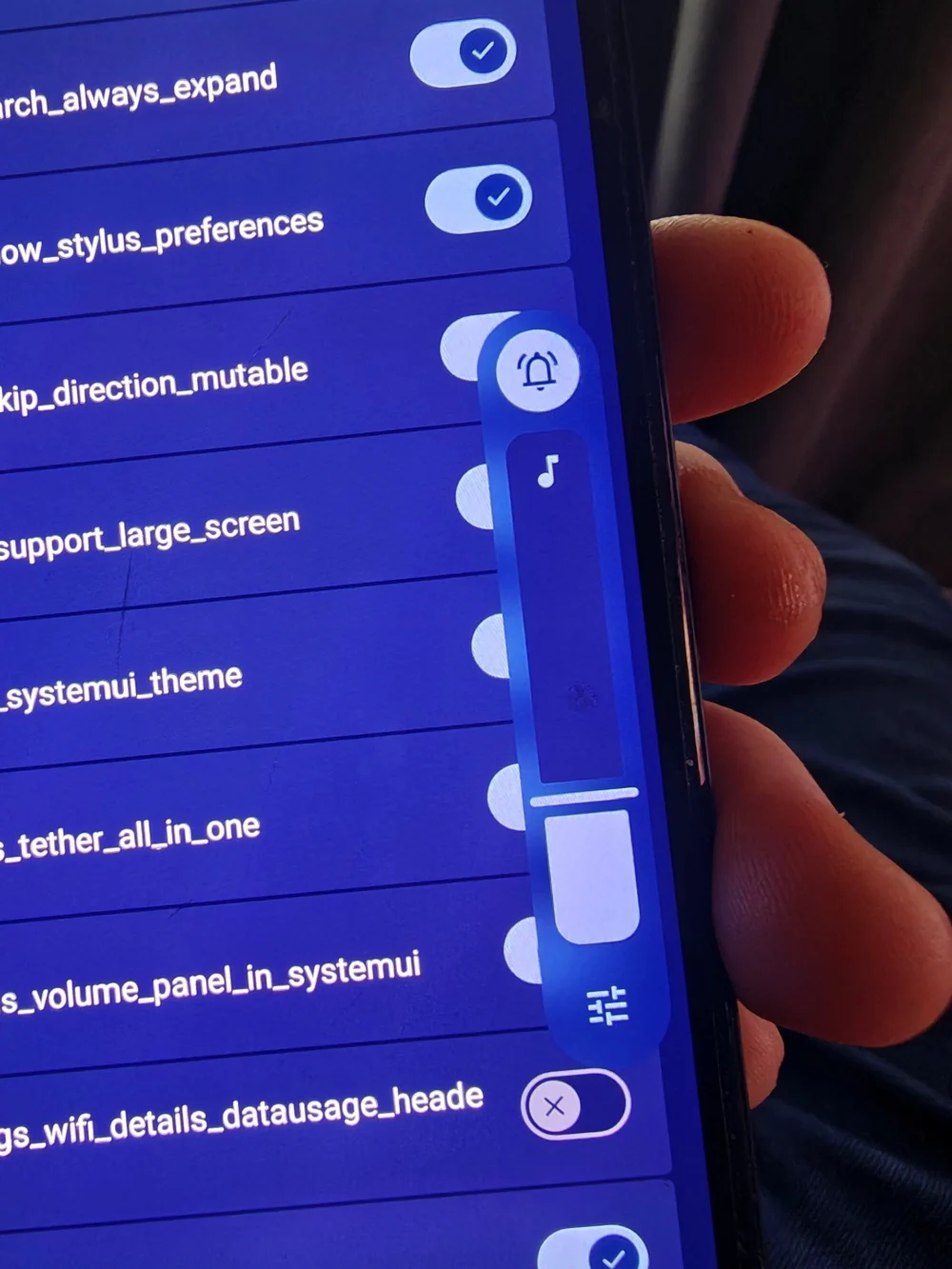
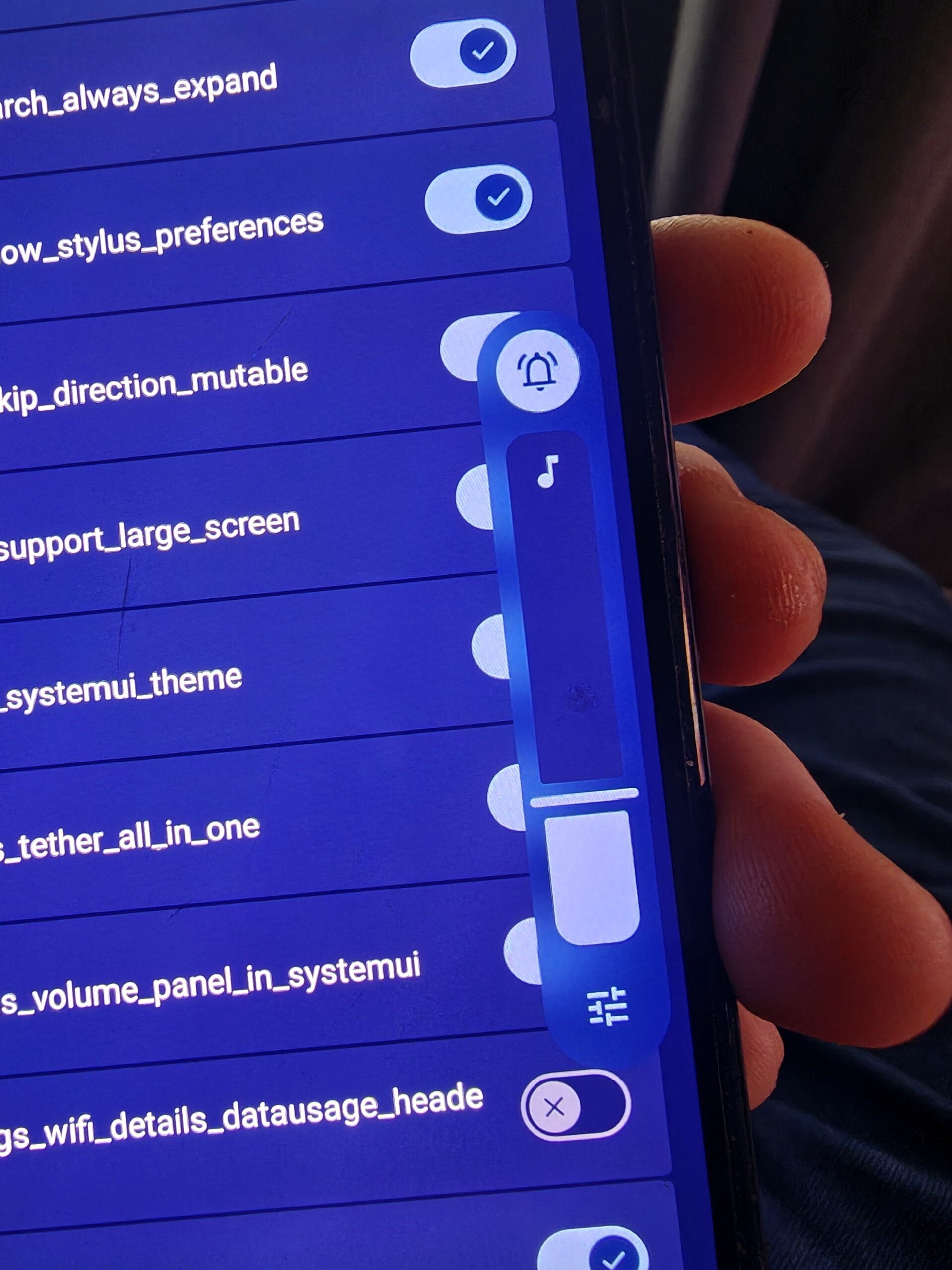
The most immediate and striking visual evolution centers on the system’s visual feedback elements. Following earlier reports teasing new translucency effects, the latest imagery showcases an aggressive pursuit of "Liquid Glass" aesthetics, particularly evident in the system volume control overlay. Unlike previous iterations that relied on solid or heavily frosted backgrounds, the new volume slider adopts a pronounced level of transparency, allowing the underlying application interface to bleed through dynamically. This design choice is more than mere cosmetic refinement; it represents an ongoing effort within the Material Design philosophy to create a more integrated, less intrusive user experience where system chrome interacts thoughtfully with application content.
From an expert analysis perspective, this embrace of advanced transparency hints at underlying optimizations in Android’s rendering pipeline. Achieving high-fidelity, performant translucency, especially one that scales across diverse hardware capabilities—from flagship devices to mid-range offerings—requires significant GPU and compositor efficiency. If successfully implemented at scale, this visual language suggests Android 17 might bring measurable improvements in perceived system responsiveness, as the UI feels less like a stacked layer and more like a cohesive, three-dimensional space.
Beyond the superficial gloss, the early build also provides concrete evidence of a highly anticipated security feature: native App Lock functionality. For years, users seeking to restrict access to sensitive applications—such as banking apps, photo galleries, or messaging services—have relied on third-party solutions or device-specific manufacturer overlays. Android 17 appears poised to standardize this capability directly into the core OS framework. The visible implementation shows an intuitive access point: a long-press context menu option directly on an application icon enabling immediate locking.
This feature carries substantial industry implications. The standardization of App Lock addresses a critical gap in platform-level privacy controls. Currently, while features like App Pinning offer temporary screen locking, they are cumbersome for routine privacy needs. A native App Lock, presumably integrated with biometric authentication (fingerprint or facial recognition), positions Android closer to the granular control users expect in a hyper-connected digital environment. Furthermore, the existence of accompanying screen lock messages confirming the locking process suggests robust integration with the existing authentication stack, minimizing overhead and ensuring consistency across the system.
The significance of this feature extends to digital wellness and parental controls. While device-level screen time management exists, the ability to lock individual, high-risk applications offers a more surgical approach to digital hygiene. For enterprise deployment, this native capability simplifies Mobile Device Management (MDM) profiles, allowing IT departments to enforce stricter controls without relying on vendor customizations that can fragment the ecosystem.
Another major functional reveal concerns screen recording capabilities. Android has steadily improved its native screen capture tools, but the previewed update suggests a fundamental redesign of the control interface. Previously uncovered modifications pointed toward a sophisticated toolbar optimized for larger form factors like tablets and external displays, environments where users often require more accessible, persistent controls during complex recording sessions (e.g., tutorials or presentations). The critical observation from this AOSP leak is the appearance of this advanced toolbar—previously thought to be restricted to larger screens—on a standard smartphone form factor.
This cross-device consistency in the screen recording UI is a strategic move. It suggests Google is moving towards a unified input and control paradigm across all Android devices, regardless of screen size. For content creators who switch workflows between phone and tablet, this convergence minimizes the learning curve and streamlines production. The toolbar, presumably offering quick access to microphone input toggles, pause/resume functions, and perhaps even live annotation tools (though not explicitly confirmed in the visual), elevates screen recording from a utility to a production tool.
The industry trend here aligns with the growing creator economy. As mobile devices become the primary capture mechanism for professional content, the OS needs to support professional workflows. By integrating a more capable screen recorder toolbar directly into the core OS, Google preemptively addresses the needs of this burgeoning market segment, reducing reliance on complex third-party screen capture applications that often require accessibility permissions that can raise security red flags.
Analyzing the context surrounding these leaks is vital. These features are surfacing in an internal OEM AOSP build, which means they are integrated into the core source tree but are subject to significant iteration, refinement, or even complete removal before the official release cycle. The identification of the build as "Baklava" (a potential internal name for the current cycle, though often tied to a specific version) highlights that development is deep, moving beyond initial concept stages into feature stabilization.
The future impact of these changes is twofold: UX refinement and platform hardening. On the UX front, Android 17 appears to be prioritizing a modern, layered visual design language. If the "Liquid Glass" transparency is implemented gracefully, it can significantly modernize the look and feel, moving away from the flatter, more opaque designs that characterized earlier versions. This visual language, however, must be carefully managed to avoid accessibility issues, particularly for users sensitive to motion or high contrast. Future testing will need to confirm that these effects are toggleable or adhere strictly to user-defined accessibility settings.
On the platform hardening side, the introduction of native App Lock and the sophisticated screen recorder toolkit signals a maturation of the Android operating system. It demonstrates a proactive approach to user privacy expectations and creator demands. In the competitive landscape of mobile OS development, features once considered "premium" additions by device manufacturers are increasingly becoming baseline expectations for users. By integrating them directly, Google ensures a consistent, secure baseline across all certified Android devices, mitigating the fragmentation that has historically plagued the ecosystem.
Furthermore, these early findings suggest that the development focus for Android 17 is less about radical foundational shifts (like Project Treble or massive kernel overhauls) and more about refining the daily interaction layer. This iterative but deep refinement is crucial for maintaining user satisfaction as the platform matures. Each new OS release needs to offer tangible, recognizable benefits without disrupting established user habits. App Lock, for instance, is a feature many users actively seek, making its inclusion a high-value addition.
The evolution of the screen recorder UI also ties into Google’s broader strategy regarding digital rights management (DRM) and content distribution. As more high-value content is consumed and perhaps shared on mobile platforms, the OS needs robust, built-in tools that respect content ownership while simultaneously empowering legitimate users to create their own derivative content. A more professional, integrated screen recorder facilitates this balance.
In conclusion, the initial reconnaissance of Android 17 code suggests a release cycle heavily invested in polishing the user experience through advanced visual effects and strengthening core security features with native App Lock. While the final implementation details remain fluid, these early snapshots confirm that Google is addressing persistent user requests for better privacy controls and providing enhanced native tooling for the burgeoning mobile content creation market. The coming months of official developer previews will be crucial for observing how these promising features transition from internal AOSP builds into polished, user-ready functionalities. The underlying commitment to aesthetic integration and functional security sets a high benchmark for the next iteration of the world’s most deployed mobile operating system. The convergence of visual flair and practical utility, as evidenced by these early builds, points toward a stable, yet notably improved, Android experience.