

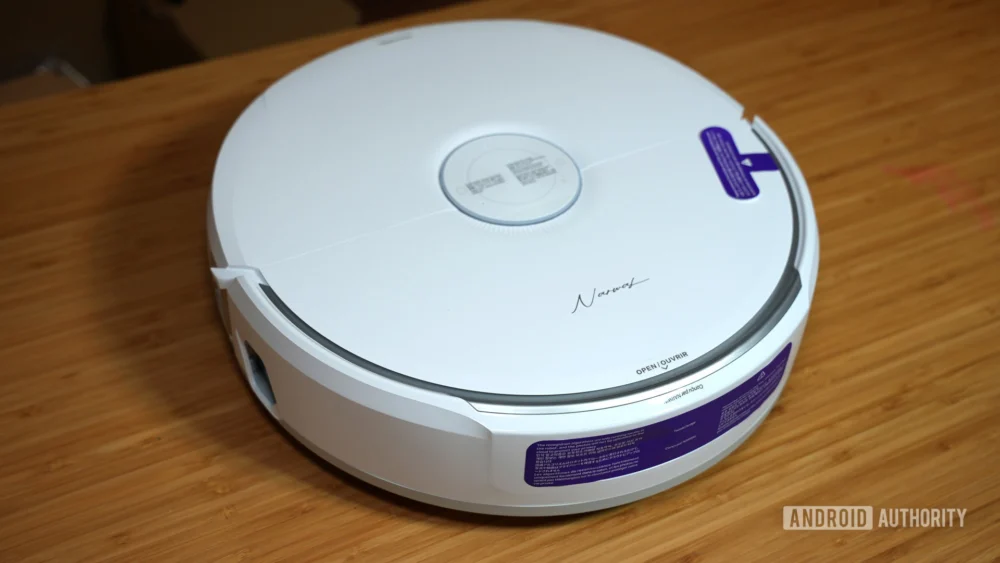
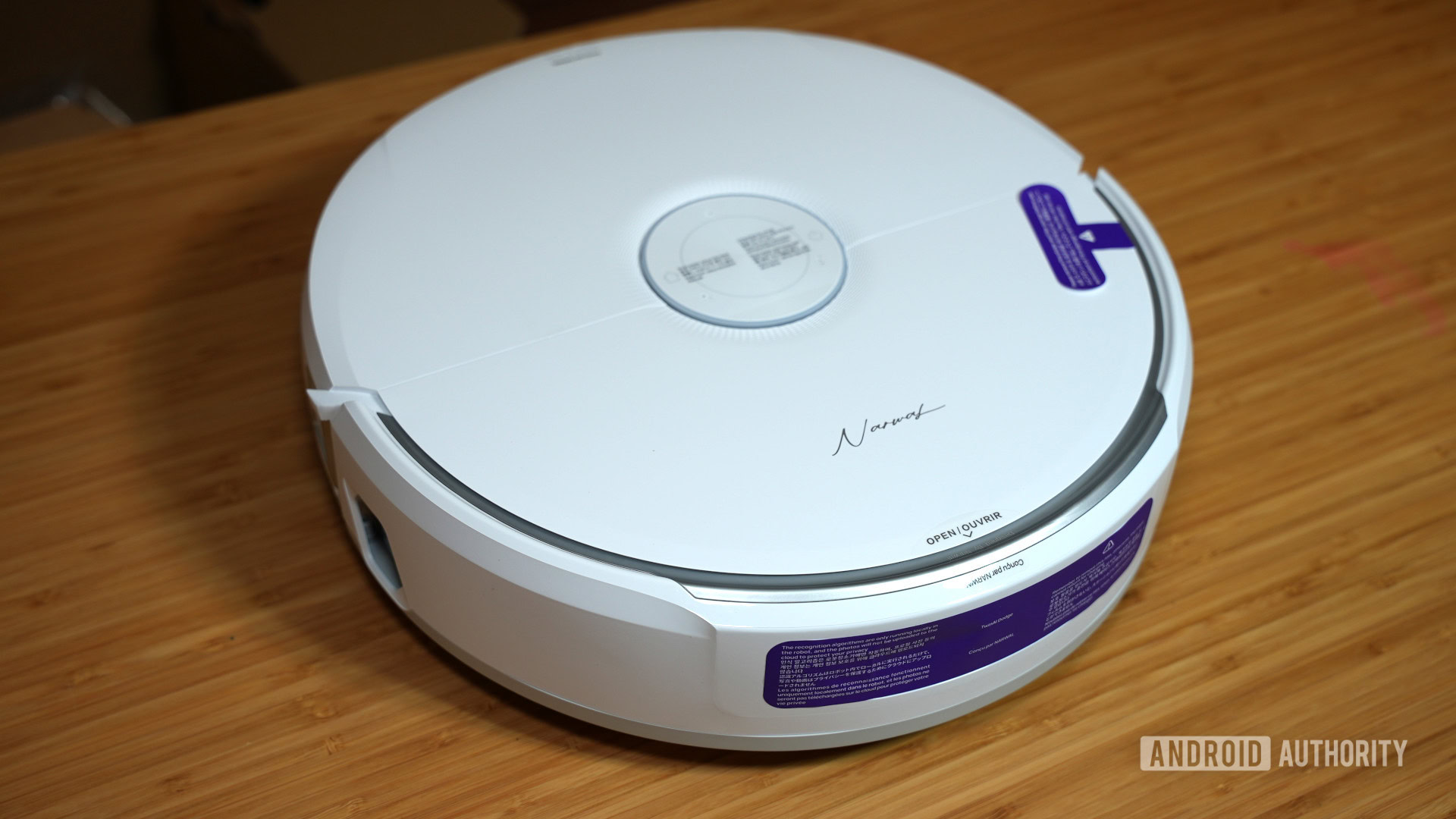
The automated home cleaning sector continues its rapid maturation, moving beyond rudimentary vacuuming into sophisticated, multi-functional systems that genuinely challenge traditional manual labor. At the forefront of this evolution stands the Narwal Flow, a flagship robot vacuum and mop combination that, despite its premium capabilities, is currently experiencing a dramatic, time-sensitive reduction in cost. Originally priced at a substantial $1,499.99, this device, which consistently delivers near-miraculous cleaning results, has seen its MSRP slashed by $450, bringing the acquisition cost down to an exceptionally competitive $1,049.99. This temporary market correction positions the Flow, perhaps for the remainder of 2025 and leading into 2026, as the most aggressively priced high-end hybrid cleaner available.
This specific promotion, facilitated through Amazon—with the product sold directly by Narwal and fulfilled by the e-commerce giant—is explicitly marked as a limited-time engagement. For consumers tracking the trajectory of high-performance home robotics, this moment represents a critical inflection point. Given that the device’s previous deepest discount, observed during the December holiday surge, was only marginally better (by $50), the current $450 saving warrants immediate attention from those looking to integrate top-tier automation without adhering to the full flagship tariff.
Contextualizing the Narwal Flow in the Automation Landscape
To fully appreciate the significance of this price adjustment, one must first understand the technological stature of the Narwal Flow. In the competitive arena of robotic floor care, manufacturers are locked in an arms race concerning suction power, mopping efficacy, and, crucially, self-maintenance capabilities. Narwal has carved out a distinct niche by focusing heavily on superior mopping mechanics, an area where many competitors still rely on rudimentary damp cloths.
The Flow distinguishes itself through its integrated, dual-pad rotating mop system. This design mimics a manual scrubbing motion, applying significant downward force (rated at 12N) to tackle dried-on grime rather than simply pushing dirt around. This physical scrubbing action, paired with AI-driven navigation that ensures precise pathing and edge coverage via its proprietary EdgeReach Technology, elevates the mopping performance substantially above single-pad or vibrating systems. Furthermore, the vacuum component is formidable, boasting an astonishing 22,000 Pa of suction pressure. This level of negative pressure is not merely marketing hyperbole; it signifies the capacity to thoroughly extract deeply embedded particulate matter and lift surprisingly heavy debris—far exceeding the capabilities of average 8,000 Pa units often found in the mid-range segment.
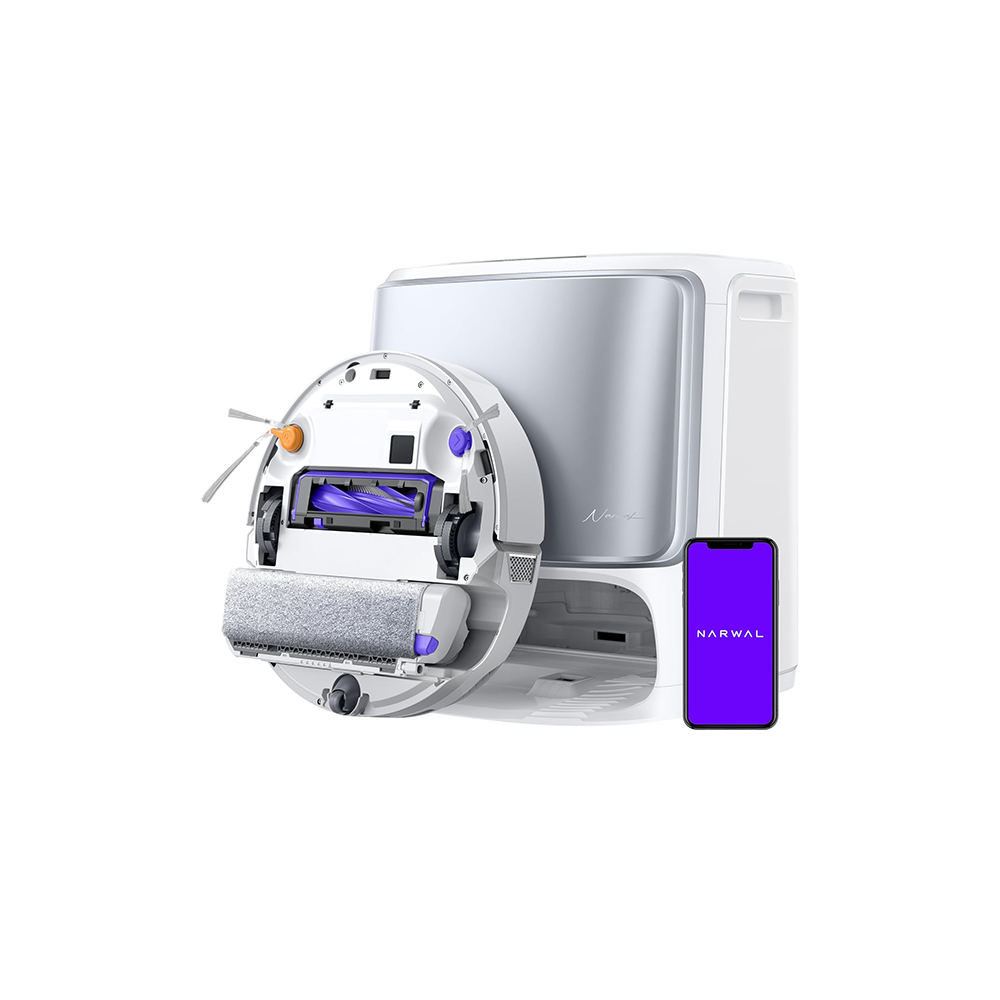
Another key factor cementing the Flow’s flagship status is its sophisticated base station. This docking unit serves as the operational hub, managing the device’s autonomy. It automatically washes and dries the rotating mop pads, preventing mildew and odor buildup—a common failing in less advanced models. More impressively, the base station incorporates intelligence to assess pad cleanliness, initiating re-washing cycles until the required standard is met before the robot resumes or concludes its job. For vacuum debris, the system supports a massive storage capacity, allowing the robot to operate without human intervention for up to 120 days. This significantly reduces the required maintenance cadence, aligning perfectly with the modern consumer’s desire for true "set-it-and-forget-it" home technology.
Industry Implications of Aggressive Pricing on Flagship Hardware
The sudden, deep discounting of a product like the Narwal Flow sends ripples through the robotics industry. Historically, when a high-end, feature-complete product drops significantly in price while still being current generation, it signals one of several strategic shifts: market saturation, a pipeline clearance for an imminent successor, or a calculated move to disrupt mid-tier competitors.
Disrupting the Mid-Tier: The $1,000 price point used to be a psychological barrier reserved for the absolute best, often reserved for devices from established giants like iRobot or Roborock’s highest tier. By making the Flow accessible at $1,049.99, Narwal is directly challenging brands that occupy the $700-$900 bracket. These mid-tier competitors often force consumers to make significant compromises—perhaps sacrificing advanced self-washing for basic pad rinsing, or accepting lower suction power for slightly better mapping technology. The Flow, at this discounted price, offers an end-to-end premium experience, potentially pulling discerning buyers away from the middle ground.
The Lifecycle Question: Analysts must consider the product lifecycle. If this aggressive pricing is a precursor to the Narwal Flow 2.0 launching in early 2026, it serves as an effective inventory management strategy. However, given the Flow’s specifications—especially the 22,000 Pa vacuum and advanced scrubbing—it remains technologically competitive against most current 2025 releases. If the next generation offers only iterative improvements (e.g., slightly faster drying or marginally better obstacle avoidance), the current generation at this price will retain substantial market relevance well into the next fiscal year.
Consumer Perception and Value Redefinition: This deal fundamentally redefines the perceived value proposition of robotic cleaning. When consumers witness a device offering 120-day dustbin capacity, intelligent self-cleaning mops, and near-industrial suction all under $1,100, the expectation bar for all future robotic purchases rises. It forces competitors to either justify their higher pricing with genuinely novel features (like advanced object recognition for pet waste avoidance) or lower their own costs, initiating a beneficial price war for the end-user.
Expert Analysis: Deconstructing the Flow’s Core Strengths
From a technical standpoint, the Narwal Flow’s success is rooted in its holistic approach to cleaning, rather than excelling at just one function.
Suction vs. Debris Management: The 22,000 Pa rating is impressive, but the underlying engineering of the roller is equally critical. The implementation of a tangle-free roller addresses one of the most persistent frustrations in robotics: hair entanglement. For households with pets or long hair, a vacuum that requires daily manual roller cleaning negates much of its convenience. Narwal’s design minimizes this downtime, maximizing the utility of the high-capacity dirt bin. This synergy between raw power and low-maintenance operation is the hallmark of true flagship engineering.
The Mop’s Mechanical Advantage: The dual-rotating mop pads are the system’s signature. Unlike sonic vibration mopping, which primarily agitates surface dirt, rotating pads provide mechanical abrasion. This is essential for breaking down sticky residues or older spills. The system’s ability to dynamically adjust mopping pressure and lift the pads entirely when traversing carpet (a feature common in high-end hybrids) ensures seamless transitions across mixed flooring environments, a crucial element for whole-home automation.
AI Navigation and Edge Precision: Modern robotic performance hinges on environmental mapping. The Flow utilizes advanced AI for navigation, translating to efficient, non-random cleaning patterns. The specific mention of EdgeReach Technology highlights a focus on perimeter cleaning. Most robots struggle to maintain pressure and contact right up to baseboards and into tight corners. If the Flow genuinely achieves near 100% edge coverage with its rotating mechanism, it closes the gap between robotic cleaning and meticulous human effort in areas often missed by competitors.
Future Impact and Trajectory for Robotic Cleaners
The market positioning of the Narwal Flow hints at several inevitable trends that will dominate home robotics through 2026 and beyond.
The Primacy of Self-Maintenance: The industry is rapidly moving toward systems that require human interaction only for emptying the clean water tank or refilling the detergent. The 120-day debris storage coupled with automated pad washing and drying establishes a new benchmark for autonomy. Future innovations will likely focus on automating the replacement of consumables, such as self-sealing dust bags within the base station or automatic replacement of worn mop pads via subscription services integrated directly into the hardware.
Sensor Fusion and Environmental Awareness: While the Flow employs strong navigation, the next generation will demand deeper environmental awareness. This involves sophisticated 3D sensing (Lidar combined with structured light or camera vision) capable of not just avoiding obstacles, but identifying them. For instance, recognizing a charging cable versus a child’s dropped sock, and adapting the cleaning routine accordingly, will become standard for premium models. The $1,000 segment will likely see this integration become mandatory by 2026.
The Price Floor for Flagship Features: This aggressive discount on the Flow suggests that the high-cost barrier for features like dual-mop rotation and high-capacity self-emptying bases is collapsing faster than anticipated. Manufacturers who rely on these features as primary differentiators at $1,500+ will find their margins squeezed unless they can introduce breakthrough technologies (e.g., integrated UV sterilization in the mopping system or predictive maintenance diagnostics). The consumer is being trained to expect comprehensive automation at a lower cost threshold.
In conclusion, the current promotional pricing on the Narwal Flow is more than just a temporary sale; it is a strategic market signal. It offers consumers immediate access to a category-leading hybrid cleaner at a price point that undercuts most of its direct functional rivals. For anyone seeking to eliminate the drudgery of daily vacuuming and deep mopping without incurring the highest possible expenditure, this window of opportunity, offering a $450 reprieve on a proven flagship, represents perhaps the most compelling value proposition in the high-end robotic cleaning market for the foreseeable future. Jumping on this limited offer now secures top-tier automation performance before the market recalibrates to this new, lower benchmark.