

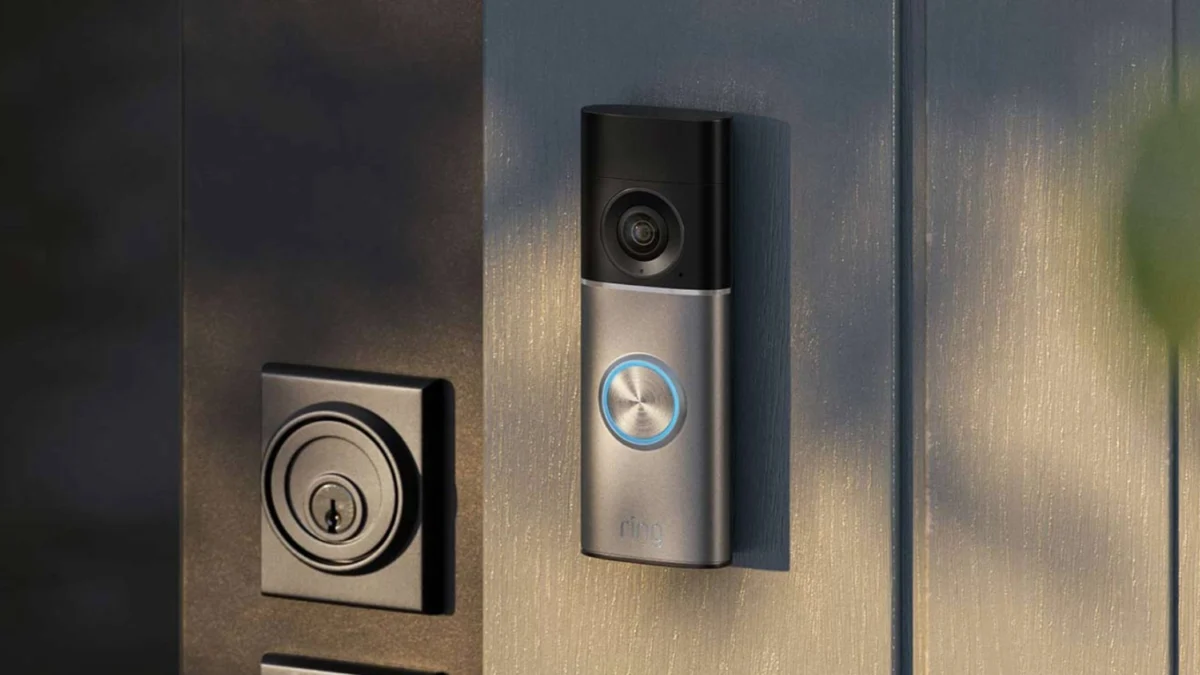
The consumer electronics landscape is seldom static, but when a flagship device receives a significant price correction less than six months after its debut, it warrants immediate scrutiny from industry analysts and prospective buyers alike. This phenomenon is currently unfolding with the latest iteration of Amazon’s Ring Wired Video Doorbell Pro, the supposed third-generation model. Typically, premium smart home peripherals maintain their elevated pricing structure well into their first fiscal year, relying on feature parity and brand dominance. However, strategic market maneuvering—or perhaps a recalibration of initial sales forecasts—has positioned this advanced doorbell at an unusually accessible entry point, coinciding with seasonal consumer spending trends often associated with home improvement and security upgrades.
The immediate impact of this promotion is substantial. The device, which launched with a premium MSRP of $249.99, is now seeing discounts reaching up to $50 off, pushing the cost down to $199.99 for select aesthetic configurations. Even the lower-tier reductions offer $40 savings. This swift depreciation signals more than just a typical seasonal markdown; it suggests the market dynamics for high-end wired doorbells are becoming intensely competitive, forcing manufacturers to accelerate their value proposition timeline. For consumers who delayed adoption, waiting for the inevitable price erosion that follows the initial launch hype, this represents the earliest opportunity to acquire Ring’s cutting-edge doorbell technology at a demonstrably reduced cost.
To fully appreciate the significance of this early discount, one must contextualize the technological leap represented by the Ring Wired Doorbell Pro (3rd Gen). This model is positioned as the zenith of Ring’s permanently wired offerings, distinct from its battery-powered counterparts, which inherently benefit from continuous power but often compromise on advanced processing capabilities due to power constraints. The core advancements here are centered squarely on image fidelity and spatial awareness. The transition from the longstanding 1080p standard—ubiquitous across previous generations—to what Ring terms "Retinal 4K" resolution is a critical differentiator. In the realm of perimeter security, resolution directly correlates with forensic utility. A 4K sensor captures significantly more pixel data per frame, which translates directly into superior object identification at distance and enhanced clarity when reviewing recorded incidents.
Further compounding the visual upgrade is the integration of 10x enhanced digital zoom capabilities. When paired with 4K capture, this zoom function moves beyond mere cropping; it allows security personnel or homeowners to effectively scrutinize details captured from the periphery of the frame without succumbing to the severe pixelation inherent in upscaling lower-resolution footage. This capability is particularly relevant in sprawling suburban environments or properties with deep entryways where the visitor might not approach the immediate threshold.
Perhaps the most architecturally significant hardware change is the adoption of a true 1:1 aspect ratio for the camera feed. Previous generations often favored a wider, more traditional 16:9 ratio, which is excellent for capturing the breadth of a porch but frequently omits crucial vertical information—specifically, the ground directly beneath the unit. The 1:1 ratio fundamentally reorients the surveillance perspective, ensuring comprehensive coverage from the visitor’s head to the packages resting at the door’s base. This shift addresses a persistent critique leveled against doorbell cameras: the inability to definitively confirm package delivery or tampering immediately adjacent to the unit.
Beyond optics, the incorporation of advanced sensing technologies elevates the Pro (3rd Gen) beyond simple motion detection. The inclusion of 3D Motion Detection utilizes sophisticated depth-mapping algorithms, potentially leveraging LiDAR or advanced stereo processing (though specific sensor technology remains proprietary), to create a precise volumetric understanding of activity in the monitored zone. This refinement drastically reduces false alerts triggered by ambient phenomena like blowing debris, shifting shadows, or passing wildlife, improving the signal-to-noise ratio of security notifications. Complementing this is the Low-Light Sight feature, designed to maintain color fidelity even under minimal illumination, moving past the grainy, often monochromatic infrared footage that characterized earlier night vision systems.
The ecosystem integration remains firmly anchored in the Amazon sphere. Seamless interaction with Alexa-enabled devices—from Echo Show displays for immediate visual confirmation to Fire TV devices for broader situational awareness—is a given. However, the underlying business model remains contingent upon the Ring Protect subscription service. While live viewing and two-way talk are perpetually free, access to event history, cloud storage, and the most advanced alert filtering features necessitates recurring revenue from the user base. This dependency is a key strategic element for Ring, ensuring long-term monetization long after the initial hardware sale.
From an industry perspective, this early price drop sends ripples through the smart home security sector. Ring, owned by Amazon, commands a dominant market share, often setting the baseline expectations for feature sets and pricing. Competitors like Google Nest, Arlo, and specialized players must now rapidly assess whether their current offerings remain competitively priced against this newly discounted premium Ring model. If the 3rd Gen Pro is deemed strategically priced at $199.99, rivals relying on older 1080p hardware or comparable feature sets at a similar or higher price point face immediate pressure to respond, likely through their own promotional activities or accelerated product refreshes.
This pricing action suggests a few underlying strategic possibilities. Firstly, Amazon may be aggressively seeking to migrate existing, older wired Ring users to the 4K platform before major rivals can solidify their own next-generation hardware releases. The installed base of wired Ring doorbells is immense, and a $50 incentive is often sufficient to catalyze an upgrade cycle, particularly when the new model offers such tangible improvements in video quality. Secondly, it could indicate a slight overstock situation or a deliberate effort to flood the market ahead of a potential major competitor event, effectively preempting a rival’s sales push. The timing, linked vaguely to the "Amazon Big Spring Sale," suggests a planned inventory management strategy leveraging Amazon’s own retail momentum.
Analyzing the future trajectory of this category, the focus on resolution and spatial awareness is clearly the prevailing trend. The migration to 4K is inevitable across the mid-to-high tier of smart doorbells. Furthermore, the emphasis on 1:1 aspect ratios highlights a shift in user priority: security is increasingly intertwined with package monitoring. As e-commerce dependency grows, the doorbell camera evolves from a simple visitor management tool into a dedicated porch security system. Future iterations from all manufacturers will likely focus intensely on AI-driven object differentiation—not just detecting a person, but recognizing a delivery driver versus a known resident, or differentiating a package from a piece of litter.
The 3D motion detection is a precursor to more sophisticated environmental scanning. We anticipate the next evolution will involve persistent, low-power 3D mapping that creates a persistent digital twin of the immediate entryway, allowing for highly specific geofencing alerts (e.g., "Alert me only if a human crosses the walkway between 6:00 PM and 6:00 AM"). This necessitates advanced onboard processing, something the continuous power supply of a wired doorbell inherently supports better than battery alternatives.
The low-light performance enhancement also points toward a general industry push for better sensor technology that maximizes light capture without relying excessively on computational photography or intrusive infrared illumination, which can sometimes cause glare or reflections in close proximity to the lens. The pursuit of true-color night vision remains a competitive frontier, and Ring’s inclusion here suggests they believe they have achieved a demonstrable lead in this area, justifying the initial premium positioning.
For the technically inclined consumer, the decision calculus is clear. If one is currently operating a Ring Doorbell 2, Doorbell 3, or the original Wired Doorbell Pro (which typically utilized 1080p or lower resolution), the upgrade path to 4K, 10x zoom, and the 1:1 field of view represents a substantive, rather than incremental, improvement in core functionality. The usual barrier to adoption for such hardware is the initial capital outlay. By mitigating this cost early in the product cycle, Amazon is effectively lowering the barrier to entry for accessing their most advanced security stack.
It is crucial, however, to maintain a sober assessment of the subscription dependency. While the hardware is now cheaper, the long-term operational cost remains unchanged. Consumers must weigh the $50 saving against the ongoing monthly or annual fee required to unlock the full capabilities of the 4K recording and advanced analytics that justify the hardware purchase in the first place. If a user intends to rely solely on live view, the value proposition is significantly diminished, as older, less expensive models offer the same basic functionality. The investment in the Pro (3rd Gen) is inherently an investment in the Ring Protect ecosystem.
In conclusion, the immediate discounting of the Ring Wired Doorbell Pro (3rd Gen) is a significant commercial signal. It suggests an aggressive strategy to solidify market leadership by making high-end features immediately accessible. This move pressures competitors, validates the market demand for higher resolution and improved spatial coverage in smart doorbells, and provides a compelling incentive for established Ring users to enter the 4K era sooner than anticipated. As the smart home sector matures, these early, deep discounts on otherwise premium hardware become vital indicators of evolving consumer expectations and the relentless pace of technological iteration. This is less about a temporary sale and more about a recalibration of the high-end security standard in the residential sphere. The industry watches to see if this early price adjustment represents a new norm for flagship device rollouts or a specific, tactical maneuver ahead of anticipated competitive releases in the coming quarters. The sustained performance of this model at this new price point will ultimately dictate the strategic response from every other player in the video doorbell market.