

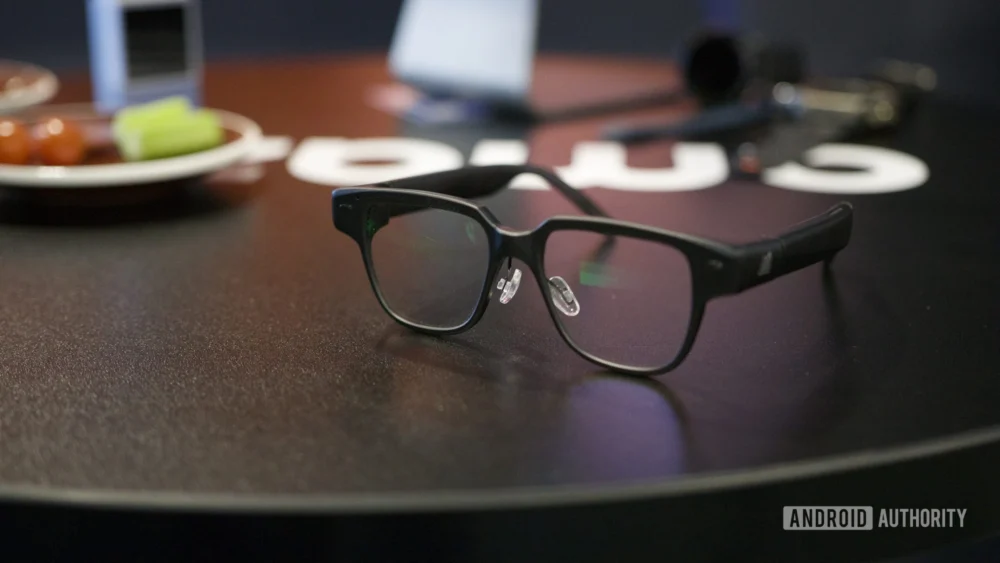
The annual Consumer Electronics Show (CES) remains the premier global stage for unveiling the bleeding edge—and sometimes the utterly bizarre—of technological ambition. Amidst the dazzling displays of next-generation semiconductors and holographic entertainment systems, health and wellness technology consistently pushes the boundaries of personal data collection. This year, fitness hardware specialist Amazfit presented two concept devices that perfectly encapsulate this trend: the V1TAL Food Camera and the Helio Smart Glasses. While both represent a dedicated push into deeper biometric and lifestyle integration, the V1TAL, in particular, forces a confrontation with the increasing invasiveness of quantified self-movement.
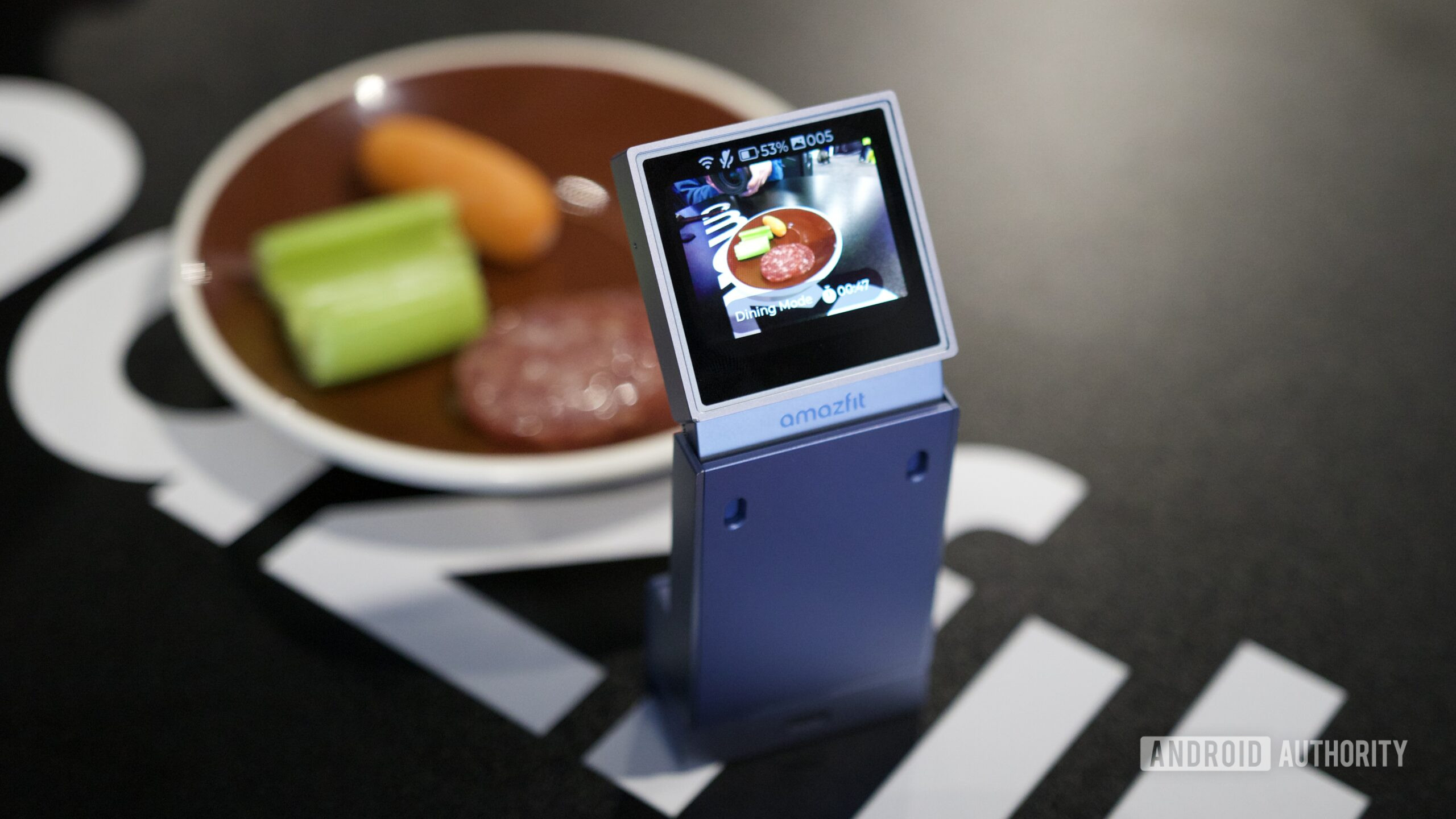
The V1TAL Food Camera, which I examined firsthand during the CES 2026 presentations, is, in essence, an automated, always-on dietary tracking system. Unlike the relatively passive logging afforded by manually inputting meals or taking a single snapshot with a smartphone, the V1TAL seeks to capture the process of consumption. The mechanism is straightforward, if intrusive: the user positions the small device to frame their plate, initiates a recording session, consumes the meal, and stops the recording. The collected video sequence is then processed, uploaded to the associated Amazfit application, and translated into quantifiable dietary data.
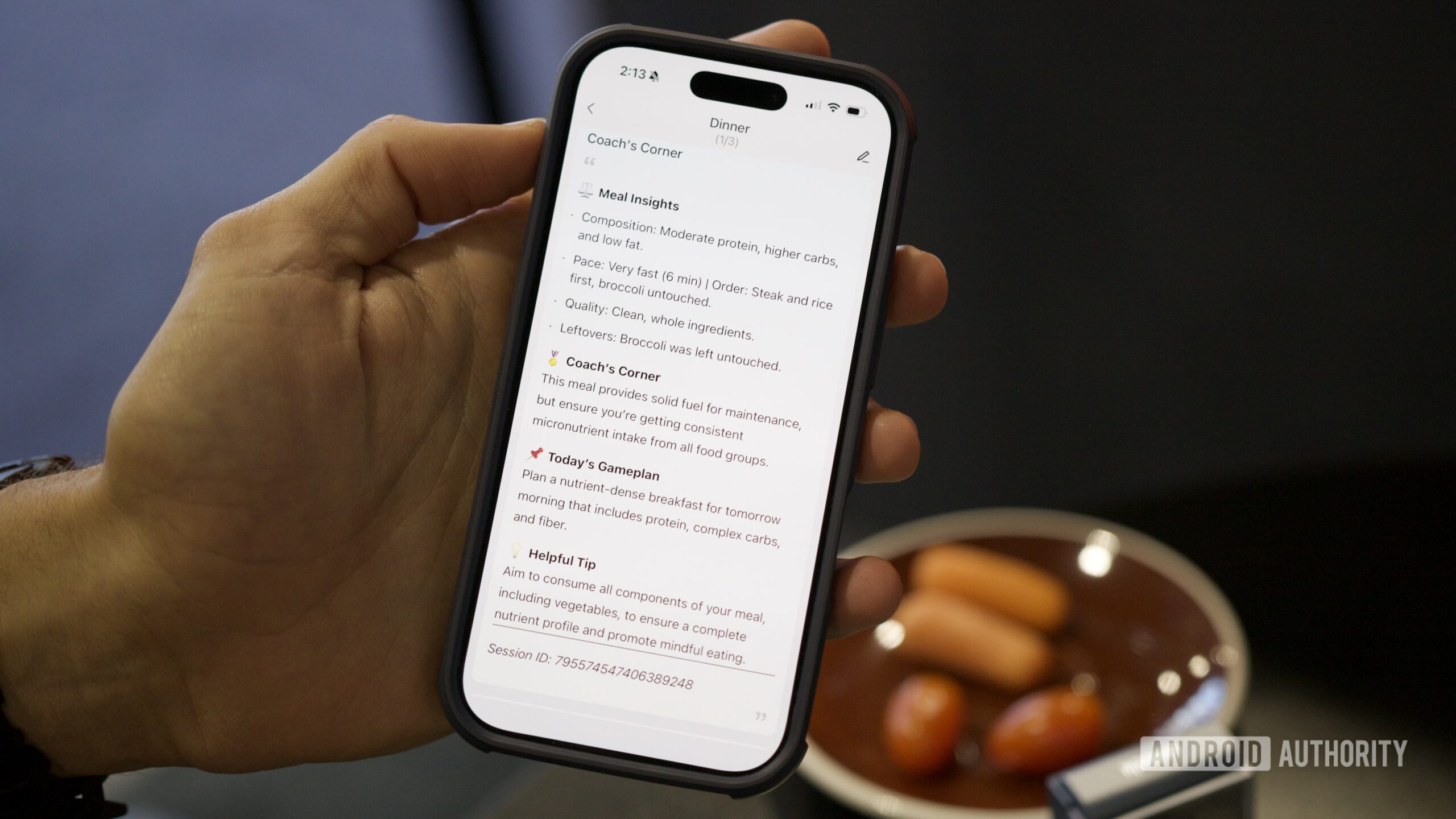
The core innovation here lies in the temporal analysis. By capturing frames periodically throughout the meal, the AI moves beyond simple object recognition (identifying ‘chicken’ or ‘broccoli’) to behavioral analysis. It monitors the rate of consumption—determining if a user is grazing or rapidly consuming calories—and crucially, tracks adherence to dietary goals by noting which food groups remain untouched. If a user aims to eat three servings of vegetables but leaves the greens behind, the V1TAL logs not just the presence of the vegetables, but their absence from the digestive tract. This level of granularity represents a significant leap from static food diaries, offering insights into how one eats, not just what.
Background Context: The Evolution of Digital Nutrition
The journey toward automated dietary tracking is decades old, rooted in rudimentary food diaries and evolving through barcode scanners and rudimentary image recognition apps. For serious athletes, bodybuilders, or individuals managing complex medical conditions like diabetes, meticulous logging has long been a necessary, if tedious, chore. The industry has continuously sought to reduce the friction associated with this process. Early successes came from large language models trained on massive food datasets, capable of estimating portion sizes from a single photograph.
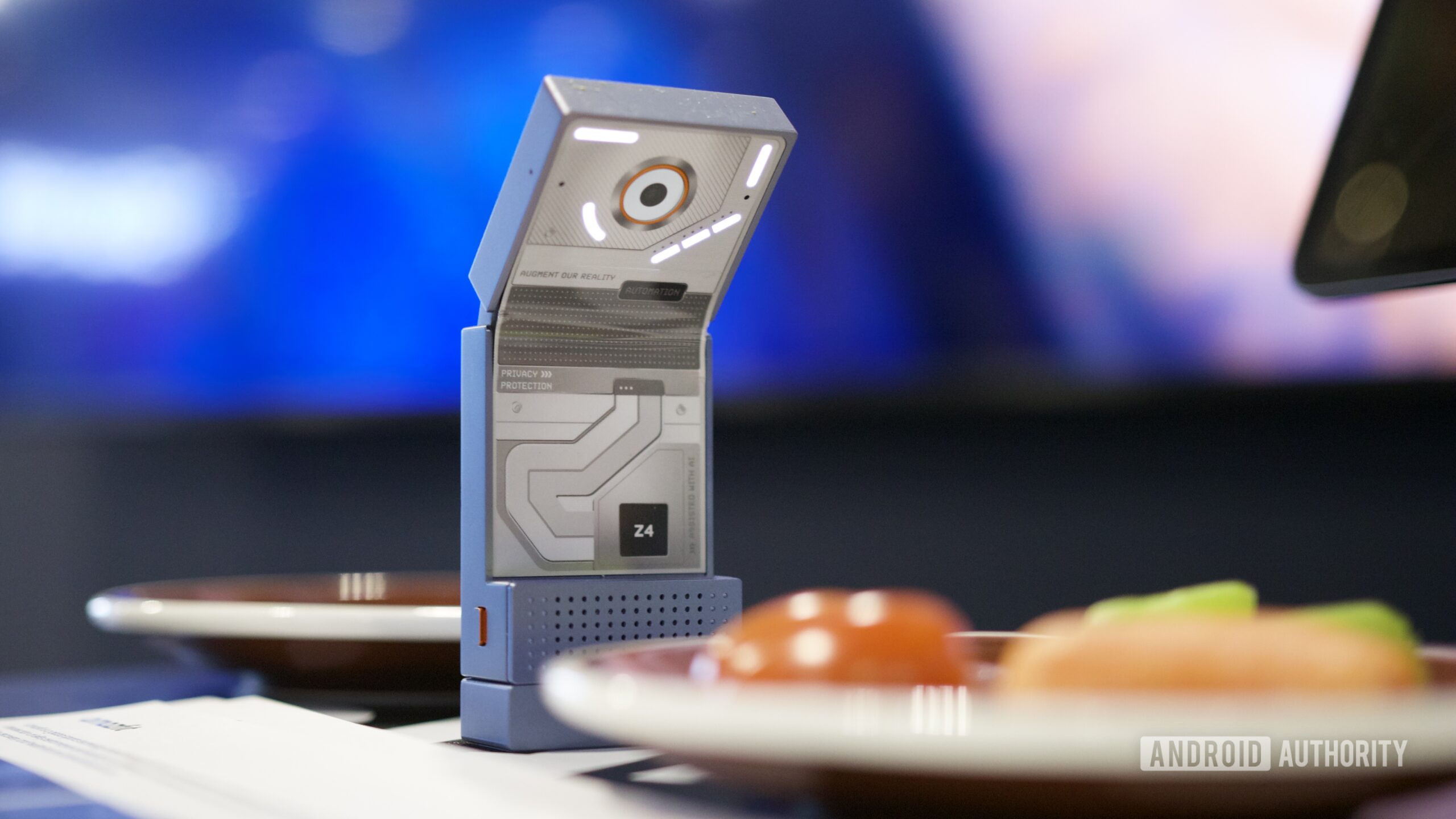
However, static photography has inherent limitations: it fails to capture the sequence of consumption, the actual volume eaten versus what was pushed aside, or the pacing of the meal, which is increasingly linked to satiety signals and overall metabolic response. Amazfit’s V1TAL concept directly addresses this data gap. It posits that true nutritional mastery requires dynamic, behavioral observation, mirroring the way a nutritionist or dietitian might observe a patient eating in a controlled setting, but miniaturized and deployed in the user’s home environment.
This concept, while mathematically compelling from a data science perspective, immediately raises red flags regarding user acceptance. For a technology to be effective, it must be adopted consistently. Does the perceived benefit of hyper-accurate behavioral data outweigh the psychological discomfort of having a dedicated camera recording one of life’s most private activities? This tension between data utility and personal privacy is the central dilemma surrounding the V1TAL.
Industry Implications: The Expansion of Passive Biometrics
The V1TAL positions Amazfit within a broader industry trend: the normalization of passive, continuous biometric monitoring that extends beyond traditional wearable domains like steps and heart rate. We are moving toward contextual computing, where AI systems integrate ambient data streams—visual, auditory, environmental—to build a richer user profile.
If the V1TAL proves technically viable and commercially acceptable, it signals a significant strategic shift for wearable companies. It suggests a future where tracking devices are not just worn, but placed strategically within environments—kitchens, dining areas—to passively gather lifestyle data. This opens doors for other AI-driven domestic monitoring systems, perhaps analyzing posture during work, sleep environments, or even social interaction patterns.
From a competitive standpoint, if Amazfit can successfully monetize this detailed dietary feedback loop, it puts pressure on established digital health platforms. It forces competitors to either develop their own, potentially less invasive, alternatives or invest heavily in superior AI processing of less comprehensive data (e.g., refining smartphone photo analysis). The market for personalized nutrition, estimated to grow exponentially over the next decade, is fiercely competitive, and a successful hardware solution that automates the hardest part of dieting could be a game-changer.
Expert Analysis: The AI and Ethical Tightrope Walk
The technical feasibility relies heavily on sophisticated computer vision algorithms capable of distinguishing between dozens of food items in variable lighting, estimating volume reduction over time, and accurately tracking the user’s hand movements relative to the plate. While modern neural networks excel at image segmentation, real-world dining environments—complex plating, low ambient light, and partially obscured views—present a severe challenge to consistency. Early prototypes often struggle with edge cases, such as identifying when a portion of food has been pushed to the side versus being fully consumed.
From an ethical and data governance perspective, the V1TAL treads a fine line. Unlike a fitness tracker that captures quantifiable physiological data (heart rate, movement), this device captures visual records of personal behavior within a private space. Key questions emerge:
- Data Storage and Anonymization: Are the video clips processed locally on the device, or streamed to the cloud for processing? If streamed, the privacy implications are immense. The consumer must trust that these intimate visual records are not subject to data breaches or used for secondary marketing purposes.
- The ‘Nudge’ Factor: The AI feedback loop is designed to influence behavior ("eat slower," "eat your broccoli"). While beneficial for health outcomes, this constant digital oversight can lead to what researchers term "surveillance fatigue" or disordered eating patterns in vulnerable populations, where the focus shifts from intuitive eating to optimizing the AI’s approval.
The device is currently positioned as a concept, suggesting Amazfit recognizes these sensitivities. However, the path from concept to mass-market viability mandates a transparent and robust privacy architecture that exceeds current industry standards for wearables.
The Counterpoint: Amazfit Helios Smart Glasses
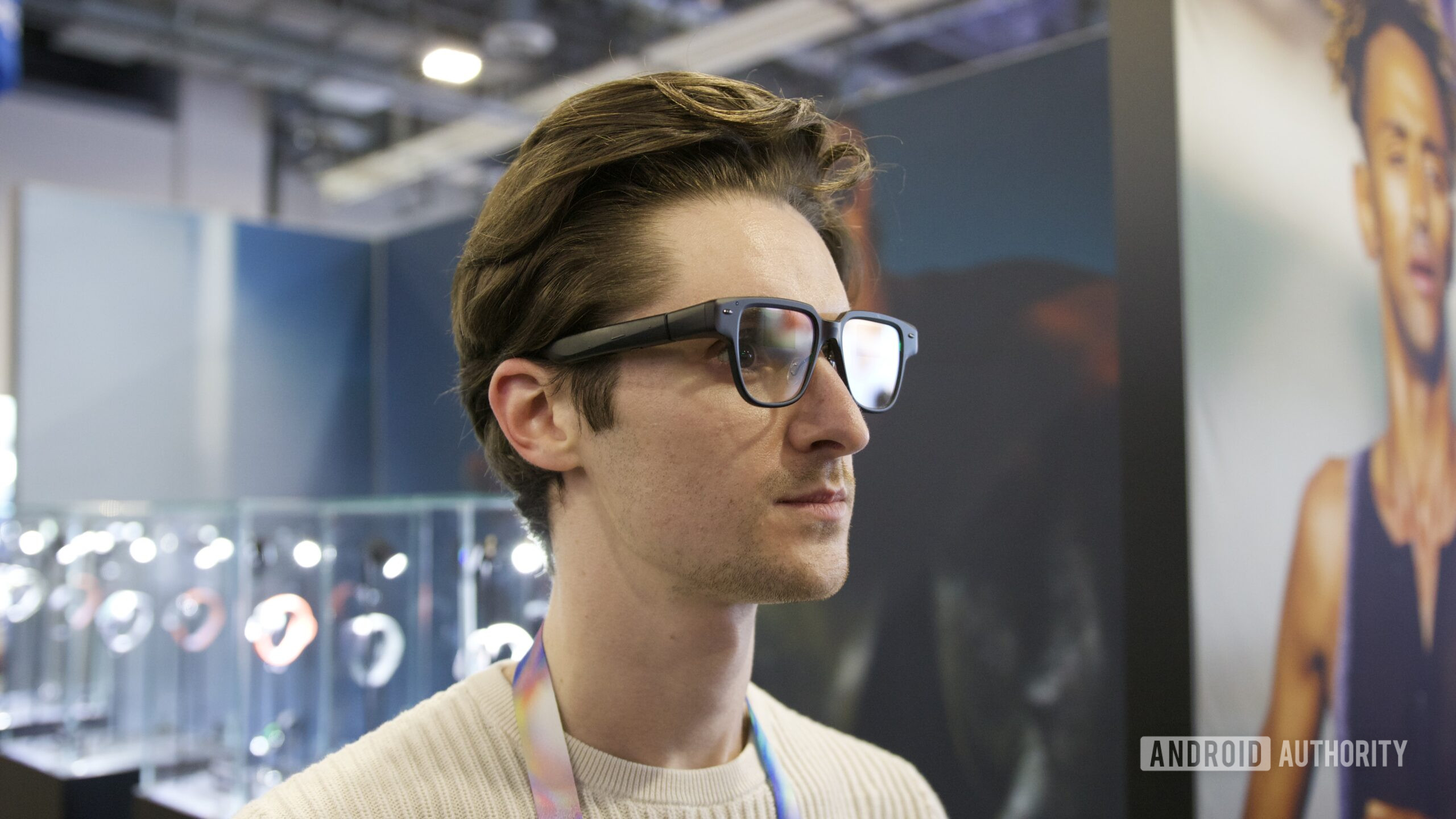
In sharp contrast to the potentially fraught territory of the V1TAL, the Helio Smart Glasses demonstrate a more pragmatic, focused application of contextual AI in the health sector. These glasses are not general-purpose AR displays designed to replace smartphones; they are specialized fitness monitors leveraging the existing ecosystem of Amazfit smartwatches.
The core utility of the Helios is the elimination of mid-activity distractions. During a run or bike ride, a user typically needs to glance down at a wrist-worn device or a bike mount to check pace, distance, or navigational cues. The Helios projects this crucial, real-time data directly into the user’s field of vision (positioned subtly near the midpoint of the sightline).
This design choice is strategically intelligent. It solves a specific, high-value problem for endurance athletes: maintaining flow state. Looking down breaks rhythm, requires a momentary adjustment in focus that can compromise safety, and breaks concentration. Displaying turn-by-turn navigation or cadence data unobtrusively aligns perfectly with the current trajectory of high-end fitness technology, which prioritizes seamless integration over disruptive interaction. The reported sharpness of the display on the prototype suggests a strong commitment to display quality, which is paramount for heads-up displays (HUDs).
Future Impact and Trends: Hyper-Personalization vs. Wearable Fatigue
The dual presentation by Amazfit highlights two potential trajectories for consumer health technology:
Trajectory A: Deep Environmental Integration (V1TAL Model): This path involves embedding sensors into the environment to capture complex behavioral data. This promises unprecedented personalization in diet and wellness coaching, capable of addressing nuanced issues like mindful eating or eating disorder relapse prevention (under clinical guidance). The risk, however, is alienation. If consumers recoil from the idea of a kitchen camera recording their every bite, this category will remain a niche tool for highly motivated, specialized users.
Trajectory B: Contextual Augmentation (Helios Model): This path focuses on augmenting existing activities with heads-up data delivery, reducing friction without fundamentally altering the core activity or invading privacy through visual capture of non-fitness activities. This trend aligns with broader AR development, aiming for utility without spectacle. The Helios appears far more likely to achieve mainstream success because its perceived utility is immediate and its privacy cost appears negligible, especially given its reliance on a paired smartwatch for its core functionality.
The success of the V1TAL will likely hinge on the public’s evolving comfort levels with AI in domestic settings. If data security fears subside, or if the medical utility becomes undeniable (e.g., integration into prescribed weight management programs), the barrier to entry might drop. However, the current market sentiment suggests that users prefer their food consumption to remain visually unlogged unless they initiate the recording themselves via a handheld device.
Ultimately, CES 2026 showcased Amazfit’s willingness to explore the outer limits of digital wellness. While the Helios Smart Glasses offer a compelling vision for fitness augmentation—a streamlined, focused HUD for athletes—the V1TAL Food Camera serves as a provocative thought experiment: how much behavioral oversight are we willing to trade for optimized health outcomes, and at what point does sophisticated tracking cross the line into digital surveillance of the dinner table? The industry watches keenly to see which of these concepts, the pragmatic augmentation or the radical monitoring, defines the next era of personalized health tech.