

The competitive landscape of biometric wearable technology is experiencing a significant recalibration with the introduction of the Ultrahuman Ring PRO, the company’s third-generation device. This launch is not merely an iterative update; it signals an aggressive strategic maneuver aimed squarely at established market leaders, most notably Oura. The headline feature driving this disruption is a monumental leap in power management, boasting an official battery life of up to 15 days on a single charge. In the realm of continuous health tracking, where daily or near-daily charging has long been an accepted user friction point, this extended endurance represents a critical competitive advantage, directly surpassing the current battery performance benchmarks set by its primary rival.
This enhanced longevity addresses one of the perennial pain points in the smart ring segment. While the Oura Ring series has historically dominated mindshare through consistent performance and robust software, its reliance on frequent charging interrupts the continuous data stream that is essential for accurate longitudinal health analysis. Ultrahuman’s claim of a two-week operational window shifts the paradigm from daily commitment to long-term, passive monitoring, a factor that significantly improves user compliance and data fidelity, especially concerning sleep and recovery metrics gathered overnight.
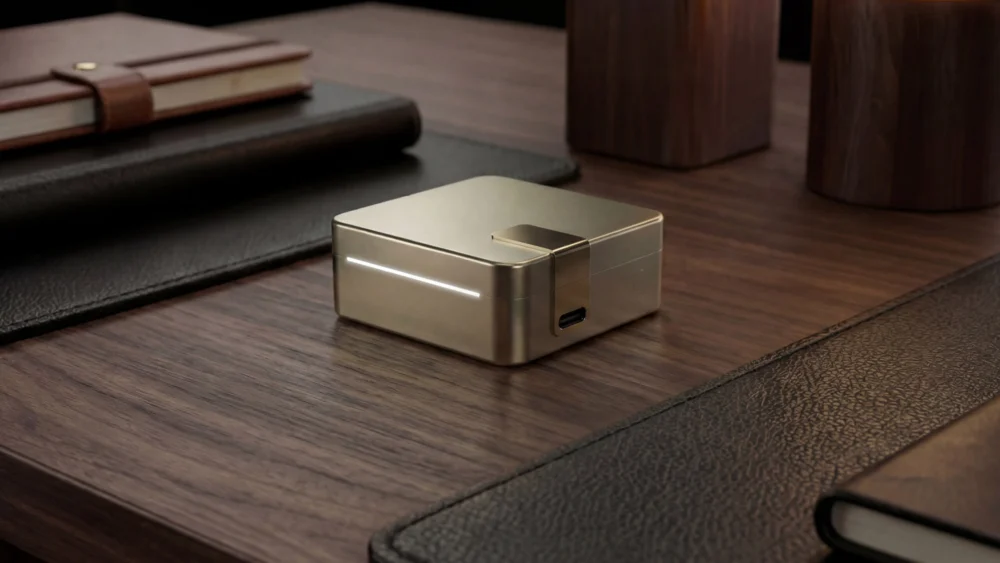
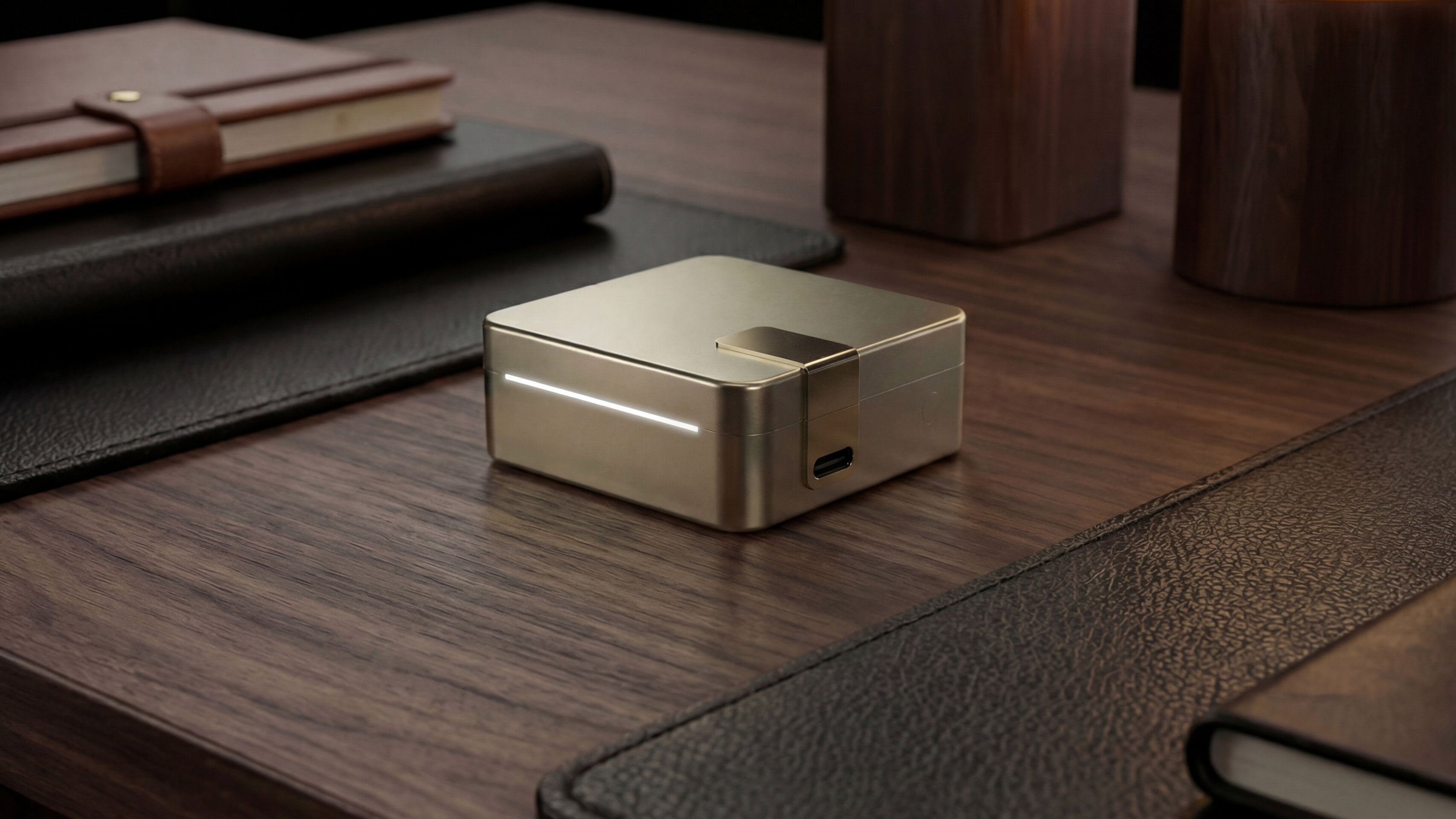
However, the battery story extends far beyond the ring unit itself. A cornerstone of the PRO ecosystem is the accompanying PRO Charging Case. This accessory is engineered as a holistic power and data management hub, extending the total operational window by an astonishing 45 days. This transforms the user experience from weekly management into a monthly cycle of interaction. Furthermore, the case integrates advanced connectivity features: it supports the ubiquitous Qi wireless charging standard, mitigating concerns about proprietary charging pads. Crucially, it employs a magnetic docking system purportedly designed to manage thermal output more efficiently than standard inductive charging, a necessary consideration when dealing with extended contact charging periods.
The case also serves as a vital data conduit. It possesses the capacity to buffer substantial volumes of health data—up to 250 days worth—meaning users can detach the ring for extended periods without interrupting data collection. This buffering capability is paired with accelerated firmware update mechanisms facilitated by the case’s direct connectivity, ensuring that software improvements can be deployed rapidly without requiring the user to tether the ring to a smartphone for prolonged periods. Adding a layer of practical utility, the case incorporates a built-in speaker, providing proximity guidance to assist users in locating the often-misplaced charging accessory, a subtle yet meaningful acknowledgment of real-world user behavior.
Hardware Refinement and Enhanced Sensing Capabilities
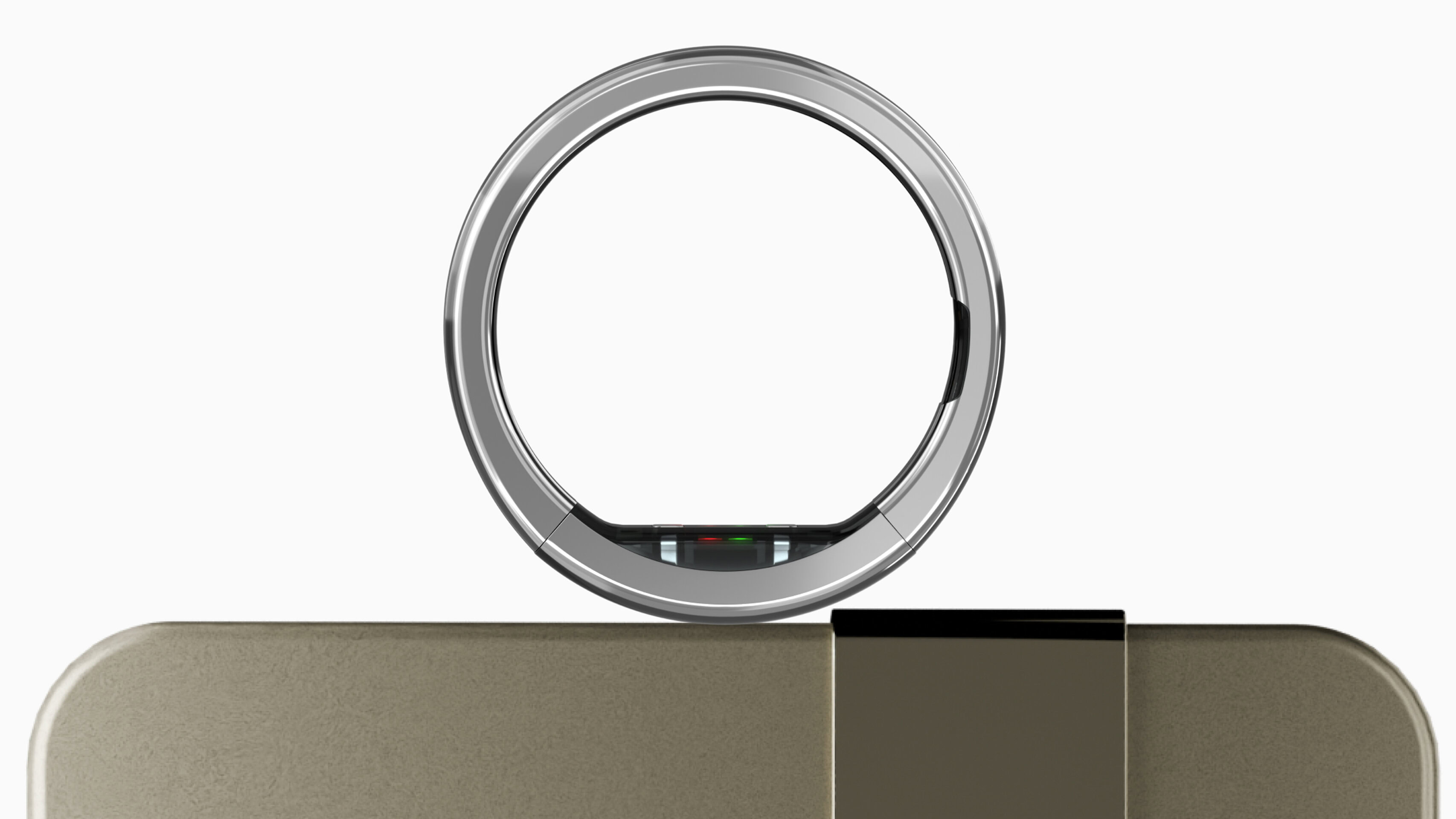
Beyond the dramatic improvement in power efficiency, the Ring PRO showcases comprehensive hardware upgrades intended to refine data accuracy and durability. The chassis is constructed from aerospace-grade titanium, offered in four distinct finishes: Bionic Gold, Space Silver, Aster Black, and Raw Titanium. This commitment to premium materials aligns with the high-end positioning of the product category.
Sensor technology has also seen targeted refinement. The device features a newly designed heart-rate sensor, specifically calibrated for improved accuracy during sleep tracking. Sleep staging and heart rate variability (HRV) analysis are central tenets of modern wellness wearables, and any perceived inaccuracy in these core metrics can erode user trust rapidly. By focusing sensor improvements here, Ultrahuman is attempting to solidify its credibility in the crucial area of overnight physiological assessment.
Internally, the adoption of a new dual-core processor is slated to enhance on-device processing speeds. This move towards greater edge computing—processing data locally rather than relying solely on cloud synchronization—can lead to faster metric generation, improved responsiveness, and the ability to run more complex algorithms directly within the ring, ultimately contributing to the aforementioned 250-day local data storage capacity.
The AI Layer: Jade and the Integration of Multi-Modal Data
Perhaps the most intellectually ambitious aspect of the Ultrahuman announcement is the platform-wide rollout of Jade, their proprietary Artificial Intelligence layer. Jade represents a significant pivot toward actionable, integrated health intelligence, moving beyond simple metric reporting. Where many wearables provide users with raw data—sleep scores, readiness metrics, or activity levels—Jade is positioned to synthesize data across Ultrahuman’s expanding ecosystem.
This ecosystem is notably broader than just the smart ring. Jade ingests data from the company’s blood testing services, continuous glucose monitoring (CGM) integration, and even data harvested from their environmental monitoring products. By cross-referencing sleep quality (from the ring) with recent metabolic markers (from CGM data) and overall biological trends (from blood panels), Jade aims to generate hyper-personalized recommendations. This level of data fusion moves the product from a passive tracker to an active, diagnostic aid. The system is designed to proactively trigger interventions, such as guided breathwork sessions if stress indicators spike or alerts regarding heart rhythm deviations, positioning it as a more holistic health companion than singular-focus devices. The global rollout of Jade to existing users underscores Ultrahuman’s commitment to software value addition, irrespective of the specific hardware generation.
Market Dynamics and Strategic Geographic Constraints
The timing and scope of the Ring PRO launch are intrinsically linked to ongoing legal complexities within the wearable technology sector. A recent U.S. patent infringement ruling specifically targeted Oura Health, which subsequently impacted Ultrahuman’s ability to legally import and sell its hardware within the domestic United States market. This legal constraint has necessitated a strategic realignment, forcing the Ring PRO’s immediate commercial focus onto international markets where importation and sales are unrestricted by the current ruling.
This geographical restriction provides an interesting case study in how intellectual property disputes can bifurcate a product’s market availability. While the technological advancements are global, the immediate consumer base for the new hardware is geographically segmented. Preorders are opening globally, with shipments scheduled to commence in March.
The pricing structure also warrants close scrutiny, particularly when benchmarking against Oura. The Ultrahuman Ring PRO is priced at $479. While this is notably higher than the $399 flagship price point for Oura’s latest model, the Ultrahuman package includes the advanced PRO Charging Case as standard. Oura typically requires an additional $99 investment for its charging accessory. When factoring in this mandatory accessory cost, the effective price parity is much closer, suggesting Ultrahuman is bundling its superior battery solution into the upfront cost. Critically, Ultrahuman continues to market the core experience as subscription-free, a major differentiator against Oura, which requires a monthly fee for full feature access. This strategy targets consumers wary of ongoing operational expenditures associated with premium wearables.
Industry Implications: The Endurance Arms Race and Data Integration
The introduction of the Ring PRO amplifies the growing "endurance arms race" within the wearable sector. Consumers are increasingly rejecting devices that require daily charging, viewing it as a relic of early smartphone technology. Companies that can deliver multi-day, ideally multi-week, battery life without sacrificing sensor density or data fidelity will secure a significant competitive edge. Ultrahuman’s 15-day baseline, augmented by the 45-day capacity of the case, sets a new high-water mark that forces competitors to reassess their own power optimization strategies.
Furthermore, the focus on Jade highlights the industry’s inevitable trajectory toward multi-modal data fusion. The future of personalized health tracking is not about collecting more singular data points (e.g., better step counting or temperature tracking), but about synthesizing disparate physiological signals—metabolic, autonomic, sleep, and environmental—into coherent, actionable narratives. Ultrahuman, by linking ring data with blood testing and CGM streams, is establishing a precedent for comprehensive internal health modeling. This move challenges traditional fitness trackers, which often operate in data silos, and positions the smart ring less as a gadget and more as a genuine component of an integrated personal health monitoring stack.
Future Trends and the Evolution of Wearable Form Factors
The success of the Ring PRO will likely influence design choices across the entire sector. The titanium build and focus on refined aesthetics demonstrate that wearables can be both technologically advanced and stylistically subtle. The continued refinement of miniaturization—packing dual-core processing and sophisticated sensors into a finger-worn form factor—pushes the boundaries of micro-electronics.
Looking ahead, the integration of more complex diagnostic capabilities, hinted at by the proactive alerts from Jade, suggests a future where rings move beyond simple tracking toward genuine preemptive health alerts. If the improved sleep heart-rate sensor proves highly reliable, it opens the door for more stringent regulatory pathways, potentially leading to FDA clearance for specific diagnostic claims, which would fundamentally shift the perception of these devices from wellness tools to medical-grade monitors.
The subscription-free model, while financially beneficial to the user upfront, forces Ultrahuman to generate revenue primarily through hardware sales and ancillary services like blood testing. This contrasts sharply with the recurring revenue models favored by competitors. The long-term sustainability of this model hinges on whether the premium price point ($479) is sufficient to cover R&D and operational costs against the backdrop of the ongoing market access challenges in key regions like the United States.
Ultimately, the Ultrahuman Ring PRO is positioned as a direct technological challenge to the market leader, not just on features, but on philosophy—offering superior endurance and comprehensive data integration without mandatory recurring fees. Its ability to gain traction internationally, despite the U.S. market vacuum, will be the primary indicator of whether its technical advancements are compelling enough to disrupt the established consumer loyalty enjoyed by the current segment champion. The innovation in power management alone suggests that the competition in the highly intimate space of health wearables has just become significantly more intense.