

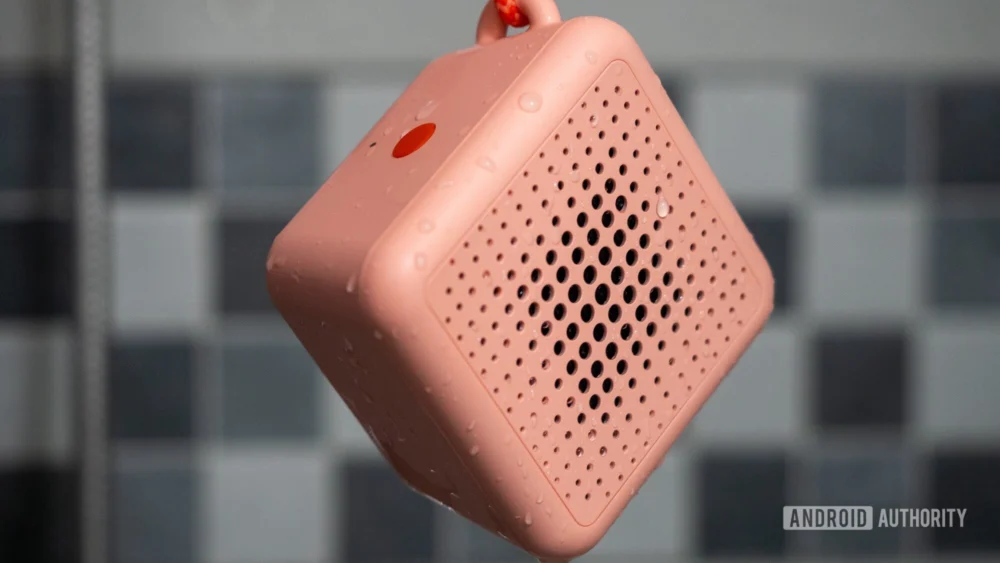
The consumer electronics landscape is fiercely competitive, often characterized by escalating price points and incremental feature upgrades. Yet, sometimes the most compelling technology stories emerge from the periphery, from brands typically associated with flat-pack furniture rather than cutting-edge audio engineering. Such is the case with the IKEA Vappeby portable Bluetooth speaker, a device that, upon initial inspection, seems destined for obscurity but delivers performance metrics that challenge established market leaders, particularly concerning longevity. The acquisition of this unit, priced domestically at approximately $16 (and even cheaper in some European markets at €10), was initially driven by a very specific domestic utility: overcoming the acoustic dampening effect of a modern, glass-enclosed shower stall.
For years, the search for an appropriate audio companion for morning routines was stalled. Previous living situations permitted simple placement of a smartphone near a curtained bath, rendering external amplification unnecessary. However, a transition to a home with sealed glass showering facilities rendered smartphone speakers, even those touted for superior output like the Pixel line, effectively inaudible beneath the sound of running water. This necessitated a dedicated, resilient audio solution. The resulting market survey canvassed expected heavyweights in the portable audio sector—Soundcore, JBL, Tribit, and Bose—all of which presented options that carried significantly higher cost structures, often without guaranteeing the kind of sustained operational uptime that seemed desirable for an item intended for sporadic, short-burst use. The decision to pivot to the IKEA electronics aisle was, by the user’s own admission, an impulse driven by skepticism and the sheer gravitational pull of the low price.
Feature Set Meets Unconventional Resilience
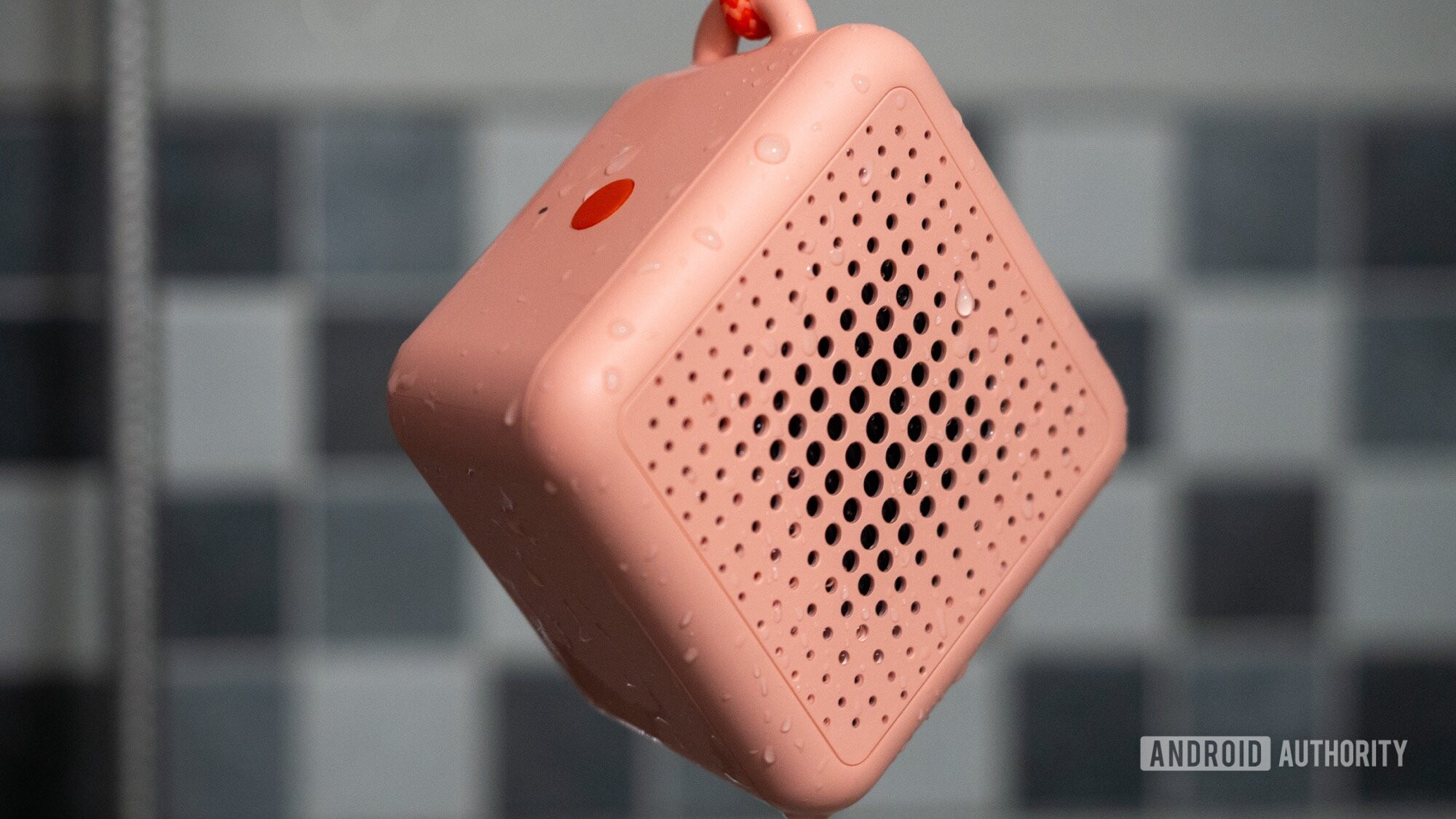
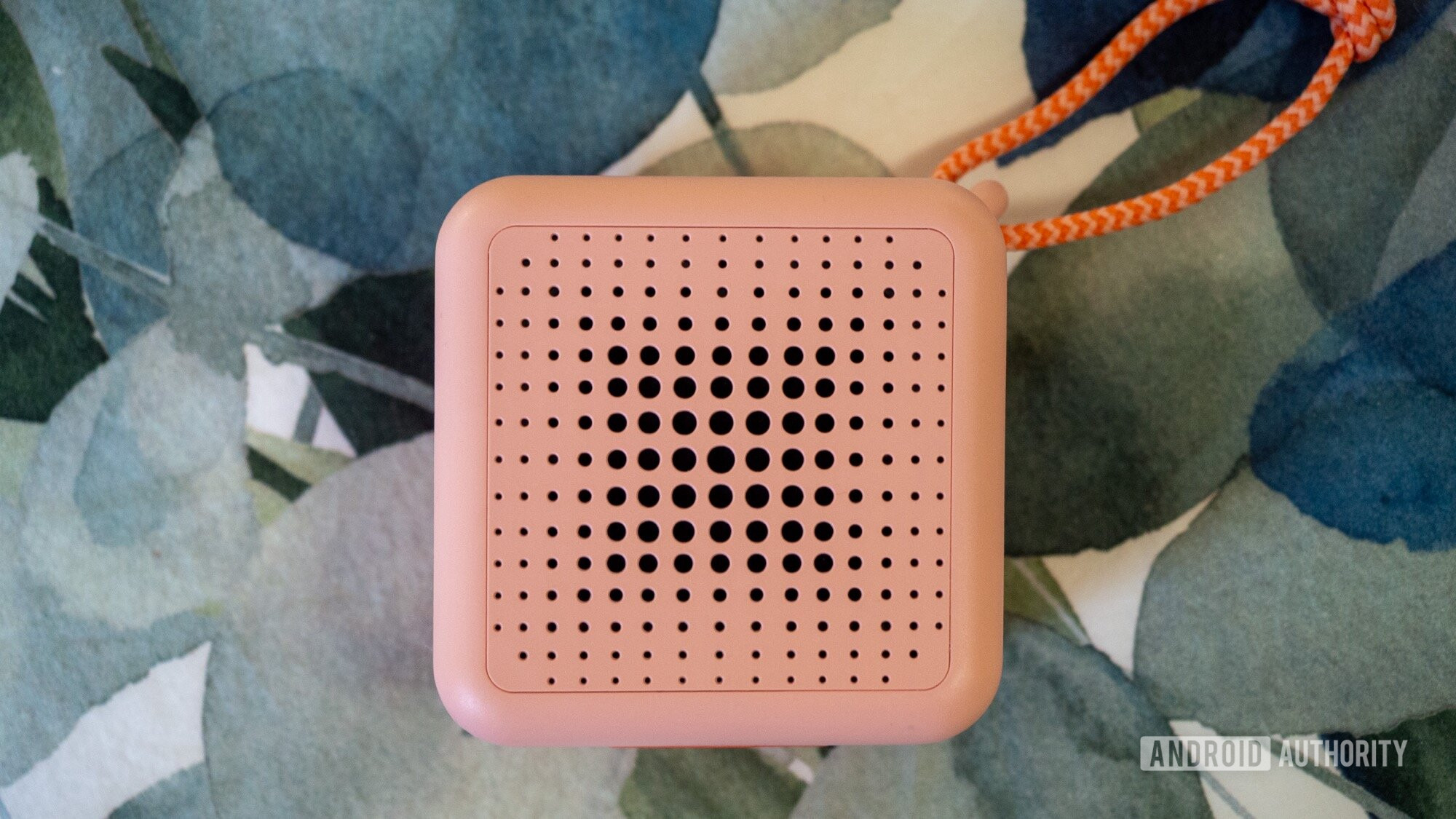
While aesthetic appeal is subjective—the reviewer noted an unfortunate preference for the light pink model over the currently unavailable black, white, or blue variants—the technical specifications of the Vappeby reveal an engineering effort disproportionate to its retail tag. The device boasts an IP67 ingress protection rating. This certification is critical; it signifies complete protection against dust ingress and the ability to survive submersion in up to one meter of water for thirty minutes. In the context of a bathroom environment, this rating offers robust insurance against accidental drops into the tub or consistent exposure to high humidity and direct spray.
Furthermore, the device embraces contemporary connectivity standards by utilizing USB-C for charging. In an era where legacy Micro-USB ports persist on budget electronics, the adoption of USB-C simplifies the charging ecosystem, allowing users to leverage existing cables for phones, tablets, and other modern peripherals. Practical considerations for its intended use are also addressed: an integrated hanging loop facilitates secure mounting on shower rods, and the capability for stereo pairing with a second unit suggests a modular approach to scalable audio, albeit one requiring a secondary investment.
However, the defining characteristic that elevates the Vappeby from a novelty item to a functional success is its energy management system. IKEA claims an astonishing operational lifespan of up to 80 hours when running at 50% volume. This claim is juxtaposed sharply against the typical specifications of comparable products from established portable speaker manufacturers, which usually hover in the 12-to-25-hour range. For a user prioritizing convenience over sheer acoustic fidelity, the promise of multi-week or even multi-month operation between charges—based on a daily 30-minute usage cycle—is a paradigm shift.
Field Testing: The Year of Minimal Charging
The true measure of any budget electronic device is its performance under sustained, real-world stress, divorced from laboratory conditions. After nearly a year of consistent daily use—a 30-minute session in the shower environment—the Vappeby has reportedly required charging only twice. This performance statistic is not merely impressive; it borders on the anomalous within the current portable audio market, where aggressive marketing often correlates with mediocre battery retention. The device’s reliance on the user to remember to charge it, rather than requiring frequent top-ups, speaks volumes about the efficiency of its internal components, likely a combination of a large-capacity cell relative to the low-power Bluetooth chipset and modest amplifier requirements for its intended output range.
Durability in the wet environment has been confirmed. Despite constant exposure to steam and direct water contact (with some noted caution to avoid saturation of the speaker grille itself, which can temporarily affect clarity until drying), the physical integrity and the tactile response of the single multi-function control button have remained consistent. This singular button manages pairing, power on/off, and playback control—a minimalist approach that trades granular control for reduced points of failure, which aligns well with a ruggedized application.
Acoustic Profile and Market Positioning
To maintain context, the audio performance must be assessed realistically. This is not an audiophile-grade device. The sound profile is described as adequate for spoken word content, such as podcasts, and serviceable for casual music listening. The notable deficiency is the near-total absence of bass frequencies, a common limitation in small, low-cost enclosures where the physics of generating low-end resonance are fundamentally restrictive.
Independent assessments from audio specialists, while perhaps tongue-in-cheek regarding the device’s appearance—jokingly likened to children’s toys—have validated its functional audio output, noting better clarity than expected for its price point, particularly in midrange and high-frequency reproduction where vocal clarity resides. This suggests that IKEA has successfully navigated the trade-off curve: sacrificing sonic depth for durability, connectivity standards, and, most critically, operational endurance.
The Vappeby clearly occupies a niche: the ultra-durable, low-stakes utility speaker. It is not designed to power an outdoor gathering or serve as the primary speaker in a living room. Its constraints—the reliance on the host device for volume control (due to the single button interface) and the lack of advanced features like Bluetooth Multipoint for seamless switching between two source devices—reinforce its role as a single-user, single-task appliance.
Industry Implications: Redefining Value Proposition
The existence and proven efficacy of the Vappeby speaker raise significant questions regarding the established pricing architecture in the portable Bluetooth market. Brands like JBL, Ultimate Ears, and Sony invest heavily in acoustic engineering, advanced codecs, and premium materials, justifying price points often ten to twenty times that of the Vappeby. However, if a significant segment of the consumer base prioritizes extreme battery life and basic water resistance over nuanced audio quality and proprietary app integration, the Vappeby model presents a disruptive value proposition.
This challenges the industry assumption that consumers are willing to pay a substantial premium for marginal gains in fidelity or connectivity when the core utility (portable, resilient audio) can be achieved at a fraction of the cost. For consumers in specific use cases—travelers needing a charger-free backup, workshop users, or, indeed, shower listeners—the feature set of the Vappeby is perfectly optimized, rendering the expensive alternatives functionally equivalent for their specific needs while adding unnecessary cost and complexity.
The strategic implication for major audio manufacturers is the potential commoditization of baseline durability and connectivity. If IKEA can integrate IP67 and USB-C charging efficiently, other manufacturers must justify their pricing tiers through genuinely superior acoustic performance, advanced features like spatial audio integration, or significantly more robust build quality that withstands harsher environments than a bathroom.
Future Trends and the Endurance Factor
The current trajectory of consumer electronics leans toward pervasive integration and extended use cycles. In the realm of battery technology, while fast charging garners headlines, the real consumer desire often reverts to less frequent charging. The Vappeby, perhaps inadvertently, taps into this latent demand for endurance.
Looking ahead, the success of such a Spartan, high-endurance product suggests a growing segmentation in the market. We may see an increased bifurcation: high-fidelity, feature-rich speakers commanding premium prices, contrasted with hyper-efficient, task-specific utility devices like the Vappeby that excel by focusing intensely on one or two key metrics—in this case, ruggedness and battery life—and stripping away all non-essential components.
The inclusion of stereo pairing is a subtle nod to future growth within this low-cost ecosystem. Should a consumer acquire a second Vappeby, they gain a rudimentary form of spatial audio without the computational overhead or cost associated with integrated smart sound processing found in higher-end units. This "two-for-the-price-of-one-decent-speaker" strategy hints at how budget brands can foster ecosystem loyalty through simple, low-cost expansion options.
Ultimately, the IKEA Vappeby transcends its humble origins. It serves as a compelling case study in engineering efficiency, demonstrating that fundamental utility—durability and extended power retention—can be delivered at a price point that forces a critical re-evaluation of the perceived value of portable audio gear. For the user who sought a simple, reliable conduit for podcasts during their morning ritual, the $16 investment has yielded an almost unbelievable return on longevity, proving that sometimes, the most innovative products are those that simply refuse to quit. The only minor concession to reality is the continued reliance on the source device for volume adjustments, a small inconvenience when weighed against charging the unit only twice over the course of eleven months. This speaker is less about sonic perfection and entirely about relentless, practical utility.