

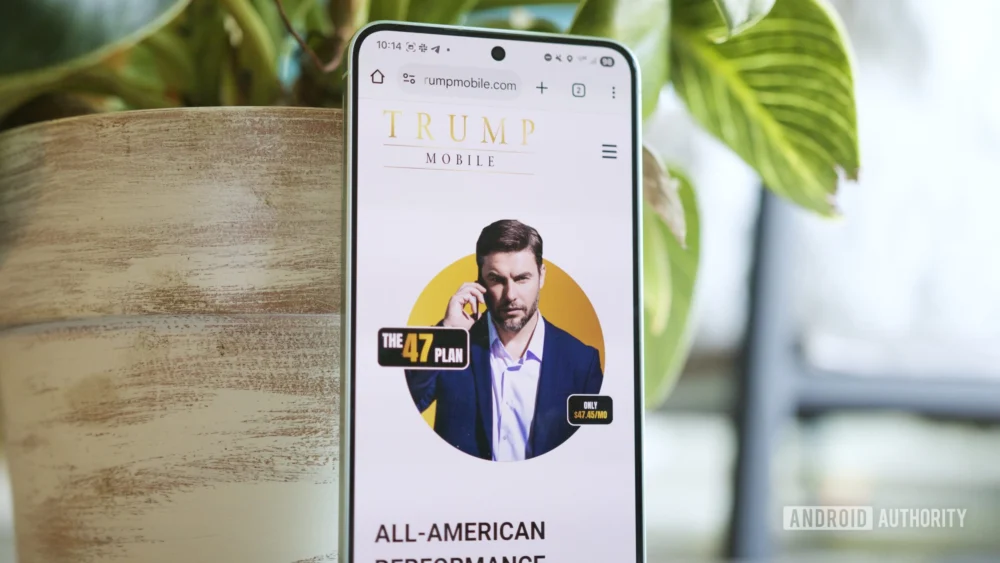
The dawn of 2026 presents a landscape teeming with anticipated technological milestones: the unveiling of the Samsung Galaxy S26, the rumored debut of Apple’s long-awaited foldable iPhone iteration, and the distinct possibility of a significant market correction in the inflated artificial intelligence sector. Yet, amidst these predictable industry shifts, one personal technological quest remains stubbornly unresolved: the delivery of the T1 Phone, pre-ordered under the banner of "Trump Mobile" in the previous year’s summer months. Nearly seven months have elapsed since the initial financial commitment—a deposit now seemingly vanished into the ether—and the tangible product remains conspicuously absent.
This protracted saga is not unprecedented for the venture. A previous comprehensive report, issued three months post-deposit, detailed the initial confusion and the operational vacuum surrounding the Trump Mobile pre-order process. To understand the current state of affairs, one must recognize the pattern of opaque communication and shifting goalposts that has characterized this niche electronics endeavor since its inception. The silence from Trump Mobile has been deafening, punctuated only by sporadic, inconclusive interactions with customer support channels.
The core of the current development hinges on the latest attempt to solicit an update via the dedicated customer service line, 1-888-TRUMP45. The interaction, while brief, offered a peculiar rationale for the continued delay of the T1 Phone. Upon navigating the automated prompts—which curiously still offered language options beyond English, an oddity for a product marketed with distinct nationalistic undertones—the caller was connected with a representative based in Missouri. The explanation provided for the failure to ship the promised device was the United States government shutdown.
This excuse warrants immediate scrutiny from an industry perspective. Trump Mobile is positioned as a private enterprise, ostensibly managed by the principals of the Trump organization, individuals who do not hold governmental office. The functional relationship between a private electronics manufacturer’s supply chain logistics and the operational status of the federal government remains obscure. While it is conceivable that necessary regulatory clearances, such as Federal Communications Commission (FCC) certification, might be suspended during a government closure—a phenomenon witnessed previously in the technology sector, as seen with delays affecting the OnePlus 15 launch—this justification fails to align with prior timelines.
The previous customer service interaction, logged in September, pegged the shipment window for late October. If the device required standard FCC approval, that process should have been either completed or substantially underway before the alleged shutdown period, or at the very least, the October commitment should have been based on the assumption of a functional regulatory environment. The current explanation suggests either a profound mismanagement of timelines or a fundamental misunderstanding of the supply chain dependencies by the support staff.
Indeed, the most recent customer service agent exhibited clear signs of operational confusion. When pressed on the lack of proactive customer outreach—the failure to dispatch email notifications detailing the postponement—the representative admitted ignorance regarding the communication strategy. Furthermore, they could not articulate why fulfillment operations had not resumed immediately following the conclusion of the shutdown. Their sole contribution was to reset the delivery expectation: the T1 Phone is now vaguely slated for arrival by the end of January.
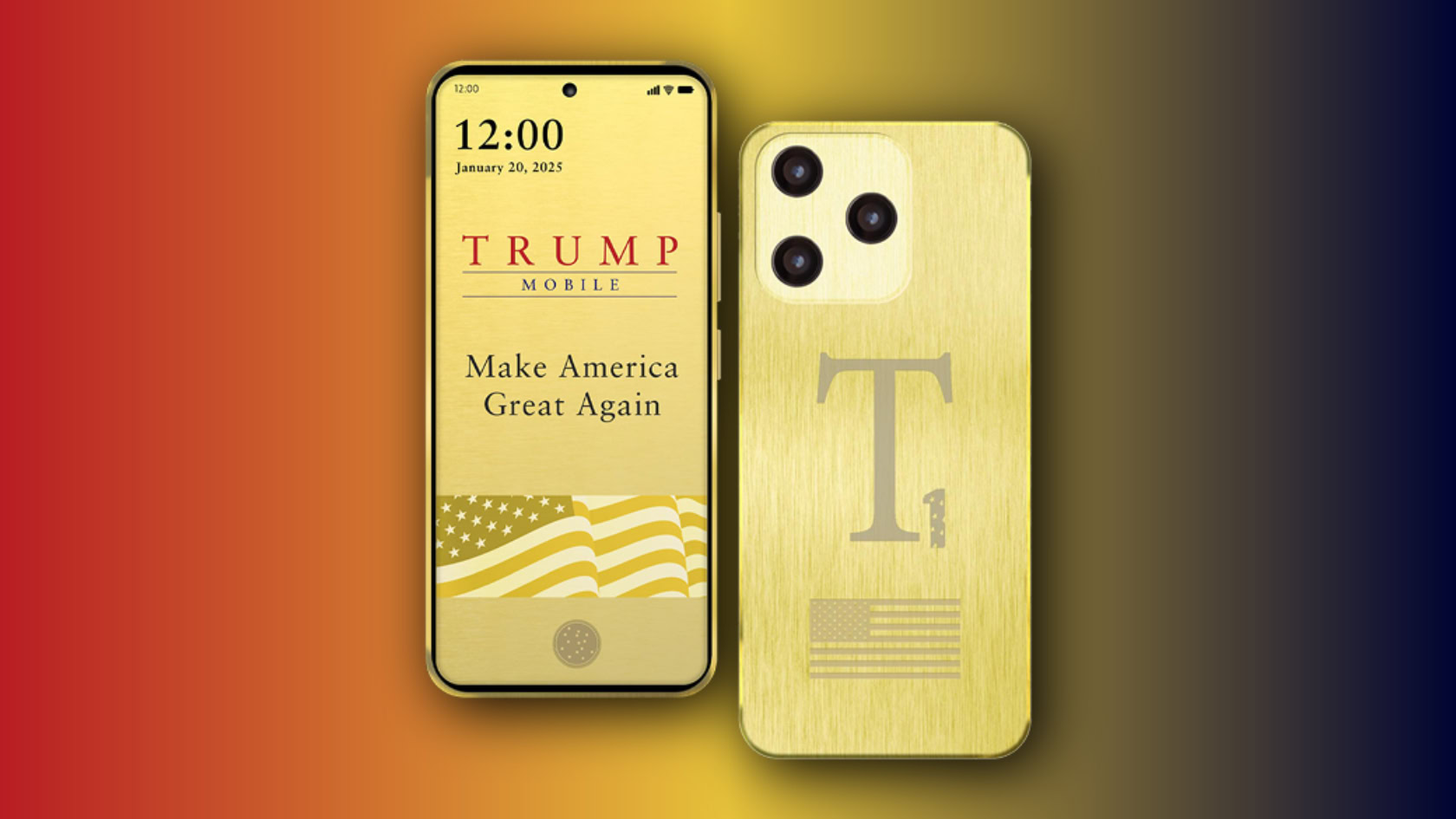
This pattern suggests a highly problematic, if intentional, customer relationship management strategy. If the September representative promised an October shipment, and the December representative promises a January shipment, the pattern emerges: the delivery date is perpetually set for "the end of the following month." This tactic, common in contexts where actual production milestones are unknown or non-existent, serves to temporarily placate callers without committing to a verifiable delivery schedule. For a product already mired in speculation regarding its actual hardware—having reportedly evolved from a perceived Chinese iPhone clone to an actual iPhone, and subsequently, inexplicably, morphing into specifications resembling a Galaxy S25 Ultra—such instability in logistics management only amplifies concerns regarding product viability.
Industry Implications: The Perils of Politicized Hardware
The Trump Mobile project, regardless of its ultimate fate, serves as a compelling case study in the confluence of political branding and niche consumer electronics. In a market dominated by established giants like Apple and Samsung, which invest billions in R&D, supply chain optimization, and rigorous quality assurance, the entry of a politically branded device faces formidable barriers.
The initial premise of such a venture relies heavily on capitalizing on a dedicated consumer base willing to prioritize brand affinity over conventional metrics like technical specifications, long-term software support, or proven reliability. However, manufacturing a smartphone is a complex undertaking that demands expertise across semiconductor procurement, advanced component integration, thermal management, and robust carrier certification—areas where established players possess decades of accrued institutional knowledge.
The reported evolution of the T1’s purported hardware—the shift from one flagship design to another—is indicative of a common failure mode in undercapitalized, ideologically driven hardware projects: reliance on third-party Original Design Manufacturers (ODMs) without sufficient technical oversight. These ODMs, often based in Asia, frequently offer white-label or near-finished chassis designs that can be rebranded quickly. When the initial design concept proves unfeasible, or when the required component sourcing encounters unexpected friction (perhaps due to geopolitical trade dynamics impacting supply lines), the project must pivot rapidly to a different existing platform. This "platform hopping" leads to inconsistent user experiences, potential security vulnerabilities, and almost guaranteed obsolescence shortly after launch.
Furthermore, the reliance on anecdotes from customer service agents—who themselves appear untrained in the specifics of the product’s regulatory hurdles—suggests a complete lack of transparent operational reporting to the public. For any legitimate hardware launch, delays are communicated formally, often with detailed explanations concerning component shortages, testing failures, or logistical bottlenecks. The current communication strategy, characterized by vague assurances and inconsistent excuses, aligns far more closely with pre-order scams than with legitimate manufacturing challenges.
Expert Analysis: Capital Flight and Consumer Trust Erosion
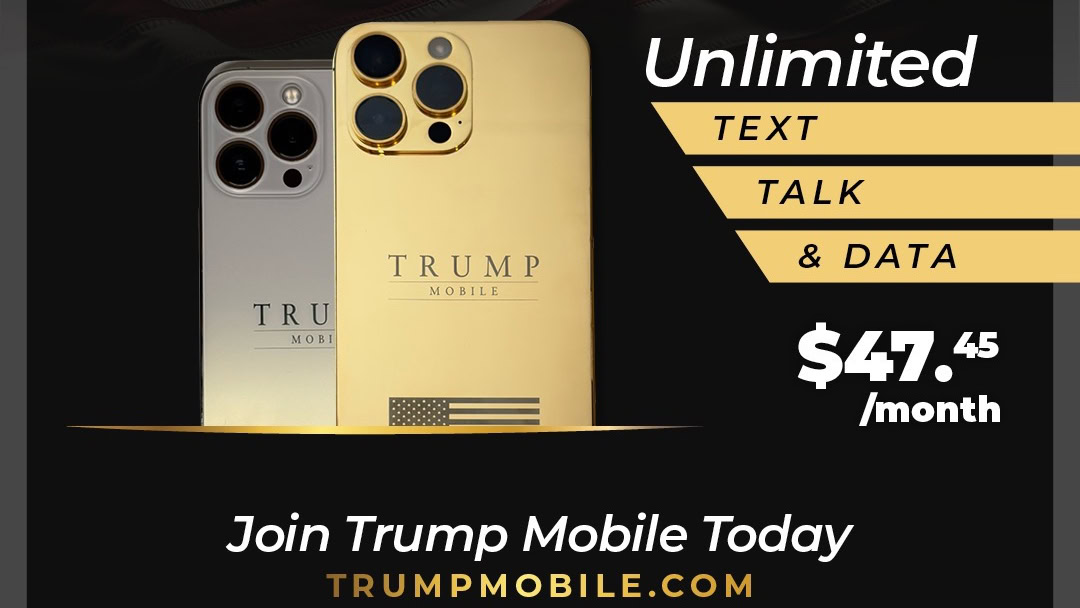
From a financial perspective, the handling of the $100 deposits raises significant questions about the venture’s capital structure. For a company attempting to launch a premium-priced device (rumored at $499), the initial deposits are crucial for initial manufacturing runs or securing supply contracts. If these funds are being held without transparent accounting or clear refund mechanisms, the operational risk profile of Trump Mobile trends toward high-risk speculation rather than sustainable business practice.
In the broader context of consumer technology investment, this saga highlights the erosion of trust when marketing outpaces engineering capability. Tech consumers, even those strongly aligned with a specific political or cultural identity, ultimately expect a functional product. When the delivery timeline stretches into perpetuity, and the excuses offered are clearly disconnected from industrial reality (such as blaming a federal shutdown for private logistics), the narrative shifts from one of patriotic product support to one of consumer exploitation.
The longevity of the journalist’s commitment—pledging to continue monitoring the situation until a refund is issued or the device is received—is a necessary, if uncomfortable, journalistic obligation. It forces accountability by maintaining a public ledger of the commitment. However, the expectation of receiving a functional device capable of competing in the 2026 market, particularly concerning features like promised Android upgrade cycles or camera performance, diminishes exponentially with each passing month of inaction.
Future Impact and Trend Forecasting
The potential failure or indefinite postponement of the T1 Phone carries implications beyond a single product. It reinforces a cautionary trend for politically charged consumer electronics initiatives. While niche markets exist for hyper-specific ideological products (e.g., privacy-focused phones or devices aligned with specific nationalistic sentiments), success requires meticulous adherence to established hardware development cycles.
If Trump Mobile eventually delivers a device—even significantly delayed—it will likely be technologically archaic compared to contemporary offerings. A phone released in mid-2026, potentially built on hardware concepts from 2024 or earlier, will struggle severely against devices running the latest Android builds, optimized for advanced 3nm or 2nm chipsets, and featuring integrated generative AI capabilities directly on the device. The market punishes obsolescence swiftly.
The future impact of this case may be twofold:
- Increased Scrutiny for Politically Aligned Tech: Future ventures attempting to leverage political capital for hardware pre-sales will face heightened skepticism from both consumers and regulatory bodies concerning their manufacturing readiness and financial stewardship.
- The Endurance of the "Concept Device": The T1 Phone, currently existing as a collection of changing renders and vague promises, may become emblematic of the "concept device" that never graduates to a mass-market reality. Its story underscores that branding alone cannot bridge the gap between marketing hype and the complex realities of global semiconductor fabrication and logistics.
Ultimately, the wait for the T1 Phone transcends the frustration of a single delayed purchase. It represents a persistent investigation into whether a highly publicized, politically motivated hardware project can navigate the unforgiving technical and operational demands of the modern smartphone industry. As the calendar turns deeper into 2026, the likelihood of receiving anything other than a finalized status report—or perhaps, an unsolicited refund—appears increasingly remote, confirming the initial realist assessment: the $100 deposit may well be a permanent contribution to the overhead of a highly ambitious, yet currently invisible, operation. The commitment remains, however, to track this unique intersection of commerce, technology, and political identity through its inevitable conclusion, whether that is a tangible device review or a formal declaration of insolvency.