

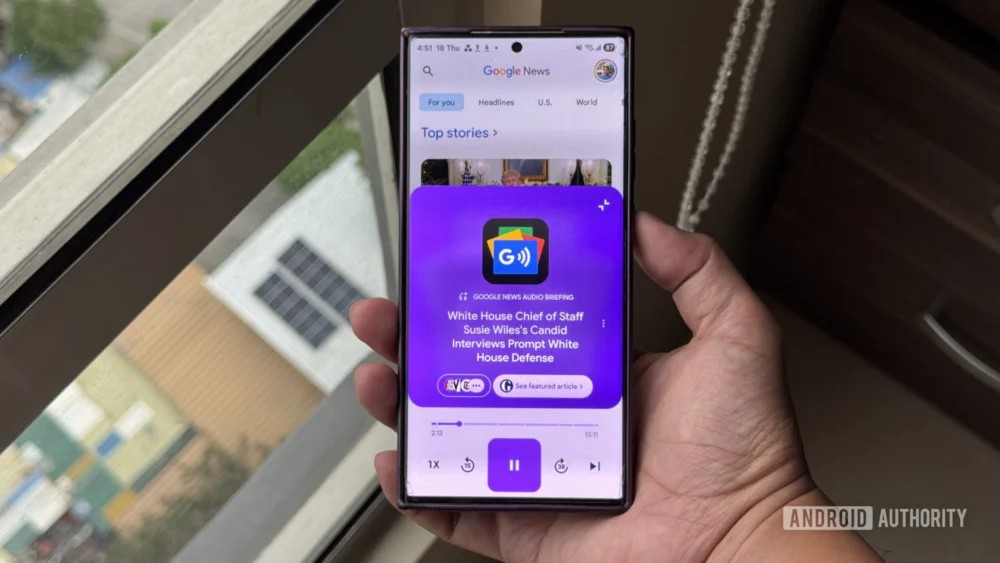
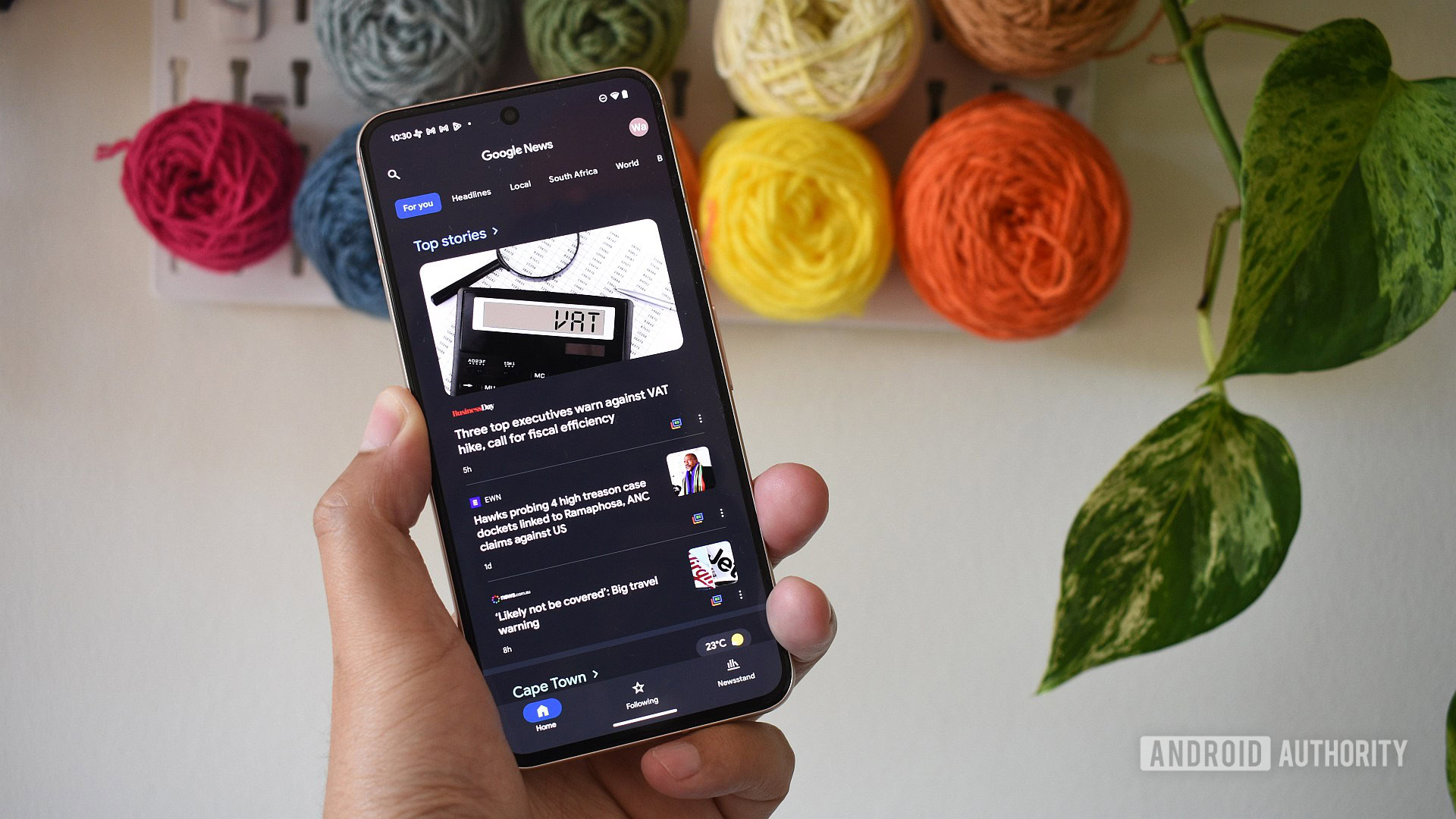
The persistent presence of the Google News application on a primary mobile device often speaks less to enthusiastic endorsement and more to a difficult reality: the surrounding digital ecosystem of news consumption is profoundly fragmented and, frequently, inferior. For years, this application has occupied a fixed, almost default position on the home screen, surviving platform migrations and software overhauls. While ephemeral social platforms like X (formerly Twitter) capture the velocity of breaking news, Google News has served as the steady, albeit visually unchanging, repository for curated information flow—a benchmark of traditional aggregation services.
This very stability, however, is also its most pronounced weakness. Google News has demonstrated a remarkable resistance to significant interface or functional evolution over the last several cycles. Users are routinely met with a layout and design language that feels deeply familiar, almost stagnant. This lack of dynamism eventually becomes a deterrent, prompting users to venture into the vast marketplace of the application stores in search of modern, more engaging alternatives. Paradoxically, this exploratory exercise often reinforces a reluctant appreciation for the incumbent service’s core capabilities.
The Crux of the Aggregator Dilemma
The digital publishing landscape has seen an explosion of individual news outlet applications. For the discerning reader, however, installing a dedicated application for every source—from specialized technology blogs to major international dailies—is an exercise in digital clutter and inefficiency. The modern reader desires a consolidated view, a curated perspective that synthesizes diverse viewpoints across specialized domains like technology analysis, geopolitical coverage, finance, and local reporting. Relying on a single siloed source inherently limits breadth and depth of understanding.
This necessity for cross-source synthesis is the fundamental reason for the enduring utility of centralized news aggregators. The initial quest for a replacement for Google News is almost universally focused on finding another aggregator capable of managing this complexity. Yet, the market is saturated with applications that attempt to differentiate themselves through radical redesigns or niche features, often resulting in solutions that feel forced or fundamentally broken compared to the established equilibrium offered by Google’s offering.
Navigating the Alternative Landscape: A Series of Disappointments
The journey away from the familiar often begins with readily available, highly recommended substitutes. One prominent application frequently cited in recommendations is SmartNews. Early adoption attempts often reveal immediate geographical limitations. For readers outside of core markets, such as the US or Japan—the primary operational zones for this service—the utility drops precipitously. Similarly, proprietary offerings like Apple News, while robust on its native platform, offers no viable solution for Android users, immediately sidelining it as a universal alternative.

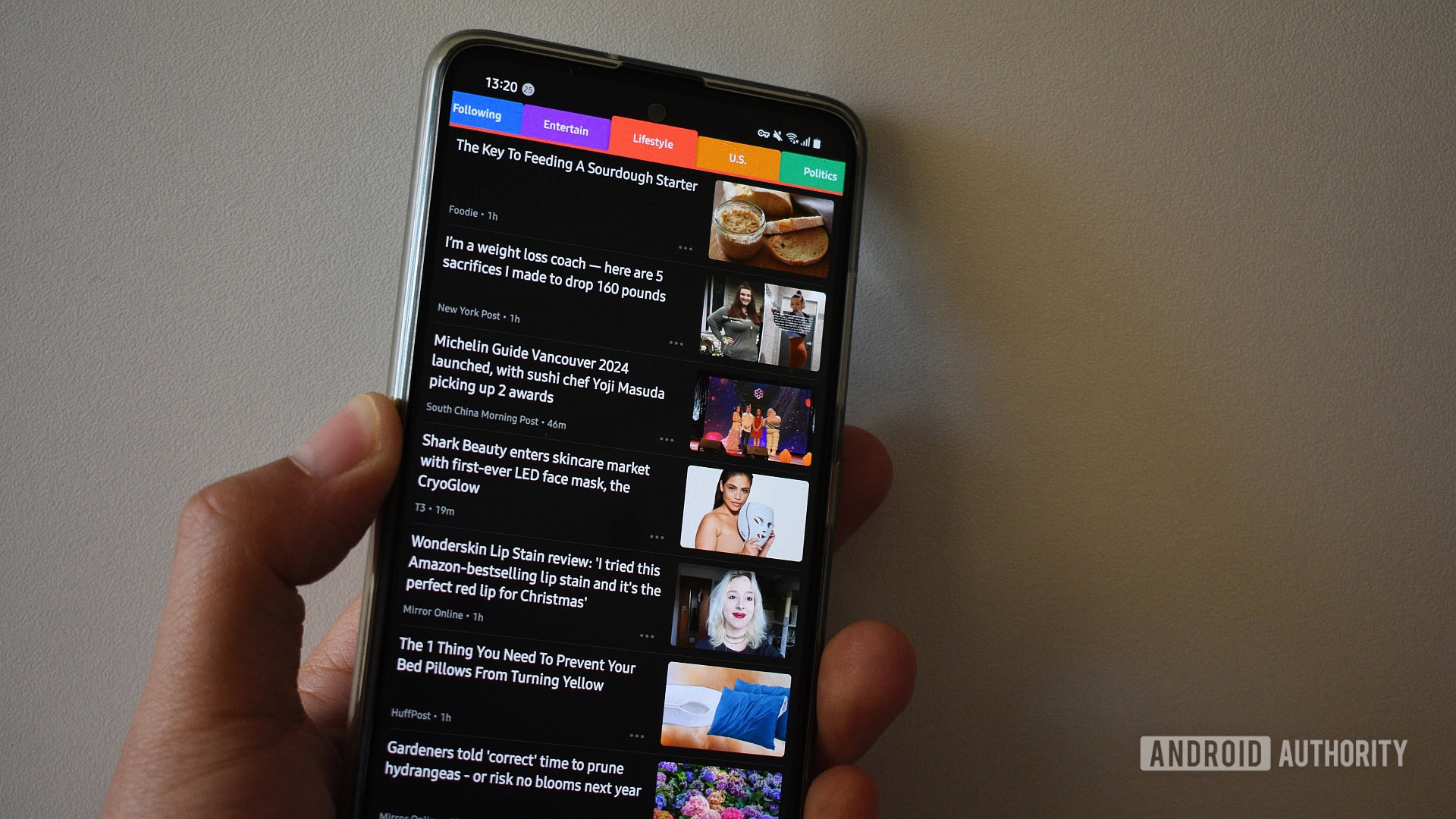
Moving beyond these geographically constrained options leads to more conventional, enterprise-backed solutions, such as Microsoft’s MSN news portal. The user experience here often suffers from a distinct brand dissonance. For many, the interface carries the unmistakable aesthetic and functional baggage associated with Microsoft’s enterprise software suite—an environment that feels corporate, heavy, and antithetical to light, engaging news consumption. The immediate psychological resistance to such an environment often leads to rapid uninstallation, a definitive rejection before any substantive content review can take place.
A more intriguing candidate often emerges in the form of Opera News. This application presents itself as a plausible contender, often striking a better balance in terms of content density and the variety of curated topics. The perceived quality of the aggregated articles appears high initially, suggesting a strong algorithmic foundation or a curated editorial selection that rivals Google’s. However, a critical failure point for many geographically diverse users is the glaring absence of meaningful hyperlocal coverage. In an era where legacy print distribution has waned, obtaining reliable, timely news concerning one’s immediate metropolitan area has become reliant on digital aggregators supporting regional feeds. The inability of Opera News to effectively source and present such local narratives renders it incomplete for users who value connectivity to their immediate community alongside global affairs.
The final category explored often involves the "build-your-own-feed" applications, typically centered around the Really Simple Syndication (RSS) protocol. Platforms like Feedly, and their numerous counterparts, empower the user with ultimate control. This control, however, comes at a significant operational cost. The process demands considerable user initiative: identifying credible publishers, manually sourcing correct feed URLs, configuring subscription parameters, and managing the entire architecture. This setup phase represents a substantial barrier to entry for the average user accustomed to instant gratification.
Furthermore, the core philosophical difference between an RSS reader and an intelligent aggregator lies in algorithmic curation. RSS feeds deliver content chronologically, raw and unadulterated, directly from the source. This raw delivery lacks the contextual layering, trend spotting, and personalization that modern machine learning models provide. Google News, for all its perceived faults, excels at this algorithmic filtering, surfacing importance and relevance where a manual RSS setup only surfaces chronology.
The Return to the Familiar: The Strength of Predictable Utility
The exhaustive exploration of the market invariably leads to a reluctant return to the familiar starting point. This homecoming is not typically characterized by excitement but by a pragmatic recognition of superior baseline functionality. The realization dawns that Google News’s primary value proposition is not necessarily groundbreaking innovation in its algorithm or its personalization engine, but rather its dependable, almost monotonous consistency.
In an environment where alternatives frequently introduce experimental features that disrupt the established reading rhythm or fail to deliver on fundamental requirements (like localized content or cross-platform availability), Google News’s commitment to a stable, predictable framework becomes its most undervalued asset. It operates within established mental models of information consumption. It minimizes cognitive load associated with learning a new interface or troubleshooting missing content streams. This functional inertia, often criticized as stagnation, is precisely what secures its place in the daily routine. The application functions as a dependable utility, requiring minimal upkeep or re-learning, making it a surprisingly robust anchor in the volatile world of digital media access.
Industry Implications: The High Cost of Hyper-Personalization
The experience of seeking an alternative highlights significant systemic challenges within the digital news industry that Google News is uniquely positioned, yet often fails, to fully exploit.
The Hyperlocal Gap: The failure of several promising alternatives, notably Opera News, underscores the persistent difficulty in digitizing and aggregating truly local news effectively. Local journalism faces existential economic threats, leading to fragmented online presences. Aggregators that cannot successfully map user location to high-quality, reliably updated local sources lose a crucial dimension of user engagement. For Google, with its vast mapping and location data infrastructure, this should be a solvable problem, yet it remains underserved.
The Enterprise Software Aesthetic: The rejection of MSN demonstrates a clear market preference for news consumption interfaces that feel tailored to editorial content rather than enterprise productivity. Users seek speed, visual clarity, and editorial pacing; they do not want their news feeds to resemble a spreadsheet or a project management dashboard. This suggests that successful news platforms must prioritize design language aligned with media consumption habits, a category where Google News, despite its age, still adheres more closely than some rivals.
The Overhead of Manual Curation: The friction associated with RSS-based solutions confirms a fundamental truth about modern mobile usage: users prioritize convenience over complete manual control. The expectation is that a service should "just know" what content is relevant. Any application demanding significant upfront labor to establish its core utility is severely disadvantaged in today’s attention economy. This reinforces the competitive moat built by services that leverage large-scale data ingestion and machine learning for automatic source discovery and categorization.
Future Trajectories and Necessary Evolution
While the current situation forces a reluctant reliance on Google News, the platform is not immune to obsolescence. The exploration demonstrated that while the alternatives were worse, they exposed clear avenues for necessary improvement within the incumbent service.
Refining Algorithmic Nuance: Google’s personalization engine, while powerful, often defaults to superficial engagement signals. It needs deeper contextual memory. If a user reads one article on a niche topic out of obligation or momentary curiosity, the algorithm should not prioritize that topic for weeks. True personalization requires a more sophisticated decay function for transient interests and a clearer mechanism for users to explicitly signal "do not show this again." Furthermore, the sheer density of the primary feed can induce fatigue. A necessary evolution involves introducing visual breathing room—perhaps modular layouts that intelligently segment major themes without sacrificing comprehensive coverage.
The Imperative of Generative AI Integration: The most glaring omission in the current Google News offering, particularly when viewed against the backdrop of broader Google ecosystem developments, is the lagging integration of generative Artificial Intelligence tools. While the introduction of audio briefings represents a step toward multimodal consumption, these features are frustratingly constrained by regional lockdowns. This limitation is particularly egregious given the company’s leadership in large language models.
The future of news consumption involves synthesis, summarization, and on-demand querying of the news flow. Users should be able to ask the application, "What were the three most significant developments in sustainable energy legislation this week, summarized from my preferred sources?" The current reliance on external tools, such as Gemini, for this level of interaction proves the gap exists within the native application. Releasing these AI-powered features, especially multimodal briefings, globally and integrating them seamlessly into the main feed is crucial to maintain technological relevance. This transition moves the app from being a passive aggregator to an active intelligence layer over the world’s information.
Addressing Content Monoculture Risks: While predictability is currently a strength, over-reliance on a single algorithmic provider fosters concerns about echo chambers and the stifling of serendipitous discovery. Google must actively demonstrate mechanisms that introduce diverse, high-quality viewpoints that challenge the user’s established consumption patterns. This could involve more deliberate "challenger topics" or "counter-perspective" sections that are clearly demarcated but regularly present.
Ultimately, the current user retention within Google News is a testament to the market’s failure to produce a superior aggregator, rather than a glowing endorsement of Google News itself. The experience of seeking an exit and finding only lateral moves, regressions in functionality, or insurmountable setup barriers confirms the platform’s status as the least objectionable choice. For Google to secure long-term loyalty, it must move beyond passive reliability and proactively integrate the advanced AI capabilities that define the next generation of information management, transforming its predictable interface into a dynamically intelligent gateway to global knowledge. The next significant innovation needs to be internal, addressing personalization depth and feature accessibility, before the competition manages to solve the fundamental problems that currently plague every other contender.