

The landscape of wearable technology, particularly in the realm of augmented and mixed reality glasses, has long been littered with ambitious concepts that failed to bridge the chasm between technological novelty and genuine utility. For many seasoned tech observers, myself included, the experience has often been defined by cumbersome headsets, displays that induce immediate visual fatigue, or an overall aesthetic that screams "prototype" rather than "daily driver." My personal journey through previous iterations of AR/XR gear at major industry events, including CES, has typically ended with a retreat to conventional eyewear. This year, however, an encounter at CES 2026 with Even Realities and their updated Even G2 smart glasses marked a significant paradigm shift, suggesting the industry might finally be approaching a viable consumer form factor.
The narrative surrounding truly integrated smart glasses has always hinged on two primary hurdles: aesthetics and user experience friction. Devices attempting to overlay digital information onto the real world have often sacrificed one for the other. They either looked jarringly futuristic—discouraging public use—or they were so minimalist that their functionality was severely constrained. Even Realities, under the guidance of CEO Will Wang (who brings noted experience from significant players in the consumer electronics space, including Apple), appears to have attacked both problems simultaneously. The key insight, as Wang succinctly put it, is that "The best smart glasses are the ones that just feel like glasses." This philosophy is immediately evident upon first interaction with the Even G2.
Form Factor as a Foundation for Adoption
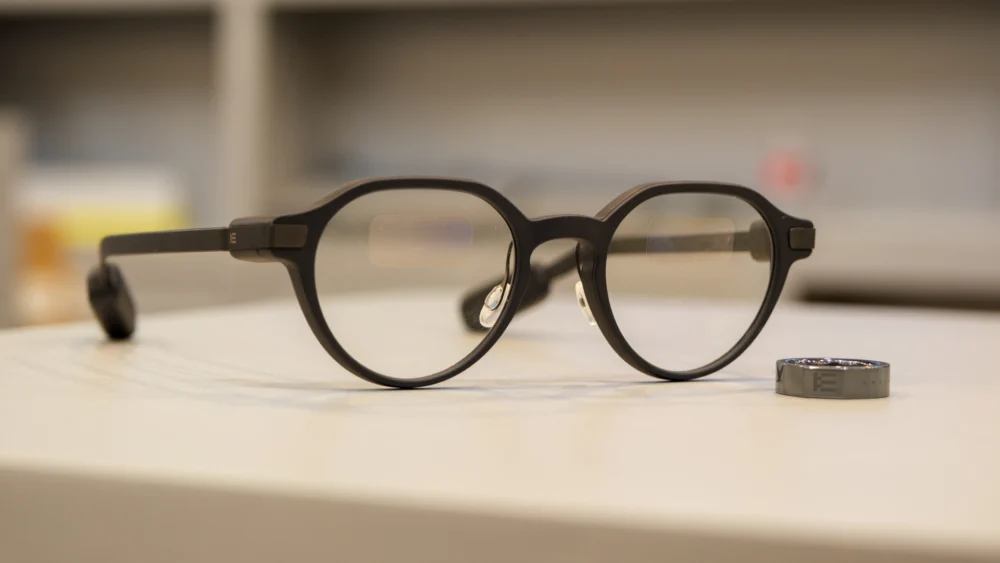
The most striking feature of the Even G2 is its visual discretion. Unlike bulkier competitors that telegraph their technological nature via oversized lenses or prominent sensor arrays, the G2 mimics standard prescription eyewear with remarkable fidelity. Crucially, the design eschews the conspicuous front-facing cameras that often raise privacy concerns and immediately signal "smart device." The profile is sleek, avoiding the heavy scaffolding often necessary to house micro-displays and necessary battery components.
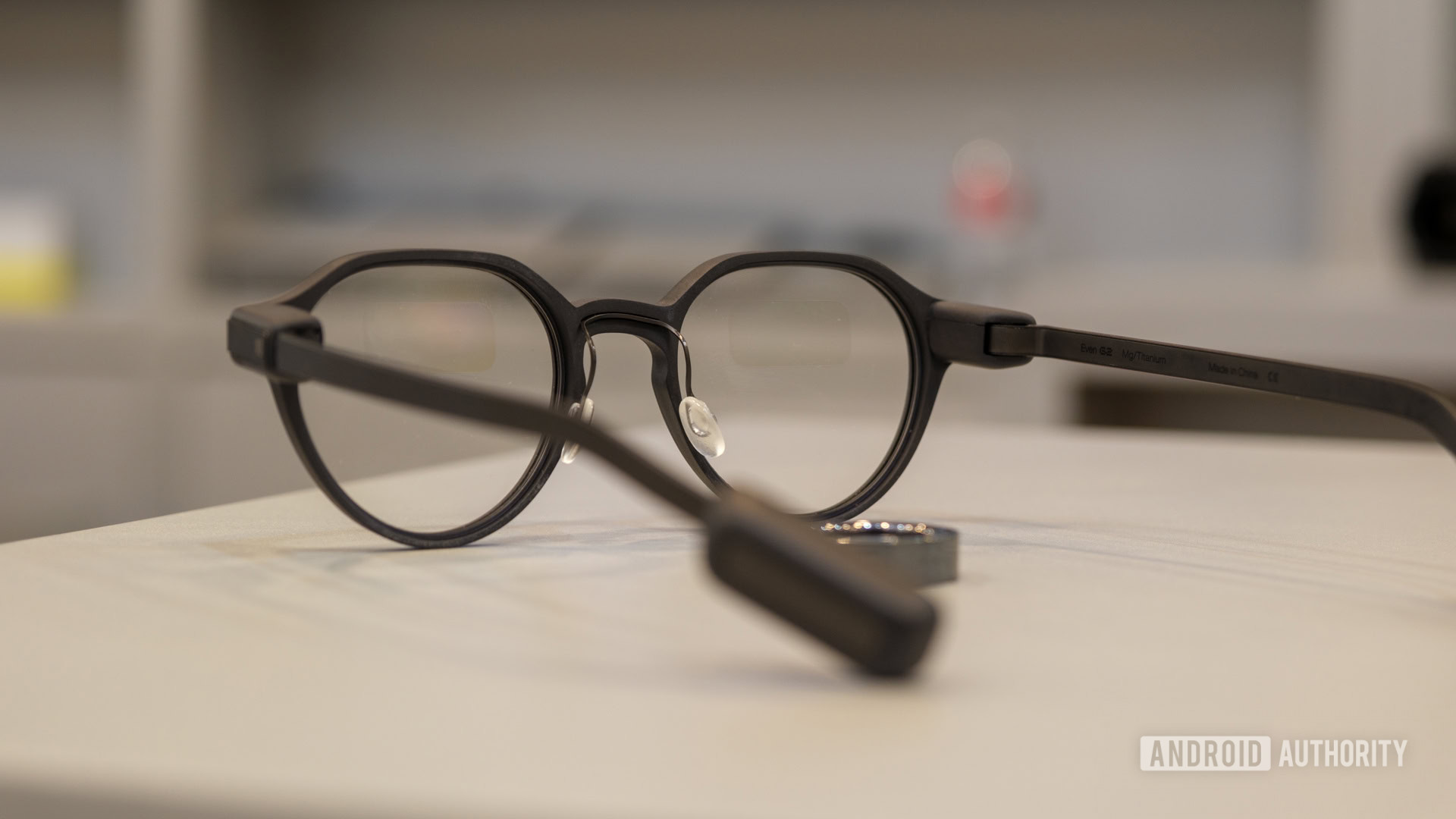
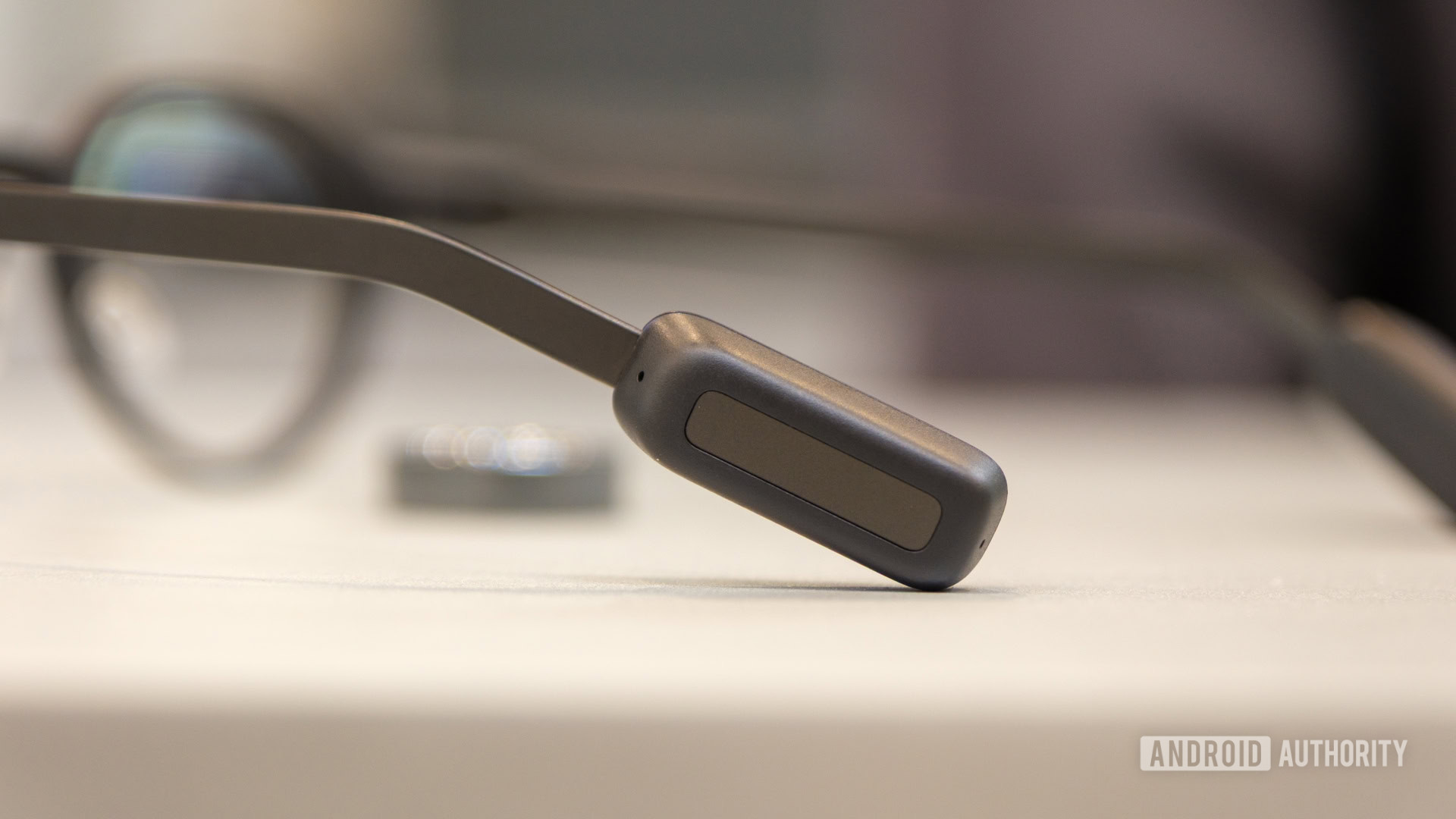
The engineering compromises, if they can be called that, are cleverly relegated to the arms of the glasses. The tactile controls—a crucial interface element—are situated toward the rear of the arms. While this adds a slight, necessary thickness, it is easily concealed, even for individuals with medium to long hairstyles. This deliberate placement ensures that the front of the frame remains thin and unassuming, addressing the critical mass-market adoption barrier: social acceptability.
My initial experience involved placing the G2 frames on my face. The immediate sensation was one of normalcy, so much so that I instinctively positioned them too close to my eyes, initially obscuring the projected green text fields. A minor adjustment—sliding the frames slightly down the bridge of the nose—resolved the visual alignment issue. The adjustability, aided by finely tuned nose pads, allowed for a customized fit that moved beyond generic sizing, contributing significantly to long-wear comfort. For those who require vision correction, Even Realities offers prescription lens integration as a clear commercial pathway, further blurring the line between essential vision aid and intelligent wearable. Furthermore, an optional clip-on sunglass attachment provides utility in bright environments, with the side benefit of potentially increasing the perceived contrast of the internal display against bright, complex backdrops.
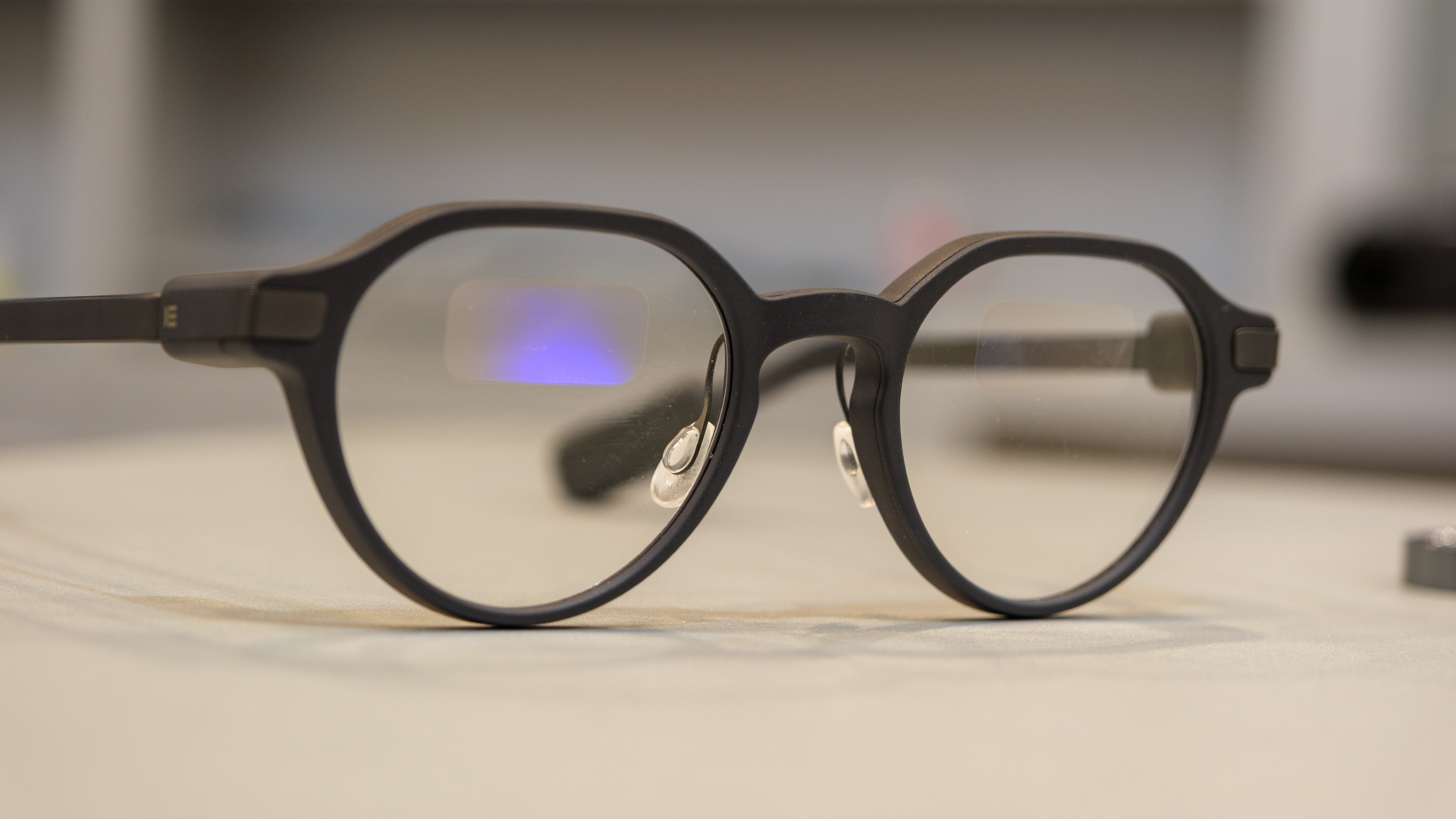
The model I sampled featured a round lens shape, evoking a familiar, almost nostalgic silhouette reminiscent of classic cinematic eyewear. However, the availability of a squarer, more traditional acetate frame option caters to diverse facial structures and style preferences, acknowledging that even at this advanced stage, personal style remains paramount.
The only minor discomfort encountered during the initial fitting was related to the unfamiliar sensation of wearing frames continuously, particularly for a user accustomed to unassisted vision. This resulted in momentary feelings of tightness or slight breathing restriction as I adjusted to the feel, a temporary hurdle common to any new piece of head-worn technology, rather than an inherent flaw in the G2’s design itself. This minor adjustment period underscores the G2’s success: the hardware is unobtrusive enough that the user’s focus shifts immediately to the digital interface rather than the physical weight or bulk.
Contextual Intelligence: AI Features That Matter
The transition from hardware elegance to software capability is where many smart glasses falter, overwhelming the user with extraneous data or providing features better handled by a smartphone. The suite of AI-enhanced capabilities demonstrated on the Even G2, however, appears to be thoughtfully curated for real-world, context-aware utility, moving beyond simple notification mirroring.
Interaction is managed primarily through the touch-sensitive strip on the arm. A double-tap serves as an activation or wake command; swiping dictates navigation within the limited on-screen real estate; and a sustained press summons the main function menu. This interaction model mirrors established norms from audio wearables, minimizing the cognitive load required for adoption.
The core feature set—Conversate, Translate, Teleprompt, and Navigate—targets specific, high-value pain points. While all features warrant deeper testing, the Conversate function stood out immediately as potentially transformative for professional and social interactions. This feature acts as an intelligent, real-time conversational aid. It transcribes both sides of a dialogue, creates running notes, and, most impressively, synthesizes an AI-generated summary post-conversation, which is archived in the companion Even Realities application.
During a demonstration concerning executives present at a recent keynote event, the G2 successfully identified and contextualized the roles and affiliations of individuals being discussed in real-time. This demonstrates a sophisticated level of contextual awareness, leveraging cloud processing or advanced on-device models to pull relevant data points seamlessly into the visual field. This capability drastically reduces the need for frantic phone consultation during networking events or complex meetings, enabling a higher degree of presence and engagement.
The Navigate function promises to bring traditional GPS mapping into the realm of heads-up, glanceable information. Instead of looking down at a phone screen for turn-by-turn directions, the G2 provides subtle visual cues in the periphery of the user’s vision. While the optimal application—whether for intricate urban walking or less demanding vehicular navigation—remains to be fully explored, the promise is one of enhanced spatial awareness without distraction.
The Translate feature offers direct, real-time subtitling for spoken foreign languages. When CEO Wang demonstrated this by speaking in Mandarin, the resulting translation appeared clearly rendered in the display. While the G2 does not facilitate immediate, fluent verbal response (a significant leap requiring further development), it drastically simplifies comprehension during cross-linguistic exchanges, offering a far more natural engagement flow than repeatedly pausing a conversation to interact with a handheld device. The ease of activating these complex AI tools via simple gestures reinforces the philosophy that the technology should recede into the background, facilitating interaction rather than becoming the focus of it.
Industry Implications and the Path to Mainstream Acceptance
The Even G2’s success in achieving a near-normal aesthetic carries profound implications for the wider consumer electronics industry. For years, analysts have pointed to the "glasses problem": until a device can be worn for extended periods without social penalty, adoption will remain niche, confined to early adopters, enterprise use cases, or dedicated gaming/VR enthusiasts. By prioritizing form factor and achieving a level of visual integration that rivals high-end prescription frames, Even Realities is attacking the critical adoption bottleneck head-on.
This approach signals a maturing of the underlying display technology. The industry is moving away from bulky waveguide optics or bulky projection systems toward highly efficient, micro-LED or similar near-eye displays that can be miniaturized sufficiently to fit within the temples of standard eyewear. If the G2 can maintain competitive battery life and processing power within this slim profile, it sets a new benchmark against which future consumer AR devices will inevitably be measured.
Furthermore, the strategic decision to focus on practical, context-aware AI services—summarization, real-time data recall, and navigation—positions the G2 not as a general computing platform, but as an information augmentation tool. This targeted utility contrasts sharply with the often unfocused mandates of early AR platforms that tried to be everything to everyone. The integration with the Even R1 smart ring, which is designed to replace the arm-based touchpad interface for even more seamless control, points toward a holistic, multi-device wearable ecosystem where input methods are contextually chosen. This modularity—glasses for display, ring for precise input—is a sophisticated strategy for managing the power and interaction demands of head-mounted computing.
Extended Field Testing and Evolving User Proficiency
Following the initial demonstration, the opportunity to wear the G2 frames throughout the remaining days of CES provided invaluable longitudinal data. Over several hours of continuous wear while navigating the high-density environment of the Las Vegas Convention Center and the city streets, the initial awkwardness faded rapidly.
The tactile controls became intuitive, and the ability to execute a "look-up" gesture to check a discreet notification—a subtle shift in gaze that triggers an information display—proved remarkably effective for maintaining situational awareness while walking through crowded areas. The positive public reception was another indicator of success; numerous compliments were received, often from individuals who were unaware they were interacting with a piece of advanced technology until informed. This social validation is perhaps the most compelling metric for consumer readiness.
The reliance on the glasses began to shift my interaction habits. The desire to reach for my smartphone for quick information checks diminished noticeably, replaced by the swift, subtle query to the G2. This suggests a potential long-term impact on mobile phone dependency, transforming the smartphone from the primary interface into a background processing unit.
Future Trajectories and Final Assessments
As the event concluded, the Even G2 frames were returned to their carrying case—which, conveniently, functions as a wireless charging station—highlighting another crucial consideration: power management. The ability to wirelessly top up the device passively while it rests is essential for ensuring all-day usability, a requirement that must be met consistently for the G2 to transition from showpiece to essential accessory.
The roadmap points toward deeper integration, particularly with peripherals like the R1 ring. Mastering this dual-device input system promises to unlock the full potential of the G2 interface, offering gesture-based control that is less obtrusive than tapping the side of the head.
In summary, the Even G2 represents a critical juncture in the evolution of smart eyewear. It successfully navigates the notorious trade-off between technological capability and real-world wearability. By adopting the visual language of conventional eyewear and pairing it with highly contextual, AI-driven software features, Even Realities has delivered a device that feels less like an experiment and more like the inevitable next step in personal computing. For someone previously skeptical of the category, the G2 has established a new, highly optimistic baseline for what discreet, useful intelligence worn on the face can achieve. The industry is watching closely to see if this design philosophy can be scaled while maintaining this delicate balance of form and function.