

The perennial cycle of tech hype has spun up another intriguing, if familiar, narrative: a leading technology titan is reportedly exploring the development of a bespoke mobile handset tethered to their space infrastructure. When Elon Musk hints at a SpaceX-branded smartphone leveraging the Starlink network, the immediate reaction for seasoned industry observers should not be excitement, but calculated reservation. History is littered with ambitious hardware projects spearheaded by charismatic billionaires—ranging from the ethically dubious to the merely vaporware—that promised revolution but delivered disappointment. The trajectory of these ventures suggests that even revolutionary connectivity might not translate into a successful, mainstream consumer device.
This latest conceptual device, allegedly designed to integrate Starlink’s satellite capabilities directly into a mobile phone, appears to be a direct response to ongoing industry efforts, notably the partnership between T-Mobile and Starlink for emergency satellite messaging. While the technical potential of ubiquitous, low-latency satellite coverage is undeniable, transforming this infrastructure advantage into a compelling smartphone proposition requires navigating a treacherous landscape dominated by entrenched ecosystems.
The Legacy of Unfulfilled Tech Manifestos
To contextualize the current skepticism surrounding a potential SpaceX phone, one must examine the pattern of delayed or radically altered product roadmaps emanating from Musk’s various enterprises. Tesla, the most direct analogue for consumer hardware ambition, offers a substantial catalog of ambitious promises that have either materialized years late or remain indefinitely deferred. The highly anticipated next-generation Roadster, initially slated for a 2020 debut, remains an object of speculation rather than a vehicle on public roads. Similarly, the Cybertruck’s promised amphibious capabilities were quickly walked back, and the universally accessible Full Self-Driving (FSD) software remains a complex, supervised system despite years of aggressive marketing suggesting near-total autonomy.
This consistent pattern of overpromising and underdelivering on timelines creates a significant hurdle for any new hardware announcement, regardless of the underlying technology’s merit. While a Tesla phone has been a persistent rumor, often manifesting in speculative renders, this time, the product is being anchored to SpaceX and Starlink—a distinction that carries both benefits and risks. By attaching the device to the space exploration and global connectivity arm, Musk potentially distances the hardware from the often turbulent software and automotive narratives associated with Tesla. However, the underlying issue of execution remains the central concern.
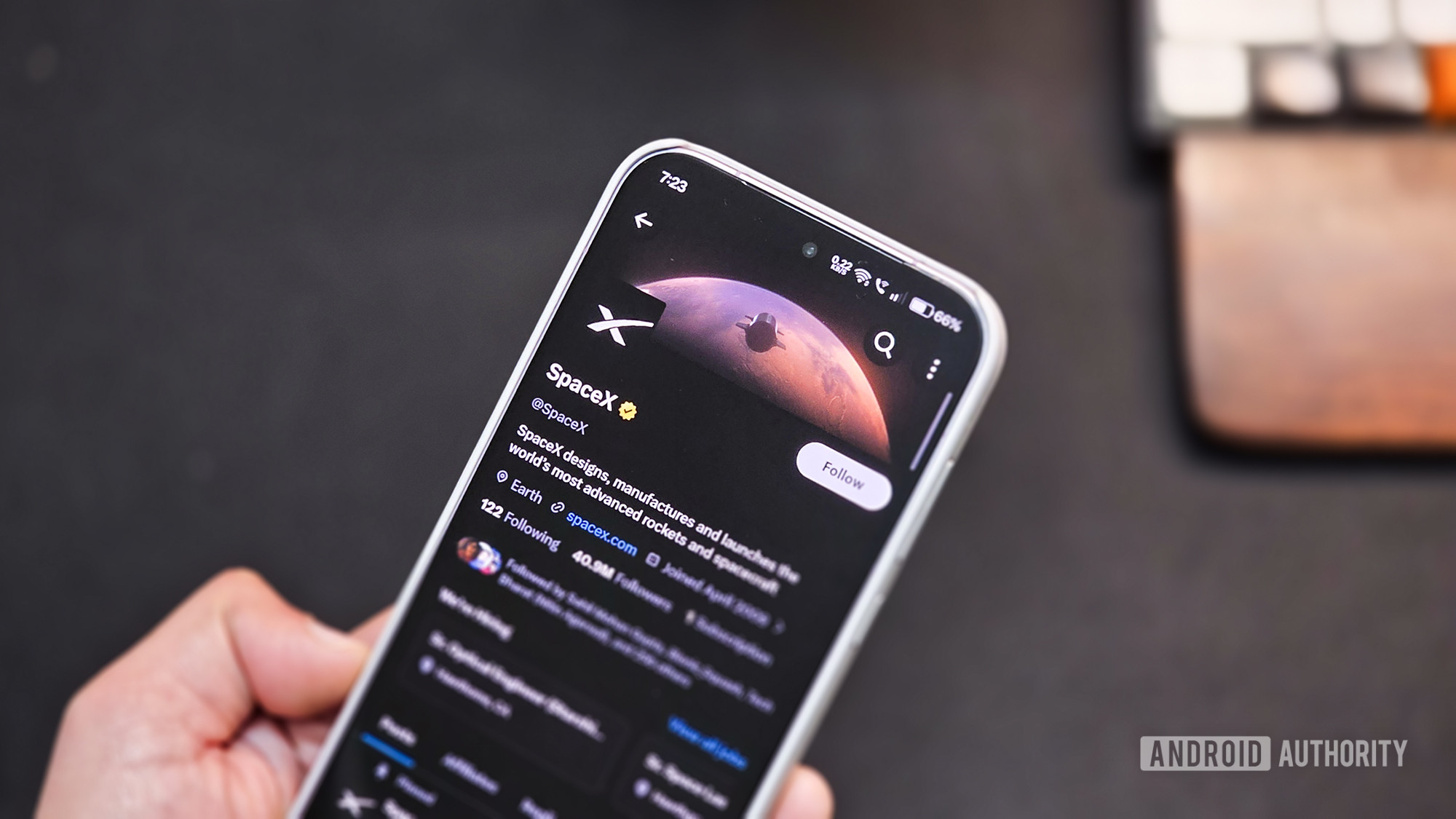
The strategic decision to brand this potential device under SpaceX, rather than Tesla, is arguably prudent. Starlink represents a tangible, rapidly expanding service addressing genuine connectivity gaps globally. For consumers in remote areas, the promise of reliable connectivity beyond terrestrial cell towers holds significant appeal, bridging the gap between traditional satellite communication (like Garmin’s InReach, designed primarily for SOS) and high-bandwidth cellular service. The allure here is extending the internet to the currently unconnected, a powerful, mission-driven narrative that resonates more broadly than a simple hardware upgrade.
Industry Implications: The Starlink Ecosystem Risk
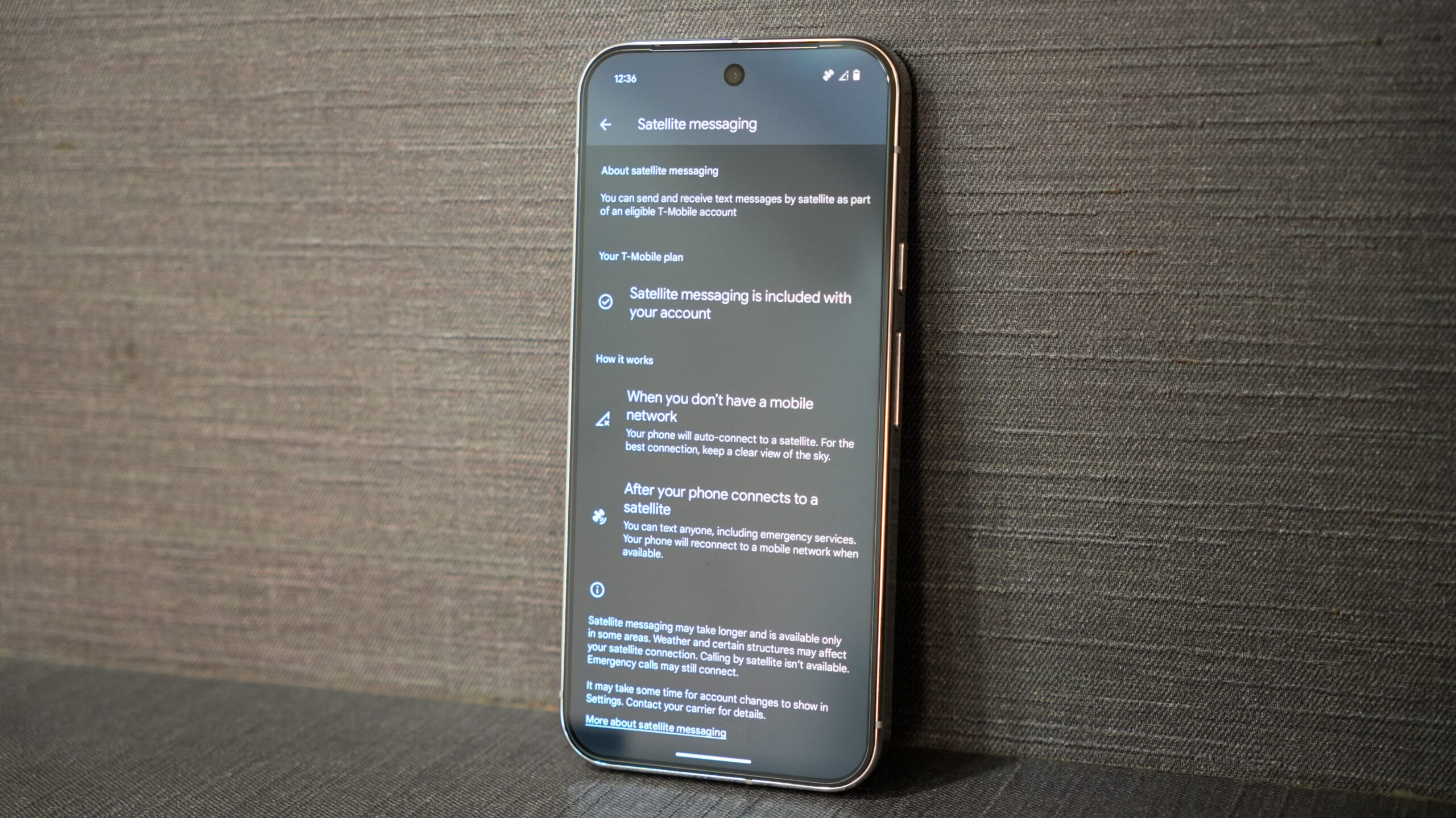
The critical analytical pivot point for this hypothetical device is its relationship with the broader telecommunications industry. Starlink is not merely a standalone entity; it is actively forging crucial partnerships with major cellular carriers worldwide, most prominently T-Mobile in the United States. This collaboration is foundational to the "Direct to Cell" service, which aims to provide baseline connectivity—initially text messaging—where traditional towers fail.
Should SpaceX release a dedicated, proprietary smartphone that offers exclusive or prioritized access to its satellite network, the implications for existing carrier partnerships could be severe. Carriers invest heavily in spectrum allocation and network infrastructure, and they rely on the goodwill and interoperability of their partners. If T-Mobile subscribers discover that their emergency satellite access is being routed through a system that might be intentionally or unintentionally disadvantaged to favor a direct SpaceX hardware offering, the trust underpinning these multi-billion dollar agreements could rapidly erode.
From a regulatory and competitive standpoint, this move would raise immediate red flags. Telecom regulators are keenly interested in ensuring equitable access to essential communication infrastructure. If a dedicated SpaceX phone were to create a tiered system—where SpaceX device owners receive superior, faster, or more features via satellite than carrier partners’ existing customers—it could be perceived as anti-competitive leveraging of orbital assets. Carriers might react by reassessing their long-term commitment to the Starlink constellation, potentially favoring competing low-earth orbit (LEO) providers or terrestrial upgrades instead. The success of Starlink’s broader mission hinges on its utility as an enabler for existing networks, not just a replacement for them. A proprietary smartphone risks turning Starlink into a walled garden, alienating the very partners necessary for mass adoption.
The Manufacturing Gauntlet and Feature Parity
The technological hurdles for entering the modern smartphone market are immense, extending far beyond simply integrating a satellite modem. The smartphone industry is characterized by ruthless optimization in processing power, thermal management, battery longevity, display technology, and, most critically, computational photography.
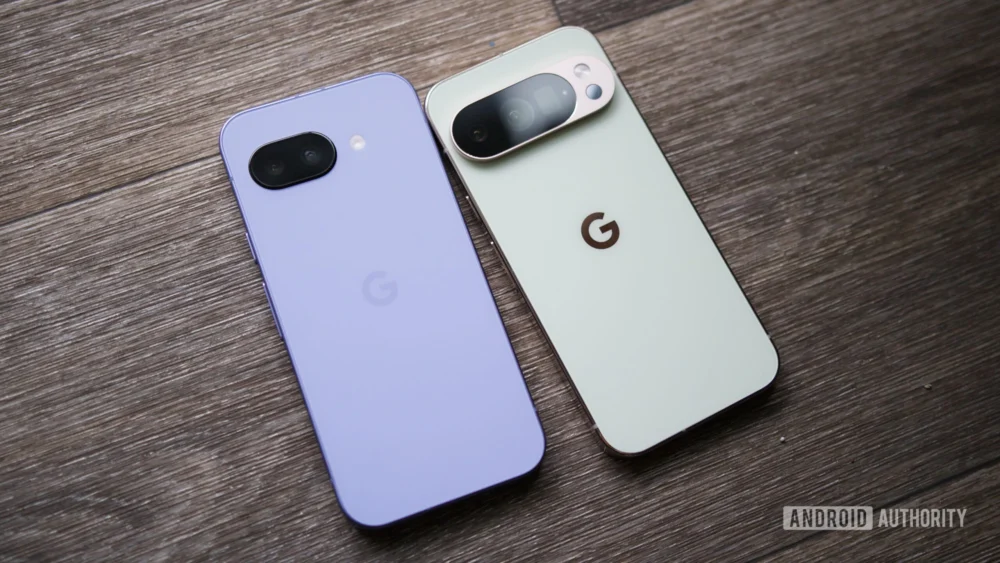
For a new entrant, achieving parity with established leaders like Apple (iOS) and Google (Pixel, leveraging Tensor’s AI optimization) is almost impossible without massive upfront investment and years of iterative refinement. Consumers, even those drawn in by the novelty of space tech, demand a high baseline performance. They are accustomed to the instantaneous responsiveness of flagship chipsets, the computational wizardry of modern camera systems (like Google’s Tensor-powered image processing), and the seamless integration of operating systems.
If the SpaceX phone merely functions as a standard Android device with a specialized satellite radio—a scenario likely, given the complexity of developing a bespoke OS from scratch—it must compete on every other metric. Why would a user abandon a Pixel device that already integrates advanced AI features (like Grok access, which can theoretically be deployed via apps on existing phones) for a device that offers marginal improvement in connectivity while likely lagging in camera performance or day-to-day software polish?
Past attempts by non-traditional tech players to enter this space—from Pantech to various "political" phones—have consistently failed because they could not reconcile the feature set of a premium handset with the niche appeal of their unique selling proposition. The Freedom Phone example, which relied on basic design swaps and software modifications, illustrates how easily a niche marketing angle can collapse when confronted with real-world usability expectations.
Musk’s challenge is to deliver a product that is not just interesting but superior. This necessitates identifying a feature niche beyond basic satellite texting. Perhaps this means true, low-latency global VOIP via satellite, or unprecedented security protocols tied to the xAI infrastructure. However, these require deep engineering specialization that SpaceX, while brilliant in rocketry, has not historically demonstrated in consumer electronics manufacturing and software integration.
Future Impact: The Long Shadow of Precedent
The ultimate concern is the potential for a high-profile failure to taint the perception of the Starlink service itself. When a hardware venture associated with a major technology ecosystem underperforms or dissolves, the associated infrastructure often suffers reputational damage by association. If the SpaceX phone launches with significant flaws—perhaps overheating issues related to the complex modem integration, or poor battery life necessitated by continuous satellite link maintenance—the narrative shifts from "revolutionary satellite connectivity" to "unreliable billionaire gadget."
This narrative decay could have tangible downstream effects on enterprise adoption and further carrier negotiations for Starlink. Other major carriers, observing the fallout from a failed, proprietary device, might become more risk-averse when considering expanding their own reliance on Starlink for crucial services.
The industry trend is moving toward interoperability, not fragmentation. Companies like Apple are embedding satellite capabilities directly into standard iPhones, aiming for a seamless user experience managed through established cellular frameworks. This suggests the future of ubiquitous connectivity lies in making the satellite link invisible and universal, integrated at the chipset or modem level across all devices, rather than creating a special class of hardware to access it.
For the SpaceX phone to succeed, it would need to redefine what a smartphone is capable of, offering an experience that is fundamentally unattainable on current flagship devices. If it merely serves as a slightly clunkier gateway to the existing T-Mobile/Starlink partnership, it will remain a curiosity—a testament to ambition, perhaps, but not a sustainable commercial product. Until concrete, differentiated hardware specifications emerge that justify abandoning the mature ecosystems of Google and Apple, the logical stance for consumers remains one of detached observation, reserving any enthusiasm for the day a functional, market-ready device actually ships and proves its worth beyond the orbit of mere speculation. The path from concept to mass-market success in mobile hardware is littered with casualties; the SpaceX phone, for now, is merely the latest hopeful ghost haunting that terrain.