

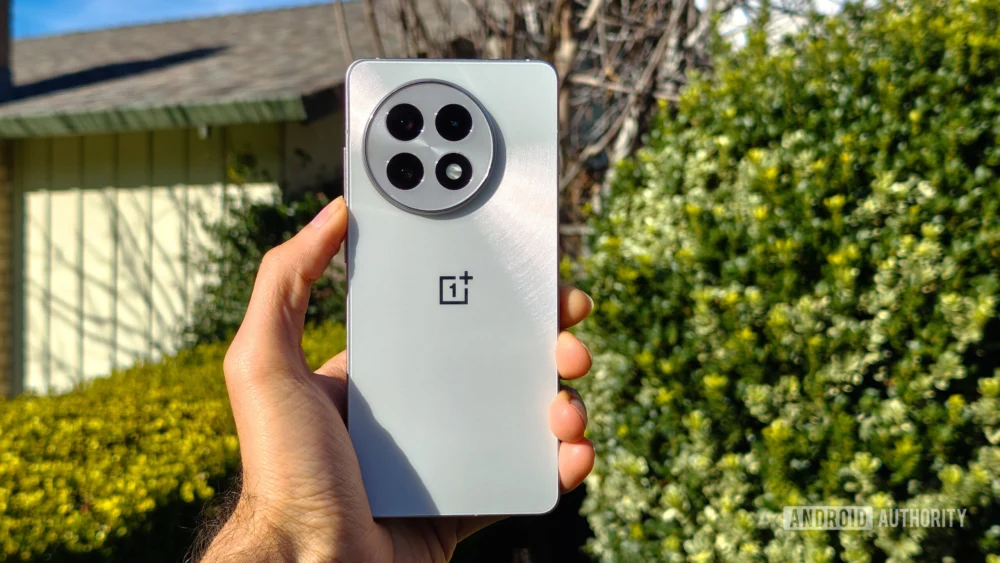
The global smartphone market has always been a crucible of fierce competition, a high-stakes arena where innovation dictates survival and missteps can lead to rapid obsolescence. History is littered with the fallen giants—brands that once commanded significant mindshare but eventually ceded their space, such as the former dominance of LG Mobile or the complex trajectory of HTC. In this volatile environment, any significant organizational shift within an established player immediately triggers market speculation. Recently, whispers have intensified around OnePlus, a brand that carved out a unique identity before its deep integration with its parent company, OPPO, leading to unconfirmed reports suggesting a radical internal overhaul, perhaps even a dismantling of the brand structure as currently known.
To fully appreciate the gravity of these circulating claims, one must first contextualize OnePlus’s journey. Emerging initially as a disruptor focused on "flagship killers" and an exclusive invite system, OnePlus cultivated a dedicated, almost cult-like following. Its early success was built on delivering high-end specifications at aggressive price points, coupled with a commitment to software fluidity through OxygenOS. This trajectory, however, inevitably led to closer collaboration with its corporate sibling, OPPO, both of which fall under the expansive umbrella of the Chinese electronics conglomerate, BBK Electronics. This integration, while seemingly pragmatic from a supply chain and R&D perspective, has always been viewed with caution by its loyal user base, who feared the dilution of the original "flagship killer" ethos.
This year has already seen significant corporate maneuvering within the BBK structure. The recent announcement confirming the reintegration of Realme as a direct sub-brand under OPPO signals a clear strategy by the parent company to rationalize its multiple mobile entities, streamlining market focus and resource allocation. It is against this backdrop of consolidation that the more alarming reports concerning OnePlus have surfaced, suggesting that OPPO may be looking to conduct further, more drastic structural revisions, potentially leading to the shuttering of the OnePlus mobile division in its current configuration.
It must be stressed emphatically that, at this juncture, these claims remain unsubstantiated rumors originating from specialized industry reporting outlets. OnePlus itself has maintained a posture of operational continuity, showing no public indication of impending change beyond standard business operations. Industry publications, including this one, have sought immediate comment from company representatives regarding these allegations, but definitive confirmation or denial has yet to be secured. The current business rhythm suggests ongoing development, with hardware roadmaps seemingly intact, yet the persistence of these reports demands a deeper analytical dive into the underlying market pressures that could fuel such drastic strategic shifts.
The central argument underpinning the speculation revolves around sustained market performance, particularly in key territories. Reports suggest that OnePlus has encountered persistent headwinds in capturing significant market share, especially in saturated yet crucial regions like India and its home market of China. Despite the substantial capital injection—reportedly in the billions of dollars—from OPPO aimed at revitalizing the brand’s trajectory, these efforts appear to have fallen short of desired benchmarks. In the cutthroat environment of modern smartphone manufacturing, where margins are razor-thin and brand loyalty is ephemeral, disappointing sales figures often serve as the primary catalyst for executive strategic re-evaluation.
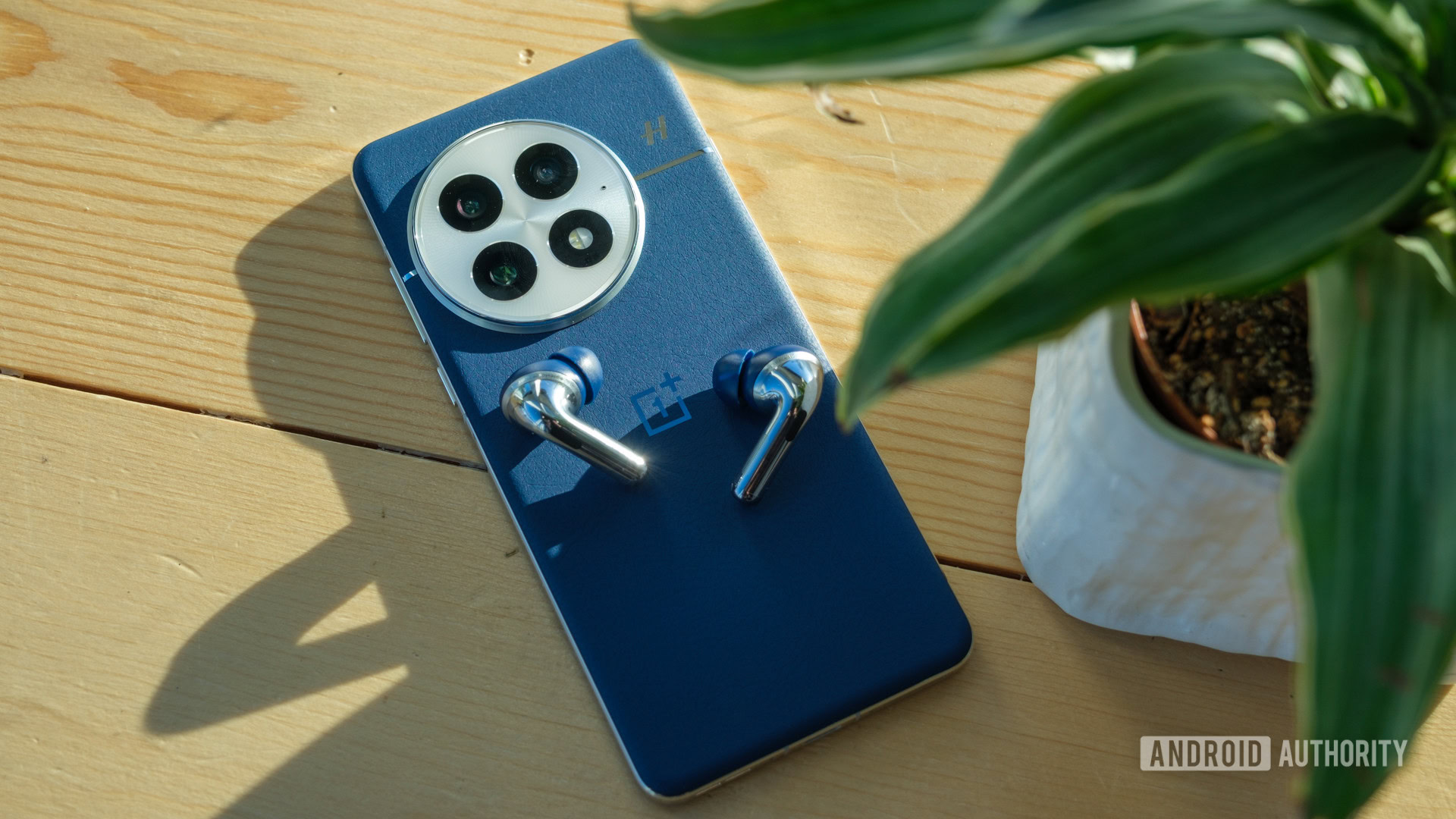
Further supporting the narrative of potential divestment or significant downsizing are recent, though still unconfirmed, product development adjustments. Rumors circulating within the leak ecosystem point toward the cancellation of highly anticipated next-generation devices, specifically mentioning the supposed scrubbing of the OnePlus 15S and, notably, the successor to their innovative foldable, the OnePlus Open 2. The cancellation of a flagship foldable—a segment where OnePlus had recently shown ambition and technical prowess—is a potent signal. For a brand whose prestige relies heavily on its top-tier offerings, abandoning such a high-profile project suggests either severe internal bottlenecks, a strategic pivot away from capital-intensive hardware development, or, most critically, a fundamental lack of confidence from the parent company regarding the long-term viability of the brand’s mobile output.
If the worst-case scenario detailed in these reports were to materialize—the cessation of new handset development—the practical implications for existing users would likely mirror historical precedents. Brands undergoing similar transitions, such as the aforementioned LG, typically commit to honoring pre-existing software support obligations. This would mean that current OnePlus owners would continue to receive scheduled security patches and potential major OS upgrades for the remainder of their promised support window. However, the pipeline of truly novel hardware—the eagerly awaited next-generation flagships and mid-range entries—would dry up, effectively placing the brand into maintenance mode rather than active competition.
The context of BBK’s broader strategy cannot be overstated here. BBK operates a multi-brand ecosystem designed to target distinct market segments: OPPO often focuses on design and premium mid-range, Vivo on imaging, Realme on value-oriented youth segments, and historically, OnePlus on performance enthusiasts. The current trend suggests a move towards sharper differentiation and less internal cannibalization. By reabsorbing Realme into OPPO, the conglomerate is simplifying its mid-to-high tier offerings. Should OnePlus be similarly folded or severely curtailed, the engineering talent, intellectual property, and software expertise could be strategically reallocated to reinforce OPPO’s primary flagship lines or Vivo’s innovations. This scenario paints a picture not of total annihilation, but of absorption—a strategic dismantling where the OnePlus brand dissolves into the corporate structure, preserving assets while eliminating a distinct, struggling market identity.
The digital footprint preceding these rumors adds a layer of circumstantial weight. Leading industry analysts and reliable leakers have recently dropped veiled warnings regarding internal turmoil within a "popular brand." Specific references have been made to anticipated structural changes at OnePlus shortly after the Realme/OPPO realignment was confirmed. Even teases of forthcoming high-specification devices, such as a rumored 200MP sensor integration for a future flagship, have been juxtaposed with ominous caveats, suggesting that the path forward for these rumored products is uncertain. While these social media pronouncements are not definitive proof, they indicate a growing sense of unease among those close to the operational pipelines.
From an industry perspective, the potential dissolution of OnePlus would represent a significant reshaping of the Android landscape. While the brand may have strayed from its aggressive pricing roots, it still occupies a crucial niche: the enthusiast segment that values clean software experiences and raw performance benchmarks. Its exit would create a vacuum that Samsung, Google, and Xiaomi would immediately seek to fill. For consumers, this means fewer genuine alternatives in the premium tier, potentially leading to price stabilization or even increases as competitive pressure lessens. Furthermore, it underscores a broader industry trend where true brand independence is increasingly rare, with major conglomerates consolidating power and focusing resources on fewer, more robust pillars. The era of the nimble, independent challenger brand appears to be waning under the immense pressure of R&D costs, geopolitical supply chain complexities, and the necessity of massive marketing spend.
The challenge for OnePlus, even before these rumors, was existential. How does a brand maintain its "flagship killer" identity when the "flagship" itself becomes increasingly commoditized and its own parent company sells similar hardware? The strategy shifted towards integrating OPPO’s robust camera technology and supply chain efficiencies, but this often came at the perceived cost of the distinct, "fast and smooth" user experience that defined its early years. The integration resulted in a product portfolio that, while technically competent, sometimes lacked the cohesive, sharp identity required to stand out against market leaders like Samsung’s S-series or Google’s Pixel line, especially in the critical areas of computational photography and software refinement.
Analyzing the foldable segment further highlights the strategic dilemma. Developing competitive foldable technology requires immense, sustained investment in hinge mechanisms, display durability, and software optimization for multi-screen experiences. If the return on this investment is not immediate or significant—as suggested by the alleged cancellation of the Open 2—a cost-conscious parent company like OPPO might rationally decide to centralize foldable development entirely within the OPPO brand, viewing OnePlus as an unnecessary, high-risk parallel effort.
The implication for the global market is a continued push toward fewer, more powerful mobile ecosystems. Brands that cannot secure a clear, profitable market segment—either through aggressive cost leadership (like certain budget manufacturers) or through undeniable technological differentiation (like Apple or Samsung’s established ecosystem lock-in)—are becoming increasingly vulnerable. OnePlus always occupied a middle ground, relying on goodwill and reputation built during a different era of the industry.
However, it is crucial to retain a degree of journalistic skepticism. Corporate restructuring is often shrouded in secrecy, and rumors, even those with plausible context, are prone to exaggeration or misinterpretation. The company’s enormous, dedicated global fanbase remains a valuable asset. Even if the brand were to cease manufacturing new devices, the strength of the existing community—the dedicated developers, the power users, and the loyal purchasers—represents residual equity that a parent company might choose to leverage differently, perhaps through software services or specialized accessory lines, rather than abandoning entirely.
In conclusion, the current confluence of aggressive industry consolidation, the recent realignment of sister brands under OPPO, and persistent industry murmurs regarding internal distress and canceled high-profile projects paint a concerning picture for the future of OnePlus as an independent mobile hardware manufacturer. While the company continues to operate under the assumption of normalcy and has yet to issue a statement confirming any "dismantling," the structural pressures within the BBK empire suggest that radical changes are being architected. For now, the industry waits, keenly observing whether OnePlus can navigate this period of intense corporate rationalization or if it is indeed poised to join the ranks of smartphone brands that once were, leaving behind a legacy defined by its initial rebellious spirit. The coming months will undoubtedly reveal whether the next OnePlus device launch will be a celebration of innovation or a swan song.