

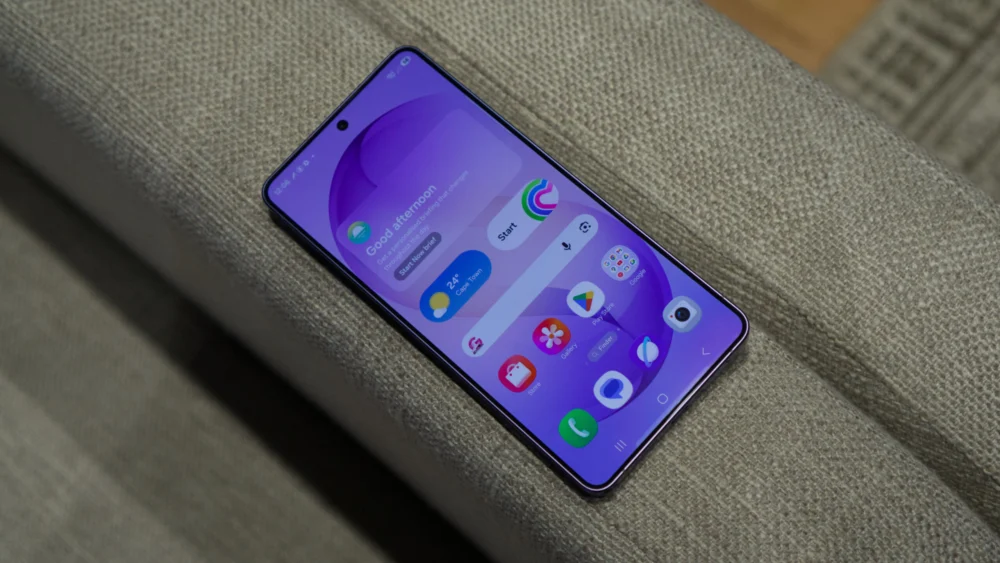
The annual Mobile World Congress (MWC) traditionally serves as the global stage for mobile innovation, but in early 2026, Samsung has once again preemptively captured the narrative with the unveiling of the Galaxy S26 series. While iterative updates are common in the flagship cycle, the S26 Ultra arrives laden with genuinely novel features, most notably a hardware-enforced privacy display, alongside expected leaps in computational photography and overall system performance. This release positions the S26 Ultra not just as an incremental upgrade, but as a statement on the direction of premium Android hardware moving forward.
However, the competitive landscape remains fiercely contested. The OnePlus 15, already established in the market prior to the S26 Ultra’s debut, presents a compelling counter-argument. It undercuts Samsung’s top-tier offering significantly on price, while its core hardware specifications remain remarkably competitive. This divergence in philosophy—Samsung pushing boundaries with expensive, nuanced features versus OnePlus offering near-flagship performance at a compelling value—creates a genuine dilemma for discerning consumers. In previous years, the decision was often straightforward; in 2026, the choice between the S26 Ultra and the OnePlus 15 demands careful consideration of priorities.
This analysis is predicated on a synthesis of hands-on experience with the OnePlus 15 and exhaustive technical briefings and team testing data concerning the S26 Ultra. Leveraging deep expertise in the Android ecosystem and a commitment to dissecting marketing claims, we examine the critical differentiators that tip the scales in favor of the Galaxy S26 Ultra, even when accounting for its substantial $400 premium over its rival.
1. Ergonomic Evolution: The Triumph of Slimness and Contoured Handling
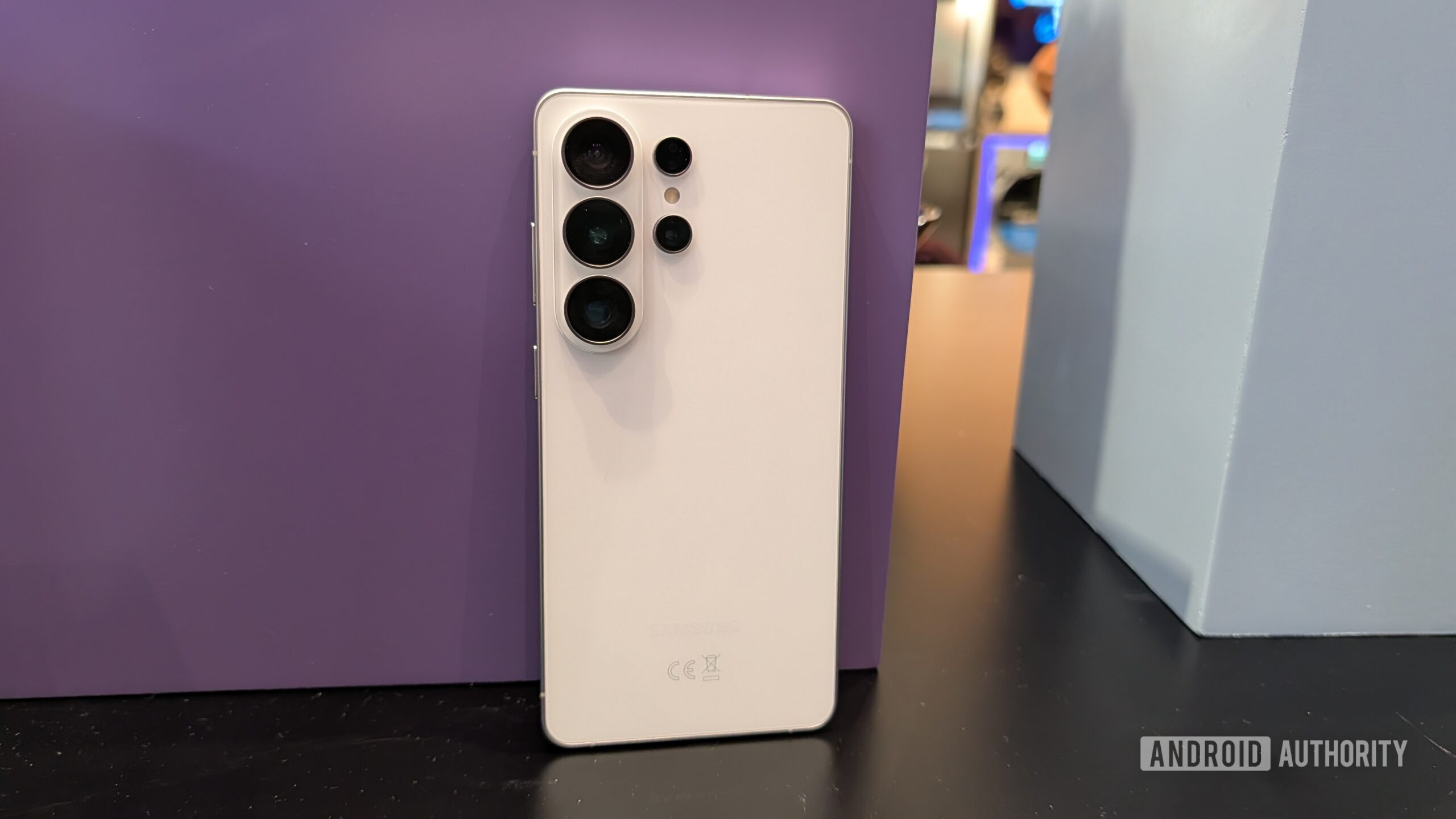
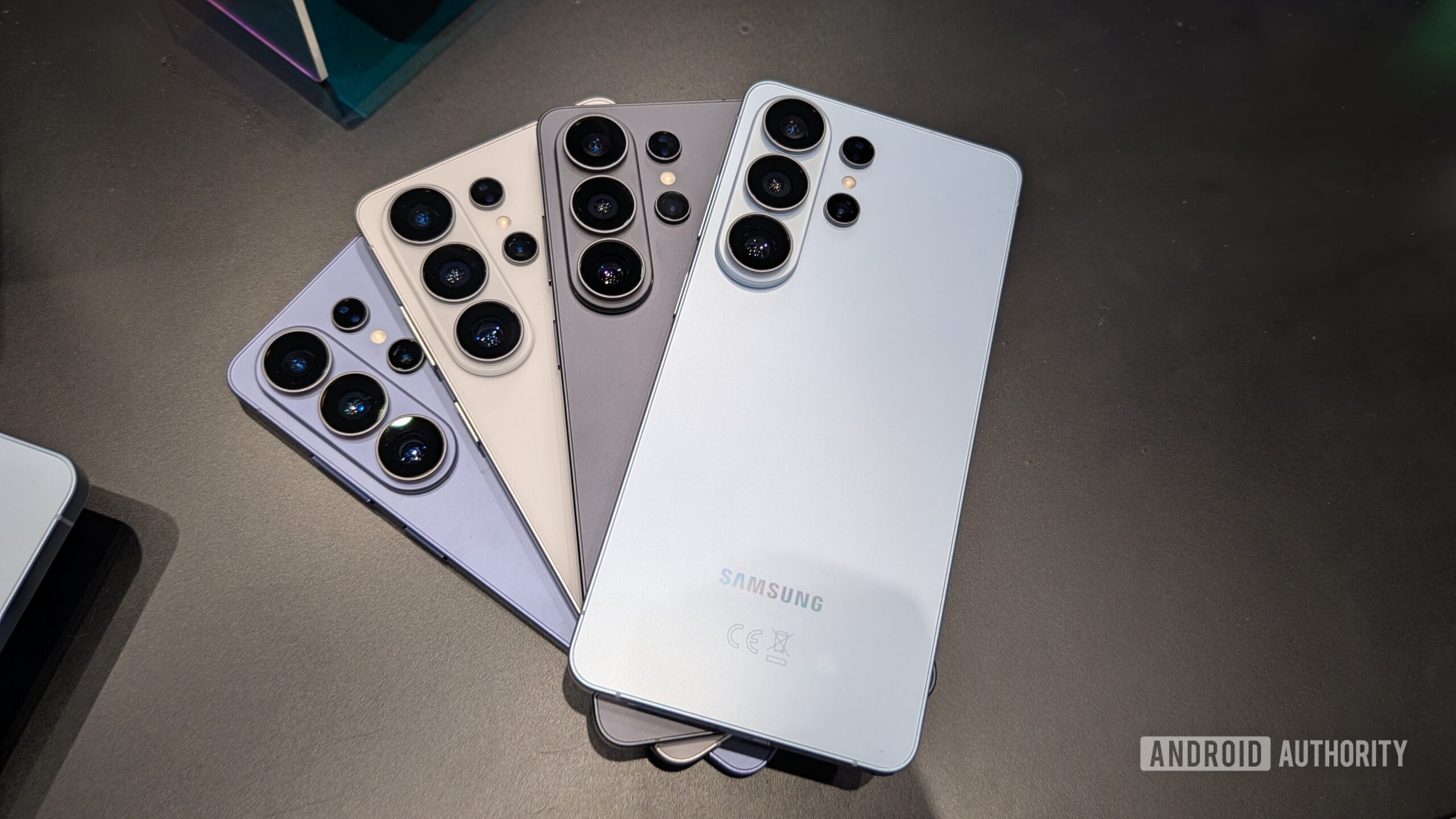
For years, the physical design language of Samsung’s Ultra line, while undeniably powerful, often bordered on utilitarian, characterized by sharp edges and a dense, industrial feel that challenged prolonged single-handed use. The S25 Ultra, for instance, was frequently criticized for its lack of ergonomic grace. The S26 Ultra signals a deliberate pivot toward refinement. While it retains the familiar, commanding silhouette necessary for its internal components, Samsung has successfully softened the device’s profile. The most significant change involves the top and bottom corners, which now feature more pronounced rounding, transitioning smoothly into the relatively straight side rails. This subtle contouring transforms the in-hand feel from a rigid block to a more sculpted, manageable tool.
More critically, Samsung has aggressively addressed the physical bulk that plagues many large-format flagships. By reportedly transitioning the frame materials back to advanced aluminum alloys—a move perhaps dictated by material cost balancing against other high-end component integration—the S26 Ultra sheds considerable mass. Measuring a mere 7.9mm thick, it claims the title of the slimmest Ultra to date, tipping the scales at a surprisingly light 214g. This weight reduction is not marginal; it fundamentally alters the perception of the device’s 6.9-inch presence, making it significantly more pocketable and less fatiguing during extended sessions.
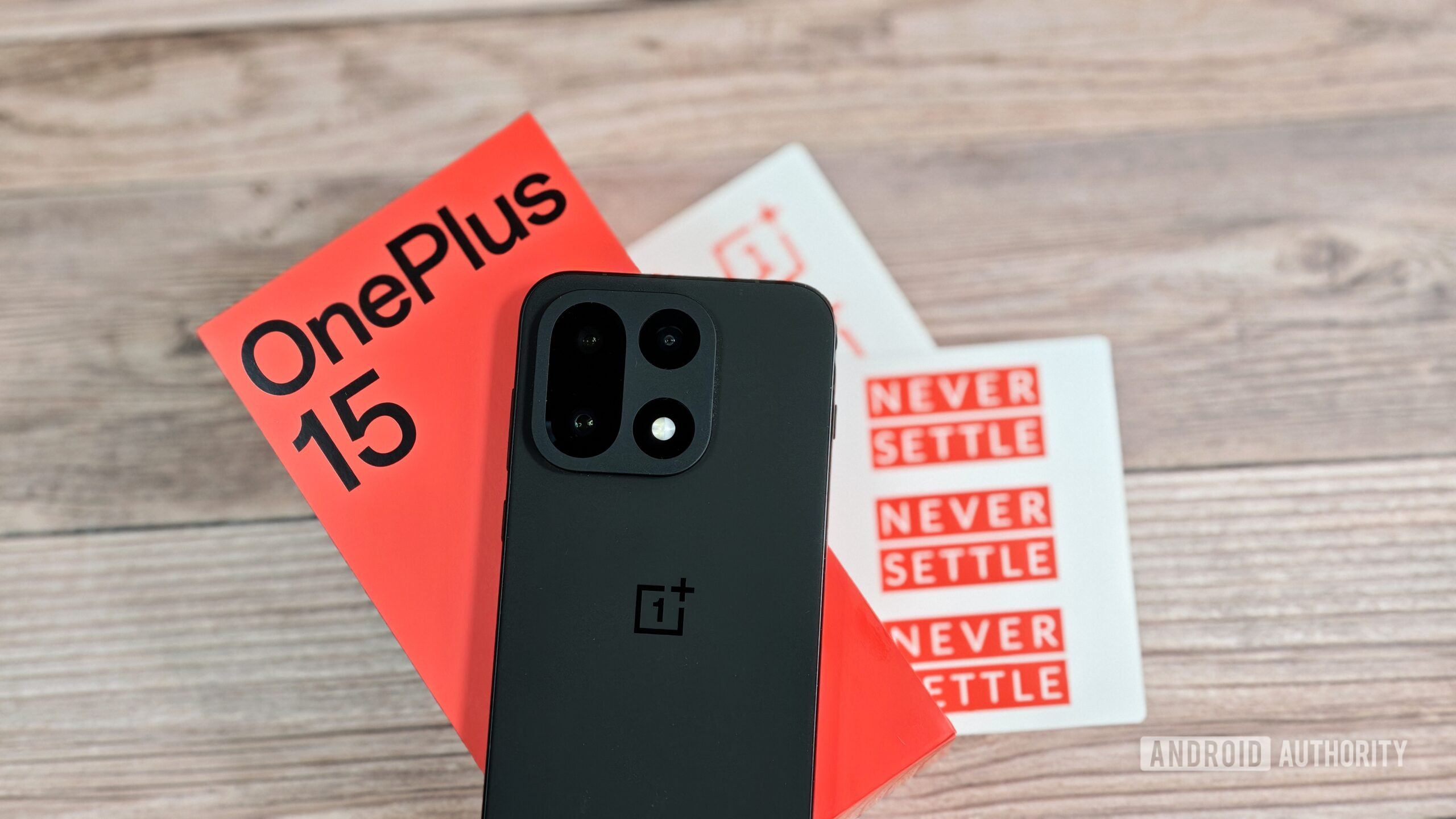
Conversely, the OnePlus 15 adopted a more polarizing, angular aesthetic. Its flat-edged design, a departure from the more comfortable curves of earlier generations, contributes to a perception of density. At 8.1mm thick, the OnePlus 15 feels substantially bulkier in the palm, especially where the display glass meets the frame at a near-90-degree angle. While both are undeniably "serious slabs" of technology, the S26 Ultra’s commitment to slimming down and smoothing out the chassis offers a tangible, daily ergonomic advantage that outweighs material preference for most users.
2. Display Innovation: The Value Proposition of Privacy and Color Fidelity
The displays of these two titans showcase fundamentally divergent priorities in the 2026 mobile market. Samsung is emphasizing nuanced visual quality and user security, whereas OnePlus is targeting the high-refresh-rate niche.
The Galaxy S26 Ultra debuts a proprietary 6.9-inch “mDNIe” 10-bit panel. Samsung’s claims of a fourfold increase in color volume over its predecessor suggest a move toward professional-grade color accuracy and vibrancy, pushing the boundaries of what OLED technology can render on a mobile device. Maintaining the flagship standard of QHD+ resolution and a highly optimized 120Hz adaptive refresh rate, the visual experience is expected to be best-in-class for general media consumption and professional workflows.
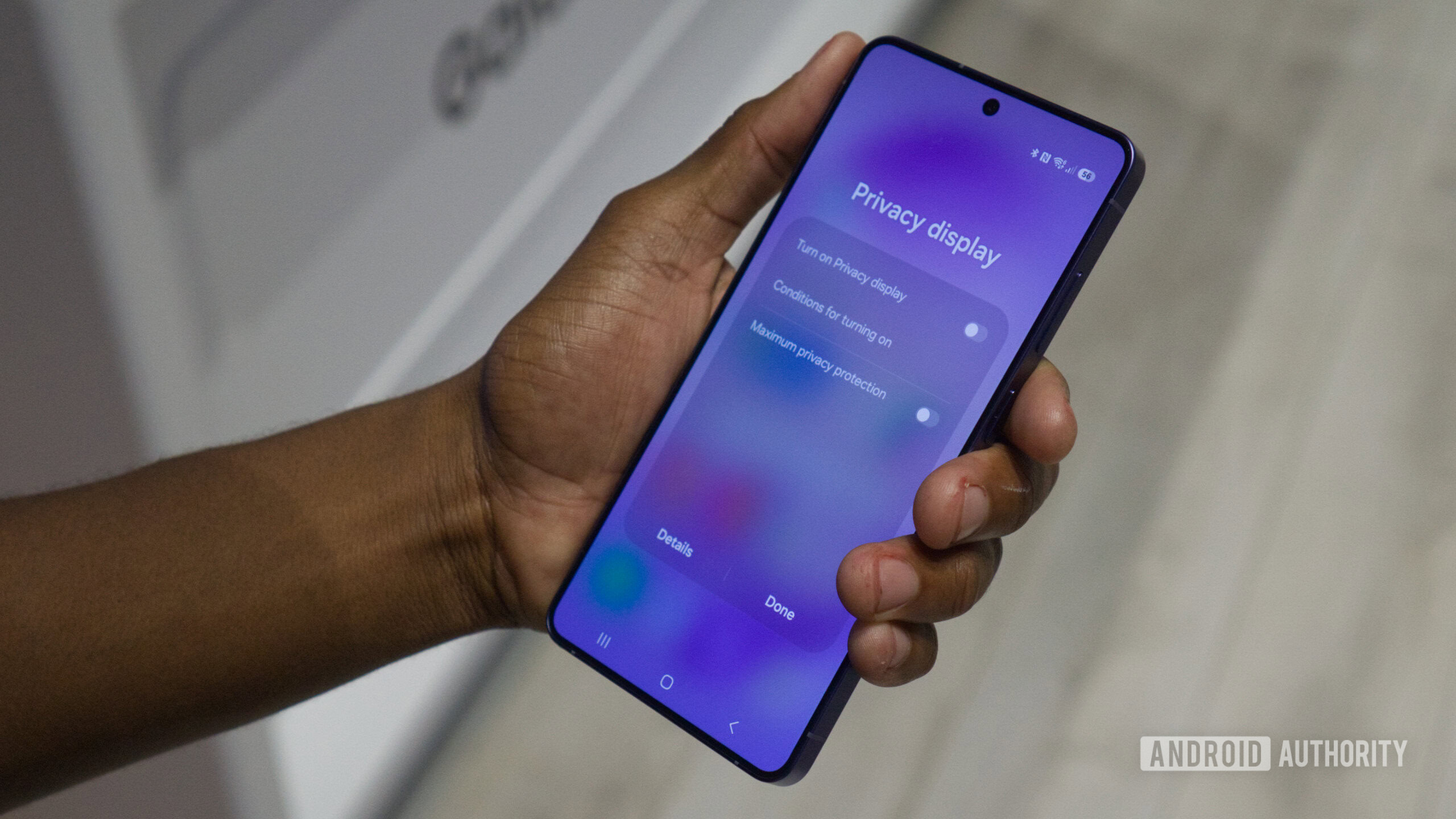
The standout feature, however, is the integrated, hardware-based Privacy Display. This technology dynamically adjusts the screen’s viewing angles based on user input, effectively creating a digital blind spot that shields sensitive information from shoulder-surfing onlookers. In an era of increasing digital exposure in public spaces, this represents a significant leap in functional user security, a feature entirely absent from the OnePlus 15.
The OnePlus 15 display is a study in specialized performance. Its 6.78-inch LTPO AMOLED panel pushes the refresh rate ceiling to an industry-leading 165Hz. This extreme specification is clearly aimed at the dedicated mobile gaming segment, where every millisecond of latency reduction matters. To achieve this, OnePlus made a technical trade-off: resolution was scaled down from the previous generation’s 2K standard to 1.5K. While the 165Hz mode is reserved for gaming sessions, the standard operation settles at a capable 120Hz. While bright at 1,800 nits for outdoor visibility, the S26 Ultra surpasses it significantly, peaking near 2,600 nits and offering superior anti-reflection properties. For the average user, Samsung’s combination of superior resolution, market-leading brightness, and the novel privacy layer represents a more advanced and versatile overall viewing platform than OnePlus’s focus on raw, niche frame rates.
3. Computational Photography: Hardware Overhauls vs. Iterative Refinement
The camera systems are often the most contested battleground, and here, the S26 Ultra demonstrates a clear commitment to overcoming historical hardware limitations through significant component upgrades, moving beyond the iterative software tuning that characterized the S25 Ultra.
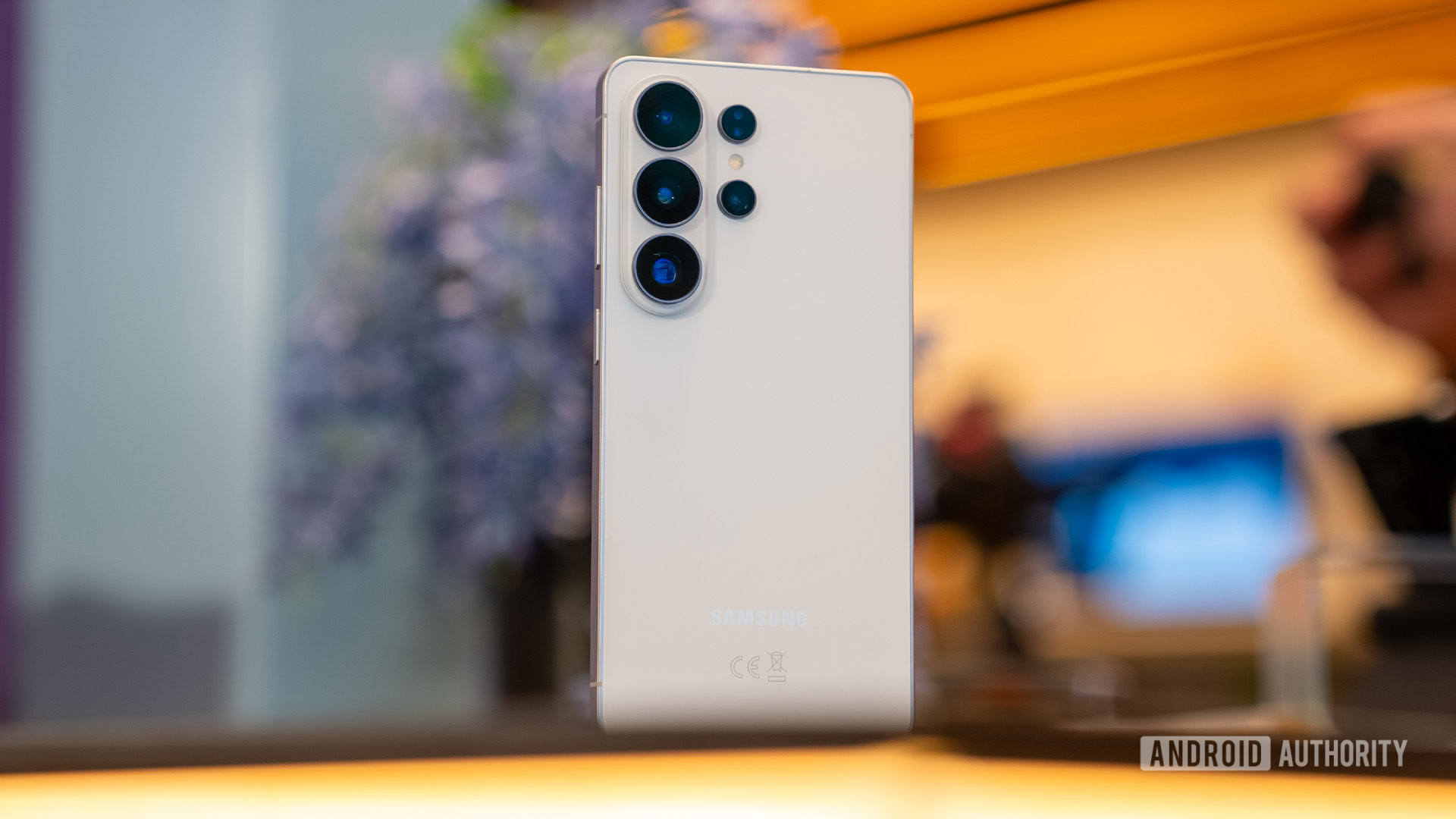
Samsung has fundamentally re-engineered its primary imaging system. The 200MP main sensor now benefits from a dramatically wider f/1.4 aperture, which translates to a reported 47% increase in light capture efficiency. This is a crucial engineering adjustment designed to mitigate the persistent industry challenges of shutter lag and motion blur in challenging indoor or low-light environments—issues that have often plagued Samsung’s high-resolution sensors relying heavily on aggressive post-processing. Furthermore, the 5x telephoto module, now upgraded to a 50MP sensor, promises enhanced optical integrity, particularly when leveraging extended zoom ranges in suboptimal lighting conditions.
Samsung’s video capabilities are also being redefined with the introduction of Horizon Lock. Utilizing advanced gyroscope and accelerometer data streams, this feature actively stabilizes footage to maintain a level horizon, irrespective of extreme camera movement, echoing the sophisticated stabilization techniques found in dedicated action cameras. This level of video engineering transcends mere software correction and signals a commitment to high-end mobile videography.
The OnePlus 15, while offering a competent camera experience for its price point, plays a more conservative hand. Early reports indicated that the adoption of the "DetailMax" processing engine resulted in a noticeable homogenization of image character, potentially sacrificing the unique aesthetic signature previously associated with its partnership efforts. Color consistency across the various focal lengths remains an observed weakness, and its telephoto performance, while adequate for standard reach, begins to fall behind when challenging the upper limits of its zoom capabilities compared to the S26 Ultra’s hardware enhancements. The S26 Ultra is architected for photographic ambition; the OnePlus 15 is built for reliable competence.
4. The AI Frontier: Agentic Integration vs. Feature Parity
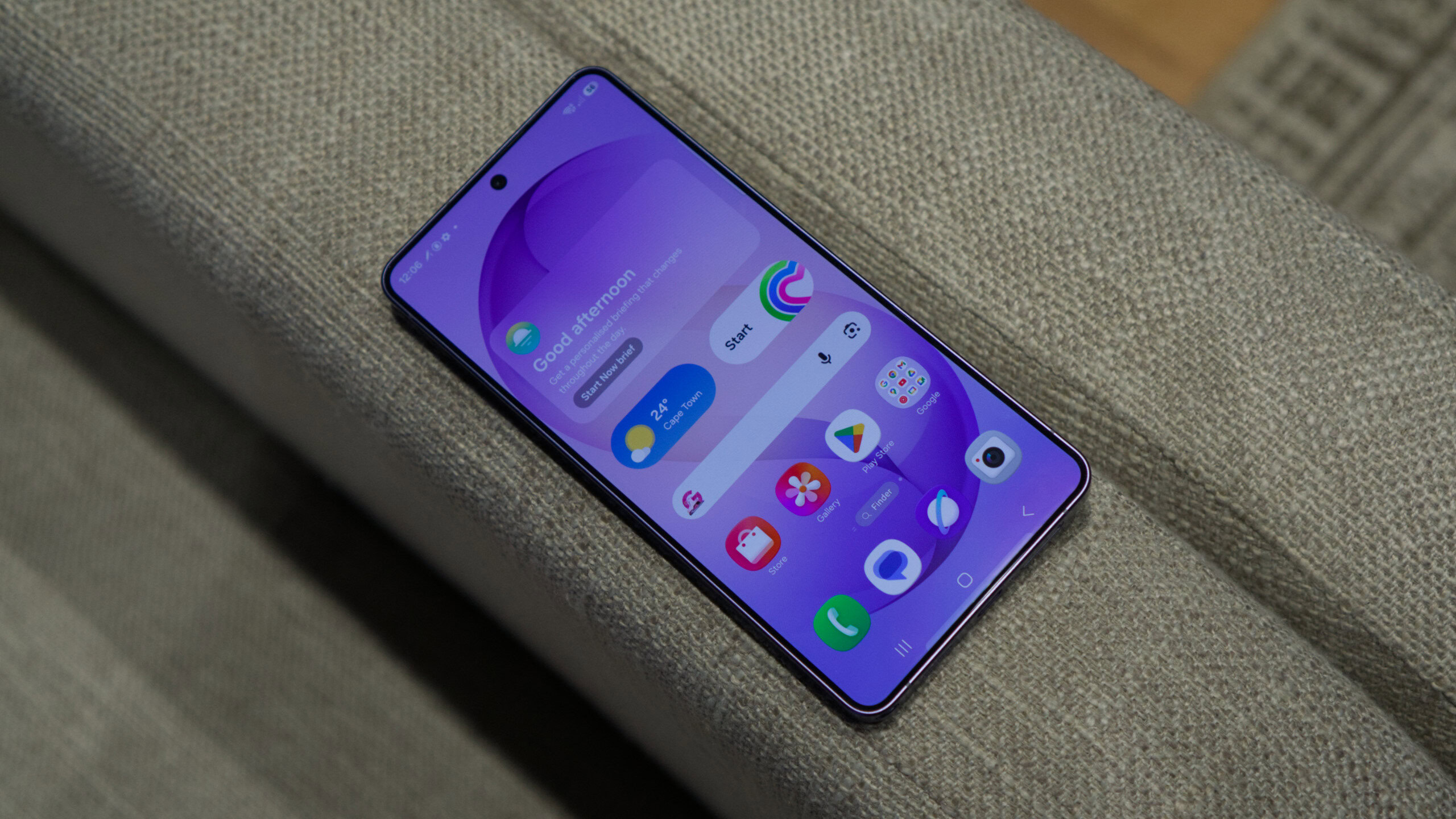
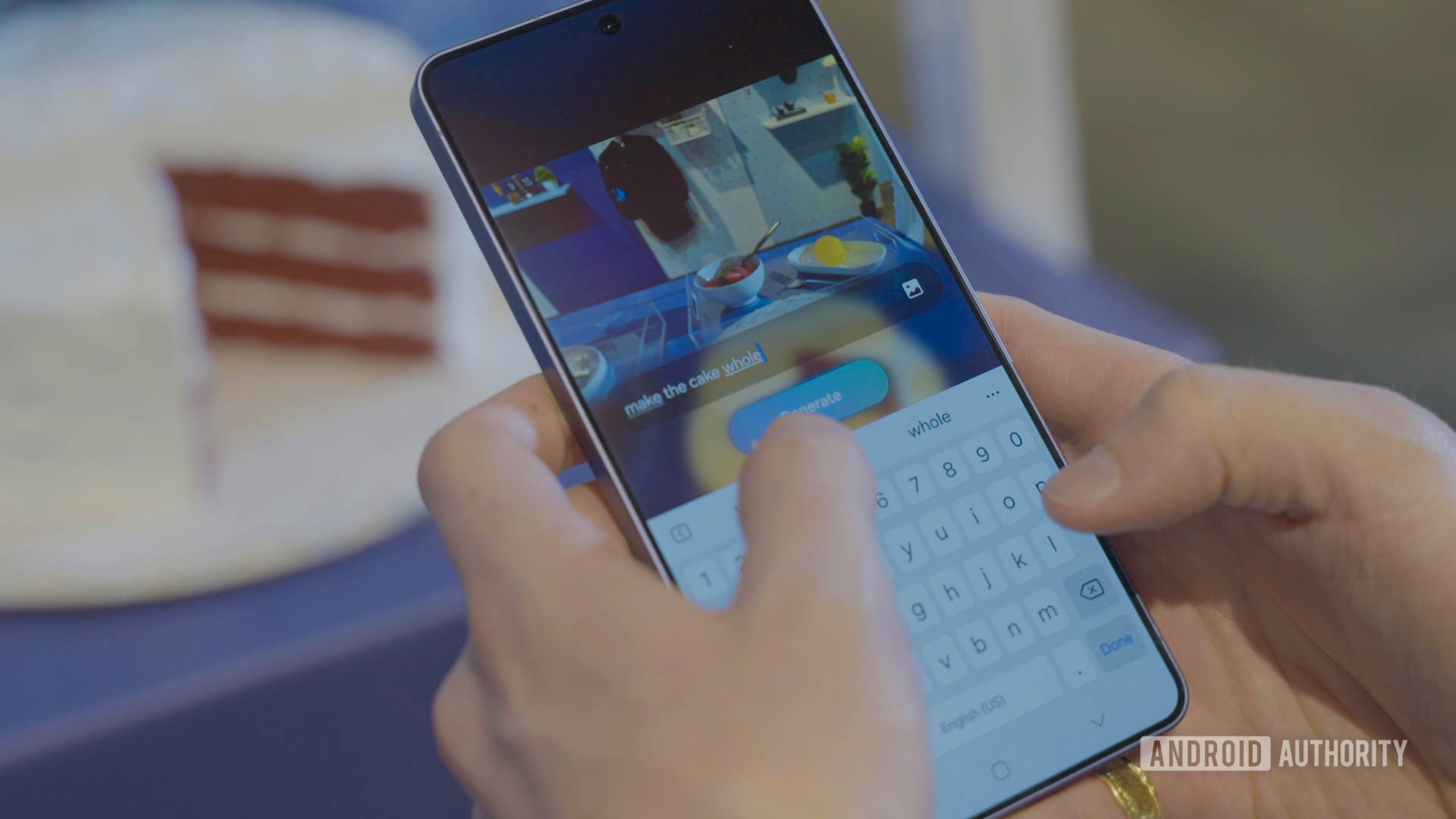
The 2026 smartphone cycle is defined by the shift toward "agentic AI"—systems that anticipate user needs rather than merely reacting to commands. Samsung is making a pronounced investment in this area with the S26 Ultra. While many of the advertised features—such as context-aware suggestions (Now Nudge), automated gallery categorization (Screenshot Analyzer), and generative editing tools (Photo Assist)—bear functional resemblance to innovations pioneered by Google’s Pixel line, Samsung’s advantage lies in its integration depth within the One UI ecosystem.
The S26 Ultra showcases system-level intelligence, such as proactively scheduling transportation based on calendar entries without requiring manual app invocation. This level of proactive assistance suggests a deeply embedded AI layer working across Samsung’s entire suite of hardware.
OnePlus’s approach to AI, while present in OxygenOS 16, appears less ambitious. Its features often feel like standalone utilities grafted onto the operating system, lacking the seamless, cross-application intelligence that Samsung is striving to build. For users seeking a device that truly functions as an extension of their intent, the S26 Ultra’s more pervasive and proactive AI integration establishes a significant usability lead.
5. Longevity and Ecosystem Cohesion: The Long-Term Investment Argument
A critical, yet often overlooked, factor in the premium smartphone calculus is device lifespan, where Samsung continues to set the benchmark for Android OEMs. The Galaxy S26 Ultra is backed by a seven-year commitment covering both full operating system upgrades and security patches. This policy ensures that a device purchased in 2026 remains current and secure through 2033, receiving up to Android 23.
OnePlus has significantly improved its support window, offering six years of security updates, but its commitment to major OS upgrades typically caps at four versions. From a total ownership cost and future-proofing perspective, Samsung’s multi-year lead in software commitment is invaluable, providing greater residual value and security assurance.
Beyond update longevity, the cohesion of the Samsung ecosystem—encompassing Galaxy Watches, Tabs, and smart home integration—transforms the S26 Ultra into a genuine digital hub. Enhanced AI features like the advanced Document Scanner (capable of AI-assisted flattening of complex documents) and the Audio Eraser function (for isolating specific audio tracks in videos) demonstrate a level of software polish that elevates the user experience beyond mere feature checklists. OxygenOS 16 is celebrated for its speed and responsiveness, but it currently functions more as a collection of high-performance tools rather than the deeply intertwined, unified platform that Samsung provides.
6. The Inimitable S Pen: A Definitive Feature Gap
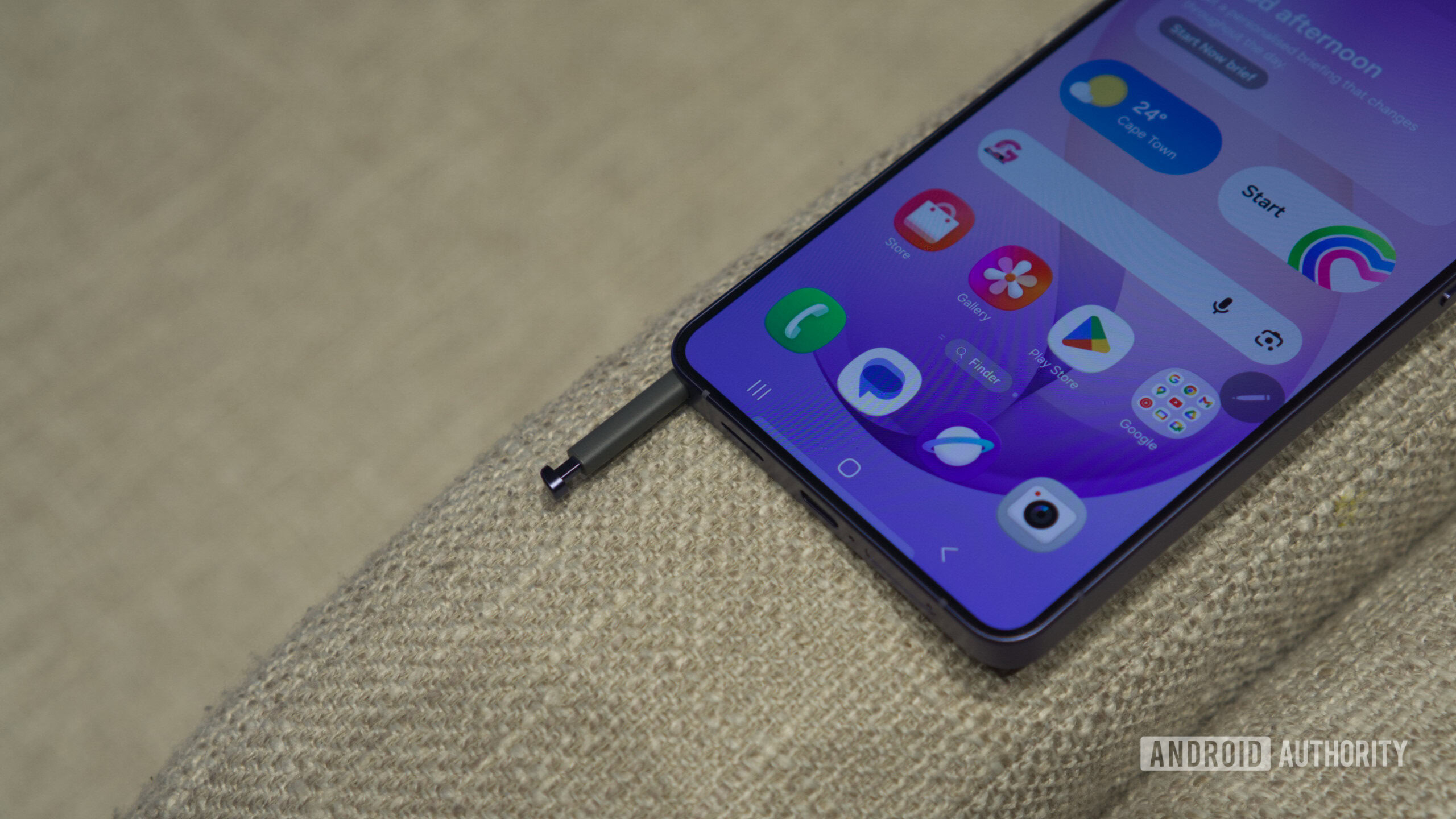
Finally, the most significant hardware differentiator remains the integrated S Pen. For creative professionals, students, or power users who rely on precise input, note-taking, or on-the-fly document markup, the OnePlus 15 has no comparable feature. Samsung has refined the physical integration of the stylus in the S26 Ultra, redesigning the housing so that while it can be inserted in any orientation, there is an optimized "correct" seating position that ensures the stylus sits perfectly flush within the device’s record-breakingly slim 7.9mm chassis. This combination of specialized input capability and physical integration makes the S26 Ultra the undisputed choice for productivity that demands more than just on-screen tapping.
The Pragmatic Counterpoint: Where the OnePlus 15 Retains its Edge
Despite the compelling technological advantages of the S26 Ultra, the $1,299 starting price places it firmly in the ultra-premium bracket, leaving substantial room for the OnePlus 15’s value proposition.
For the dedicated mobile gamer, the OnePlus 15 offers a more tailored experience. Its 165Hz refresh rate provides an undeniable, albeit specialized, smoothness in demanding titles. Furthermore, its thermal management, featuring an enlarged vapor chamber cooling system, allows it to sustain peak performance longer than previous generations, often outperforming competitors in sustained load tests.
The battery solution on the OnePlus 15 is a clear victory for endurance enthusiasts. Pairing the efficient Snapdragon 8 Elite Gen 5 chipset with a substantial 7,300mAh silicon-carbon cell, coupled with blazing-fast 120W SuperVOOC charging, allows the device to routinely achieve two full days of heavy usage. For users whose primary concern is mitigating battery anxiety, the OnePlus 15 offers superior longevity and recuperation speed.
In summary, the choice hinges on philosophy. The OnePlus 15 delivers approximately 90% of the modern flagship experience—blistering speed, exceptional battery life, and very good photography—for a price point hundreds of dollars lower. It is the rational, pragmatic choice for the performance-first consumer. However, the Samsung Galaxy S26 Ultra justifies its significant premium through superior ergonomic refinement, groundbreaking display technology focused on privacy, demonstrable hardware leaps in photography, deeper ecosystem integration, and a market-leading commitment to software longevity. The S26 Ultra is not just a faster phone; it is engineered to be a more comprehensive, durable, and secure mobile platform for the next half-decade.