

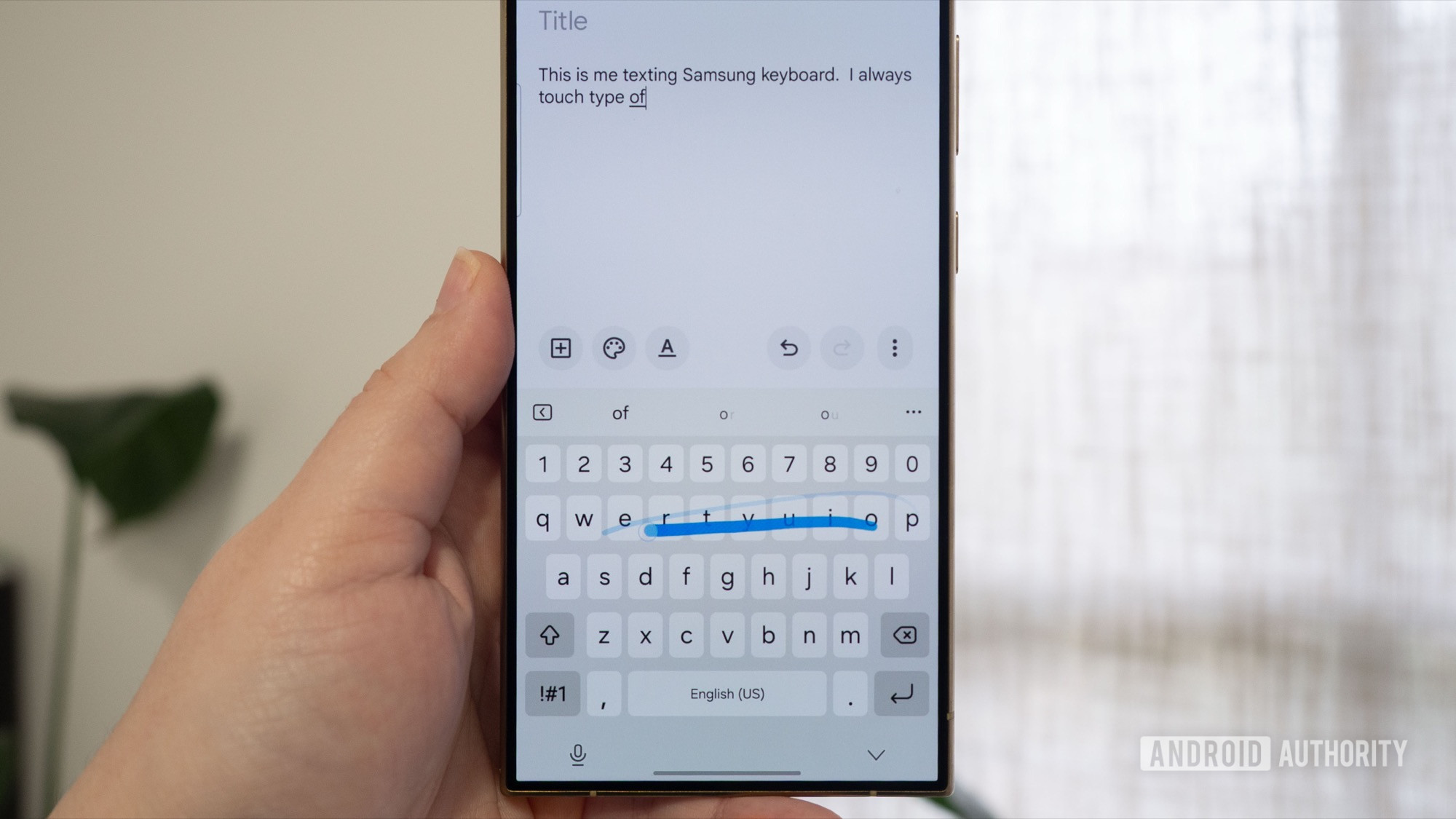
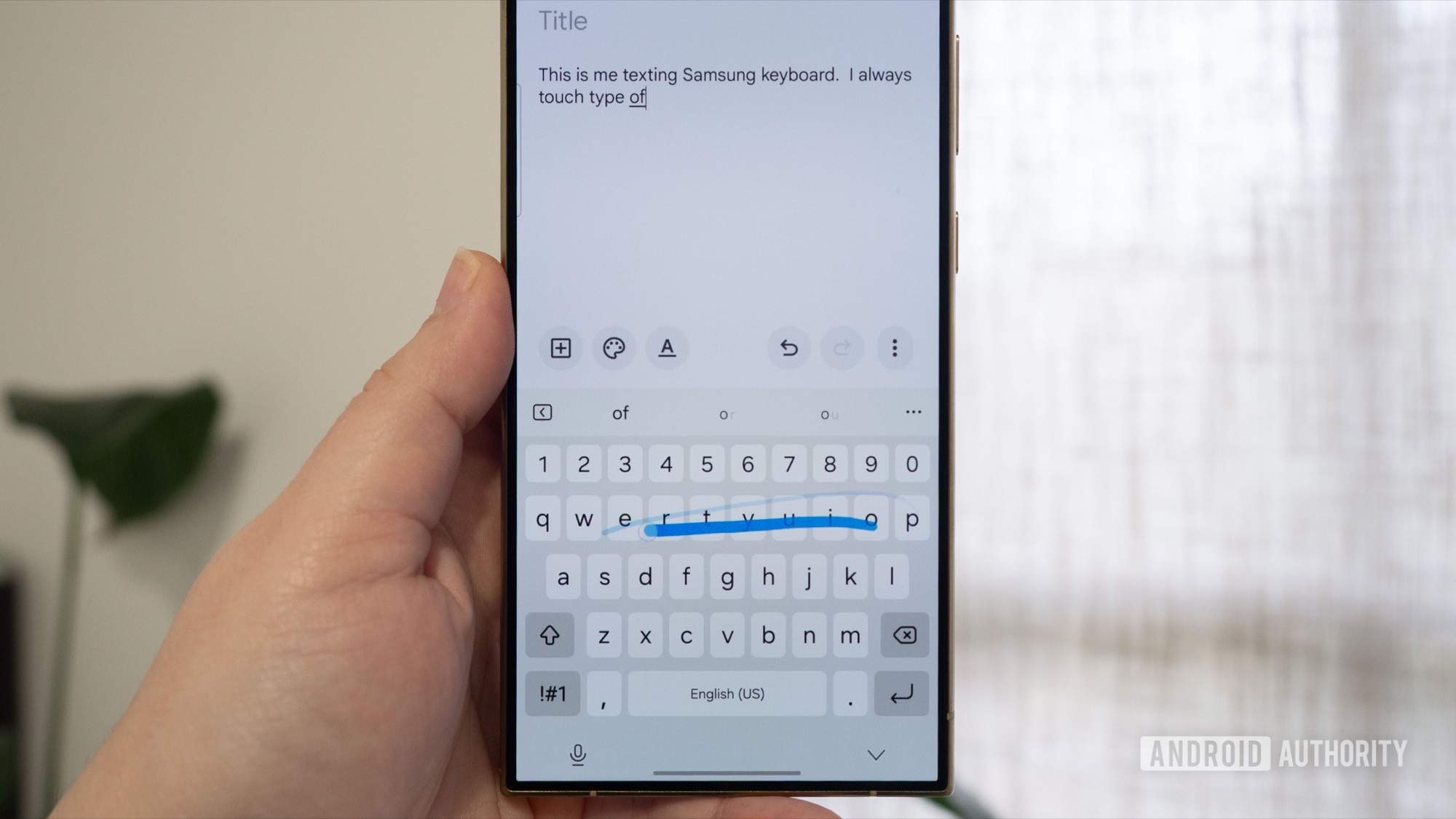
The user interface is the handshake between the user and the machine. While headline features like processor speeds, camera arrays, and folding mechanisms capture the consumer spotlight, the true measure of a device’s daily usability often rests in the most mundane components. Among these foundational elements, the software keyboard stands as arguably the single most frequently invoked piece of software on any modern smartphone. It is the conduit for virtually all text-based communication, data entry, and search queries. If this primary input method fails to perform seamlessly, the entire premium hardware experience—no matter how advanced—is immediately compromised. This is precisely the persistent challenge facing Samsung, the world’s largest smartphone manufacturer, whose default Samsung Keyboard consistently serves as an Achilles’ heel, not just for its own flagship devices, but potentially for the broader perception of the Android platform itself.
The historical context surrounding Samsung’s proprietary input method is one of prolonged dissatisfaction. Dating back to devices like the Galaxy S7 Edge era, and continuing through the current generation of the Galaxy S24 Ultra and beyond, a significant segment of the power user base has preemptively bypassed the native offering. This isn’t a recent phenomenon related to a single software update; it represents a decade-long pattern where technologically sophisticated users immediately seek third-party alternatives, most commonly Google’s Gboard. This immediate abandonment signals a fundamental failure in user experience design that transcends mere preference.
This recurring issue is not confined to a niche group of vocal enthusiasts. Peer reports from within the tech journalism sphere confirm this deep-seated frustration. Colleagues who have reviewed the latest Galaxy hardware report needing mere minutes or hours before resorting to installing an alternative keyboard solution to mitigate immediate typing inefficiencies. The common complaints coalesce around predictive text inaccuracies, erratic spacing insertion during standard touch typing, and poor handling of gesture-based input (swiping). These are not minor bugs; they are core functional flaws that impede the speed and accuracy of communication—the primary function of a mobile device.
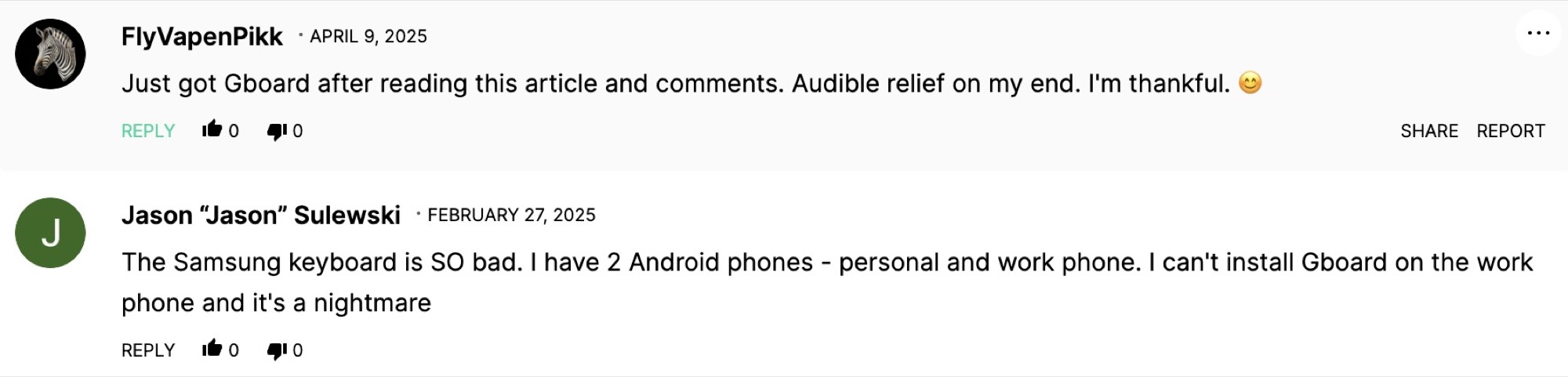
The problem extends beyond the tech-savvy cohort. Anecdotal evidence from general consumers—parents, relatives, and everyday users—demonstrates that the subpar experience is palpable even to those unfamiliar with the nuances of Android customization. When non-technical users describe the experience as "weird" or express immediate dislike for typing on a new Samsung tablet, it underscores that the friction is inherent, not learned. Upon switching these users to a familiar, high-performing keyboard like Gboard, the negative feedback ceases instantly, confirming the Samsung Keyboard as the bottleneck.
To quantify this sentiment, internal readership polling provides a stark indictment. When a significant majority—approaching 60% of technically proficient readers—report actively disabling the default keyboard in favor of an alternative, it ceases to be a matter of opinion and becomes a measurable design deficiency. For a company commanding a near 20% global market share, this represents millions of users actively struggling with the very tools intended to facilitate interaction.
Industry Implications: The Halo Effect on Android
The impact of this persistent keyboard deficiency cascades far beyond Samsung’s bottom line. As the dominant force in the Android ecosystem, Samsung devices often serve as the de facto standard-bearer for the operating system, especially in competitive Western markets. When the flagship hardware—the devices meant to showcase Android’s potential—is hampered by a core input mechanism that performs noticeably worse than its primary rival’s offering, it creates a negative "halo effect" for the entire platform.
The comparison to Apple’s iOS ecosystem is inevitable, yet this is where Samsung misses a critical strategic opportunity. While many users find Apple’s native keyboard equally, if not more, frustrating, Samsung has consistently failed to leverage this weakness. Instead of presenting the Galaxy line as the superior choice for modern digital communication—a place where Android excels through superior customization—Samsung inadvertently reinforces the very stereotypes that plague Android perception: that it is less refined, more buggy, or generally less polished than its chief competitor.
In an era defined by rapid-fire messaging, content creation, and ubiquitous digital interaction, the keyboard is the user experience benchmark for many. Samsung’s focus on integrating complex, often AI-driven features—such as advanced composition and editing tools—feels like applying cosmetic bandages over a structural deficit. The priority, from a user experience standpoint, should have been establishing rock-solid, near-flawless foundational input accuracy long before introducing secondary generative AI features on top of it.
Expert analysis in Human-Computer Interaction (HCI) dictates that error rates and input latency directly correlate with user frustration and perceived system quality. Samsung’s keyboard, by frequently misinterpreting touch inputs as swipes or inserting erroneous predictive text, dramatically increases the cognitive load required for simple tasks. Users are forced into a constant state of proofreading and correction, breaking the flow state necessary for efficient work or communication. This forced adaptation—the expectation that the user must "train" the keyboard over weeks or months—is antithetical to modern, intuitive software design principles. High-quality input methods should deliver accuracy from the first keystroke.
The Data Doesn’t Lie: Search Trends as a Barometer
Further evidence of this widespread dissatisfaction can be found by analyzing aggregated search data. Trends across major search engines reveal consistent spikes following major smartphone launches or seasonal purchasing periods (like Black Friday). These spikes often involve searches for terms like "change keyboard" or "best keyboard for [Device Model]." Critically, the volume of searches related to switching Samsung’s default keyboard is disproportionately high when benchmarked against other high-volume Android manufacturers, such as Xiaomi, vivo, or HONOR.
While Samsung enjoys a substantial global market share lead, the search interest in replacing its input method far exceeds what would be expected based on market penetration alone. This suggests that the dissatisfaction rate among Samsung users is significantly higher than the average Android user base. For competing brands, even those with smaller footprints, the relative frequency of users seeking to replace their native keyboard is markedly lower. This comparative analysis strongly suggests that Samsung’s implementation is the outlier, not the general state of third-party keyboard availability on Android.
Future Impact and Emerging Trends
The trajectory of mobile interaction suggests that the keyboard’s importance will only amplify, particularly with the integration of sophisticated on-device artificial intelligence. As generative AI tools become deeply embedded within messaging and productivity apps, the quality of the initial text prompt fed into these systems becomes paramount. A poorly performing keyboard injects noise and errors into the input stream, degrading the utility of the advanced AI features Samsung heavily promotes. If the foundational text entry is unreliable, the sophisticated layers built upon it suffer diminishing returns.
Looking forward, the industry is also seeing a shift toward more nuanced input methods, including advanced voice dictation and specialized gesture controls. However, these methods have yet to achieve the universal reliability and context-switching agility of high-quality text input, especially in noisy environments or when privacy is a concern. Voice typing, while improving, still struggles with context, jargon, and rapid-fire conversation transcription. Therefore, the physical or virtual keyboard remains the indispensable core.
Samsung’s continued reliance on a perceived substandard keyboard risks isolating its most dedicated, high-value users—those who purchase the flagship Ultra devices. These users are typically the early adopters and heavy communicators who value efficiency above all else. By failing to address this long-standing input issue, Samsung risks alienating the very demographic that drives positive word-of-mouth and sets the standard for platform expectation.
The solution is not necessarily reinvention but perhaps a strategic re-evaluation of resource allocation. The engineering effort currently dedicated to incremental software tweaks around the periphery of the keyboard experience might be better redirected toward refining the core predictive models, improving gesture recognition algorithms, and reducing input latency. Competitors like Google (with Gboard) and Microsoft (with SwiftKey) have demonstrated that achieving a near-perfect, adaptive typing experience on mobile hardware is achievable.
Ultimately, Samsung, as the undisputed leader of the Android hardware segment, carries a responsibility to present the platform in its best light. When millions of users—both novices and experts—find themselves immediately disabling a core operating system component, it sends a clear message that the integration is incomplete. For Samsung to solidify its position as the definitive Android experience, it must resolve this decade-old, fundamental friction point. The narrative surrounding the Galaxy line should be about unparalleled integration and performance, not about the necessity of immediately installing a different keyboard just to type an email. The current reality undermines the premium positioning of its most expensive hardware and casts an unnecessarily negative shadow over the capabilities of the entire Android ecosystem it champions.