

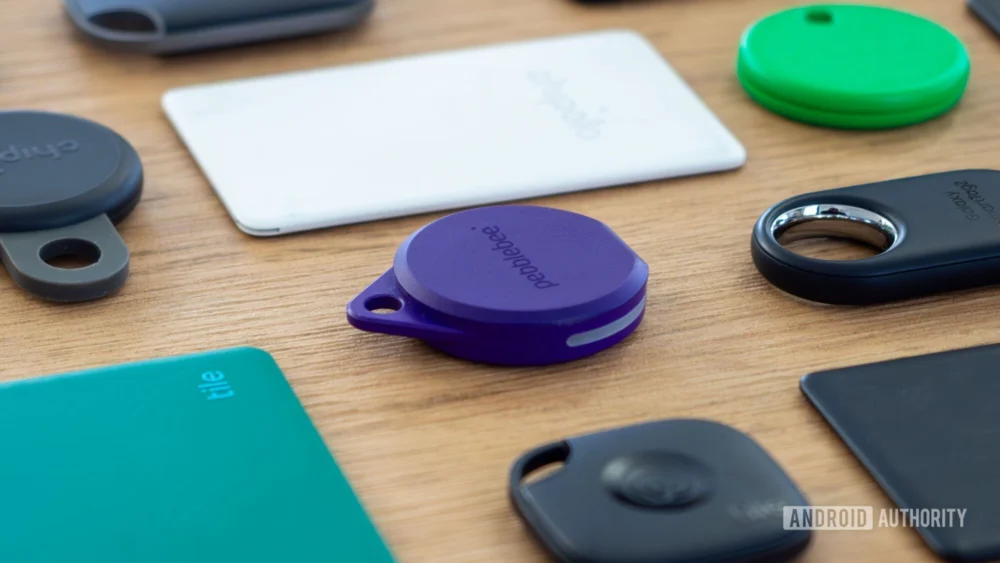
The unveiling of the second-generation Apple AirTag, boasting incremental improvements in range, acoustic output, and security bolstered by the new U1 Ultra-Wideband (UWB) chip, serves as a significant marker in the personal item tracking sector. However, this iteration, much like its predecessor, remains firmly tethered to the Apple ecosystem, presenting a critical limitation in an increasingly multi-device world. For the vast demographic relying on Android or those desiring hardware flexibility, the AirTag’s walled garden approach renders it functionally obsolete compared to a burgeoning field of third-party Bluetooth trackers. After extensive, real-world testing across diverse environments, it is evident that several competitors offer superior utility, cross-platform compatibility, and innovative features that warrant serious consideration over Apple’s latest offering.
The Shifting Landscape of Proximity Tracking
The market for Bluetooth trackers has matured significantly since the initial launch of the AirTag. Initially, the competition struggled to match Apple’s precision finding capabilities, largely due to the proprietary nature of the U1 chip and the sheer density of the Find My network. However, the industry has rapidly responded, leveraging advancements in Bluetooth specifications and strategically adopting dual-network compatibility. This shift is not merely about feature parity; it reflects a broader market demand for interoperability and user choice, a concept Apple has traditionally resisted.
The core value proposition of modern trackers lies not just in finding lost keys in the next room, but in leveraging massive, decentralized crowdsourced networks (both Google’s Find Hub and Apple’s Find My) to locate items lost further afield. Furthermore, innovations like Bluetooth Channel Sounding (part of the forthcoming Bluetooth 6.0 standard) promise to deliver UWB-like directional accuracy without requiring the specialized, power-hungry UWB hardware. This technological evolution fundamentally challenges the AirTag 2nd gen’s reliance on its new UWB chip as the sole differentiator.
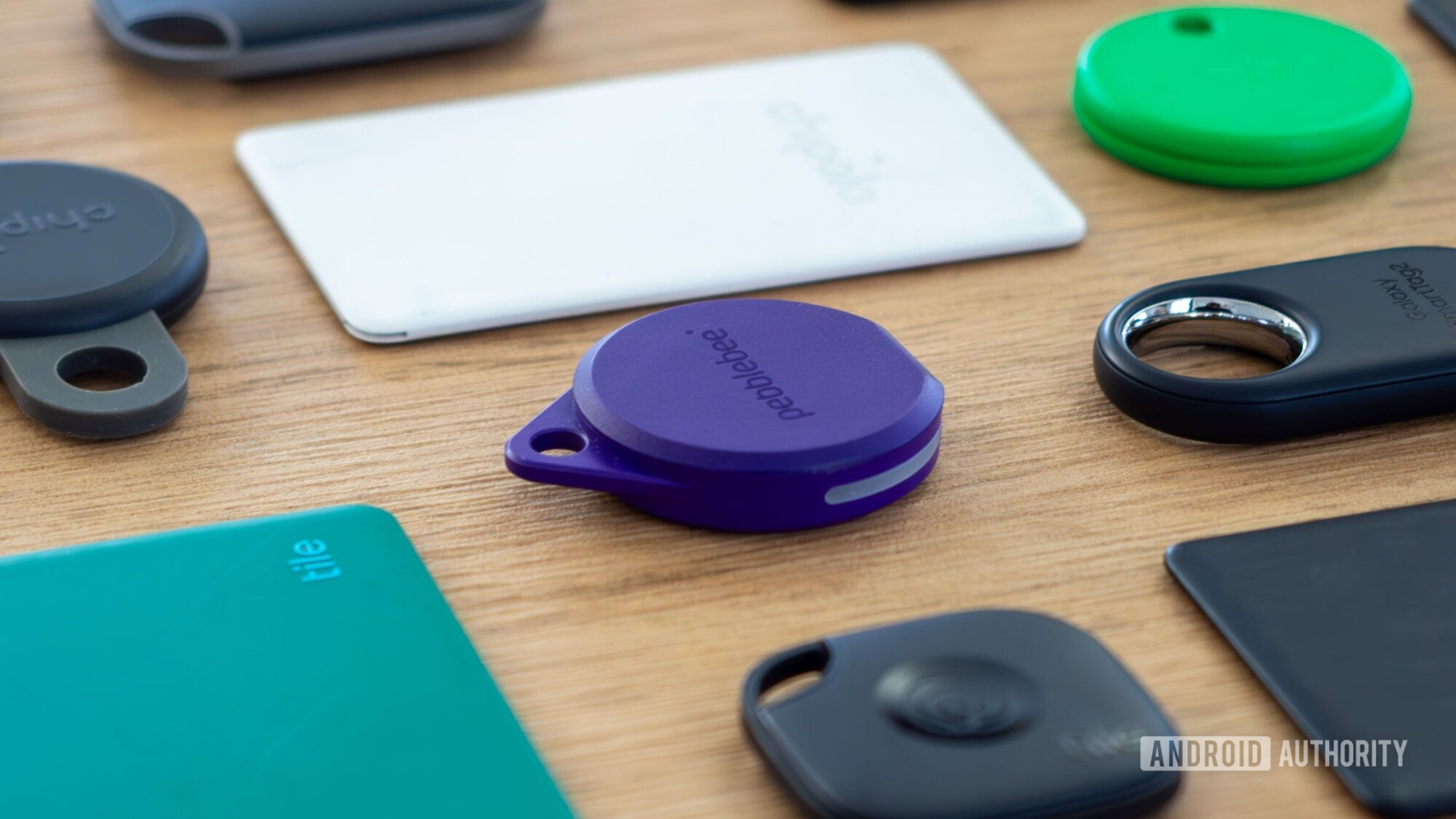
Premium Cross-Platform Powerhouses: Chipolo LOOP and Pebblebee Clip 5
The most compelling alternatives come from manufacturers who have embraced the challenge of supporting both major mobile operating systems, offering users a safety net regardless of their smartphone allegiance.
Chipolo LOOP ($39): The Versatile Powerhouse with Future-Proofing
The Chipolo LOOP stands out as perhaps the most sophisticated offering for users prioritizing adaptability and forward-looking technology. Priced competitively, its standout feature is its dual-network support, allowing seamless integration with either the Google Find Hub or Apple Find My. This is invaluable for households with mixed ecosystems or users who anticipate switching devices.
From a practical standpoint, the LOOP addresses a significant user pain point: battery management. It utilizes a rechargeable power source accessed via a ubiquitous USB-C port. Given the inconvenience and environmental impact of constantly replacing CR2032 coin cells—a necessity for the AirTag—the six-month battery life between USB-C charges is a substantial quality-of-life improvement. Moreover, the integrated loop eliminates the recurring cost and hassle of purchasing separate attachments.
Beyond basic tracking, the LOOP’s companion application extends functionality far beyond what native platform apps offer. Users gain the ability to remotely trigger their phone to ring, receive proactive "left-behind" alerts on both Android and iOS, and even use the tracker as a remote shutter for smartphone cameras. The acoustic output is frequently cited as exceptionally loud, surpassing many competitors.
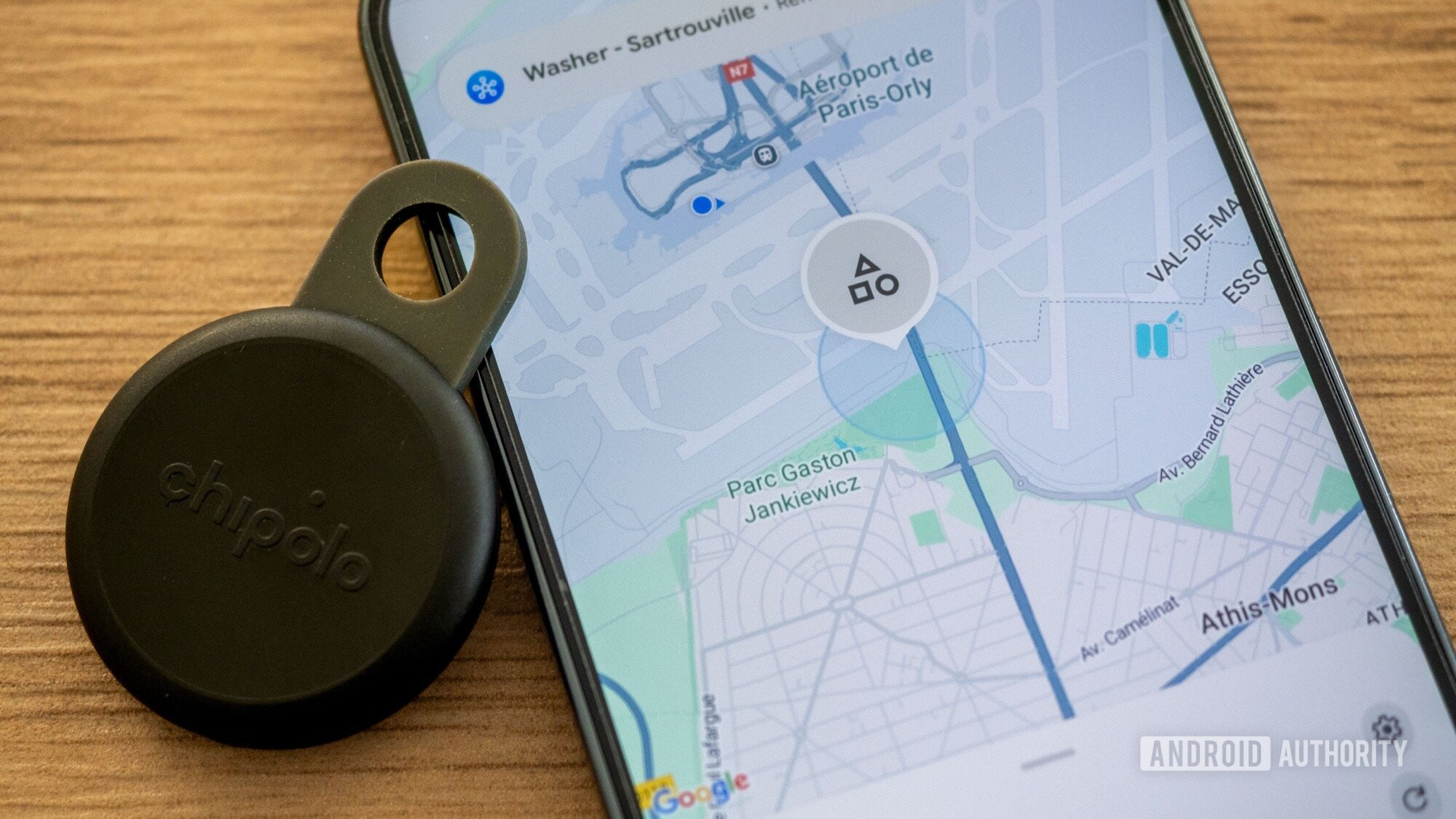
Crucially, the LOOP integrates Bluetooth 6.0 with Channel Sounding. While the AirTag 2 relies on UWB for precision finding, Channel Sounding is emerging as the standardized Bluetooth solution to achieve similar ranging accuracy. With Android already supporting the underlying protocols for Channel Sounding, the LOOP is positioned to inherit near-UWB precision capabilities through future Find Hub API updates, effectively negating the AirTag’s primary technical advantage without locking the user into a single platform. Its IP67 water resistance rating also provides superior ingress protection compared to many rivals.
Pebblebee Clip 5 ($35): The Endurance Contender with Bright Alerts
The Pebblebee Clip 5 offers a compelling, slightly different value proposition, making it an ideal choice for those focused on longevity and immediate visibility. Like the LOOP, it boasts compatibility with both Google Find Hub and Apple Find My networks, ensuring broad utility.
The Clip 5 shines in battery endurance, claiming a full 12 months of operation on a single charge via USB-C, double that of the Chipolo LOOP. This extended lifespan translates to less frequent maintenance. Furthermore, the incorporation of a remarkably bright, flashing LED light offers a tangible advantage in low-light searches—a feature that the AirTag lacks entirely. For retrieving items buried deep within luggage or under furniture, this visual cue can be more efficient than sound alone.
Pebblebee also integrates a notable safety feature: the Safety Circle emergency alert. This function allows a user in distress to discreetly signal contacts through the tracker itself, adding a layer of personal security beyond simple asset recovery. The inclusion of a visible QR code on the back is another practical touch, offering a direct contact mechanism should the item be found by a non-smartphone user.
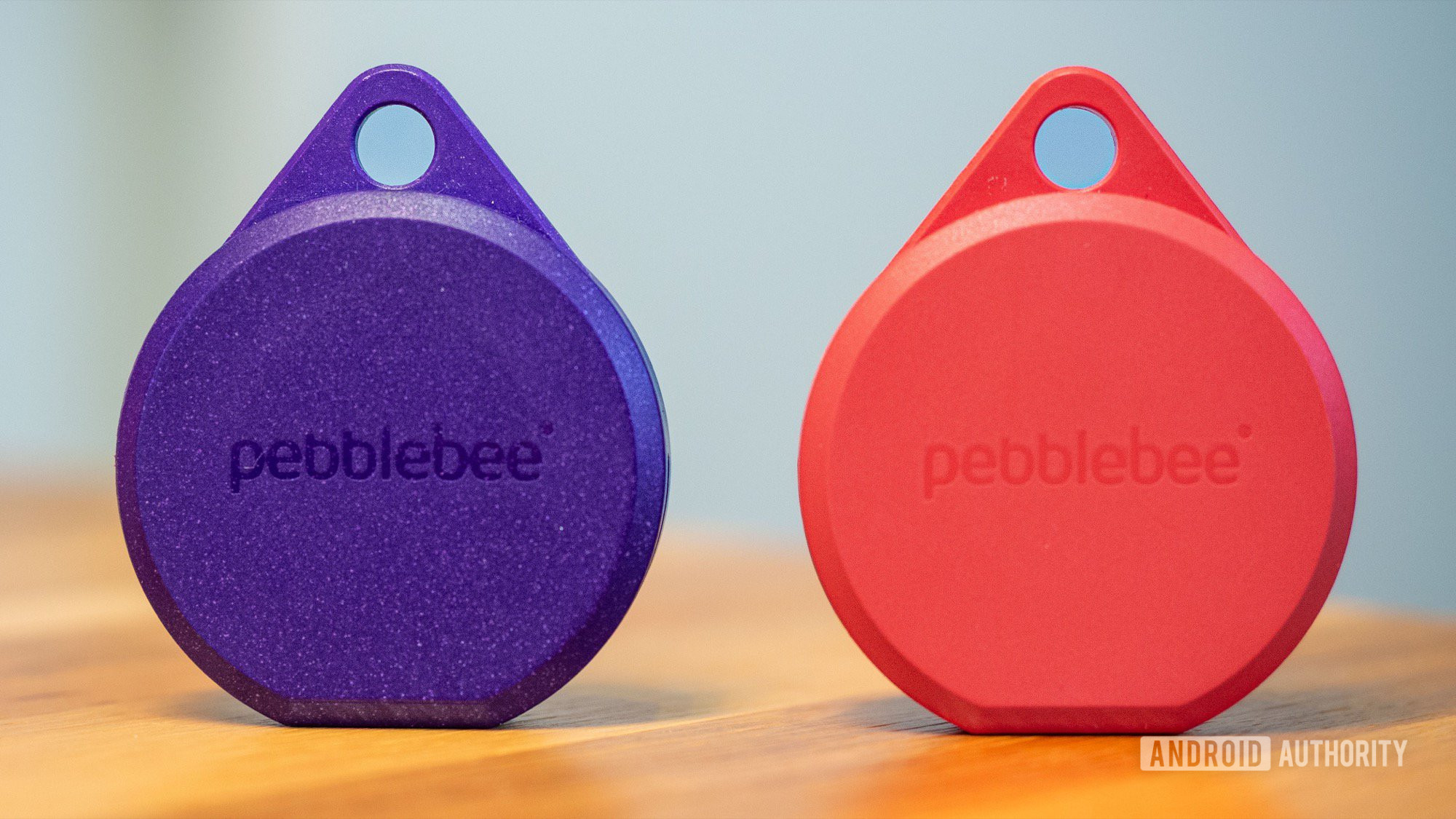
However, the Clip 5 exhibits trade-offs. It utilizes Bluetooth 5.4, meaning it does not currently support Channel Sounding, potentially limiting its future proximity-finding evolution compared to the LOOP. Its IP66 rating offers good water resistance but falls short of immersion-proof certification (IP67/IP68). Furthermore, users on Android will not receive the "left-behind" proximity alerts that are available to iOS users, indicating a slight asymmetry in feature parity across platforms.
Form Factor Considerations: Card Trackers for Wallets
For users whose primary concern is tracking thin items like wallets or passport holders, the traditional key-fob style trackers become cumbersome. The market offers specialized, credit-card-sized alternatives that directly compete with the AirTag’s smaller form factor, again prioritizing cross-platform support.
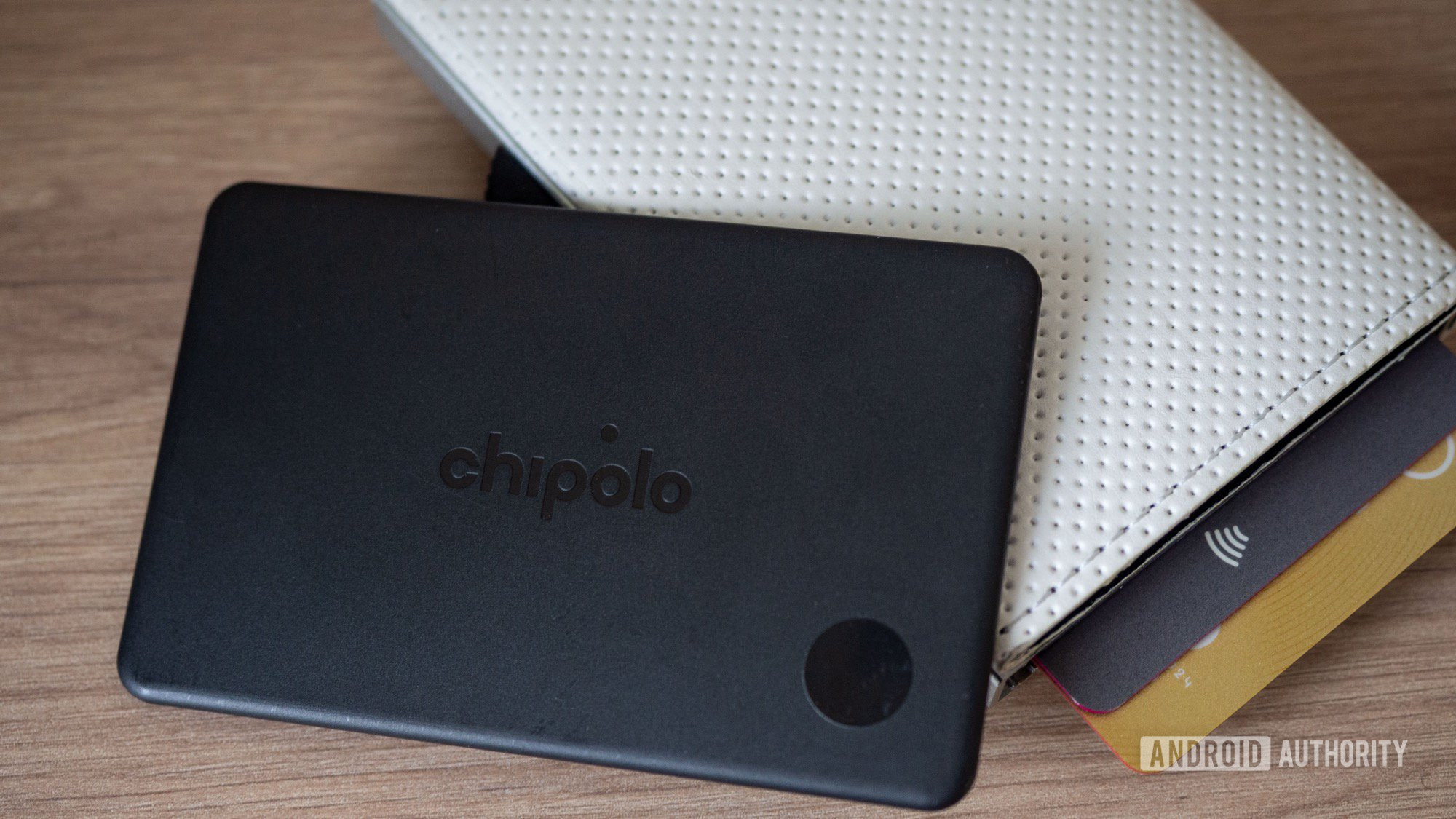
Chipolo CARD ($39): Seamless Wireless Charging and Feature Depth
The Chipolo CARD mirrors the advanced feature set of the LOOP in a slim profile. Its compatibility with both major networks, loud siren, IP67 rating, and Bluetooth 6.0 Channel Sounding support make it technologically robust.
The defining feature here is its power management: Qi wireless charging. This approach is elegantly convenient, allowing users to simply place the card on any standard wireless charging pad to replenish its six-month battery life. This eliminates the need for proprietary charging cables or physically opening the device. The inclusion of comprehensive app features—left-behind alerts (on both platforms), remote phone ringing, and camera shutter control—solidifies its position as a feature-rich option.
Pebblebee Card 5 ($35): Unmatched Battery Longevity in a Slim Package
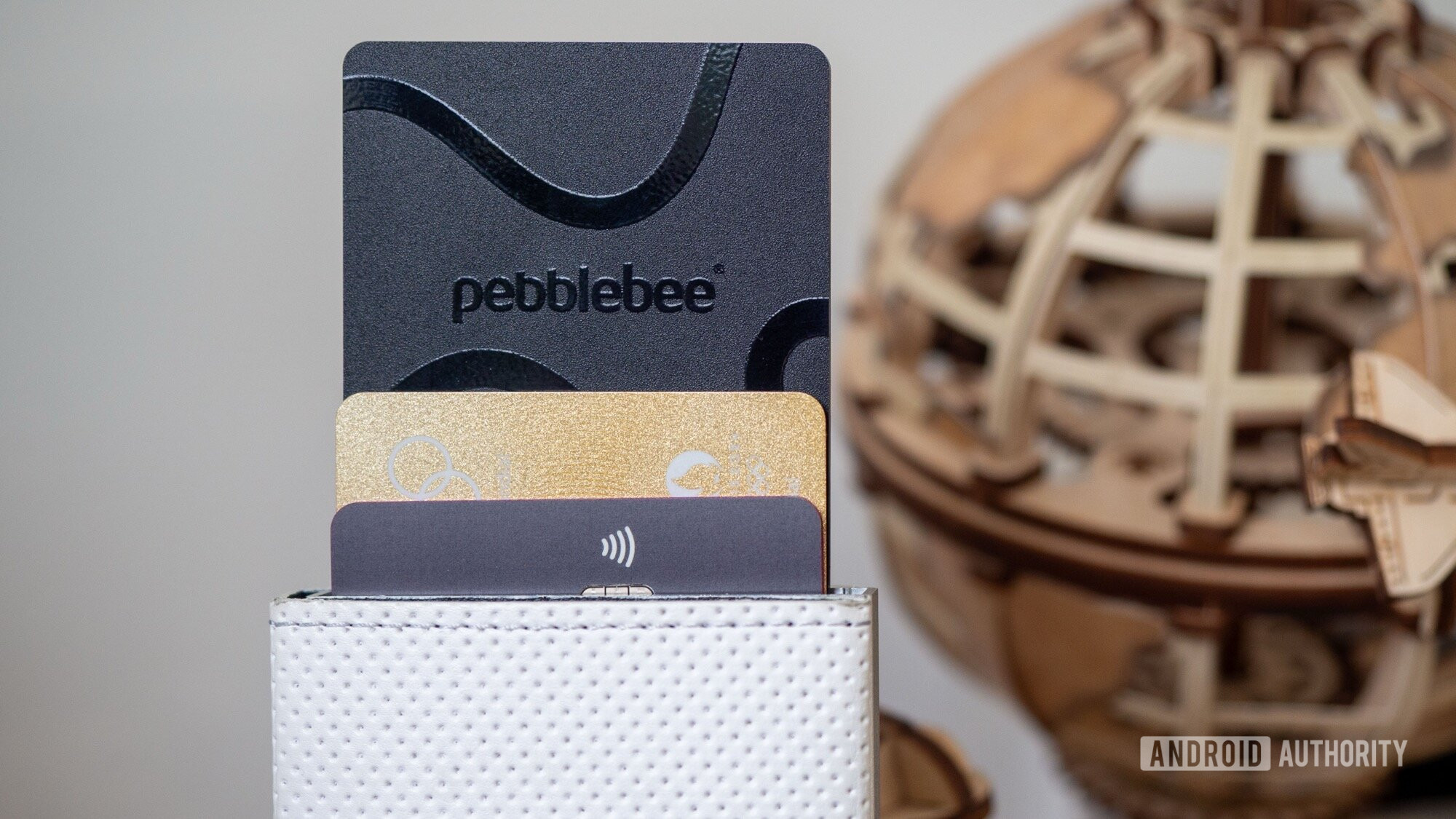
The Pebblebee Card 5 offers an even more compelling case for the minimalist who despises frequent charging. This device boasts an industry-leading 18-month battery life, though it utilizes Qi wireless charging, similar to the Chipolo CARD.
Its durability is marginally superior, featuring an IP68 rating, offering better protection against accidental submersion. While it includes a bright LED indicator and the identification QR code, it sacrifices some software sophistication found in the Chipolo line. Specifically, it lacks left-behind alerts for Android users and does not offer the customizable ringtones or camera remote functionality present on the Chipolo line. The decision between the two card formats often boils down to whether the user values Chipolo’s comprehensive software features or Pebblebee’s superior battery duration and IP rating.
The Android-Exclusive UWB Option: Moto Tag ($29)
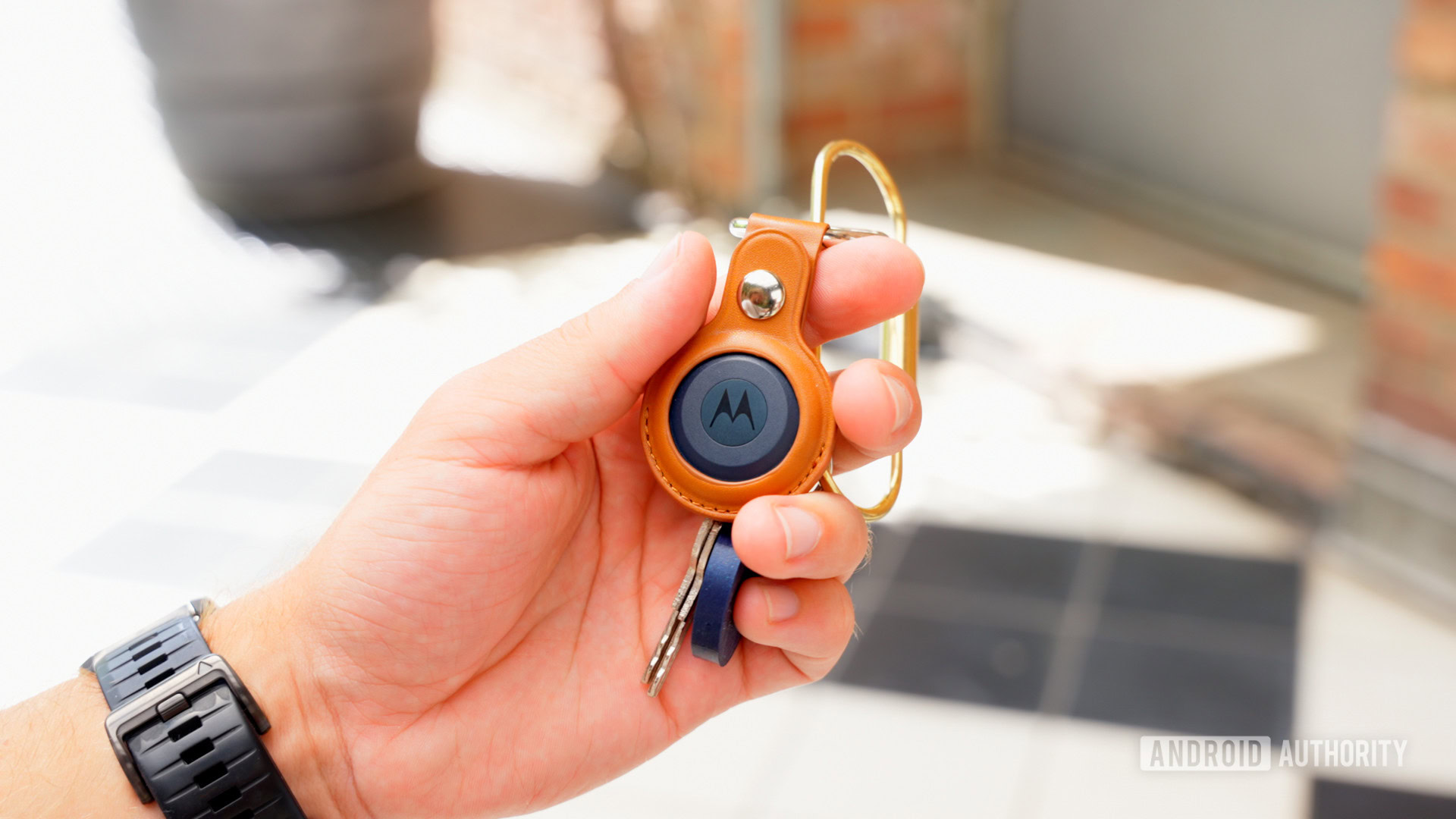
For the dedicated Android user who views Ultra-Wideband precision finding as non-negotiable, the Motorola Moto Tag presents a niche, budget-friendly entry point. It is currently the only widely available tracker leveraging UWB technology for pinpoint location finding within the Google Find Hub ecosystem. This technology is superior for locating items in cluttered, indoor spaces where Bluetooth signal diffusion is poor, offering directional arrows and distance metrics akin to the native AirTag experience.
However, the Moto Tag represents a compromise in almost every other metric. It relies on the disposable CR2032 battery, which, based on field reports, depletes significantly faster than Motorola’s official claims (often requiring replacement within a few months). Its siren is notably quieter (approximately 75 dB) compared to the aggressive alerts of the Chipolo and Pebblebee models, which could be a liability in noisy environments. It lacks advanced features such as left-behind notifications or customizable alerts. Furthermore, its identical dimensions to the AirTag necessitate external accessories for attachment, as it lacks an integrated ring or hook.
Despite these drawbacks, its lower entry price point and UWB capability make it a strategic choice for Android users prioritizing precise, short-range recovery over battery life or comprehensive software features. The anticipation surrounding the rumored Moto Tag 2, which is slated to incorporate Bluetooth 6.0 Channel Sounding and an IP68 rating, suggests that the first generation may soon be technologically eclipsed.
Industry Implications and Future Trajectories
The continued success of third-party trackers capable of bridging the Apple/Android divide has profound implications for the technology industry. Firstly, it accelerates the deprecation of proprietary ecosystems in tracking hardware. Consumers are increasingly unwilling to purchase single-use devices when viable, multi-platform alternatives exist, especially those that integrate into established, vast location networks like Google’s or Apple’s.
Secondly, the push toward Bluetooth 6.0 and Channel Sounding signals a future where UWB might become less of a proprietary necessity and more of an optional enhancement. If standardized Bluetooth technology can deliver comparable proximity resolution, the manufacturing barrier to entry for high-precision tracking lowers significantly. This democratization of precise location data will likely spur innovation across a wider range of connected devices, moving beyond simple asset tags into logistics, inventory management, and smart home integration.
The emphasis on rechargeable batteries (USB-C and Qi) over disposable cells also points toward a stronger commitment to sustainability and user convenience. The cost of ownership drops considerably when battery replacement is either eliminated or simplified to standard charging practices.
Honorable Mentions and Emerging Contenders
The current market dynamic is fluid, with several other players either maintaining relevance or developing next-generation solutions:
- Tile Trackers: While Tile was an early pioneer, their reliance on their proprietary network (though they have recently embraced Google Find Hub integration) often places them a step behind the seamless integration offered by the cross-platform Chipolo and Pebblebee devices. Their longevity and feature set require closer scrutiny against the latest models.
- Samsung SmartTag: This remains an excellent, robust option, but its functionality is strictly limited to the Samsung Galaxy ecosystem leveraging the SmartThings Find network. For non-Samsung Android users, it is not a viable contender.
- Anker Eufy SmartTrack Card E40 (Upcoming): Anker’s anticipated card tracker promises to leverage the Google Find Hub, suggesting a strong entry into the wallet segment, likely focusing on competitive pricing and robust battery performance, building on their established accessory reputation.
- Nimble X Flint: Nimble is exploring an intriguing route by utilizing cellulose-based batteries for wireless recharging. If successful, this could offer an even more sustainable and convenient charging solution than traditional lithium-ion cells, marking a significant divergence in power technology for the sector.
- Xiaomi Tags (Rumored): The potential entry of Xiaomi into the Bluetooth tracker space, particularly given their global reach in the Android market, could inject significant competition, potentially driving down costs or introducing unique integrations with their massive IoT ecosystem.
Conclusion: Choosing Agility Over Entrenchment
The release of the AirTag 2nd gen, while technically proficient within its own confines, underscores a persistent philosophy of platform exclusivity that ultimately limits user choice and convenience. For the vast majority of consumers seeking robust, versatile item tracking solutions, the current landscape offers superior alternatives.
The Chipolo LOOP is the recommendation for the technically discerning user who values future-proofing (Channel Sounding), comprehensive software utility, and USB-C convenience. The Pebblebee Clip 5 appeals to those prioritizing maximum battery runtime and the utility of a bright visual beacon. For wallet security, the Chipolo CARD excels in feature density and wireless charging convenience, while the Pebblebee Card 5 wins on sheer battery endurance. Finally, the Moto Tag remains a specialized option strictly for Android users who must have UWB proximity finding today, provided they accept its other feature compromises.
Limiting oneself to a single ecosystem product in 2024/2025 is an unnecessary restriction. The market has evolved to deliver trackers that are not only platform-agnostic but also integrate superior power solutions and richer feature sets, making the third-party segment the clear leader in overall consumer value.