

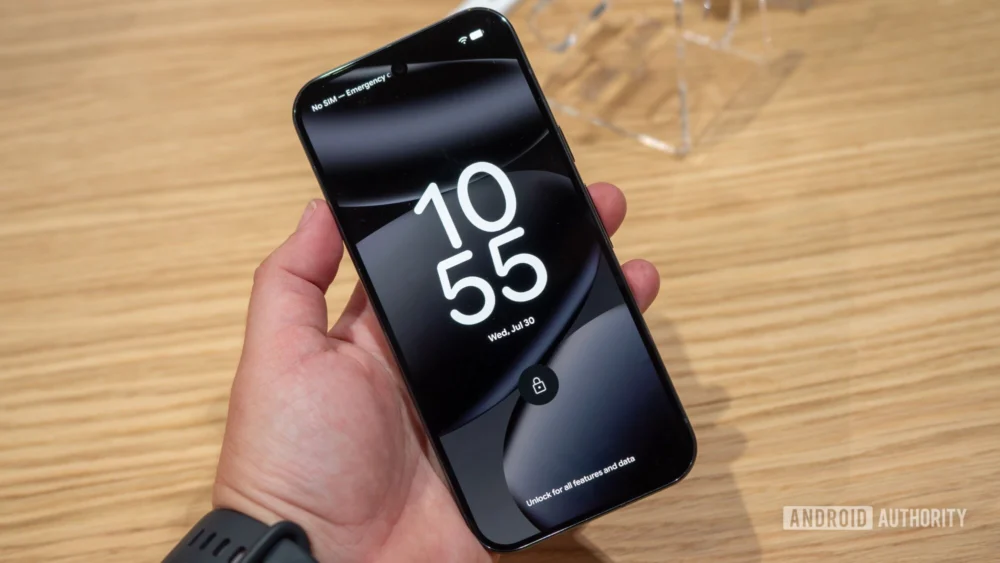
The landscape of mobile device security is a ceaseless arms race, pitting sophisticated adversaries against the digital fortresses built into our smartphones. For the Google Pixel line, security has long been a cornerstone of its brand identity, largely thanks to the integration of custom silicon dedicated solely to protection. Since the Pixel 6 series introduced the Titan M2, Google has maintained a consistent, robust hardware security baseline. However, emerging intelligence suggests that the forthcoming Pixel 11 generation, powered by the Tensor G6 chipset, is poised to receive its most significant security hardware evolution yet: the rumored Titan M3 security coprocessor. This transition marks not just an incremental update, but potentially a strategic pivot in how Google addresses increasingly complex threat models targeting high-end mobile ecosystems.
To fully appreciate the significance of the Titan M3, one must first understand the foundational role of its predecessor. The Titan M2, introduced in 2021, represented a major leap forward from the original Titan M. It functions as a dedicated, isolated secure element—a hardware root of trust—distinct from the main application processor (Tensor). Its primary responsibilities are multifaceted and critical to system integrity. It manages the secure boot process, ensuring that only cryptographically verified firmware loads onto the device, effectively stopping rootkits and persistent malware from embedding themselves at the operating system level before Android even initializes. Furthermore, the Titan M2 serves as the secure vault for sensitive user data, including biometric templates (like fingerprints and face scans) and cryptographic keys used for full-disk encryption. Google has famously claimed that the Titan M2 is hardened against sophisticated physical attacks, including laser fault injection (LFI), side-channel analysis techniques like electromagnetic analysis (EMA), and voltage glitching attacks designed to trick secure chips into revealing secrets.
The endurance of the Titan M2, spanning several generations of Tensor chips, indicates its successful design. Yet, the mobile threat landscape evolves rapidly. Nation-state actors and advanced persistent threat (APT) groups continuously refine their exploitation techniques, often focusing on zero-day vulnerabilities that could bypass software defenses. When software defenses are potentially compromised, the integrity of the underlying hardware becomes the final line of defense. The emergence of codenames like "Google Epic" (believed to be the Titan M3) paired with the Tensor G6 ("longjing" firmware reference) suggests Google is preparing to deploy a next-generation solution tailored for the threats anticipated in the coming years.
Decoding the Implications of a Hardware Iteration
While specific technical specifications for the Titan M3 remain proprietary and under wraps, the transition from M2 to M3 implies several critical areas of expected enhancement. Security coprocessors typically advance in three main vectors: processing capability, memory isolation, and resilience against emerging physical attack vectors.
Firstly, increased processing capability could translate into faster, more robust cryptographic operations and perhaps expanded machine learning security functions executed entirely within the secure enclave. Modern security protocols, such as post-quantum cryptography (PQC) readiness, demand significant computational overhead. If Google intends to future-proof the Pixel line against theoretical quantum computing threats that could undermine current public-key infrastructure, the Titan M3 might possess enhanced cryptographic acceleration capabilities.
Secondly, memory and isolation improvements are paramount. A major focus in modern hardware security is preventing side-channel leakage between the main SoC and the security coprocessor, even when both are functioning correctly. The M3 may incorporate more advanced memory protection units or utilize newer, more secure communication buses, reducing the attack surface exposed during data handoffs. This is crucial for protecting keys used in secure contexts like hardware-backed digital wallets or sensitive authentication processes managed by Google Play Services.
Thirdly, and perhaps most critically, the M3 must counter novel physical probing techniques. As chip fabrication shrinks and design complexity increases, new vulnerabilities related to timing, power consumption, or electromagnetic emissions become exploitable. Google’s assertion of M2’s resilience against LFI and EMA sets a high bar. The M3 will likely introduce countermeasures against techniques that exploit these vulnerabilities in newer semiconductor processes or architectures. This continuous hardening is essential for maintaining the "secure phone" reputation, especially as Pixels are often targets for researchers and malicious actors seeking to probe Google’s proprietary hardware security implementations.
Industry Context: The Custom Silicon Advantage
The move towards dedicated security hardware, exemplified by the Titan series, places Google at the vanguard of mobile device security, often ahead of competitors relying solely on standardized Trusted Execution Environments (TEEs) provided by general-purpose chip designers like Qualcomm or MediaTek. While most high-end Android devices utilize a variation of ARM TrustZone—a widely adopted TEE architecture—Google’s decision to develop its own vertically integrated security chip offers a significant differentiation point.
This strategy mirrors Apple’s established success with the Secure Enclave Processor (SEP). By controlling both the application processor (Tensor) and the dedicated security coprocessor (Titan M), Google can achieve deeper, more granular integration between software, firmware, and hardware security policies. This deep integration allows for tighter control over the entire boot chain and runtime environment, minimizing opportunities for complex, multi-stage exploits that often exploit the interfaces between different hardware components.
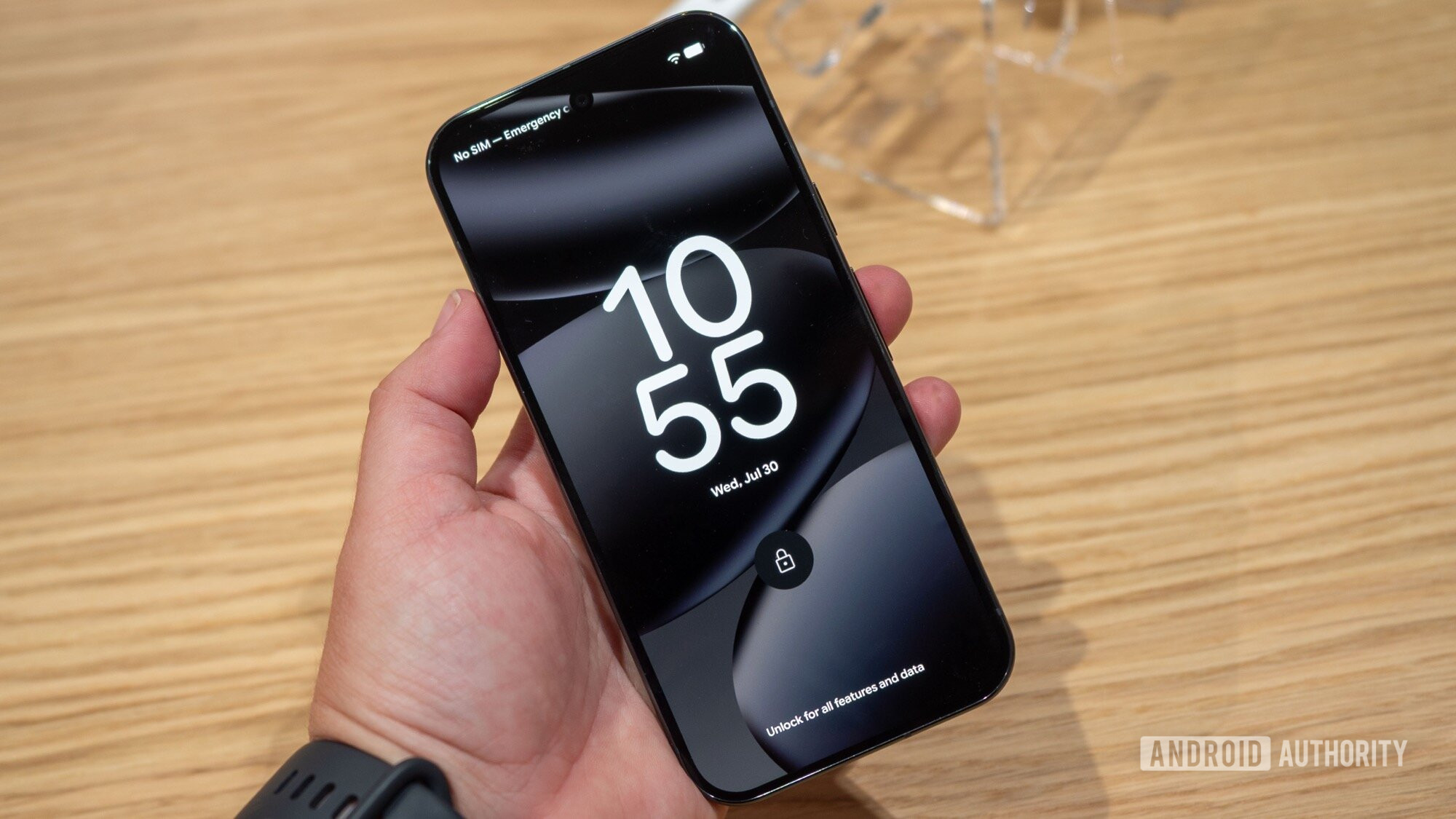
For the broader Android ecosystem, the Pixel’s advancements often serve as a blueprint. While the Titan M3 itself will be exclusive to Google’s hardware, the security principles, best practices, and hardening techniques demonstrated by its deployment will inevitably influence future designs from other chip manufacturers and OEM security teams. If the Titan M3 introduces groundbreaking protection against a specific class of attack, it will place pressure on the entire industry to incorporate similar mitigations, driving the overall security floor higher for all Android users.
The Ecosystem Impact: Beyond the Phone
The security enhancements in the Pixel 11 series, powered by the M3, will have ripple effects extending beyond personal device protection. Google is increasingly positioning the Pixel as the nexus for its expansive ecosystem, including Wear OS watches, Nest devices, and the nascent development of augmented reality (AR) hardware.
A stronger, more capable Titan M3 solidifies the Pixel’s role as the ultimate trusted anchor device. For instance, in emerging fields like passkey management or advanced biometric authentication across multiple devices, the phone must guarantee the integrity of the credentials it holds. If the M3 offers superior protection for cryptographic material, it enhances the trustworthiness of features like Android’s native password management, which is rapidly moving toward a passkey-centric model to replace traditional passwords. A breach of the security coprocessor could potentially compromise all digital identities linked to that device.
Furthermore, Google’s commitment to long-term software support (now extending significantly beyond historical norms) is only truly effective if the underlying hardware remains secure throughout that lifecycle. An improved Titan M3 provides a more durable foundation, ensuring that security patches applied years down the line are not undermined by fundamental hardware weaknesses that were unaddressed at launch. This longevity is a key selling point for premium devices, and advanced security hardware is critical to supporting that commitment.
Expert Analysis: The Evolution of the Secure Enclave
From a hardware security perspective, the introduction of a new security chip often signals a shift in threat modeling philosophy. The Titan M2 was designed heavily around post-boot integrity and mitigating physical tampering during the device’s operational life. The Titan M3, given the rapid evolution of firmware-level exploitation, might place a greater emphasis on runtime attestation and hardware-enforced memory separation during active use, rather than just boot time.
One potential area of focus could be enhanced support for confidential computing environments. While this technology is still maturing on mobile platforms, the concept involves processing sensitive data—such as personal health information analyzed by an on-device AI model—in an encrypted state even while the CPU is actively working on it. The Titan M3 could be designed to interface more seamlessly with the Tensor G6 to create these protected execution environments, ensuring that even if the main OS kernel is partially compromised, the data being processed remains inaccessible to the attacker.
Another significant trend is the integration of security verification across complex peripherals. Modern smartphones rely on dozens of connected components—cameras, displays, modems, and UWB chips—each running its own firmware. The M3 may be tasked with validating the integrity of these peripheral firmwares in real-time, moving beyond simple root-of-trust checks to continuous monitoring of the entire hardware stack. This proactive validation contrasts sharply with older models where security often focused only on the main boot sequence.
Anticipating the Next Iteration
While the hardware upgrade is exciting, its true impact will be realized only through software implementation. Google will need to leverage the new capabilities of the M3 aggressively within the next versions of Android to showcase tangible user benefits. This might manifest as faster biometric authentication, more resilient anti-theft measures, or perhaps entirely new security features integrated directly into the operating system layer that rely on the M3’s specialized processing power.
The adoption cycle for new custom silicon is always measured. The Pixel 10 series established the groundwork for the Tensor G5 generation, focusing perhaps on refining the core AI and efficiency. The shift to the Tensor G6, coupled with the Titan M3, strongly signals Google’s intent to prioritize security differentiation as a key competitive lever leading into the next generation of flagship devices. In a market saturated with powerful processors, demonstrating superior, verifiable security becomes a powerful differentiator for consumers increasingly concerned about data privacy and persistent threats. The transition to Titan M3 is therefore more than just a component swap; it is a declaration of Google’s sustained commitment to hardware-enforced trust in the mobile domain.