

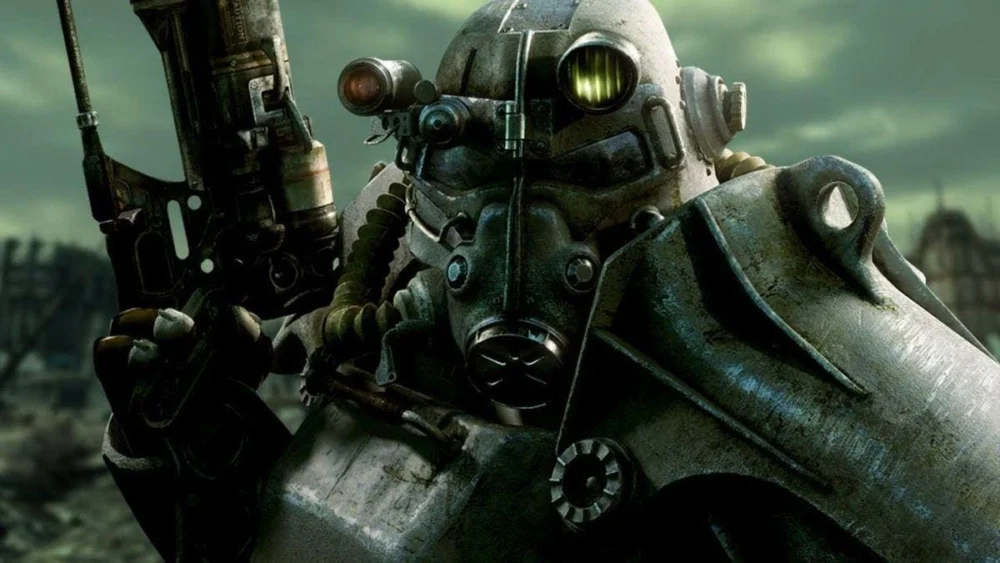
The credits have rolled on the second season of Amazon’s Fallout series, leaving audiences with a familiar mix of narrative satisfaction and interactive frustration. While the show has been hailed as a masterclass in transmedia storytelling, bridging the gap between prestige television and the idiosyncratic lore of the Wasteland, it has once again highlighted a growing chasm in the gaming industry: the disconnect between a franchise’s cultural peak and its software availability. Despite a tidal wave of fan expectation, internet sleuthing, and speculative fervor, the conclusion of the season did not coincide with the release or announcement of a Fallout 3 remaster, a New Vegas revival, or any other significant gaming project. This silence from Bethesda Game Studios and Microsoft Gaming marks a curious missed opportunity in an era where synergy is supposedly the ultimate corporate goal.
To understand why the absence of a Fallout 3 remaster is so keenly felt, one must first look at the unique "clue-hunting" culture that now surrounds major entertainment properties. In the weeks leading up to the Season 2 finale, the gaming community convinced itself that a "shadow drop"—a surprise release without prior marketing—was imminent. The evidence, though circumstantial, felt compelling to those desperate for a modern way to engage with the series. For instance, a commercial featuring actor Aaron Moten (who plays Maximus) utilized a dialogue box specifically designed in the distinct style of the Fallout 3 user interface. To the casual observer, this was mere aesthetic flavor; to the veteran fan, it was a hint that high-definition assets for the 2008 classic were being polished for a modern re-release.
This fervor was further stoked by a mysterious countdown on a promotional website, which many hoped would culminate in a trailer or a "buy it now" button following the finale’s broadcast. When digital forensic experts and hackers eventually bypassed the site’s encryption, they discovered the "secret" was far more modest: an interactive 3D tour of the Andrew House penthouse, a location featured in the show. While a neat piece of marketing for the television series, it served as a cold shower for those expecting a playable product.
The involvement of Virtuos Games also became a focal point for speculation. The studio, which has built a reputation as a premiere partner for high-level ports and remasters, recently shared insights into their work on the environmental art and landscapes for the Fallout show. However, fans were quick to link this to the studio’s rumored involvement in a remake of The Elder Scrolls IV: Oblivion. The logic followed that if Virtuos was already collaborating with Bethesda on television assets and a fantasy remaster, a Fallout 3 project was the logical next step. Yet, as the final episode of Season 2 ended, the Microsoft Store and Steam pages remained unchanged, proving that the dots fans were connecting did not form a coherent picture.
The current state of the Fallout franchise presents a fascinating case study in the logistical nightmares of modern AAA game development. Under the leadership of Todd Howard, Bethesda Game Studios (BGS) has maintained a "one project at a time" philosophy that, while successful in producing massive hits, has resulted in increasingly long gaps between releases. The studio’s timeline is currently dominated by the ongoing support for Fallout 76, the post-launch expansion of the space-faring RPG Starfield, and the monumental undertaking that is The Elder Scrolls VI. With The Elder Scrolls VI still years away from completion, the prospect of Fallout 5 feels like a distant dream, likely pushed into the 2030s.
This creates a "synergy gap" that is almost unprecedented in the industry. Typically, when a media giant like Amazon invests hundreds of millions of dollars into a television adaptation, the goal is to drive the audience back to the source material. While the Fallout show has successfully boosted the player counts of Fallout 4 and Fallout 76 to record levels, those games are nearly a decade old (or older). The absence of a "New" experience—even a remastered one—means that Microsoft and Bethesda are failing to fully monetize the massive influx of new fans who are discovering the Wasteland for the first time through their television screens.

Industry analysts often point to Sony’s handling of The Last of Us as the gold standard for this type of cross-media coordination. When the HBO adaptation of Naughty Dog’s masterpiece was set to debut, Sony ensured that a ground-up remake (The Last of Us Part I) was available for the PlayStation 5, followed closely by a PC port. This allowed the "halo effect" of the television show to translate directly into high-margin software sales. In contrast, the Fallout franchise is currently relying on a "next-gen update" for Fallout 4 that was met with mixed reviews due to technical glitches and a lack of substantial new content.
The desire for a Fallout 3 or New Vegas remaster is not merely rooted in nostalgia; it is a matter of preservation and accessibility. Fallout 3, while a landmark title, struggles to run on modern PC hardware without significant modding, and its console versions are locked behind the limitations of older hardware or the resolution upscaling of Xbox’s backward compatibility program. A full remaster would not only stabilize the game for a new generation but would also allow Bethesda to implement the quality-of-life improvements found in later entries, such as refined shooting mechanics and a more robust crafting system.
Furthermore, the internal Bethesda documentation that leaked during the FTC v. Microsoft legal battle years ago did indeed mention a Fallout 3 remaster. This confirms that the project was, at one point, on a roadmap. However, in the volatile world of game development, roadmaps are often rewritten. Projects are shelved, teams are reassigned to "all hands on deck" situations (as likely happened with the troubled launch of Starfield), and what was once a priority can easily fall by the wayside. The silence following the Season 2 finale suggests that if a remaster is still in the works, it is far from ready for public consumption.
Looking toward the future, the "Fallout Shelter" game show announced for Amazon Prime Video serves as a placeholder, a way to keep the IP in the public consciousness without the multi-year development cycle of a core RPG. While entertaining, it is a far cry from the deep, immersive role-playing experience that fans crave. The industry is currently trending toward "remaster culture" as a way to fill the gaps between massive releases, and Fallout is perhaps the most glaring candidate for this treatment.
As we move toward a potential Season 3, the pressure on Microsoft to deliver something tangible on the software side will only increase. The acquisition of ZeniMax/Bethesda was a $7.5 billion investment intended to bolster the Xbox Game Pass library with consistent, high-quality content. While the television show is a massive win for the brand’s visibility, the ultimate metric for success in the gaming division is software engagement. If the next several years pass without a new Fallout title—be it a remaster, a spin-off, or a sequel—the "Fallout Fever" currently sweeping the globe may cool before the next game is ready to launch.
In conclusion, the Season 2 finale of Fallout was a creative triumph that solidified the show’s place as one of the best adaptations in history. However, it also served as a stark reminder of the sluggish pace of modern game production. Fans who spent weeks analyzing UI elements and countdown timers were left with nothing but a "solid finale" and the promise of more television content. The lesson here is one of tempered expectations: in the current landscape, the machinery of television moves much faster than the machinery of game development. Until Bethesda or Microsoft officially breaks their silence, the Fallout 3 remaster remains a ghost in the machine—a digital mirage in a very real desert. For now, the only way to experience the Capital Wasteland is to dust off the old discs, install the community patches, and wait for a future that seems to be moving at the speed of a Geiger counter in a lead-lined vault.