

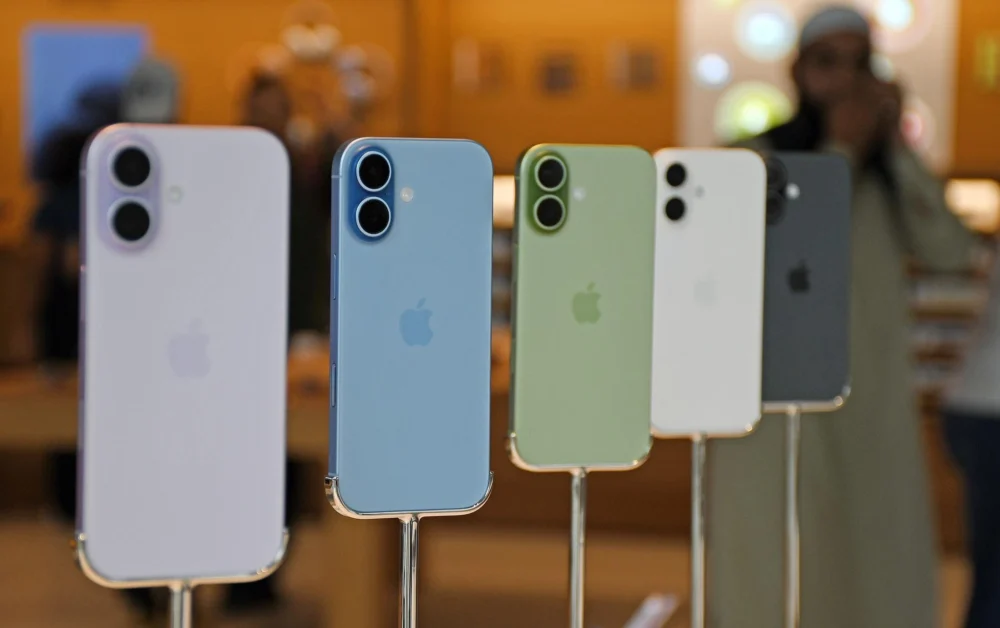
The annual rhythm of the consumer technology industry has, for more than a decade, been dictated by a singular event: the late-summer or early-autumn unveiling of the new iPhone. Since the debut of the iPhone 5 in 2012, Apple has maintained a remarkably consistent cadence, refreshing its entire flagship lineup every September with surgical precision. However, a growing body of industry intelligence suggests that this storied tradition is about to face its most significant disruption yet. Emerging reports indicate that while the high-end "Pro" models will continue their yearly march, the standard iPhone 18 will not make its debut in 2026. Instead, Apple appears to be preparing for a staggered release strategy that could see the base-model iPhone 18 delayed until the spring of 2027.
This shift represents a fundamental departure from the "all-at-once" philosophy that defined the Tim Cook era. If these reports hold true, the current iPhone 17 will find itself in a historically unique position, serving as the frontline standard model for approximately 18 months. To find a precedent for such a delay, one would have to look back to the transition between the iPhone 4 and the iPhone 4s, a gap that spanned 15 months and was largely attributed to the internal restructuring following the passing of Steve Jobs and the complexities of integrating Siri. The projected 18-month window for the iPhone 17 would be the longest any flagship iPhone has remained the "current" model without a direct successor in the history of the product line.
The Logic of the Split Release
The decision to decouple the standard iPhone from its "Pro" siblings is not an isolated tactical move; rather, it is the culmination of several converging pressures on Apple’s business model. First and foremost is the sheer density of the iPhone portfolio. In the early days, Apple sold one new phone a year. Today, the lineup is a sprawling ecosystem consisting of the standard model, the Plus (recently reimagined as the "Air"), the Pro, and the Pro Max, alongside the budget-friendly SE and "e" variants.
By the end of 2026, industry analysts suggest Apple could have as many as eight distinct iPhone models on store shelves simultaneously. Launching four or five new devices in a single window risks cannibalizing sales and diluting the marketing message for each individual product. By moving the standard iPhone 18 to a spring release—likely alongside a second-generation iPhone Air or a new iPhone 18e—Apple can maintain a "constant" news cycle throughout the year. This strategy ensures that the brand remains at the forefront of the cultural conversation during both the holiday shopping season and the critical mid-year graduation and "back-to-school" planning periods.
The 2-Nanometer Economic Hurdle
Beyond marketing logistics, the primary driver for this delay appears to be rooted in the complex economics of semiconductor manufacturing. Apple’s silicon partner, TSMC (Taiwan Semiconductor Manufacturing Company), is currently racing to perfect its 2-nanometer (2nm) process. This next-generation node promises significant leaps in power efficiency and processing density, but the initial costs of production are astronomical.
In previous years, Apple could justify the high cost of new silicon by spreading the expense across the tens of millions of units sold in the fall. However, as the price of cutting-edge nodes continues to climb, the margins on the standard iPhone—which typically starts at a lower price point than the Pro—are being squeezed. By delaying the base iPhone 18 by six months, Apple allows the manufacturing yields for 2nm chips to stabilize and the per-unit cost to drop. This "Pro-first" silicon strategy allows the most expensive phones to subsidize the development of the tech, which then trickles down to the standard models once it becomes more economically viable to produce at scale.
The Foldable Factor: A New Flagship Priority
Another critical component of the 2026 roadmap is the long-rumored arrival of the first foldable iPhone. For years, Apple has watched from the sidelines as Samsung, Google, and various Chinese manufacturers experimented with flexible displays. Reports now suggest that 2026 is the year Apple finally enters the fray.
If Apple intends to launch a foldable iPhone in the fall of 2026, it needs the undivided attention of the global tech press and the consumer base. A foldable iPhone would represent the most significant design shift in the company’s history since the iPhone X. In such a scenario, a standard, incremental iPhone 18 would likely be overshadowed and viewed as an afterthought. By clearing the deck and focusing the fall launch exclusively on the iPhone 18 Pro, iPhone 18 Pro Max, and the "iPhone Fold," Apple creates a tiered narrative: the fall is for the "future of the smartphone" and high-end professional tools, while the spring becomes the home for the refined, accessible, and high-volume standard models.

Design Evolution and Technical Ambitions
The delay of the iPhone 18 also grants Apple’s engineering teams more breathing room to implement ambitious design changes. One of the most persistent rumors regarding the 18-series involves the evolution of the Dynamic Island. Since its introduction on the iPhone 14 Pro, the pill-shaped cutout has been a polarizing but functional hallmark of the modern iPhone.
Industry insiders, including reputable analysts like Mark Gurman, suggest that Apple is working toward a "hole-punch" design that would see the Face ID sensors moved entirely beneath the display. This would leave only a tiny circular cutout for the front-facing camera, effectively fulfilling the dream of an "all-screen" device. However, perfecting under-display sensors without compromising the speed and security of Face ID is a monumental task. A spring 2027 release for the standard iPhone 18 might give Apple the extra time needed to ensure this technology is ready for prime time, rather than rushing a half-baked solution to meet a September deadline.
Furthermore, the standard iPhone 18 is rumored to feature a redesigned, more streamlined camera bump. As the Pro models lean into massive sensors and periscope lenses that require significant physical space, the standard model may pivot toward a more minimalist aesthetic, differentiating itself through sleekness and portability—a design philosophy expected to be shared with the "iPhone Air" line.
Market Risks and Consumer Sentiment
While the business logic behind a staggered release is sound, it is not without risk. The iPhone 17 has been widely lauded by reviewers as one of the most balanced devices Apple has produced in years. However, asking consumers to remain excited about that hardware for 18 months in an industry that moves at breakneck speed is a gamble.
Competitors like Samsung and Google typically refresh their flagship lines in the first quarter of the year. If Apple does not have a "new" standard iPhone to compete with the Galaxy S27 in early 2027, it could lose market share to users who are unwilling to wait another few months for the iPhone 18. There is also the risk of "buyer’s remorse" for those who purchase an iPhone 17 late in its lifecycle, only to see it superseded by a significantly more advanced iPhone 18 just a few months later.
However, Apple’s data likely suggests that the average upgrade cycle for a smartphone has extended well beyond the two-year mark. Most consumers are now keeping their devices for three to five years. For these users, the specific month of release is less important than the longevity and "future-proofing" of the device they eventually buy. An iPhone 18 released in early 2027 with a 2nm chip and a refined design may be more attractive to a long-term switcher than an iPhone 17 released in late 2025.
Conclusion: The End of the Annual Upgrade?
The potential delay of the iPhone 18 signals more than just a scheduling tweak; it suggests that the era of the "forced" annual upgrade for every model in the lineup may be coming to an end. As smartphones reach a plateau of "peak utility," where year-over-year improvements are increasingly marginal, Apple is shifting its focus toward a more sustainable and strategically diverse release calendar.
By spreading its launches across the year, Apple can manage its supply chain more effectively, reduce the immense pressure on its retail staff during the September rush, and ensure that each product in its expanding portfolio gets the marketing spotlight it deserves. If the standard iPhone 18 arrives in the spring of 2027, it won’t just be a late arrival—it will be the standard-bearer for a new, more calculated era of Apple’s hardware strategy. The "September Event" will remain a cornerstone of tech culture, but it may soon be just one of several chapters in Apple’s yearly story.