

As the mobile landscape enters the mid-2020s, the traditional silos that once defined the smartphone experience are beginning to dissolve, replaced by a new era of interoperability and shared standards. At the center of this shift is Apple’s upcoming software iteration, iOS 26.3. While incremental updates like the anticipated iOS 26.2.1 serve to patch immediate vulnerabilities and refine system stability, the move to version 26.3 represents a foundational pivot in how the iPhone interacts with the broader digital world. This update is not merely a collection of aesthetic tweaks or minor utility improvements; it is a calculated response to shifting global regulations, evolving consumer privacy demands, and the escalating arms race in mobile artificial intelligence.
The most significant development within the latest developer and public betas is the quiet but transformative expansion of Rich Communication Services (RCS). Specifically, Apple is laying the groundwork for RCS Universal Profile 3.0. For years, the "blue bubble versus green bubble" dichotomy was more than just a visual distinction; it was a symbol of a deep technological chasm. While iMessage offered end-to-end encryption (E2EE), high-resolution media sharing, and sophisticated interactive features, messages sent to Android users reverted to the antiquated SMS/MMS protocols. This left cross-platform communication vulnerable to interception and stripped of modern functionality.
With iOS 26.3, that paradigm is shifting toward a unified standard. The integration of RCS Universal Profile 3.0 is the catalyst for bringing E2EE to cross-platform messaging. By adopting this protocol, Apple is enabling a secure handshake between iOS and Android devices that ensures messages and attachments remain encrypted from the moment they are sent until they are decrypted by the recipient’s device. This move effectively neutralizes one of the most long-standing criticisms of the iPhone’s walled garden: that it compromised the security of its users when they communicated outside the ecosystem. In an era where data privacy is a primary consumer concern and a regulatory requirement, the implementation of E2EE for RCS is a strategic necessity.
Beyond the security architecture, the user experience of cross-platform messaging is set for a radical upgrade. The features that have long been exclusive to iMessage—and later adopted by over-the-top (OTT) apps like WhatsApp and Signal—are finally making their way to the native Messages app for RCS conversations. The beta reveals that iPhone users will soon be able to use Tapbacks, the quick-reaction symbols that have become a staple of modern digital etiquette, when communicating with Android users. Furthermore, the ability to edit sent messages and unsend them entirely—features that were once considered impossible for carrier-based messaging—are being integrated into the RCS framework within iOS 26.3.
This level of feature parity is significant because it reduces the friction of the "mixed" group chat. In-line replies, which allow users to respond to specific messages within a dense thread, will also be supported across platforms. For the hundreds of millions of iPhone users currently utilizing devices ranging from the legacy iPhone 11 to the cutting-edge iPhone 17, these changes represent the most substantial improvement to the native messaging experience in nearly a decade. It signals Apple’s recognition that the value of the iPhone is no longer tied to the exclusivity of its communication tools, but rather to the quality and security of those tools in a connected, multi-platform world.
However, the rollout of these RCS features is not entirely within Apple’s control. Unlike iMessage, which operates on Apple’s proprietary servers, RCS is a carrier-driven protocol. The latest betas indicate that while the software is ready, the activation of these features will depend on individual telecommunications providers. This introduces a layer of complexity to the rollout, as carriers across different regions must implement the necessary infrastructure to support Universal Profile 3.0. Apple is reportedly working closely with Google to ensure a consistent experience across the two dominant mobile operating systems, a rare instance of deep collaboration between the tech giants. This partnership is essential to prevent a fragmented experience where certain features work on one carrier but fail on another.

The collaborative spirit between Apple and Google extends beyond messaging protocols and into the realm of artificial intelligence. One of the most intriguing references found in the iOS 26.3 beta is the mention of "Gemini." This follows the landmark announcement that Apple would integrate Google’s Gemini AI models to bolster the iPhone’s on-device intelligence. While "Apple Intelligence" remains the core branding for the company’s AI efforts, the inclusion of Gemini suggests a hybrid approach. Apple appears to be using its own proprietary models for privacy-sensitive, on-device tasks while leveraging Google’s massive large language models (LLMs) for more complex, cloud-based queries and generative tasks.
This AI integration is poised to redefine the iPhone’s utility. In iOS 26.3, we see the early stages of this synergy, particularly in how the device handles data and context. The update includes a streamlined process for transferring data between iPhone and Android, a move that might seem counterintuitive for a company that wants to retain customers. However, in the eyes of regulators—particularly in the European Union—this move toward "data portability" is essential. By making it easier to move into and out of the ecosystem, Apple is addressing antitrust concerns while betting that its superior integration of AI and hardware will keep users from actually leaving.
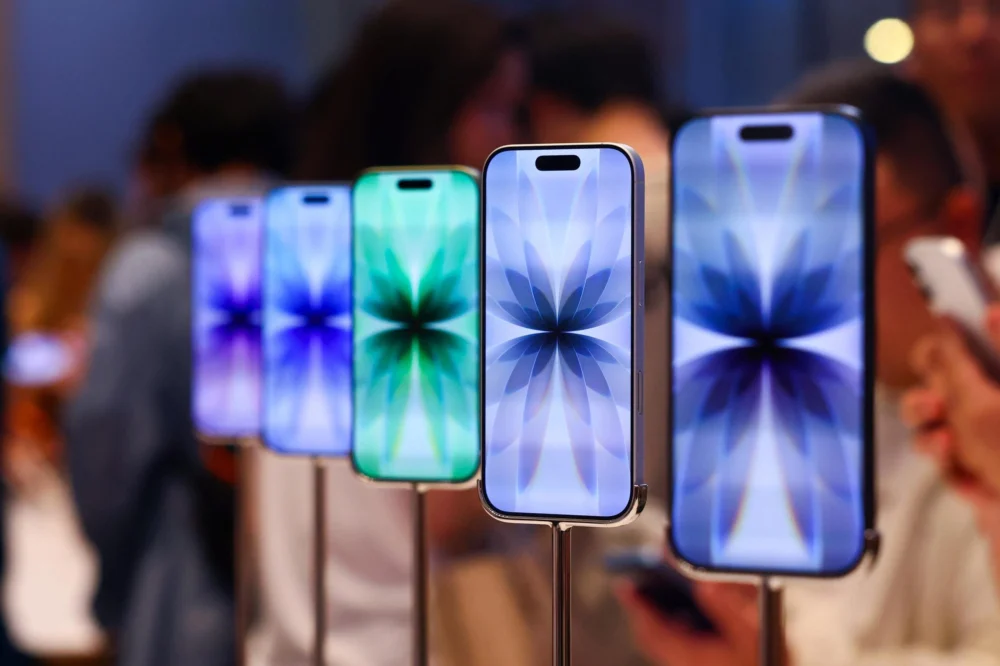
The European Union’s Digital Markets Act (DMA) continues to be a primary architect of iOS development. The 26.3 update contains several features exclusive to EU users, designed to comply with mandates regarding third-party app stores and alternative payment systems. While these features are geographically restricted, they often serve as a laboratory for features that eventually find their way to the global market. The "Wallpaper Gallery" update and other aesthetic refinements in this beta may seem minor by comparison, but they reflect a broader effort to modernize the UI to keep pace with the increasingly sophisticated capabilities of the iPhone 17’s ProMotion displays and advanced haptics.
From an industry perspective, the implications of iOS 26.3 are profound. By closing the gap between iMessage and RCS, Apple is directly challenging the dominance of third-party messaging apps. If the native Messages app can provide the same level of security, expressiveness, and cross-platform functionality as WhatsApp, many users may find less reason to rely on Meta’s ecosystem. This is a strategic play for "screen time" and user engagement. The more time a user spends within Apple’s native applications, the more valuable the ecosystem becomes, and the more data Apple can use (within its strict privacy frameworks) to refine its AI services.
The technical requirements for iOS 26.3 also highlight Apple’s impressive commitment to long-term hardware support. By ensuring that these advanced RCS and AI features are compatible with devices as old as the iPhone 11, Apple is maintaining a high "floor" for the user experience across its active install base. This prevents the fragmentation that has historically plagued the Android ecosystem and ensures that when a new standard like RCS 3.0 is introduced, it reaches a critical mass of users almost immediately. This scale is what gives Apple the leverage to dictate terms to carriers and partners alike.
As we look toward the final release of iOS 26.3, it is clear that we are witnessing a transition point. The iPhone is evolving from a device defined by what it won’t do with others to a device defined by how well it communicates with everything. The integration of end-to-end encrypted RCS, the partnership with Google on Gemini AI, and the continued adaptation to global regulatory standards all point to a more open, yet more secure, future.
For the end user, the benefits are tangible. The frustration of broken video links, unencrypted group chats with Android-using family members, and the inability to "undo" a typo in a cross-platform text are nearing their end. For the industry, iOS 26.3 is a signal that the era of the closed ecosystem is being replaced by the era of the "intelligent hub"—a device that prioritizes the user’s data and communication needs above all else, regardless of what hardware is on the other end of the conversation. While the beta phase is always a period of testing and potential retrenchment, the trajectory set by iOS 26.3 is unmistakable: the iPhone is getting smarter, more private, and finally, more neighborly.