

The annual release cycle of Google’s Pixel ‘a’ series has long represented a fascinating intersection of technological accessibility and brand ambition. These devices are typically lauded for democratizing the core Pixel experience—namely, computational photography prowess—at a mid-range price point. My personal affinity for the Pixel 9a, a device I transitioned to after years using a flagship handset, underscores the inherent value proposition of the ‘a’ line: premium functionality without the premium cost. Consequently, the arrival of the Pixel 10a generated considerable anticipation, fueled by the hope that it would deliver the necessary substantial leap to warrant an immediate generational swap. However, after a thorough initial assessment, the reality is that the Pixel 10a presents a compelling case for new buyers, yet offers virtually no compelling rationale for existing Pixel 9a owners to open their wallets.
This perceived stagnation in the face of minor refinements speaks volumes about the maturity of the mid-range segment and Google’s strategic positioning within it. For the dedicated Pixel 9a user, the incremental changes feel more like feature parity maintenance than genuine innovation. The core experience remains largely untouched, which forces a critical evaluation of the upgrade calculus: are marginal gains in brightness and charging speed worth the cost when the foundational hardware largely persists?
Deconstructing the Incremental Gains: What’s New Under the Hood and Beyond
To understand the reluctance to upgrade, one must first quantify the enhancements Google has introduced in the Pixel 10a. These updates, while technically improvements, often fall into the category of "quality of life" adjustments rather than paradigm shifts.
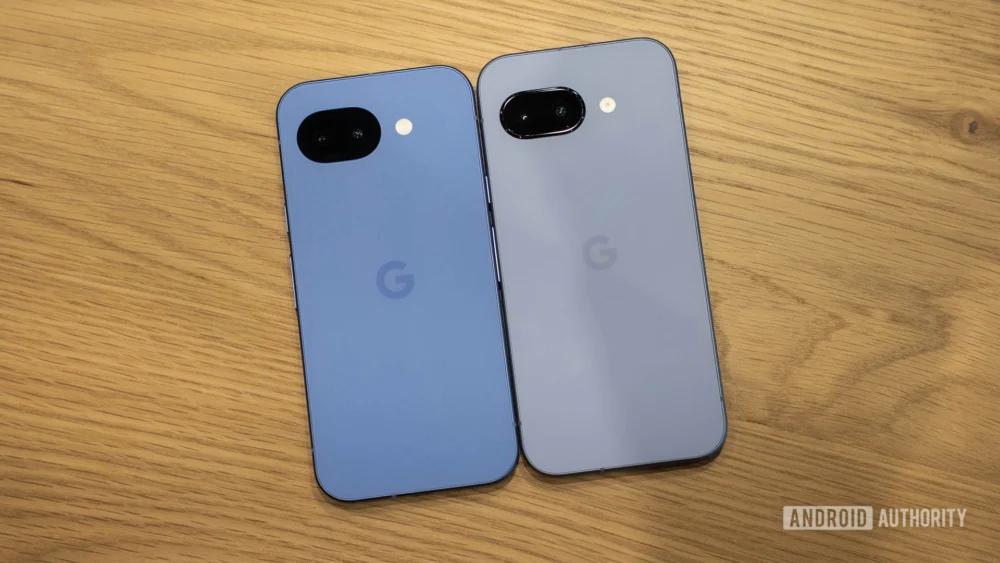
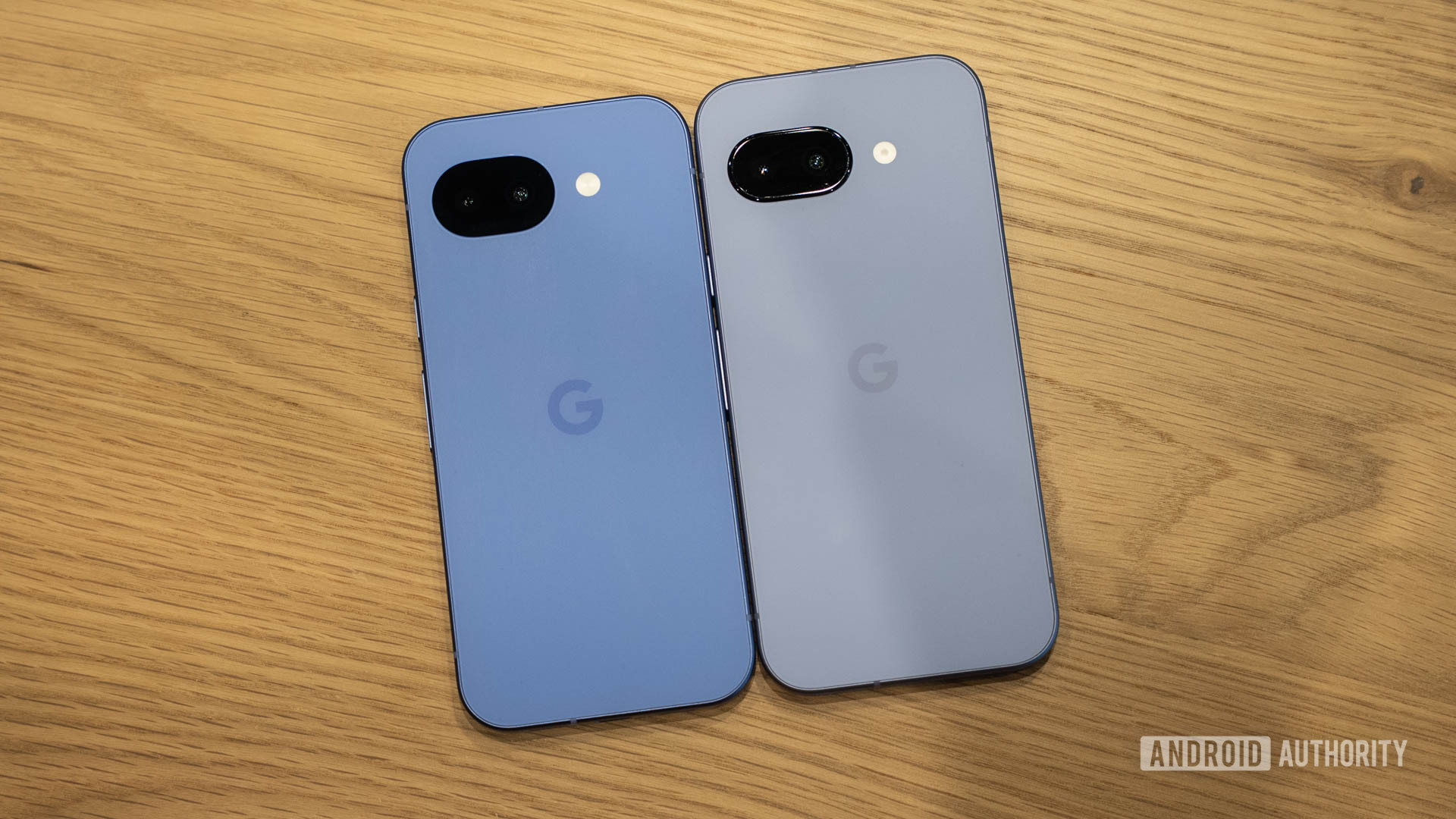
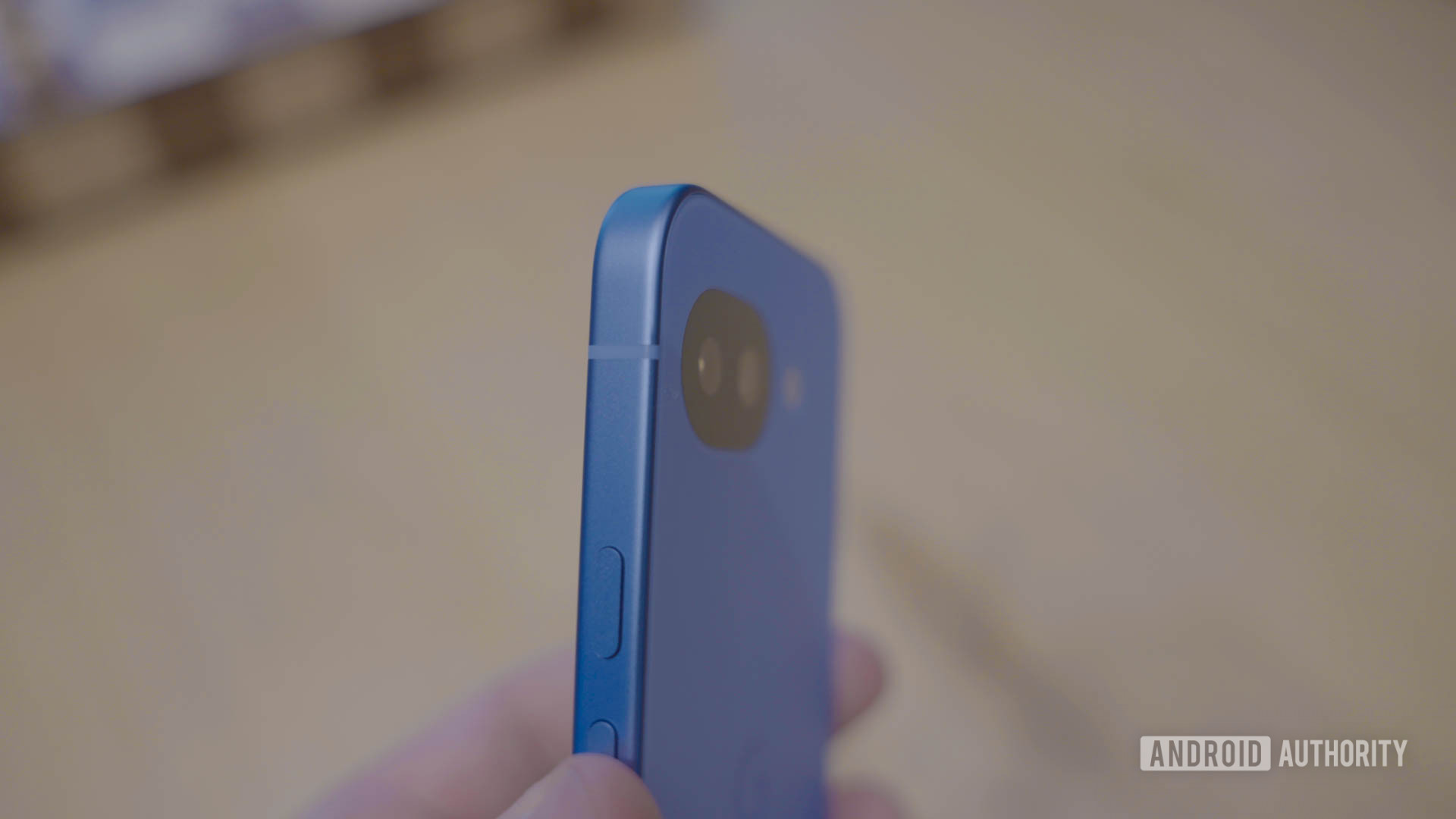
A significant, albeit aesthetic, change is the complete flattening of the rear chassis design. While the Pixel 9a managed to minimize the camera "visor" protrusion compared to its direct predecessor, the 10a achieves a truly flush integration of the camera module with the back panel. This eliminates the minor desk wobble endemic to many modern smartphone designs, offering a subtle but appreciated ergonomic benefit. Furthermore, the reduction in surrounding bezels, while maintaining the same 6.3-inch display footprint, results in a marginally smaller overall device dimension and a negligible weight reduction of approximately three grams. The introduction of new finishes—Lavender, Berry, and Fog, alongside the enduring Obsidian—provides a fresh aesthetic palette, which is often the most immediate differentiator for consumers.
The display sees a measurable boost in peak brightness, climbing from 2,700 nits on the 9a to a claimed 3,000 nits on the 10a. This enhances outdoor visibility, a crucial metric in modern smartphone usage. Complementing this is the adoption of Corning Gorilla Glass 7i, suggesting improved resistance to drops and scratches compared to the previous generation’s protection.
Perhaps the most tangible upgrade area is power management. Wired charging sees a respectable bump from 23W to 30W, and critically, wireless charging capability is enhanced to 10W from the previous 7.5W standard. While these figures still lag behind some competitors, they represent a meaningful reduction in downtime for the typical user. We await detailed teardown and usage analysis to confirm the real-world impact on charging curves and battery longevity, but on paper, this is a clear forward step.
The introduction of Satellite SOS connectivity marks a significant addition to the safety features portfolio, moving this crucial emergency communication tool from the flagship tier down to the A-series. In scenarios involving remote travel or emergencies where cellular or Wi-Fi infrastructure is unavailable, this feature transitions from a mere spec to a potentially life-saving utility.
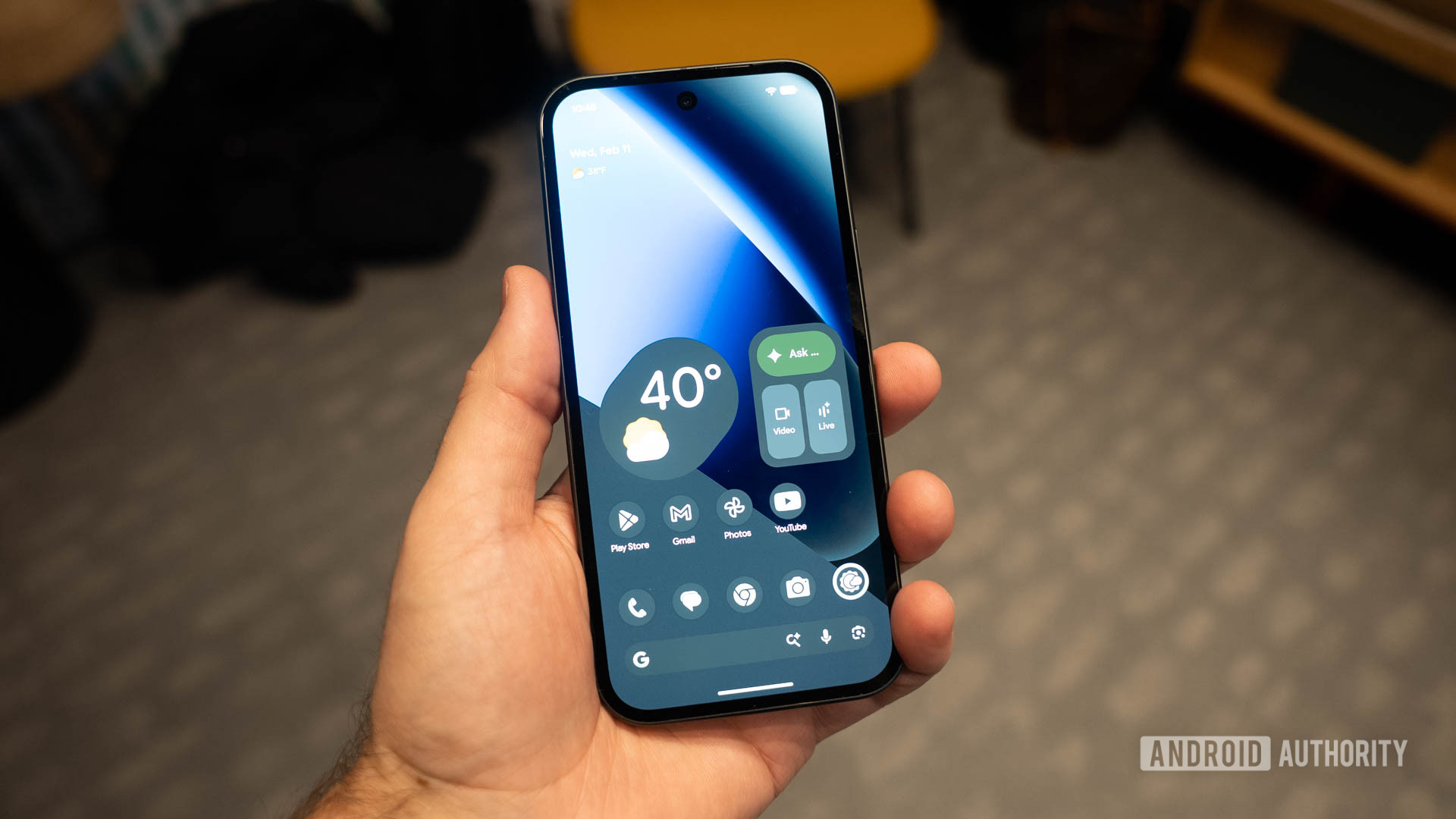
The software environment is another key area of enhancement. The Pixel 10a inherits a suite of cutting-edge Google AI features previously exclusive to the flagship line. This includes refinements like Auto Best Take, which intelligently composites the best facial expressions across a burst of photos, and Camera Coach, which provides real-time guidance for better composition and lighting. Furthermore, the integration of voice-prompted editing within Google Photos and the enhanced compatibility of Quick Share with Apple’s AirDrop ecosystem signal Google’s aggressive push for feature parity and cross-platform utility. The operating system baseline is also advanced, launching with Android 16 rather than the 9a’s expected launch with Android 15, securing an extra year of guaranteed major OS updates.
The Unmoved Center: Where Iteration Stalls the Upgrade Cycle
Despite these welcomed enhancements, the core components that define the day-to-day performance and longevity of a smartphone remain stubbornly unchanged, creating the central conflict for current Pixel 9a owners.
The most glaring point of stagnation is the chipset. The Pixel 10a is powered by the Tensor G4, the very same System-on-a-Chip found in its immediate predecessor. While the Tensor G4 is undeniably proficient, capable of handling demanding applications and powering Google’s advanced machine learning tasks, its reappearance signals a pause in the silicon evolution for the mid-range line. The expectation, especially following the release of the flagship Pixel 10 series utilizing the newer Tensor G5, was a generational leap in processing power, efficiency, or thermal management. The absence of the G5 in the 10a makes the device feel like a refined iteration of the 9a rather than a true successor.
Hardware specifications across the memory and camera arrays are mirror images. The 8GB of RAM configuration remains standard, with 128GB and 256GB storage tiers persisting. Crucially, the primary imaging hardware—the 48MP main sensor paired with a 13MP ultrawide, and a 13MP front-facing camera—is identical. While Google’s computational photography compensates significantly for aging sensor hardware, the lack of any sensor update means the foundational photographic ceiling is the same as last year’s model. The new AI software features are valuable additions, but they are being layered onto the same physical limitations.
Furthermore, several design choices that disappointed Pixel 9a users persist. The back panel retains its familiar plastic construction. For users hoping for the premium tactile feel of glass—a feature increasingly common even in the upper mid-range—the 10a offers no material upgrade. The battery capacity remains fixed at 5,100 mAh, meaning the efficiency gains from the G4 (if any exist over a highly optimized G3) are limited by the fixed cell size. Finally, the reliance on an optical in-display fingerprint sensor, rather than the faster ultrasonic technology found in premium competitors, remains an expected but noticeable trade-off in a modern device.
Industry Implications: The Strategy of Mid-Range Consolidation
The Pixel 10a’s conservative upgrade path is highly indicative of broader industry trends in the mid-range sector, particularly concerning Google’s product strategy.
The Slowing Pace of Chipset Innovation: The decision to reuse the Tensor G4 suggests that Google is content to leverage the G4’s capabilities—which are perfectly adequate for the target demographic—for a second year. This could imply that the significant leaps in the Tensor architecture (perhaps the G5 or G6) are being reserved primarily for the flagship tier, creating a wider, more pronounced gulf between the premium and accessible lines. For the consumer, this means the "flagship trickle-down" effect is occurring slower than anticipated.
The Value of Software Longevity: By maintaining the $500 starting price point and extending the software support commitment to seven years (matching the flagships), Google is placing an immense value on long-term software commitment over raw hardware performance. In an era of increasing sustainability awareness, promising seven years of security and OS updates is a powerful differentiator against competitors who often cap support at three or four years. This strategy targets users who prioritize device longevity and consistent software experience over bleeding-edge specifications.
The Mid-Range Plateau: The Pixel 10a exemplifies the current plateau in mid-range hardware evolution. Features like 120Hz OLED displays, capable multi-lens cameras, and robust battery life are now baseline expectations at this price tier. Manufacturers like Google are forced to look toward niche features (like Satellite SOS) or software intelligence (like the new AI tools) to justify a new release, rather than relying on generational leaps in processing power or display technology.
Future Impact and Expert Analysis: Who Should Upgrade?
From a purely analytical standpoint, the Pixel 10a is not a failure; it is a highly polished iteration of an already successful formula. It refines the ergonomics, boosts display visibility and charging speed, and significantly enhances the software feature set.
However, for the user upgrading from the Pixel 9a, the proposition is thin. The performance difference will be imperceptible in daily tasks like browsing, social media, or even moderate gaming. The retained camera hardware means the primary selling point of the Pixel line—its photography—is unchanged at the sensor level. The key question becomes: Is Satellite SOS worth $500 when the Pixel 9a is already available at a significant discount (reportedly 20% less)?
For the Pixel 9a Owner: Unless you anticipate a high-risk scenario where immediate, off-grid emergency communication is a genuine necessity, holding onto the 9a is the financially prudent decision. Its performance envelope is robust enough to comfortably carry the user for at least another year, absorbing the promised AI feature updates if Google pushes them downward.
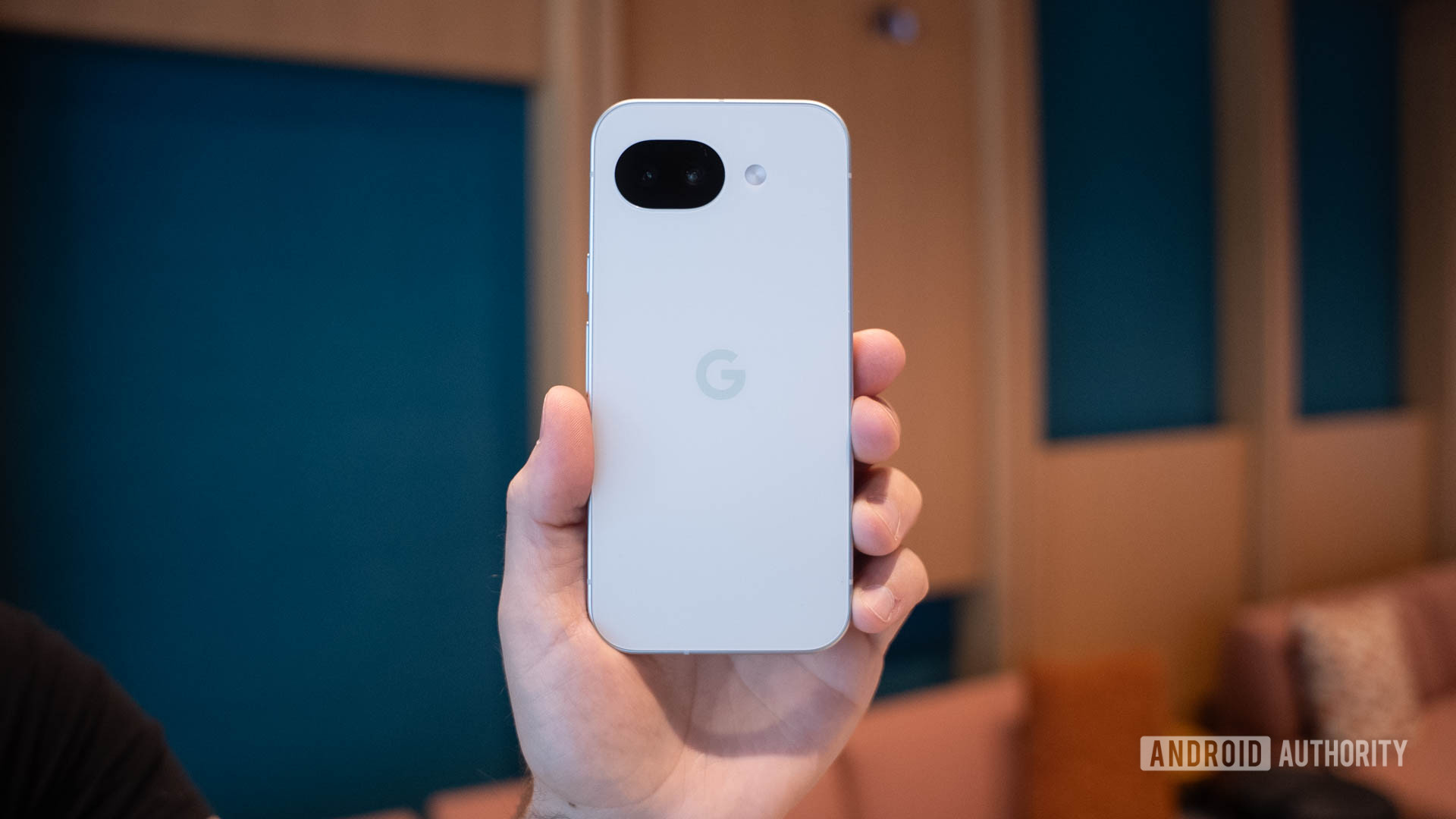
For the New Buyer: The Pixel 10a at $500 is a fiercely competitive device. It offers a best-in-class software support promise, flagship-derived AI features, and crucially, satellite connectivity. For consumers migrating from older, non-Pixel devices (even those two or three generations back), the jump in camera quality, software fluidity, and security commitment makes the 10a an outstanding proposition.
The industry trend suggests that mid-range upgrades are becoming less about what the phone can do, and more about how long it can reliably do it, and which smart features it possesses. The Pixel 10a leans heavily into the latter two categories. It is an excellent testament to the concept of iterative refinement, solidifying the value of the Pixel ‘a’ series as the default choice for value-conscious consumers who prioritize software ecosystem longevity and AI integration above raw silicon supremacy. For those already embedded in that ecosystem via the 9a, however, the lack of a Tensor G5 or a camera hardware refresh renders the upgrade path negligible, cementing the device as a product best suited for market entry, not generational iteration.