

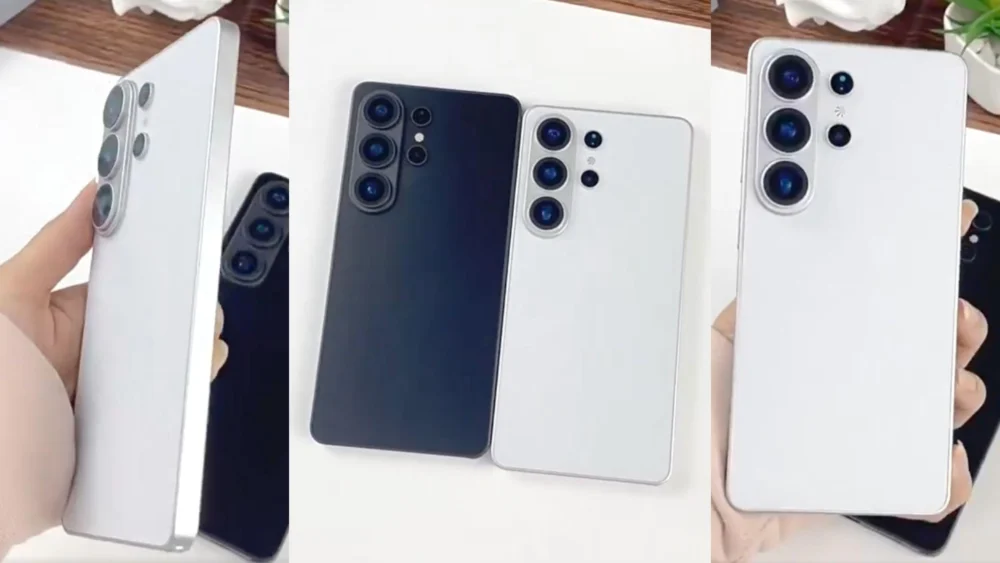
The smartphone industry operates on a cycle of perpetual anticipation, where the ink has barely dried on the reviews of current models before the spotlight shifts to the horizon. In the case of Samsung, the world’s leading Android manufacturer, the gaze of enthusiasts and industry analysts has already fixed firmly upon the Galaxy S26 series. While the official unveiling remains months away, a significant breach in the veil of corporate secrecy has provided an exhaustive look at what is expected to be the brand’s 2026 flagship. Recent leaks, centered around high-fidelity dummy units and hands-on video footage, suggest that Samsung is preparing to move away from the "floating lens" aesthetic that has defined its Ultra lineup for several generations, opting instead for a more structured, and perhaps controversial, camera architecture.
A Departure from Minimalist Tradition
Since the introduction of the Galaxy S22 Ultra, Samsung has championed a design language characterized by individual, protruding camera lenses that seem to emerge directly from the glass back of the device. This "waterdrop" or "contour-less" design was widely praised for its minimalism, setting the Ultra apart from the massive, rectangular islands favored by competitors like Apple and Google. However, according to the latest hands-on leaks provided by reputable industry insiders, the Galaxy S26 Ultra is poised to break this tradition.
The leaked dummy units reveal a design that incorporates a raised camera island, a move that signals a return to a more unified housing for the device’s primary optics. Specifically, the S26 Ultra appears to adopt a module reminiscent of the Galaxy Z Fold 7’s rumored layout. In this configuration, three of the primary sensors are vertically aligned within a single, elevated rectangular block. Interestingly, the fourth sensor—likely the periscope telephoto lens—and the LED flash remain separate, protruding independently from the rear panel. This "split-island" approach creates a tiered visual effect that is a stark departure from the uniform simplicity of the S25 Ultra.
From an engineering perspective, this shift often suggests a need to accommodate larger sensors or more complex internal optics. As mobile photography pushes the boundaries of physical space, the depth required for high-performance glass elements often necessitates a thicker housing. By grouping the lenses into an island, Samsung may be attempting to manage the "wobble" factor on flat surfaces while providing more internal clearance for the sophisticated stabilization systems required for 200-megapixel sensors and high-magnitude optical zooms.
Ergonomic Refinement and the "Soft" Flat Edge
One of the most persistent criticisms of the Galaxy Ultra series has been its ergonomics. While the shift to a titanium frame and flat display in recent years was welcomed for durability and screen utility, the "sharpness" of the corners often led to discomfort during prolonged use. The Galaxy S25 Ultra made strides in reducing weight, coming in at a remarkable 218 grams, but its boxy silhouette remained polarizing.
The Galaxy S26 Ultra leaks suggest that Samsung’s industrial designers have prioritized hand-feel for the upcoming generation. While the device maintains the flat-sided aesthetic that has become the industry standard for "pro" devices, the corners appear significantly more rounded. This subtle adjustment—often referred to as a "squircle" design—aims to provide the screen real estate of a flat panel while ensuring the corners do not dig into the user’s palm. The dummy units showcase a frame that seamlessly transitions from the flat side-rails to the curved corners, suggesting a more cohesive and comfortable grip. This refinement is critical as Samsung continues to compete with the iPhone’s increasingly rounded "Pro" iterations.
Silicon and Sustained Performance: The Snapdragon-Exynos Divide
Under the hood, the Galaxy S26 series is expected to be a showcase for the next frontier of mobile processing. Industry consensus points toward the implementation of the Qualcomm Snapdragon 8 Elite Gen 5 (alternatively referred to in some circles as the Snapdragon 8 Gen 5). This chipset is rumored to be built on an advanced 2-nanometer or enhanced 3-nanometer process, promising not just incremental gains in clock speed, but transformative improvements in thermal efficiency and NPU (Neural Processing Unit) performance.
The NPU performance will be the cornerstone of Samsung’s "Galaxy AI" strategy. As the company moves toward more on-device generative AI features—such as real-time video manipulation and advanced contextual awareness—the hardware must be capable of handling massive computational loads without throttling or excessive battery drain.

However, the perennial question of regional chipset parity remains. Rumors persist that Samsung is refining its in-house Exynos 2600 chipset. Depending on the success of Samsung Foundry’s latest yields, global markets may once again see a split between Snapdragon and Exynos variants. Historically, this has been a point of contention for power users, but if the Exynos 2600 can match the Snapdragon 8 Elite Gen 5 in efficiency, it would represent a significant victory for Samsung’s vertical integration goals.
Display Innovation: Introducing "Flex Magic Pixel"
Perhaps the most intriguing technical detail to emerge from recent reports is the mention of "Flex Magic Pixel" technology. While Samsung has yet to define this term officially, industry analysts speculate that it refers to a new generation of OLED panel architecture. This could involve a variable sub-pixel arrangement that optimizes for different types of content—sharpening text for reading while prioritizing color accuracy and refresh rates for gaming and media consumption.
Furthermore, "Flex Magic Pixel" might address one of the few remaining weaknesses of OLED technology: outdoor legibility and power consumption at high brightness. By utilizing new organic materials or a more efficient backplane technology, Samsung could push peak brightness levels beyond the current 2,600-nit standard while simultaneously reducing the battery tax associated with such luminances. This display tech, combined with the rumored 60W wired charging—a significant jump from the long-standing 45W limit—suggests that the S26 Ultra is being positioned as a "no-compromise" productivity powerhouse.
The Strategic Shift in Launch Timing
The leaks also point to a shift in Samsung’s traditional release calendar. While the Galaxy S-series has typically debuted in January to gain a head start on the year’s flagship race, the S26 series is tipped for a February 2026 launch. This one-month delay could be a calculated move for several reasons.
First, it allows Samsung to distance itself from the post-holiday slump and the noise of the Consumer Electronics Show (CES). Second, a February launch places the device in close proximity to Mobile World Congress (MWC) in Barcelona, providing a massive global stage for marketing the device’s AI capabilities. Perhaps most importantly, the extra month may be necessary to finalize the integration of "Galaxy AI 3.0," ensuring that the software experience is as polished as the hardware. In an era where software features often overshadow hardware specs, Samsung cannot afford a "buggy" launch for its most important product.
Industry Implications and the Competitive Landscape
The redesign of the S26 Ultra’s camera module and the refinement of its chassis reflect a broader trend in the smartphone industry: the maturation of the slab-style flagship. With foldables like the Galaxy Z Fold and Z Flip catering to the "innovative" segment, the S-series must double down on its role as the ultimate tool for photography, videography, and professional use.
By adopting a design language that mirrors the Z Fold 7, Samsung is creating a more unified brand identity across its premium tiers. This synergy suggests that the "Ultra" is no longer just a phone with a stylus; it is a specialized imaging device that happens to be a smartphone. As Apple prepares its own "iPhone 17 Slim" or "Air" models and Google continues to refine the AI-centric Pixel line, Samsung’s focus on raw power, charging speed, and display technology remains its primary differentiator.
The Galaxy S26 Ultra represents a pivotal moment for Samsung. It is a device that seeks to balance the bold aesthetic shifts required to stay "fresh" with the ergonomic refinements required for daily usability. While the massive camera island may polarize the fanbase, it serves as a physical testament to the company’s commitment to leading the mobile photography race. As we move closer to the projected February 2026 reveal, these leaks provide a compelling roadmap for a device that aims to reclaim the title of the world’s most versatile smartphone.