

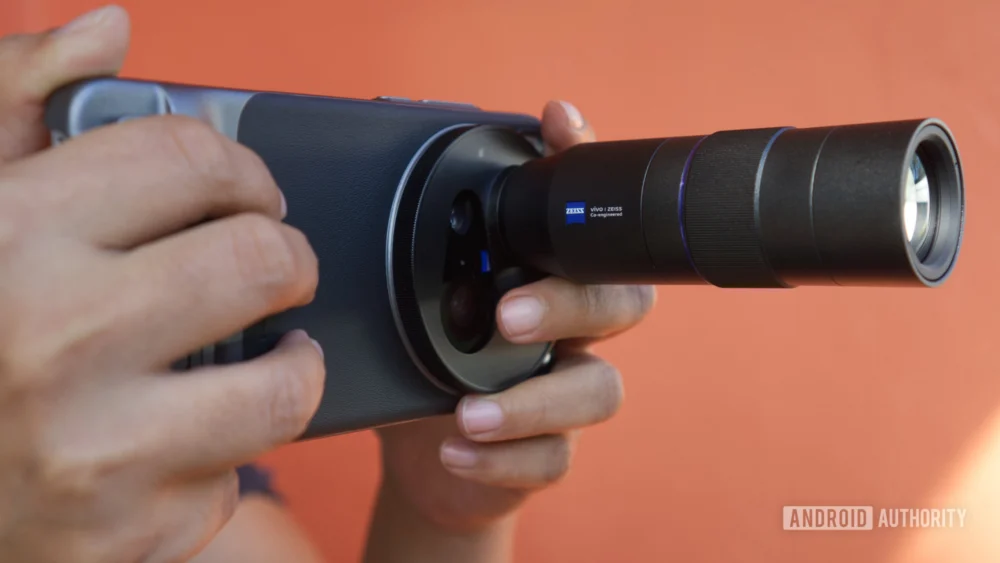
The transition from dedicated cameras to integrated smartphone imaging has been a relentless march toward convenience and computational superiority. For years, enthusiasts accepted the limitations of fixed optical zoom, relying on increasingly sophisticated periscope systems and image stacking to bridge the gap between pocketable devices and bulkier DSLRs. I recall packing my aging Nikon setup for any significant trip—the reassuring heft of the body, the versatility of a mid-range zoom lens—and simultaneously dreading the necessary space it consumed in my carry-on. That feeling of necessary compromise is finally beginning to dissolve, thanks to a burgeoning, somewhat audacious, trend originating primarily from Asian manufacturers: the adoption of high-quality, external telephoto extenders designed to interface seamlessly with flagship camera phones.
This isn’t merely a niche accessory; it represents a profound philosophical pivot in mobile hardware design, suggesting that the "all-in-one" philosophy might be yielding to a modular approach for specialized tasks. After several months utilizing devices like the vivo X200 Ultra, which pioneered this current iteration of external optics, it has become evident that this trend is not just a fleeting gimmick but the most consequential evolution in smartphone photography we are likely to see before 2027.
Deconstructing the Modular Telephoto Revolution
For those unfamiliar with the terminology, a telephoto extender, or teleconverter, is an optical attachment that effectively multiplies the focal length of the primary lens system it is mated to. In the context of modern smartphones, these accessories magnetically or mechanically affix themselves over the existing periscope module, leveraging the phone’s primary high-resolution sensor (often 100MP or 200MP) to capture light through the extended optical path. Crucially, this provides true optical magnification, circumventing the inherent limitations of digital cropping and computational interpolation that plague standard digital zoom past a certain threshold.
The seeds of this concept were sown years ago, most notably with devices like the 2014 Samsung Galaxy K Zoom. That device featured a radical, albeit cumbersome, retractable optical zoom. While endearing in its ambition, the hardware was technologically constrained, resulting in a device that was physically awkward and optically underwhelming by today’s standards.
Fast forward to the mid-2020s. Sensor technology has matured exponentially. Flagship Android devices now boast large, high-megapixel sensors capable of rendering incredible detail, even when tasked with handling light channeled through an additional layer of precision-ground glass. Vivo catalyzed this shift with the introduction of the X200 Ultra, featuring a purpose-built mechanism to couple an external teleconverter to its advanced periscope setup, delivering a native 200mm equivalent focal length. This wasn’t just an aftermarket clip-on; it was a deeply integrated hardware proposition.
The market quickly followed suit. OPPO’s Find X9 Pro introduced its own highly capable attachable lens system late last year, focusing on reaching even greater focal lengths, perhaps aiming toward a 300mm or 400mm native reach. Vivo has since iterated with the X300 Pro, further refining the connection and optical quality. The buzz is palpable, extending even to whispers of potential accessory development for high-end iPhone models, suggesting that if market leaders like Apple begin to consider external optics, the trend gains immediate mainstream validation.
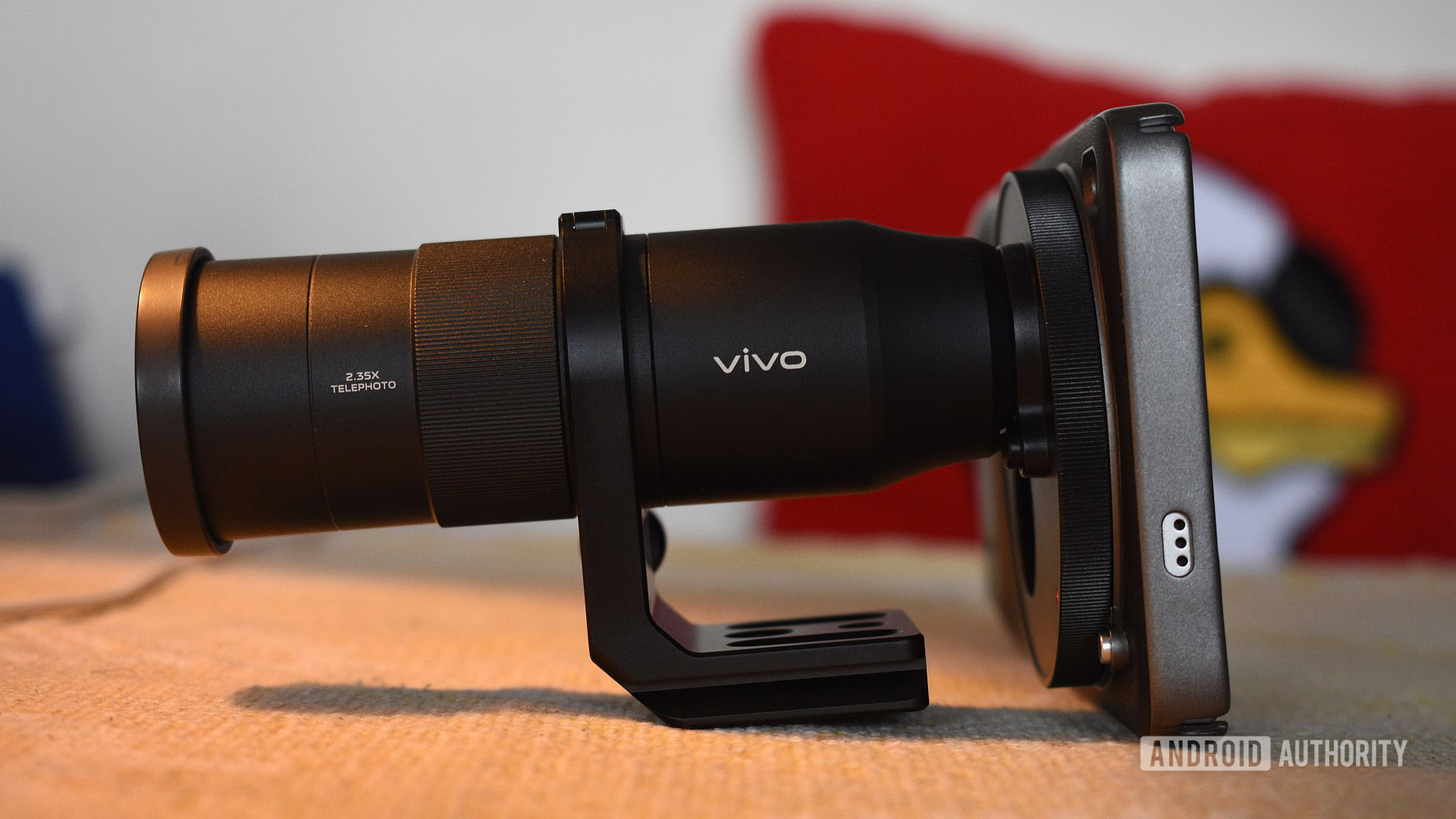
This is not simply about achieving higher numbers on a zoom scale; it’s about fundamentally changing the quality of long-range mobile photography.
The Tangible Impact: Reclaiming Distance with Clarity
The practical application of this technology transforms the smartphone from a capable general-purpose camera into a genuine photographic tool for specialized scenarios. During a recent retreat to a rural, high-altitude location, I deliberately left my traditional DSLR kit behind, committing entirely to the vivo X200 Ultra with its attached extender. The objective was clear: capture details previously reserved for professional equipment.
The performance when targeting distant subjects was transformative. Photographing a common buzzard perched nearly 20 meters away yielded an image rich in texture and detail, entirely free of the smeary artifacts that excessive digital magnification invariably introduces. This ability to resolve fine features—the texture of feathers, the subtle contours of distant foliage—at native optical equivalents approaching 400mm is a genuine breakthrough for pocketable imaging.
Furthermore, this extended reach forces a necessary and welcome re-engagement with compositional discipline. When one possesses the ability to isolate subjects from extreme distances, the challenge shifts from can I reach it? to how do I frame it effectively? I found myself actively seeking out interplay between foreground elements and distant subjects, experimenting with compression effects that are naturally amplified at longer focal lengths. This renewed creative impetus is perhaps the most rewarding, yet least quantifiable, benefit. It revitalizes the photographic process beyond mere point-and-shoot automation.
The pragmatic advantages over traditional camera systems are equally compelling. My professional DSLR requires a dedicated bag, protection from environmental elements, and often a separate lens change process. The smartphone extender system, despite its added component, remains incredibly portable. The optical element is robustly engineered and, when not in use, can be safely stored. More importantly, the sensor, the heart of image capture, remains sealed within the phone body, inherently protected from the ingress of fine dust, sand, or moisture that constantly threatens the exposed sensors of interchangeable lens cameras.
The true superpower here lies in the integrated ecosystem. With the extender detached, the user instantaneously reverts to a full suite of smartphone cameras: the ultra-wide lens for expansive vistas, the standard lens for environmental portraits, and the main sensor for everyday shooting. This instantaneous versatility—shifting from 400mm telephoto to a 16mm equivalent ultra-wide in seconds, all accessible in a single device that fits comfortably in a trouser pocket—is a level of utility that conventional camera kits simply cannot match without significant logistical overhead.
Industry Analysis: The Modular Dilemma and Engineering Hurdles
While the user experience in the field can be exhilarating, a critical journalistic assessment reveals significant engineering friction points that manufacturers must resolve before this trend achieves universal adoption. The current solutions, while functional, expose the inherent compromises made when bolting specialized hardware onto a mass-market device chassis.
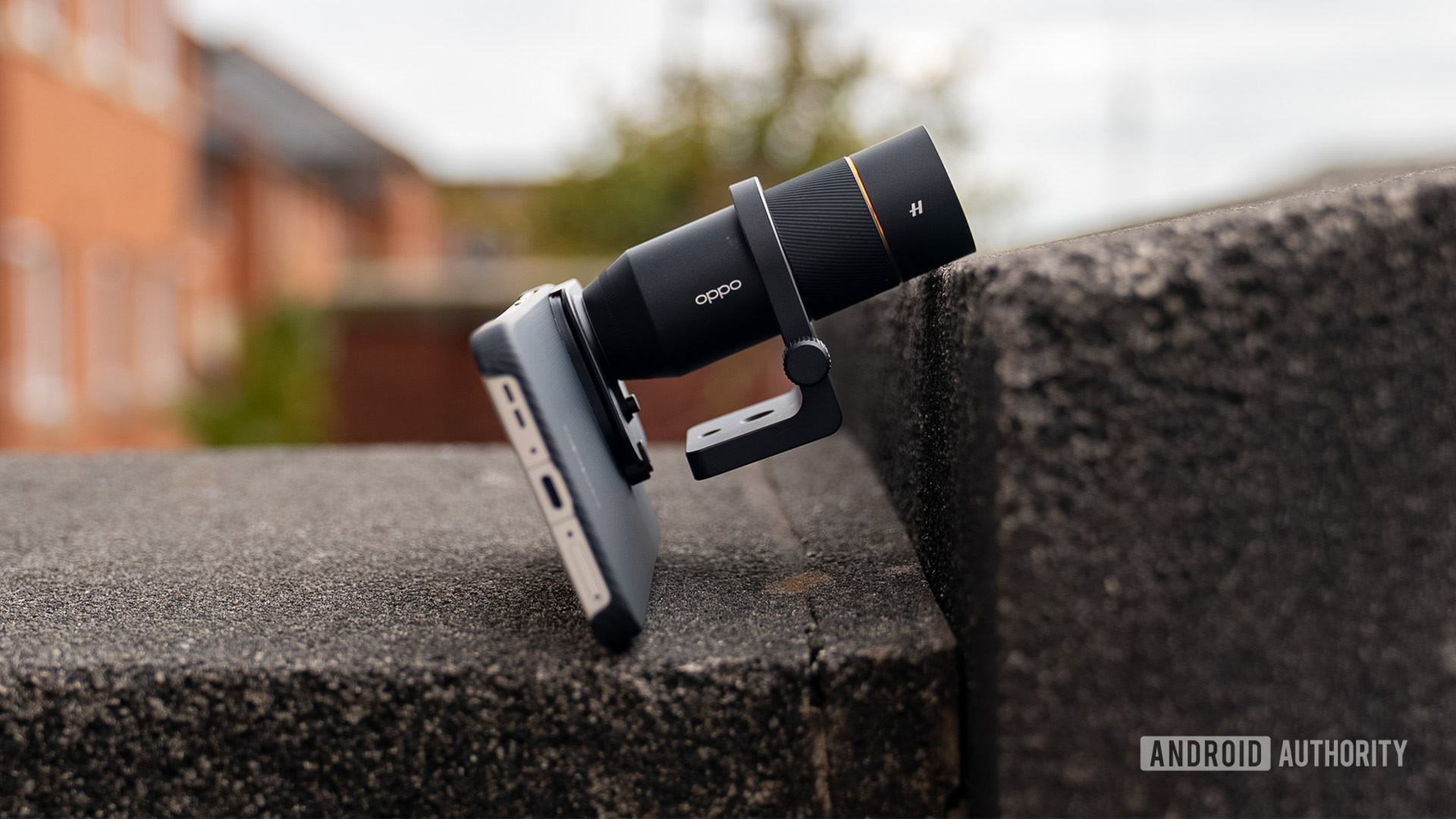
The most immediate technical challenge is physical stability and ergonomics. Attaching a relatively heavy, dense optical module to a smartphone—which is inherently designed for balanced, two-handed holding at wide angles—creates significant torque imbalance. At extreme magnifications (e.g., 300mm+), the slightest hand tremor is amplified, leading to image blur unless the user immediately resorts to stabilization aids. While accessory grips and magnetic tripod mounts are provided, these effectively mandate carrying extra equipment, slightly undermining the core promise of ultimate portability. The physics of balancing a long, heavy lens assembly on a slim phone body remains a primary obstacle to achieving true "one-handed" long-range stability.
The mounting mechanism itself presents a secondary, persistent issue. Current implementations, often relying on specialized protective cases to provide the necessary alignment and secure latching points, introduce complexity. The process of affixing the extender can be fiddly, requiring precision alignment, which is antithetical to capturing fleeting moments. Furthermore, any play or minute wobble in the connection, even if corrected by software post-capture, breeds user anxiety about the integrity of the expensive optical element resting atop the primary camera module. Future iterations must strive for a near-instantaneous, rock-solid connection, perhaps through embedded magnetic rings or a standardized, internal locking bay that doesn’t necessitate external case dependency.
Software calibration also requires refinement. While the optical element provides the base image, the proprietary processing pipelines accompanying these extenders often exhibit over-aggressive sharpening or noise reduction, resulting in an artificial "over-processed" look. Furthermore, the current generation of these accessories offers a sparse shooting experience—minimal manual controls, limited low-light utility due to the slow effective aperture of the extended light path, and a lack of dedicated metering or focusing modes tailored for the teleconverter.
The optical specifications themselves suggest room for immediate improvement. If the current benchmark is 200mm native reach, the next evolutionary step, as suggested by competitor activity, should firmly establish 400mm as the new minimum native optical standard for these accessories. Pushing the focal length further necessitates physics breakthroughs in miniaturizing the necessary lens elements without sacrificing light transmission or introducing prohibitive aberrations.
The Future Trajectory: Beyond the Accessory Slot
The modular telephoto extender is a crucial indicator of where smartphone innovation is headed in the absence of radical form-factor changes. With display technology plateauing in refinement and processing power becoming commoditized among flagships, camera hardware remains the primary battleground for differentiation.
The industry is currently engaged in a zero-sum game inside the phone chassis, trying to cram ever-longer optical paths into increasingly thin devices. External modularity represents an acknowledgment that, for extreme focal lengths, the internal space constraint is a hard limit. By externalizing the most demanding component—the long-throw telephoto lens—manufacturers can free up internal space for larger batteries, advanced cooling systems, or even entirely new sensor architectures for the main wide-angle lens.
For 2026 and beyond, we should anticipate three key developments stemming from this trend:
-
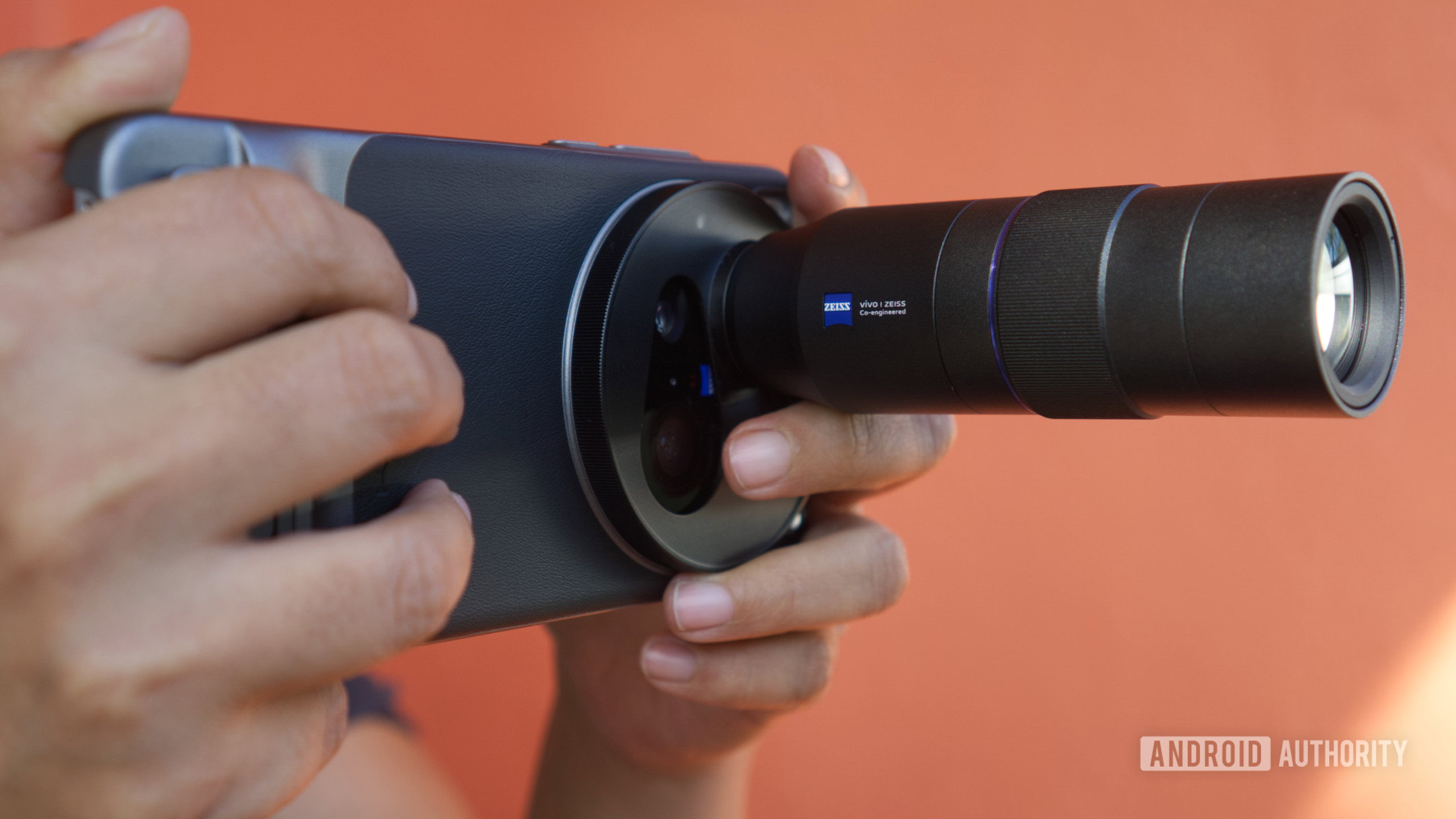
System Integration: The distinction between the phone and the lens will blur. Instead of being a distinct, heavy attachment, future systems might feature a semi-permanent, recessed bay that deploys the extender optically, similar to how internal periscopes currently operate, but with a larger external element that slides out or clicks into place with minimal user intervention. This integration would mitigate the bulk and mounting instability.
-
Standardization and Ecosystem Growth: If a major player like Apple formally endorses this concept, an ecosystem of third-party optical manufacturers—Leica, Zeiss, Sigma—will flood the market with high-end, specialized converters. This competition will drive down prices and rapidly accelerate quality improvements, pushing the optical performance closer to dedicated compact system cameras (CSCs).
-
The Price-to-Innovation Ratio: As the general cost of flagship mobile devices continues its upward trajectory, consumers are increasingly demanding demonstrable, meaningful innovation beyond iterative speed bumps. A modular optical system, offering DSLR-level reach with smartphone convenience, provides a clear, tangible value proposition. It justifies a premium price tag better than minor increases in RAM or marginal SoC clock speed improvements.
In conclusion, the external telephoto extender is far more than a quirky add-on for the dedicated mobile photographer. It is a necessary, albeit clumsy, first step toward decoupling extreme optical performance from the rigid constraints of the monolithic smartphone slab. The current execution is imperfect, riddled with ergonomic compromises and setup friction. However, the photographic dividends are undeniable. If manufacturers successfully refine the mounting, address the physical balance, and enhance the software control layer over the next two years, this modular approach promises to redefine what consumers expect from the most powerful camera they carry every day. The future of mobile zoom is external, and it is profoundly exciting.