

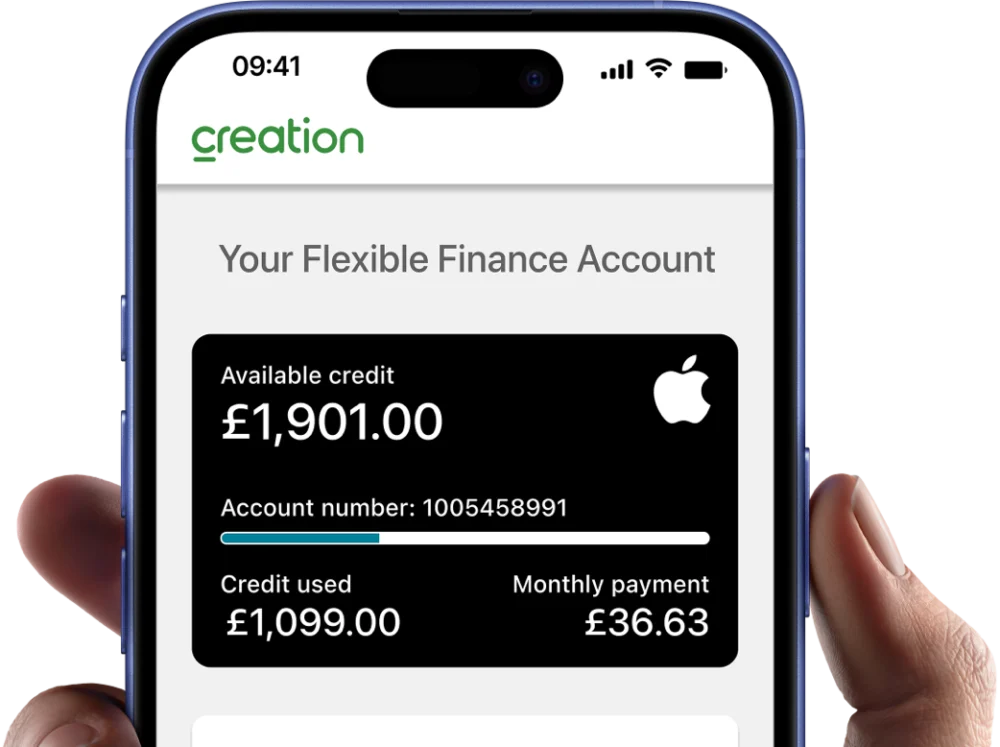
The landscape of premium smartphone acquisition is undergoing a significant transformation as Apple officially sunsets its long-standing iPhone Upgrade Program in the United Kingdom. This move marks the end of an era for a specific subset of the "pro" consumer base—those who viewed the iPhone not as a permanent purchase, but as a revolving subscription service. In its place, the tech giant has introduced the "Flexible Finance Account," a strategic pivot that moves away from product-specific installment plans toward a broader, more integrated line of credit. While the company assures its loyal user base that they will "love what’s next," the transition signals a deeper shift in how Apple manages its relationship with consumer debt and ecosystem loyalty in a shifting global economy.
The Legacy of the iPhone Upgrade Program
To understand the weight of this change, one must look at the role the iPhone Upgrade Program (iUP) played in Apple’s retail strategy. Launched several years ago, the program was designed to solve a specific problem: the plateauing of the smartphone replacement cycle. As hardware became more durable and incremental improvements more subtle, consumers began holding onto their devices for three, four, or even five years.
The iUP was the antidote to this trend. By bundling the cost of the latest iPhone with AppleCare+ and spreading the total over 24 months at 0% interest, Apple created a frictionless path to annual hardware updates. After making 12 payments, a customer could simply walk into an Apple Store, hand over their current device, and walk out with the latest model, effectively resetting the clock on a new 24-month term. It was, for all intents and purposes, a "Hardware-as-a-Service" (HaaS) model that guaranteed Apple a consistent stream of revenue and ensured that its most dedicated users were always carrying the most capable hardware.
In the UK, this program became a staple for tech enthusiasts. However, as the financial climate has shifted—characterized by fluctuating interest rates and tightening credit regulations—the rigid structure of the iUP appears to have become less optimal for Apple’s long-term fiscal goals in the British market.
Dissecting the Flexible Finance Account
The replacement, the Flexible Finance Account (FFA), represents a move toward a more traditional revolving credit model, albeit one with "Apple-esque" refinements. Unlike the iUP, which was a closed-end loan tied to a specific serial number, the Flexible Finance Account is described as a reusable line of credit.
According to the new documentation provided to UK customers, the FFA allows users to spread the cost of their purchases over varying periods. While the iPhone Upgrade Program was strictly a 24-month affair with a 12-month upgrade trigger, the FFA offers more granular control. For instance, current promotional offers include the ability to finance an iPhone 17 Pro Max over 20 months or an iPhone 16 over 24 months at 0% interest.
However, the "flexibility" Apple touts comes with a new layer of complexity: variable interest rates. While certain flagship products remain at 0% APR for promotional windows, other hardware—such as iPads financed over a 36-month period—may attract interest rates as high as 14.9% APR. This is a departure from the universal 0% interest standard of the previous program and suggests that Apple is looking to better align its financing products with the actual cost of capital in the current market.
The Strategic Pivot: From Product to Platform
The most significant change is the shift from a "program" to an "account." Once a customer is approved for a Flexible Finance Account, the credit line remains open and can be used for subsequent Apple Store purchases without the need for a new credit application. This is a classic "ecosystem lock-in" strategy. By establishing a permanent credit relationship with the customer, Apple lowers the barrier to entry for future purchases of Macs, iPads, or even the Vision Pro.
From a journalistic perspective, this move can be seen as Apple’s attempt to replicate the success of the Apple Card (currently exclusive to the US) without the overhead of launching a full-scale credit card in the UK. By creating a dedicated financing account, Apple positions itself as the primary lender for a customer’s entire digital life. It moves the conversation away from "How do I pay for this iPhone?" to "What should I buy next with my Apple credit line?"

Furthermore, the decoupling of AppleCare+ is a subtle but vital change. In the original iUP, AppleCare+ was mandatory and baked into the monthly price. This ensured that the devices being traded back to Apple after 12 months were in good condition or could be repaired cheaply, fueling the robust secondary market for refurbished iPhones. With the Flexible Finance Account, AppleCare+ appears to be an optional add-on. While this lowers the entry price for the monthly payment, it places more risk on the consumer and potentially changes the economics of the trade-in process.
Economic and Regulatory Context
The decision to overhaul financing in the UK cannot be viewed in isolation from the broader economic environment. The UK has seen significant inflationary pressure and a subsequent rise in interest rates by the Bank of England. Financing a 0% interest loan for 24 months is significantly more expensive for a corporation today than it was five years ago.
Additionally, the Financial Conduct Authority (FCA) in the UK has become increasingly scrutinizing of "Buy Now, Pay Later" (BNPL) schemes and consumer credit products. By moving to a formal "Line of Credit" model, Apple may be seeking a more stable and transparent regulatory footing. The new system includes features designed to be more "consumer-friendly" in the eyes of modern regulators, such as the ability to check eligibility without impacting one’s credit score—a "soft" credit pull that has become the industry standard for modern fintech products.
The Impact on the Consumer Experience
For the "yearly upgrader," the end of the iUP is a bittersweet moment. The simplicity of the "12 payments and swap" system was its greatest selling point. While Apple claims the Flexible Finance Account will offer a "new, more flexible way to upgrade," the specifics of how the trade-in equity will be applied to the new credit line are slightly more opaque than the previous system.
For the broader consumer base, however, the FFA may be more attractive. The ability to finance a wider range of products and choose from different repayment terms (20, 24, or 36 months) allows for better personal budgeting. Moreover, for those who do not feel the need to upgrade every single year, the FFA provides a path to ownership that isn’t tied to the "subscription" mindset of the iUP.
Industry Implications and the Future of Retail
Apple’s shift in the UK is likely a harbinger of things to come in other markets. As hardware reaches a point of "peak utility," where a three-year-old phone is still remarkably fast and capable, the pressure to upgrade annually is diminishing. Apple is reacting to this by diversifying its financial services.
We are seeing the emergence of "Apple as a Bank." By controlling the hardware, the software, and now the financing, Apple creates a closed-loop economy. This move puts significant pressure on third-party retailers and mobile network carriers (like EE, O2, and Vodafone) who have traditionally used "free" or subsidized phones on long-term contracts to lure customers. If a customer can get 0% financing directly from Apple and then choose a cheap SIM-only data plan, the traditional carrier subsidy model becomes increasingly obsolete.
Conclusion: You’ll Love What’s Next (Or Will You?)
Apple’s assertion that customers will "love what’s next" is a classic piece of marketing optimism, but it underscores a fundamental reality: the way we consume technology is changing. The iPhone is no longer just a gadget; it is a vital utility, and the financing of that utility is becoming as sophisticated as the hardware itself.
The retirement of the iPhone Upgrade Program in the UK marks a transition from a niche enthusiast program to a mass-market financial tool. While some may miss the streamlined annual swap, the Flexible Finance Account offers a glimpse into Apple’s broader ambitions. It is a move toward a world where Apple doesn’t just sell you a phone—it manages the capital that allows you to live within its ecosystem. As we look toward the launches of the iPhone 18 and beyond, the Flexible Finance Account will likely be the foundation upon which Apple builds its next decade of retail dominance. The "new chapter" has begun, and while the terms have changed, the goal remains the same: ensuring that the next device in your pocket always has a glowing Apple logo on the back.