

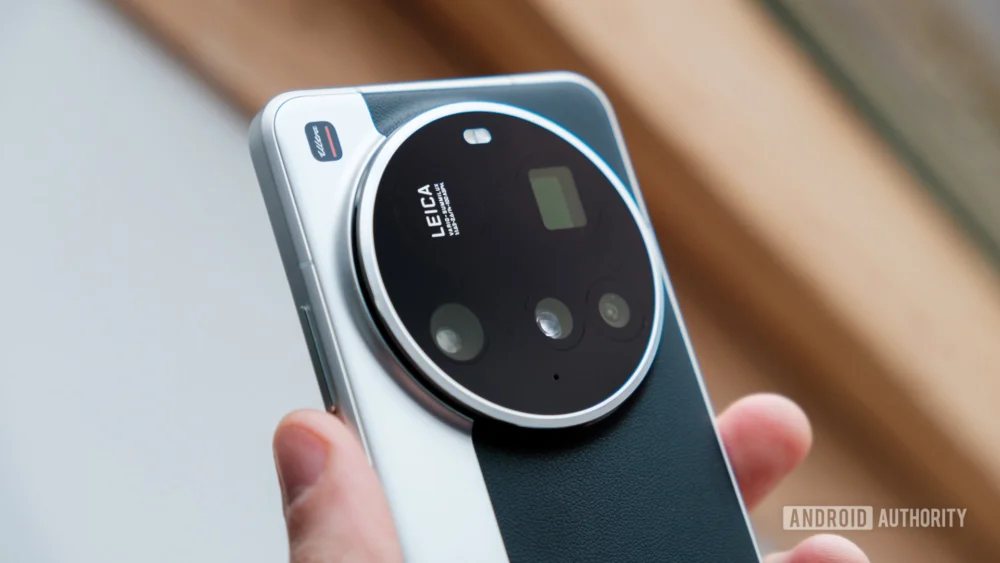
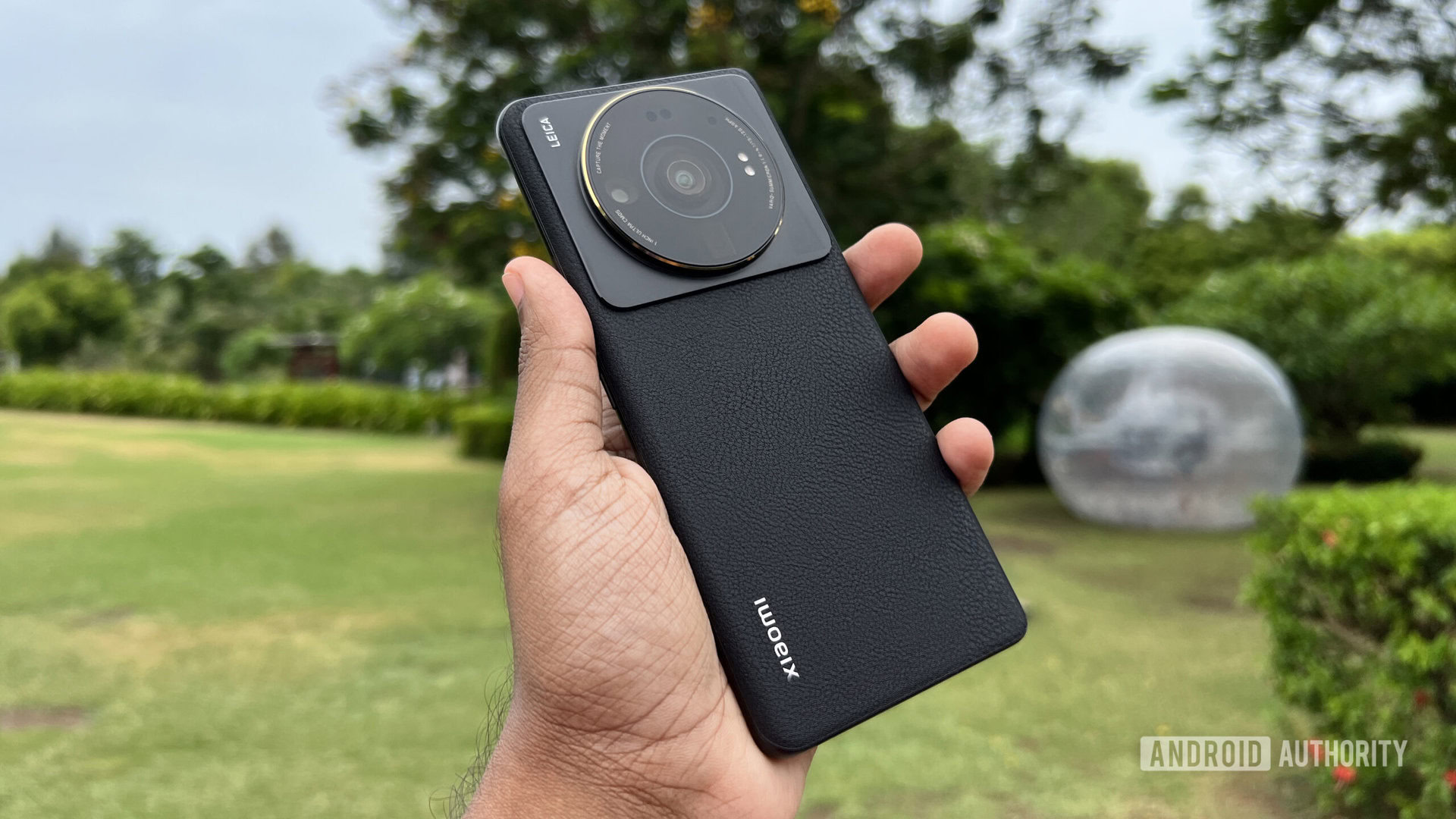
The relentless pursuit of photographic excellence in mobile devices has driven a series of transformative hardware innovations over the last decade. From the proliferation of computational photography algorithms that seamlessly blend multiple exposures, to the implementation of intricate periscope zoom mechanisms, the modern flagship smartphone camera array is a marvel of miniaturization and engineering prowess. Among the most visually impactful advancements was the introduction of the one-inch-type camera sensor, a component that fundamentally altered the physics of mobile imaging by bringing DSLR-like light-gathering capabilities into pocket-sized form factors. When the Xiaomi 12S Ultra debuted this technology in 2022, it signaled what many believed to be the inevitable trajectory for premium smartphone cameras: larger sensors equaling superior image fidelity.
However, the anticipated mass adoption of these substantial sensors has failed to materialize. As we look toward the 2026 device cycle, the evidence suggests that the one-inch sensor—while still present in select halo products—is not achieving the widespread integration once projected. This technological plateau warrants a deep examination of the engineering trade-offs, market dynamics, and evolving priorities that are diverting the path of smartphone imaging development away from sheer sensor size.
The Brief Reign of the Supersized Sensor
The initial excitement surrounding one-inch sensors was well-founded. By significantly increasing the surface area dedicated to light capture, these components offered inherent advantages that software processing alone cannot fully replicate. The primary benefit manifests in two critical areas: superior low-light performance and the creation of authentic, optical shallow depth-of-field.
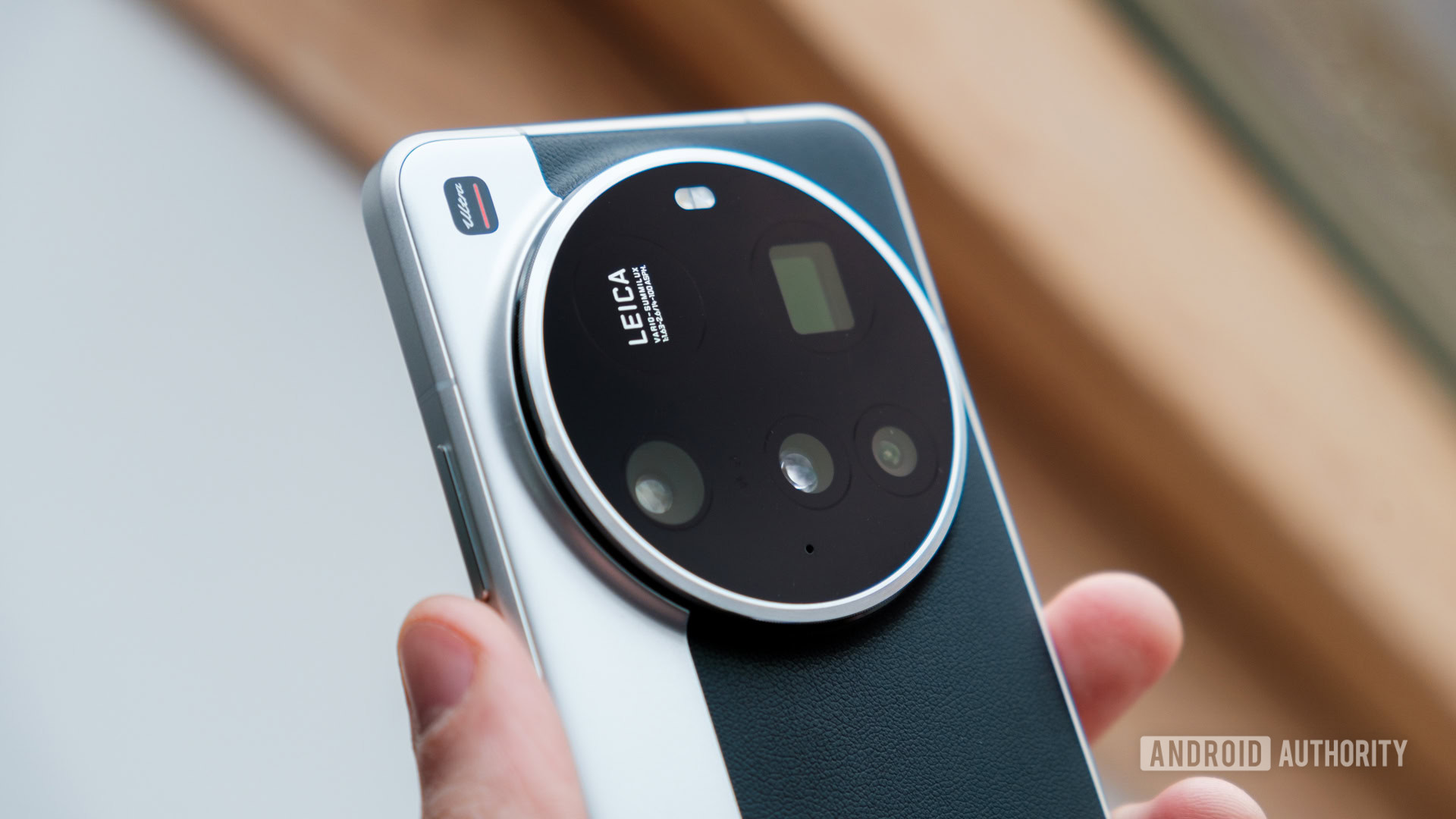
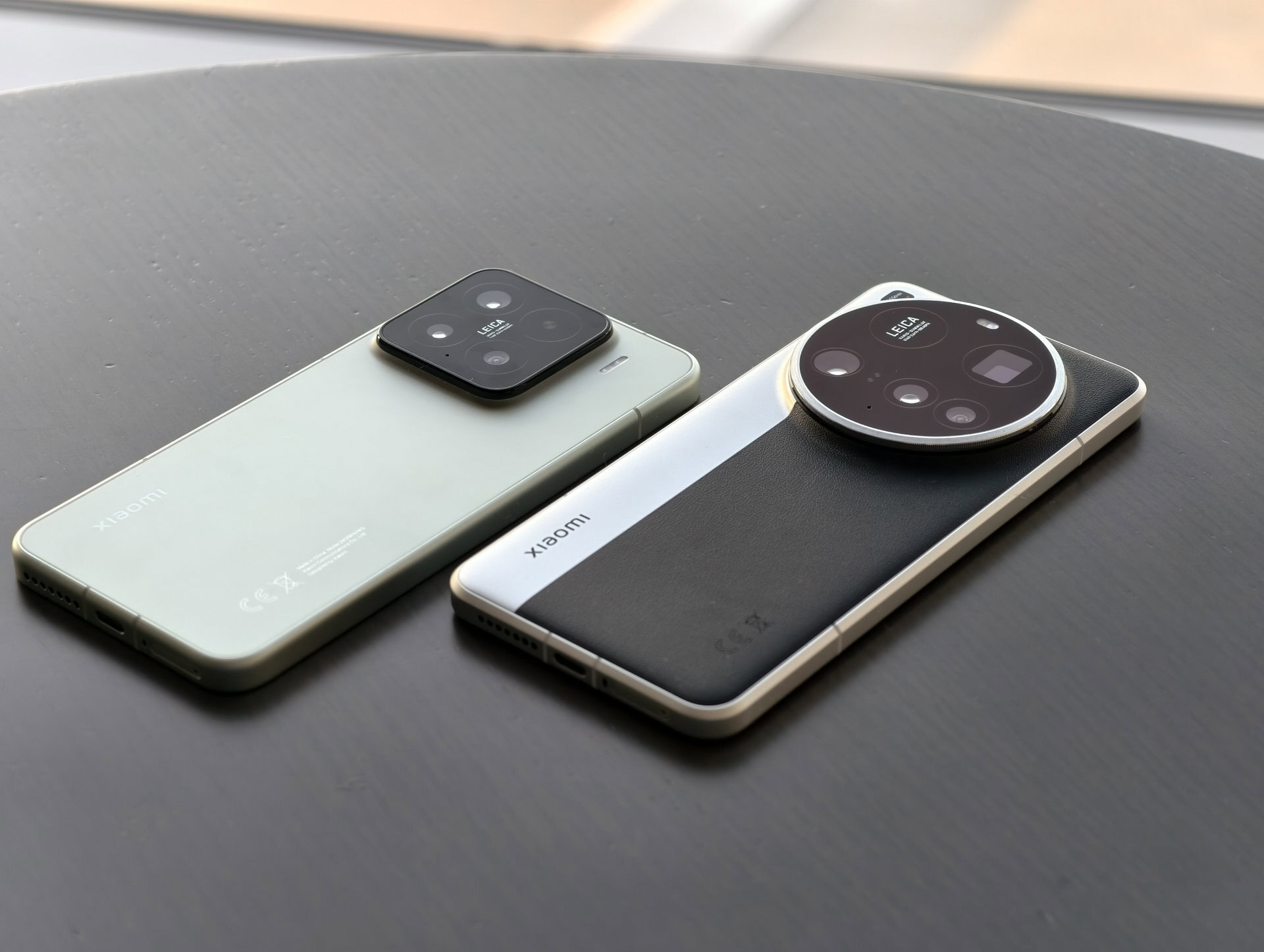
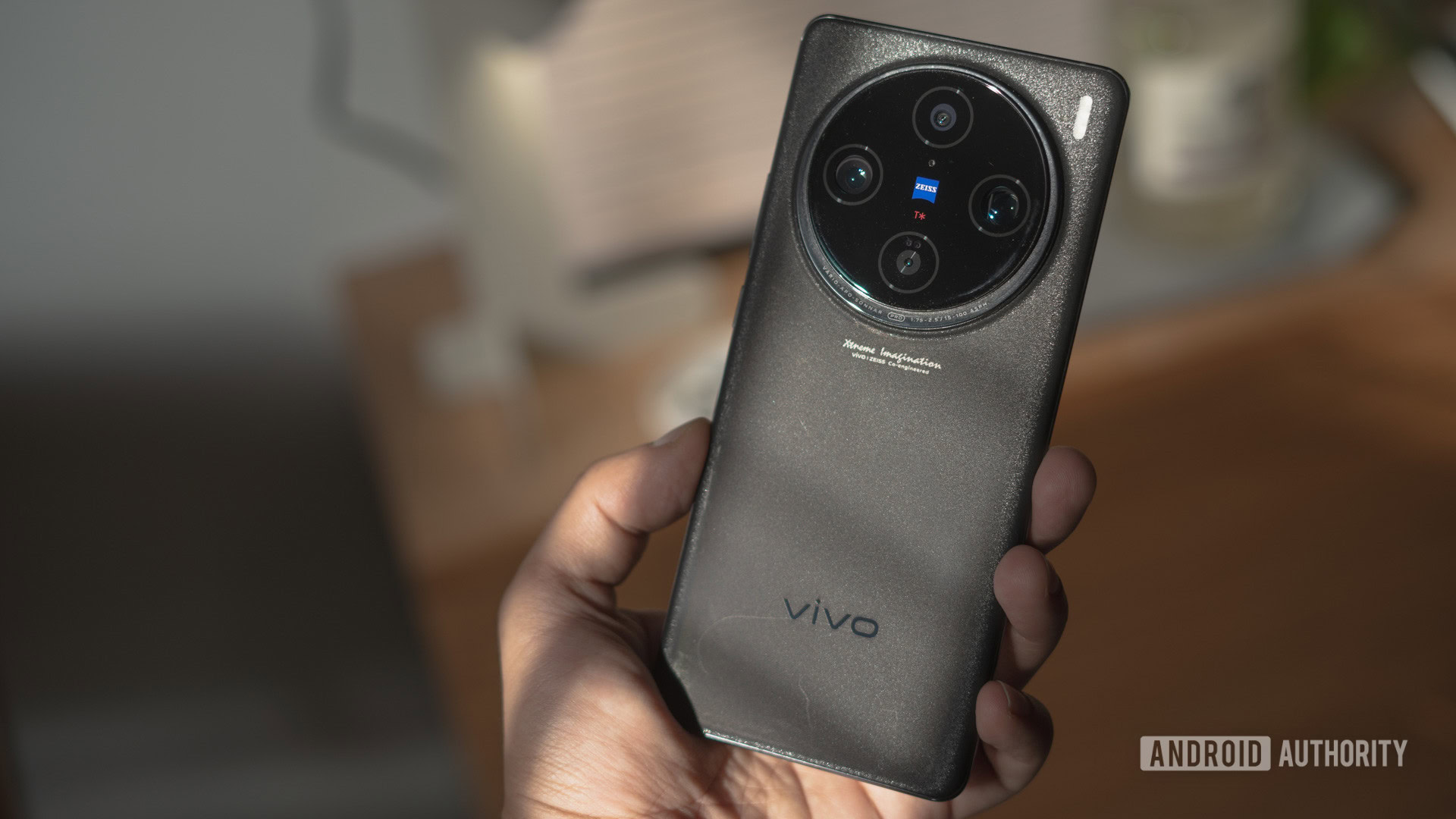
Unlike smaller sensors that rely heavily on aggressive noise reduction algorithms in dim conditions, the larger photosites on a one-inch chip capture significantly more light photons. This translates directly into cleaner images with greater intrinsic dynamic range and less chromatic aberration before any computational enhancement occurs. Furthermore, the increased sensor size, coupled with the physics of lens design, naturally produces a pleasing, creamy background blur—or bokeh—that mimics traditional prime lenses. This optical characteristic is highly valued by enthusiasts, offering a natural aesthetic separation between the subject and the background, a feat that even the most advanced portrait modes often struggle to replicate convincingly. Devices like the Xiaomi 14 Ultra and the vivo X100 Pro demonstrated this potential with stunning clarity and low-light mastery, even enabling advanced features like handheld astrophotography modes that leverage the sensor’s light sensitivity.
For a brief period, manufacturers such as Xiaomi, vivo, OPPO, and HUAWEI aggressively integrated this technology into their top-tier offerings. The initial buzz suggested a clear path: this hardware would become standard on all "Ultra" or "Pro Plus" models, eventually filtering down to the standard flagship tier.
The Retreat: Early Signs of Stagnation
The shift in manufacturer focus became subtly apparent in subsequent product generations. While the initial flagships featured the large sensor prominently (e.g., the Xiaomi 13 Pro and vivo X90/X100 Pro series), later iterations showed hesitation. Vivo, for instance, opted out of the one-inch sensor for certain releases following the X100 Pro, suggesting internal cost-benefit analyses were re-evaluating the component’s necessity across the entire premium portfolio. Similarly, while some brands have retained the one-inch sensor exclusively in their absolute flagship "Ultra" tier—often requiring consumers to seek out these imported, higher-priced variants—the broader Pro lines have moved on.
Crucially, the anticipated leap from market leaders like Apple, Samsung, and Google has not occurred. These companies, which often set the broader industry standards for feature integration, have instead prioritized other avenues of imaging improvement. This hesitation from the largest market share holders sends a powerful signal that the one-inch sensor, despite its technical merits, presents challenges that outweigh its universal adoption benefits for their target demographic.
The Physical Impediments: Space, Ergonomics, and Complexity
The most immediate and tangible barrier to the ubiquity of one-inch sensors is sheer physical volume. A one-inch sensor is not merely slightly larger; it requires a substantial optical assembly to function optimally. This translates directly into the infamous "camera bump."
Industry analysts consistently point to consumer feedback regarding device ergonomics. Large, protruding camera modules create instability when the phone rests on a flat surface, often leading to an undesirable wobble during typing or interaction. Furthermore, these massive arrays encroach upon internal space crucial for other components, such as larger batteries, advanced cooling systems, or the complex optics required for high-magnification zoom. For manufacturers attempting to balance thinness with performance—a design aesthetic still highly prized by many—the one-inch sensor represents a significant structural compromise.
This tension between size and performance was exacerbated by the brief trend toward ultra-slim devices, exemplified by certain concept models or niche 2025 releases from Samsung and Apple competitors, which prioritized sleek profiles over camera bulk. Although consumer backlash against severely compromised camera performance in these thin designs has tempered that specific trend, the underlying space constraint remains a core engineering hurdle.
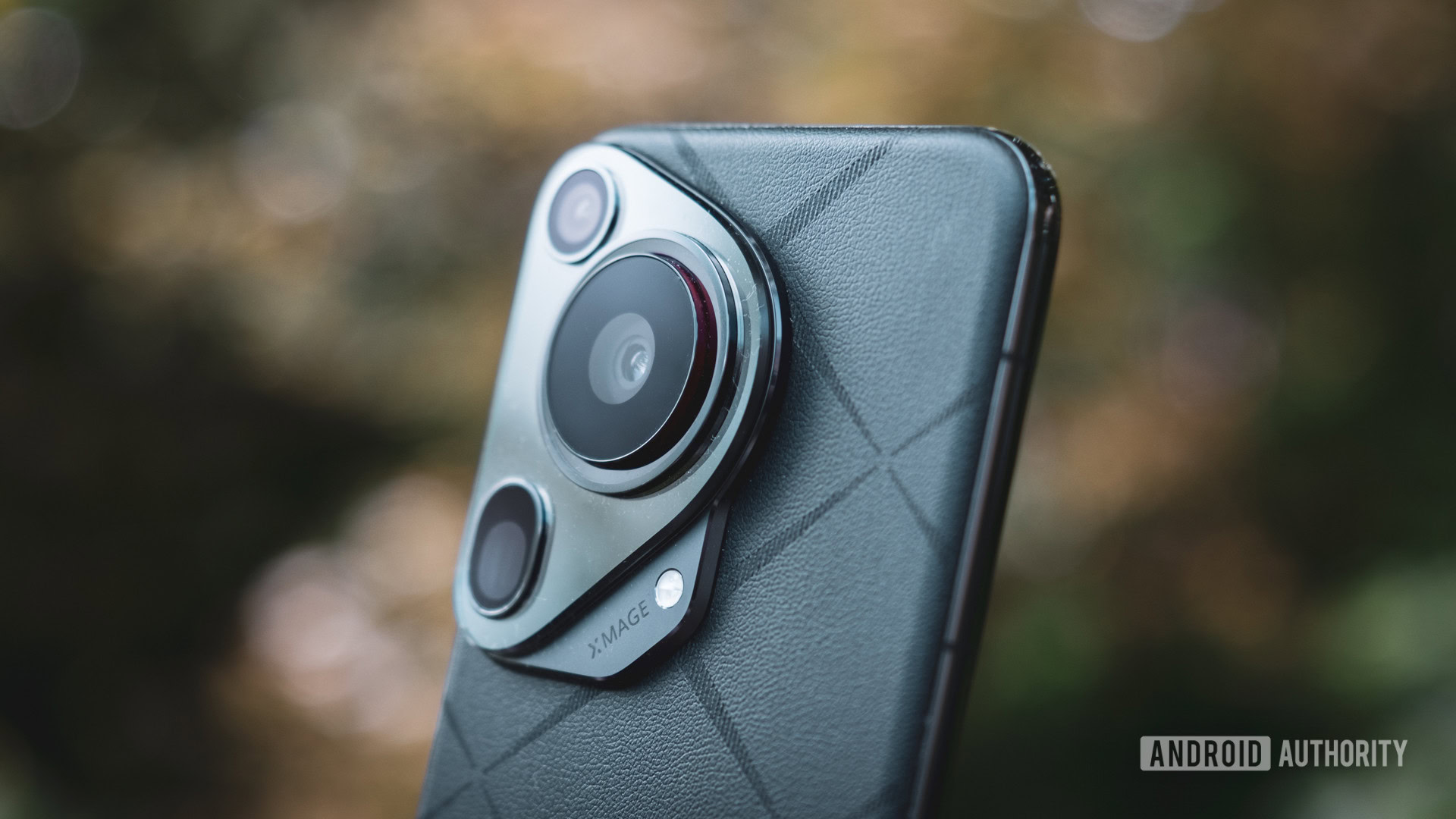
Beyond the external bump, the internal optics required to service a large sensor are inherently more complex. Optimal image quality necessitates a greater distance between the sensor plane and the lens elements (the focal length). To achieve this necessary separation within a constrained chassis, manufacturers must innovate with complex mechanical solutions. HUAWEI’s implementation in the Pura 70 Ultra, featuring a retractable primary lens element, is a testament to this engineering necessity—but it adds layers of mechanical complexity, potential failure points, and, inevitably, manufacturing cost.
The Cost-Benefit Conundrum and Profit Margins
From a purely business perspective, the reluctance of major players like Apple and Samsung to integrate this technology speaks volumes about profitability. High-specification, large-format sensors manufactured by suppliers like Sony are expensive components. Integrating them necessitates a significant bump in the Bill of Materials (BOM), which must then be justified by either a higher retail price or a reduction in profit margin.
For companies operating on high volume and established pricing tiers, retaining proven, slightly smaller, yet highly capable sensors for multiple generations—as Samsung has frequently done—offers a more stable cost structure and predictable margins. While computational photography is often seen as a counterbalance to hardware limitations, it is also a key area where these giants excel, potentially mitigating the perceived need for the absolute largest sensor. They may argue that their advanced image signal processors (ISPs) and software pipelines can achieve 95% of the one-inch sensor’s performance using a smaller, cheaper module, thereby saving thousands of dollars per million units manufactured.
The Rise of the ‘Better Smaller’ Sensor
A significant factor accelerating the stagnation of one-inch sensor adoption is the rapid maturation of smaller sensor technology, particularly those in the 1/1.28-inch category. Manufacturers are finding that advancements in pixel technology are narrowing the performance gap previously dominated by physical size.
Vivo’s pivot toward sensors like the LYT-818 (1/1.28-inch) highlights this shift. The company claimed that this generation of smaller sensors delivered superior video quality compared to the older one-inch IMX989, alongside photo quality that was remarkably competitive. More recent iterations, such as the LYT-828 utilized in newer flagships, incorporate sophisticated features like advanced High Dynamic Range (HDR) processing and ultra-high conversion gain technology—features often absent or less developed in first-generation one-inch modules. These software-hardware synergy improvements allow smaller sensors to capture more nuanced data, particularly in challenging lighting scenarios, effectively challenging the low-light supremacy once exclusive to the largest chips.
The engineering focus is clearly shifting from brute-force light capture (larger area) to efficiency and data utilization (smarter processing and architecture).
The Increasing Importance of Versatile Zoom
The overall camera system balance is another crucial factor. As users demand versatile focal lengths, the space allocated to the telephoto and ultra-wide lenses becomes increasingly competitive with the main sensor. Modern flagship expectations often include a high-quality periscopic zoom system, sometimes achieving 5x or even 10x optical magnification. These zoom modules, especially those employing folded optics and larger-than-usual telephoto sensors to maintain quality at higher magnifications, consume considerable internal real estate.
When faced with the choice between squeezing in a marginally larger main sensor or implementing a significantly better, higher-magnification telephoto system, many manufacturers are choosing to optimize the latter. A slightly reduced main sensor size (e.g., moving from a true one-inch to a 1/1.12-inch sensor) frees up the necessary space to house a more robust zoom mechanism, arguably offering a greater perceived benefit to the average user who frequently uses zoom capabilities.
A Diversified Future: New Players and Alternative Architectures
While the trajectory for broad one-inch adoption appears dampened, the technology is far from obsolete, primarily due to supply chain diversification. The reliance solely on Sony for these components presented a potential bottleneck and kept prices elevated. The emergence of alternative suppliers, notably Chinese firms like Omnivision (which supplied a new one-inch sensor for the Xiaomi 17 Ultra) and SmartSens (launching its own one-inch sensor in mid-2025), introduces competition. Theoretically, this increased supplier base could drive down component costs, making the one-inch sensor more economically viable for inclusion in a wider array of devices in the years beyond 2026.
However, the technological landscape suggests that the successor to the current one-inch standard might not be another iteration of the 50MP one-inch chip. Sony itself has pointed toward a different evolution. Their announcement of the 200MP LYT-901 sensor, specified at a physical size of 1/1.12-inch, represents a fascinating middle ground. It is physically smaller than the established 1-inch sensors (which typically hover around 1/1.14 to 1/1.07 inches depending on the specific Sony designation) but boasts a significantly higher megapixel count than the 50MP one-inch modules currently in vogue.
If manufacturers like OPPO and vivo adopt this LYT-901, it suggests a preference for high-resolution capture combined with advanced pixel-binning strategies, fitting neatly into the existing chassis constraints while still delivering superior light capture compared to traditional 200MP sensors. This implies that the industry may be pivoting toward a model where optimized, high-megapixel sensors slightly smaller than the one-inch mark, enhanced by bleeding-edge processing, will define the 2026 premium standard, rather than the literal one-inch area utilized by the previous generation.
In summary, while the visual splendor delivered by the one-inch sensor remains aspirational, its widespread integration into the 2026 smartphone landscape is unlikely. Engineering constraints related to physical volume, the necessity of balancing the overall camera module’s complexity (especially zoom), and the maturation of competitive, smaller sensor architectures are collectively pushing this specific hardware feature into a niche reserved only for the most uncompromising, import-dependent flagship models. The dream of universal one-inch sensors is receding, replaced by a more nuanced and pragmatically engineered approach to mobile imaging advancement.