

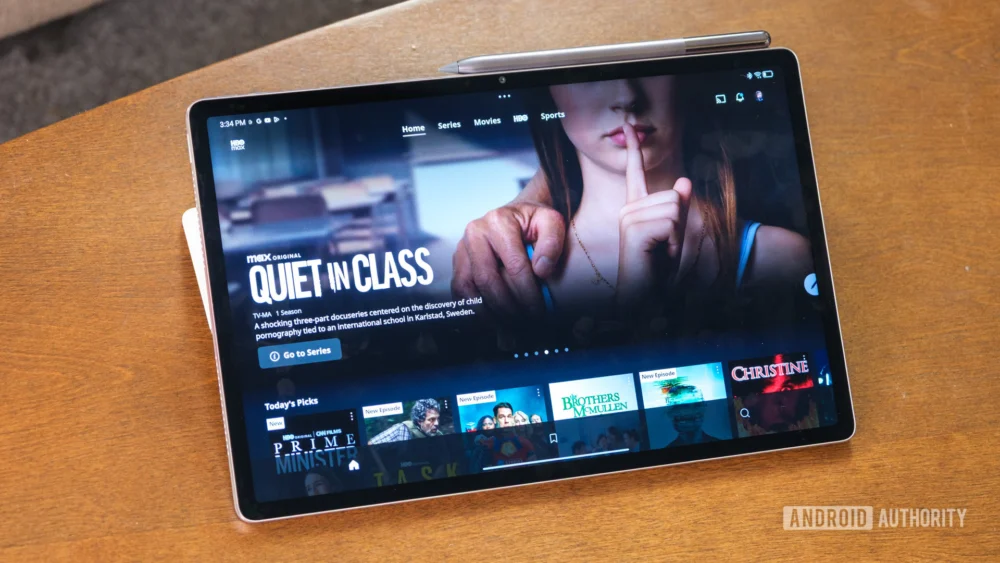
The digital entertainment landscape thrives on perceived value, often manifested through strategic cross-promotions that seamlessly integrate streaming subscriptions into existing service ecosystems. For a significant cohort of consumers, the annual subscription to DoorDash’s DashPass loyalty program recently included a highly appealing bonus: complimentary access to the ad-supported tier of HBO Max (now often referred to simply as Max, pending branding updates). This arrangement, designed to sweeten the deal for the delivery service’s most dedicated users, served as a potent example of the "subscription economy" in action—where the marginal cost of adding another service appears negligible to the consumer, even if the underlying business calculus is complex. However, the ephemeral nature of such partnerships is now starkly apparent, as reports confirm that this specific, high-value integration is sunsetting.
This convergence of on-demand dining and prestige television was initiated in August 2024. The promotion targeted annual DashPass subscribers, effectively leveraging the $96 annual fee to unlock a premium entertainment benefit. For those already committed to the delivery service for a full year, the inclusion of the HBO Max Basic with Ads tier represented a substantial, albeit temporary, saving. Furthermore, the arrangement provided a streamlined pathway for subscribers seeking an ad-free experience, offering a discounted mechanism to upgrade to Max’s Standard tier. From a strategic perspective, the rationale was sound: food delivery and premium content consumption are highly correlated leisure activities, making the partnership an intuitive match for targeting consumers who prioritize convenience and high-quality entertainment consumption at home.
The structural limitation of the deal was embedded in its terms from the outset. It was never intended as a perpetual benefit. Eligibility required activation by a specific cut-off date—December 16th in this instance. Crucially, those who successfully onboarded during the promotional window secured access for the entirety of their paid annual DashPass term, meaning some users are entitled to continue streaming well into 2026. The cessation of the benefit is not immediate for these early adopters; rather, it is directly tied to the expiration of their current annual billing cycle. Upon renewal or resubscription to the annual DashPass plan following this period, the HBO Max inclusion will be conspicuously absent from the package summary.
The termination of this collaboration raises immediate questions regarding the future perceived value proposition of the DashPass annual subscription. In an environment where consumers are increasingly scrutinizing their recurring digital expenditures—a trend exacerbated by widespread subscription fatigue and targeted price hikes across the streaming sector—the removal of a major, high-profile benefit like HBO Max access represents a tangible reduction in the offering’s worth. The timing of this announcement, juxtaposed against recent inflationary pressures on direct streaming subscriptions, suggests a recalibration of DoorDash’s marketing budget or a shift in its strategic alignment regarding third-party content providers.
The Mechanics of Partnership Decay in the Digital Realm
The dissolution of these co-marketing agreements is a common feature of the high-stakes digital marketplace, yet it often catches the end-user by surprise. These bundles are fundamentally transactional tools designed to achieve specific, short-term business objectives for both parties. For DoorDash, the goal was likely subscriber acquisition and retention, incentivizing users to opt for the more financially stable annual commitment over month-to-month payments. For the streaming entity (Max), it served as a high-volume funnel for user acquisition, aiming to convert a segment of the delivery service’s loyal customer base into long-term, paying subscribers once the trial period concluded.
The challenge inherent in such promotions lies in managing the "expectations cliff." When a premium service is provided at zero perceived cost, its intrinsic value becomes inflated in the user’s mind. When that value is withdrawn, the resulting gap between expectation and reality can feel disproportionately large. Industry analysts often point out that the initial acquisition cost borne by the partner (in this case, DoorDash absorbing the cost of the ad-supported Max tier) is amortized over the subscription period, often with the implicit understanding that a certain percentage will convert post-promotion. If the conversion rate falls below projections, or if the streaming service’s own financial models necessitate higher direct subscriber revenue, the partnership becomes economically unviable.
Industry Implications: The Shifting Calculus of Content Bundling
The termination of the DoorDash/Max partnership is more than an isolated event; it signals broader shifts in how major platforms evaluate the utility of bundling. The mid-2020s saw an explosion of "value stacking," where telecom providers, retail giants, and logistics companies layered in streaming services to combat churn. Amazon Prime, for example, remains the gold standard, integrating Prime Video, Music, and other services into its core e-commerce offering. However, for services outside the established ecosystem of a behemoth like Amazon, maintaining these bundles requires continuous, favorable renegotiation.
For Max, the strategic calculus likely pivots toward maximizing Average Revenue Per User (ARPU). As the platform continues to invest heavily in original, tentpole content—a necessity in the current arms race against Netflix, Disney+, and others—relying on third-party subsidies for user acquisition becomes less attractive if those users are unlikely to transition to a full-price subscription. The transition to Max (from HBO Max) and the subsequent pricing adjustments reflect a strategy focused on premium positioning and revenue maximization, which inherently clashes with deeply discounted or free placements.
Conversely, DoorDash must now reassess its ongoing loyalty incentives. If the partnership cost outweighed the measurable uplift in annual subscription rates or long-term customer engagement, the decision to conclude the deal is fiscally prudent. The company will now need to deploy alternative perks—perhaps focusing on enhanced delivery discounts, exclusive restaurant access, or integrating services more directly related to their core utility, such as integrated Wi-Fi or mobile carrier benefits—to maintain the allure of the annual DashPass commitment. The market is saturated with streaming options; unless a bundle offers demonstrable, sustained utility, its power to drive loyalty diminishes rapidly.
The Consumer Reckoning: Analyzing the Direct Cost
For the consumer whose free access is expiring, the immediate consequence is a necessary budget re-evaluation. If a user was deriving significant entertainment value from HBO Max’s content library—which includes critically acclaimed original series and high-profile Warner Bros. film releases—they face a direct, unavoidable increase in their monthly or annual expenditure. Given the general trajectory of streaming pricing, this renewal is unlikely to be cheap.
The consumer must weigh the standalone cost of Max against the marginal cost of keeping their DashPass membership. If a user subscribes to DashPass primarily for the delivery benefits, the Max access was a pleasant bonus. If, however, the Max access was a key motivator for selecting the annual tier, the perceived value proposition has inverted. They are now paying for the delivery service and potentially paying the full price for a service they previously received as part of that package. This scenario often leads to "subscription fatigue" leading to cancellation, or, more commonly, a shift to month-to-month DashPass billing to avoid the annual commitment that no longer carries the bundled premium.
Future Trajectories: What Comes Next for Digital Incentives?
The ending of this specific high-profile bundle serves as a cautionary tale regarding the sustainability of ephemeral digital perks. Moving forward, we can anticipate several trends shaping how service providers attempt to recapture that "value-add" feeling without incurring the long-term cost of premium content:
-
Focus on Tiered Loyalty: Companies will likely shift from offering access to an entire service to offering integrated, bespoke features within that service. For instance, instead of free HBO Max, DoorDash might offer exclusive early access windows to certain titles or curated "DashPass Watchlists" integrated into the app experience, providing soft utility without direct billing absorption.
-
Diversification of Perks: The focus may move away from direct media subscriptions toward services that enhance the core utility. For a delivery service, this could mean deeper integrations with smart home technology, personalized grocery shopping assistance, or cross-promotion with adjacent services like music streaming (where licensing costs might be lower or promotional agreements more favorable).
-
Shorter Promotional Windows: Future partnerships are likely to feature shorter trial periods (e.g., three months instead of a full year) to quickly gauge consumer conversion rates before committing to the subsidy for an extended duration. The lesson learned here is that the longer the free ride, the more difficult the eventual price adjustment becomes.
-
The Rise of Ad-Supported Dominance: As streaming platforms increasingly rely on their ad-supported tiers for revenue growth, partnership models may pivot to focus exclusively on these lower-cost tiers, minimizing the financial risk associated with providing access to premium, ad-free tiers.
Ultimately, the expiration of the DashPass HBO Max benefit underscores a maturation phase in the subscription economy. The initial phase was characterized by aggressive customer acquisition via generous bundling. The current phase is defined by consolidation, margin protection, and a more rigorous examination of the return on investment for every subsidized service. Consumers must adapt by treating bundled perks as exactly what they are: temporary incentives tied to the term length of the primary subscription, not an inherent feature of the ecosystem. Those who fail to adjust their expectations risk an unwelcome financial reckoning when the promotional window slams shut. The era of effortless, perpetual free content access tied to mundane services is demonstrably drawing to a close.