

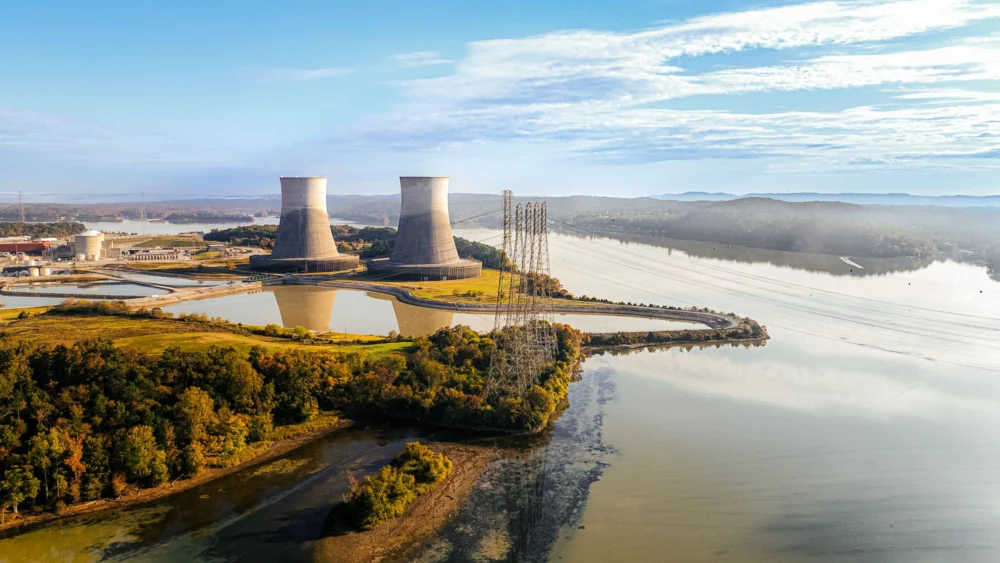
The global energy matrix is undergoing a rapid, multifaceted transformation, characterized by simultaneous pressures for decarbonization, supply chain resilience, and soaring demand driven by digitalization. The year 2026 marks a significant inflection point, witnessing the commercial maturation of three distinct, yet deeply intertwined, technological vectors that are fundamentally reshaping the future of climate and power infrastructure: non-lithium energy storage, scalable advanced nuclear generation, and the exponential growth of energy-intensive data infrastructure. Understanding the convergence of these breakthroughs—or, in the case of data centers, the breakthrough in demand—is essential for forecasting the geopolitical and economic landscape of the late 2020s.
Sodium-ion Batteries: The Quest for Resource Sovereignty
For over a decade, the narrative of energy storage has been dominated by lithium-ion chemistry. This technology catalyzed the electric vehicle revolution and provided the backbone for initial grid-scale storage deployment. However, the inherent limitations of lithium—namely its geographically concentrated supply, volatile pricing, and the ethical challenges associated with its extraction—created an urgent industrial imperative to identify viable, scalable alternatives. The breakthrough momentum surrounding sodium-ion (Na-ion) batteries signals a major shift away from this resource dependency.
The fundamental appeal of sodium-ion technology lies in its elemental abundance. Sodium, readily derived from common salt, is available virtually everywhere, eliminating the complex, high-stakes supply chains that plague the lithium market. This geographic diversification is not merely an economic advantage; it is a critical component of national energy security strategies worldwide. While the underlying chemistry has been understood by researchers for years, the ability to manufacture reliable, high-cycle-life Na-ion cells at a competitive cost has only recently been achieved.
Expert analysis indicates that while Na-ion batteries currently possess a lower gravimetric and volumetric energy density compared to high-end lithium-ion counterparts—making them less suitable for premium, long-range passenger EVs—their characteristics are perfectly aligned with two massive industrial sectors. Firstly, stationary grid storage, where space and weight are less critical than cost and longevity, is proving to be a primary application. Sodium-ion cells offer enhanced thermal stability, translating to a lower inherent fire risk, which is a major operational benefit for large-scale energy parks sited near urban or residential areas. Secondly, the burgeoning market for smaller urban mobility solutions—including two-wheelers, neighborhood electric vehicles, and lightweight commercial fleets—can effectively utilize Na-ion technology, driving down the overall Levelized Cost of Storage (LCOS).
The industry implication of this transition is profound. Global manufacturing giants, notably in Asia, have successfully transitioned Na-ion from laboratory curiosity to mass-production reality. The commencement of scaled manufacturing by key players like CATL, which announced major production milestones in 2025, serves as the industrial confirmation of the technology’s readiness. This scaling action is expected to initiate a rapid downward cost curve, mirroring the historical trajectory of lithium-ion, but potentially accelerated due to the cheaper raw material input. This pivot not only stabilizes the global storage market but also forces lithium producers to innovate further, potentially leading to a more segmented, resilient battery ecosystem where different chemistries are deployed based on specific application requirements—lithium for high-performance mobility, and sodium for bulk stationary storage.
Next-Generation Nuclear: Reframing the Baseload Equation
The existing global fleet of nuclear reactors represents a formidable pillar of carbon-free baseload power. However, the traditional model of constructing bespoke, multi-gigawatt facilities has become economically unsustainable in many developed nations. These massive projects are characterized by enormous upfront capital expenditure, decades-long permitting processes, and a pervasive history of budget overruns and schedule delays, creating significant financial risk for utilities and governments.
The emerging breakthrough in nuclear technology centers on two parallel developments: the modularization of reactor design and the exploration of advanced coolants and fuels. The concept of Small Modular Reactors (SMRs) directly addresses the financial and logistical challenges of legacy nuclear power. By designing reactors with capacities typically below 300 MWe, companies can move production offsite, utilizing standardized, factory-based manufacturing techniques. This approach promises economies of series production, enhanced quality control, and, crucially, dramatically reduced construction timelines and capital exposure. SMRs are designed to be deployed flexibly, capable of replacing retiring coal plants or providing power to remote industrial centers where massive transmission infrastructure is impractical.
Beyond SMRs, next-generation reactors are leveraging innovative designs that enhance safety and efficiency. Companies are moving away from pressurized water reactors toward alternatives such as high-temperature gas reactors (HTGRs) and molten salt reactors (MSRs). MSRs, for example, often use fuel dissolved in liquid salt, which acts as both fuel and coolant. This design fundamentally alters the safety profile; in the event of an operational upset, the reactor can passively shut down and solidify the fuel, eliminating the need for active cooling systems that were historically the weak points in conventional designs.
The regulatory environment is catching up to this technological shift. The 2026 timeframe is pivotal because it marks the critical juncture where initial regulatory approvals translate into tangible construction starts. The U.S. approval for advanced reactor concepts, such as the one pursued by Kairos Power, represents a watershed moment, demonstrating that regulators are developing frameworks capable of assessing these novel designs. Simultaneously, global competition is accelerating deployment. China, viewing nuclear energy as a cornerstone of its long-term energy independence and decarbonization goals, is investing heavily in state-backed development of various next-generation models, positioning itself as a potential leader in exporting this crucial technology.
The industry implications are immense. Advanced nuclear is shifting from a utility-scale construction paradigm to a manufacturing-and-deployment model. This not only makes nuclear power more financially palatable but also allows it to integrate more smoothly into modern, renewables-heavy grids. Nuclear power, with its consistent output, acts as the essential stabilizing partner for intermittent sources like solar and wind, ensuring grid reliability and bolstering energy resilience against extreme weather events, thereby cementing its role as a necessary component of the net-zero transition.
Hyperscale AI Data Centers: The Gigawatt Demand Shock
Unlike sodium-ion batteries or advanced nuclear, hyperscale AI data centers are not a climate solution; they are arguably the most significant new climate and energy challenge emerging in the mid-2020s. The breakthrough here is one of scale—the sheer, exponential growth in electricity demand driven by the proliferation of sophisticated artificial intelligence models, especially large language models (LLMs) and generative AI.
The development and deployment of these models require computational resources orders of magnitude greater than traditional computing. This necessity is translating into the construction of unprecedentedly large data center campuses. Previously, a large data center might require 50-100 MW. Today, new hyperscale facilities are being proposed and built with power requirements exceeding one gigawatt (1,000 MW). To put this demand into context, a single gigawatt is the typical output of a fully operational, conventional nuclear power plant, or enough to power hundreds of thousands of homes. The concentration of this demand into single, dedicated industrial sites creates immediate and severe stress on regional electricity grids.
This energy demand shock is deeply intertwined with the climate conversation. While the industry frequently touts Power Purchase Agreements (PPAs) for renewable energy, the reality is that the pace of data center construction often outstrips the pace of new clean generation capacity coming online. This forces utilities to rely on existing, often fossil-fuel-based, generation sources to meet peak demand, potentially slowing overall decarbonization efforts. Furthermore, the necessity for immense cooling capacity introduces a severe strain on water resources in many drought-prone regions, sparking significant public and political backlash.
Expert-level analysis highlights that this massive power consumption is fueling a geopolitical battle for electrons. Countries and regions must decide how to allocate scarce grid capacity between industrial growth (AI, chip manufacturing) and consumer/residential needs. The development of supersized data centers is emerging as a critical element of global infrastructure, but its deployment is increasingly contentious, facing resistance from local communities concerned about noise, water usage, and the stress on local utility infrastructure.
Future trends in this sector are focused on mitigation, though the underlying demand trajectory remains upward. We anticipate increased regulatory scrutiny, potentially leading to mandated energy efficiency standards for AI hardware and software, or requirements for high-density computing clusters to utilize waste heat recovery systems for district heating. Furthermore, the massive investment into these facilities is accelerating the hunt for non-intermittent clean power sources, inadvertently bolstering the case for the rapid deployment of next-generation nuclear and large-scale, long-duration storage technologies like sodium-ion. The hyperscale data center boom is forcing the entire energy infrastructure—from generation planning to transmission build-out—to operate on a drastically accelerated timescale.
Synthesis and the Future Energy Ecosystem
The simultaneous commercialization of sodium-ion batteries and advanced nuclear reactors, set against the backdrop of explosive energy demand from hyperscale AI, defines the central challenge of the 2026 technological landscape. These three elements form a complex feedback loop.
Sodium-ion technology offers the key to affordable grid resilience, mitigating the intermittency challenges faced by renewables. This, in turn, makes it easier to integrate the variable clean energy required by power-hungry data centers. Next-generation nuclear provides the necessary baseload stability and high-density, low-carbon power that large industrial users, including gigawatt-scale data campuses, desperately require.
The success of the global transition to a sustainable, resilient energy system hinges on the successful convergence of these vectors. If sodium-ion scaling falters, grid stability costs will rise, potentially throttling renewables deployment. If advanced nuclear cannot deliver on its promise of standardized, cost-effective generation, the world will struggle to meet the massive demand imposed by digitalization without resorting to natural gas or other dispatchable fossil fuels.
The technologies breaking through in 2026 are not merely incremental improvements; they represent systemic shifts in how power is stored, generated, and consumed. The challenge for policymakers, investors, and industrial leaders now lies in coordinating these developments to ensure that the infrastructure supporting the digital age is built upon a foundation that is both environmentally responsible and economically sound. The convergence of these technological breakthroughs signals the start of an intensified, high-stakes race to redefine the architecture of the modern power grid.