

The landscape of digital content creation is undergoing a perpetual state of evolution, driven by advancements that democratize previously complex professional tools. Central to this transformation is the quality of audio capture, an element often cited by seasoned videographers as the single most significant differentiator between amateur footage and broadcast-quality productions. For years, achieving high-fidelity, multi-person wireless audio necessitated substantial financial outlay and intricate technical knowledge, often involving bulky packs, delicate antenna management, and proprietary digital signal processing chains. The introduction and subsequent refinement of integrated wireless microphone systems have directly addressed this barrier to entry, and the current market positioning of the DJI Mic 3 system marks a pivotal moment in this trend.
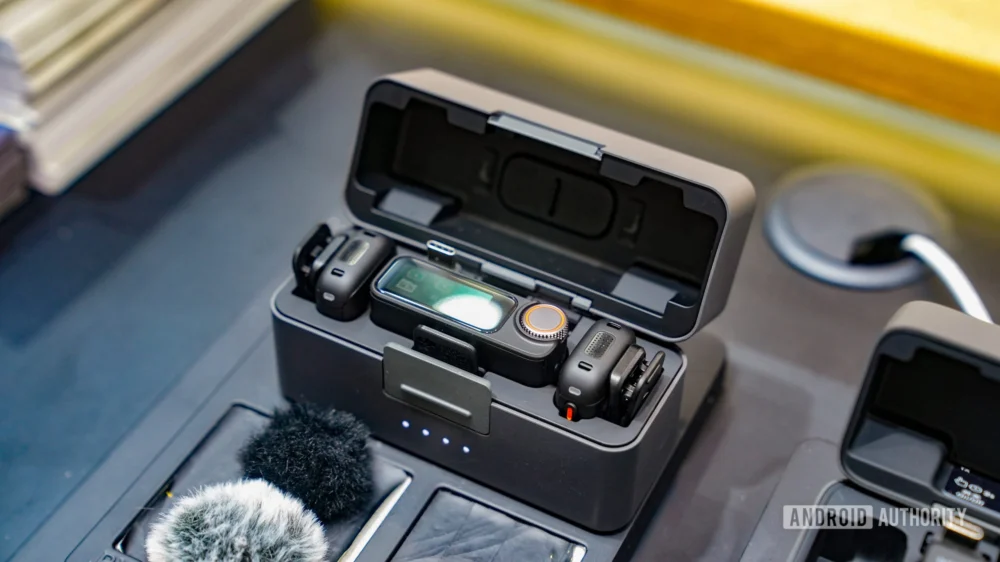
The DJI Mic 3, specifically the dual-transmitter/single-receiver configuration currently highlighted by a substantial reduction in its retail price—dipping to $259 from its usual benchmark, representing a $70 markdown on platforms like Amazon—is more than just a discounted gadget; it is a strategic recalibration of value proposition in the portable audio sector. This system encapsulates DJI’s established prowess in miniaturization and user-centric design, delivering professional-grade features within an accessible, plug-and-play ecosystem. Understanding the significance of this price point requires contextualizing the technology it replaces and the ecosystem it enables.
The Historical Context of Wireless Audio Professionalism
Prior to the proliferation of integrated, miniaturized wireless systems, creators relied heavily on established brands known for robust but cumbersome solutions. These traditional setups often required separate bodypacks, lavalier microphones, belt-clip transmitters, and dedicated receivers that needed to be mounted onto cameras or recorders, often utilizing analog or early digital transmission protocols susceptible to interference and signal dropouts. Setup was laborious, requiring frequency coordination and often involving external battery solutions. This complexity naturally limited sophisticated audio capture to those with dedicated sound engineering skills or significant budgets.
DJI, already a dominant force in aerial imaging and stabilized camera platforms, recognized this friction point. Their entry into the microphone market was less about competing head-to-head on raw acoustic specifications with established audio giants and more about engineering a superior user experience for the modern multimedia creator—the vlogger, the documentary filmmaker, the corporate communicator, and the burgeoning cohort of social media professionals. The DJI Mic 3 represents the culmination of iterative design, building upon the foundations of earlier iterations to offer a solution where deployment time is minimal and operational complexity is virtually eliminated.
Expert Analysis: Deconstructing the Value Proposition
The allure of the DJI Mic 3 at this discounted rate stems from its feature density, packaged in a form factor that prioritizes discretion and portability. The core functionality is built around two remarkably small transmitters, each weighing a mere 16 grams. This featherlight design is crucial; traditional transmitters, when attached to a subject’s clothing, can cause noticeable drag or shift position, compromising the microphone’s intended pickup angle. The reduced mass of the Mic 3 transmitters ensures they remain securely positioned, maintaining optimal audio fidelity throughout extended recording sessions.
Furthermore, the system’s inherent wireless capability is engineered for reliability. Utilizing advanced digital transmission technology—often employing frequency hopping or proprietary secure protocols—it aims to maintain a stable link between the subject and the recorder, even in complex RF environments where interference from Wi-Fi networks or other wireless devices is prevalent.
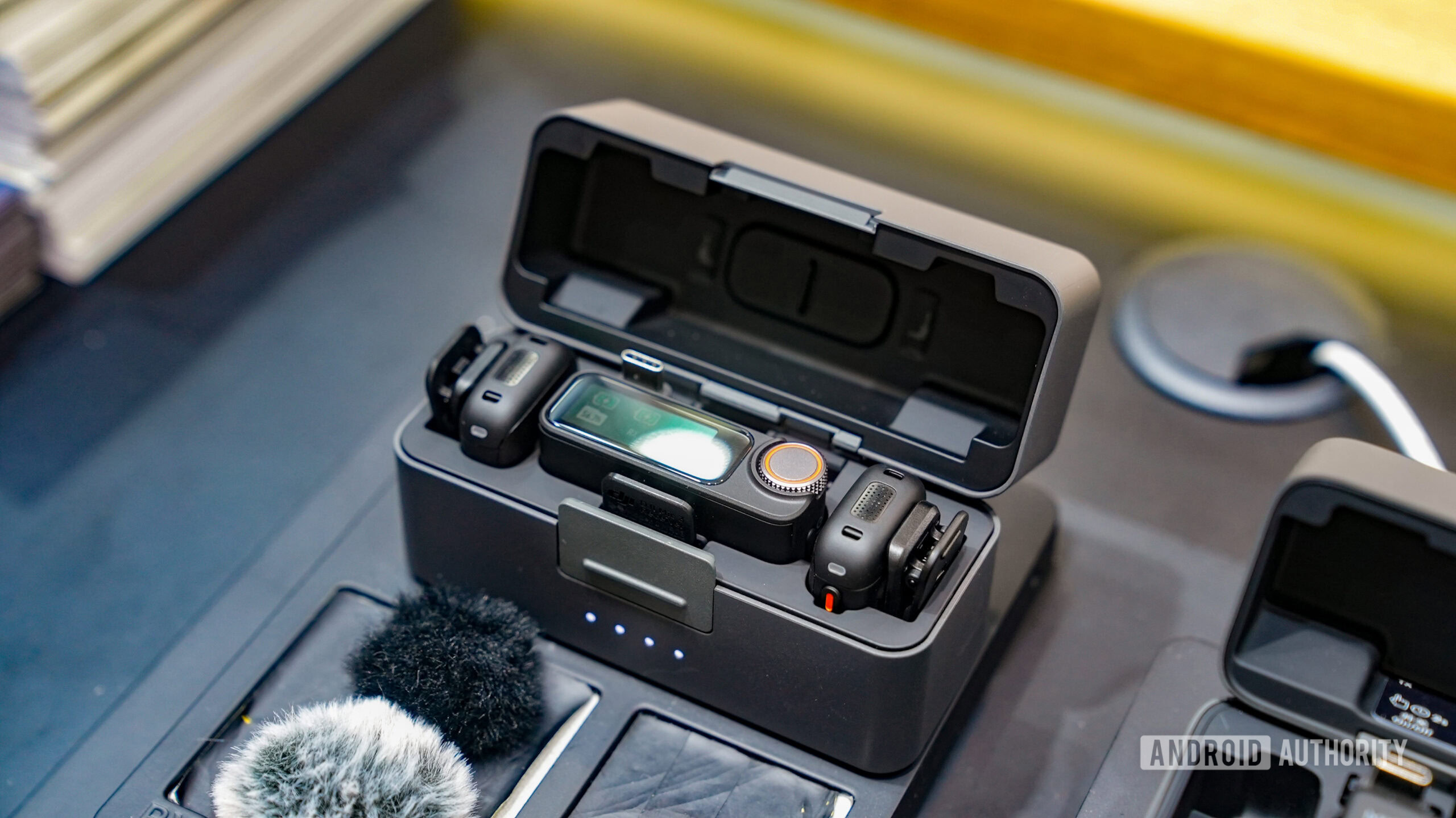
The inclusion of the intelligent charging case is a significant engineering achievement that speaks directly to workflow efficiency. This case serves as a unified hub: it protects the delicate components during transport, acts as a rapid charging station for all three primary units (two transmitters, one receiver), and often includes onboard battery reserves sufficient to top up the entire kit multiple times. This all-in-one docking solution eradicates the "battery anxiety" that plagues many on-location shoots, transforming the system from a collection of components into a cohesive, self-sustaining field unit.
Crucially, the system is designed for universal connectivity. The provision of a USB-C adapter ensures immediate compatibility with a vast array of modern smartphones and tablets, essential for content creators whose primary capture device might be a mobile phone rather than a dedicated mirrorless camera. This cross-platform interoperability broadens the system’s applicability beyond traditional video production pipelines into mobile journalism and interactive content creation.
Operational Superiority: Intelligent Audio Features
Beyond hardware design, the embedded software and processing capabilities elevate the DJI Mic 3 above simpler wireless solutions. The system incorporates intelligent features that automate critical audio adjustments, freeing the creator to focus on performance and framing:
- Auto Gain Control: This feature dynamically manages input levels to prevent clipping (distortion caused by overly loud sounds) and ensure low-level dialogue remains audible, smoothing out inconsistencies that plague manual gain adjustment in dynamic speaking situations.
- Voice Tone Presets: Offering baked-in equalization profiles tailored for common scenarios (e.g., speech clarity, richer bass), these presets allow novice users to achieve a more polished sound signature without delving into complex post-production EQ adjustments.
- Onboard Recording Redundancy: A feature often reserved for higher-end professional gear, the inclusion of internal storage within the transmitters means that if the wireless link temporarily fails, a backup audio track is being recorded directly onto the transmitter. This acts as an invaluable failsafe, preserving critical dialogue when signal dropout inevitably occurs.
- Advanced Noise Cancellation: Modern wireless systems integrate digital noise reduction to minimize ambient sound—wind noise, traffic rumble, HVAC hum—that can degrade the quality of primary dialogue capture.
The total battery life, extending up to 28 hours when accounting for the case’s charging capacity, solidifies its utility for long-form shoots or multi-day events. For a creator relying on mobile power solutions, this endurance translates directly into reduced downtime.
Industry Implications: The Democratization of Quality
The aggressive pricing strategy, particularly the current $70 reduction, has significant implications for the prosumer and small business markets. When a system offering dual-channel recording, portability, intelligent processing, and redundancy drops below the psychological threshold of $300, it forces competitors to re-evaluate their own entry-level offerings.
This move accelerates the erosion of the traditional barrier between hobbyist and professional audio capture. Marketing teams, independent journalists, educators, and small-scale production houses, previously constrained by budget limitations that mandated compromises on audio quality, now have access to a tool that rivals much older, more expensive dedicated systems. This accessibility drives up the baseline expectation for audio quality across all forms of digital media. Consumers are increasingly intolerant of poor audio, regardless of the platform (YouTube, corporate training videos, social media stories), meaning that systems like the DJI Mic 3 are transitioning from "nice-to-have" accessories to essential production tools.
Future Trajectories: Scalability and Ecosystem Expansion
Perhaps the most forward-looking aspect of the DJI Mic 3 architecture is its capacity for substantial system expansion. The reported support for up to four active transmitters linked to a single receiver opens significant pathways for complex productions. Imagine a small documentary crew needing to capture a panel discussion involving four participants simultaneously, or a field reporter covering an event where two sources need to be recorded while maintaining a separate feed for the camera operator’s scratch track.
The scalability from two to four transmitters (and potentially eight receivers, although the typical bundle focuses on the two-to-one setup) signals DJI’s intention to build an enduring, adaptable audio ecosystem. This contrasts sharply with proprietary systems that force users into rigid configurations. For a user investing in this technology now at a low price, the path to upgrading to a more complex setup—say, for multi-camera interviews or complex group scenarios—involves simply purchasing additional transmitters, leveraging the existing receiver and charging case investment.
Future trends in audio capture will likely emphasize greater integration between visual and auditory hardware. As camera systems become more sophisticated in their computational photography, the expectation for equally sophisticated audio processing will rise. DJI is strategically positioned here, capable of integrating future microphone advancements directly with their existing drone and camera lines, creating tighter synergy than third-party add-ons can typically achieve. We anticipate further innovation in areas like spatial audio capture integrated directly into these compact wireless units, moving beyond simple two-channel recording.
Conclusion on the Current Opportunity
The confluence of superior, miniaturized technology, intelligent software features, and a substantial, likely time-limited price reduction presents an unparalleled opportunity. The DJI Mic 3 package—two transmitters and one receiver—is an assertion that high-quality, reliable wireless audio is no longer an extravagance but a fundamental component of modern content strategy. For any creator looking to elevate their production value, eliminating the Achilles’ heel of poor audio while simultaneously securing a robust, scalable wireless infrastructure, this specific market moment offers significant leverage. The ease of use, coupled with the professional redundancy features, makes this an essential acquisition for anyone serious about the narrative power inherent in clear, crisp sound. This deal is not merely about saving money; it is about investing strategically in production quality at an inflection point in the market.