

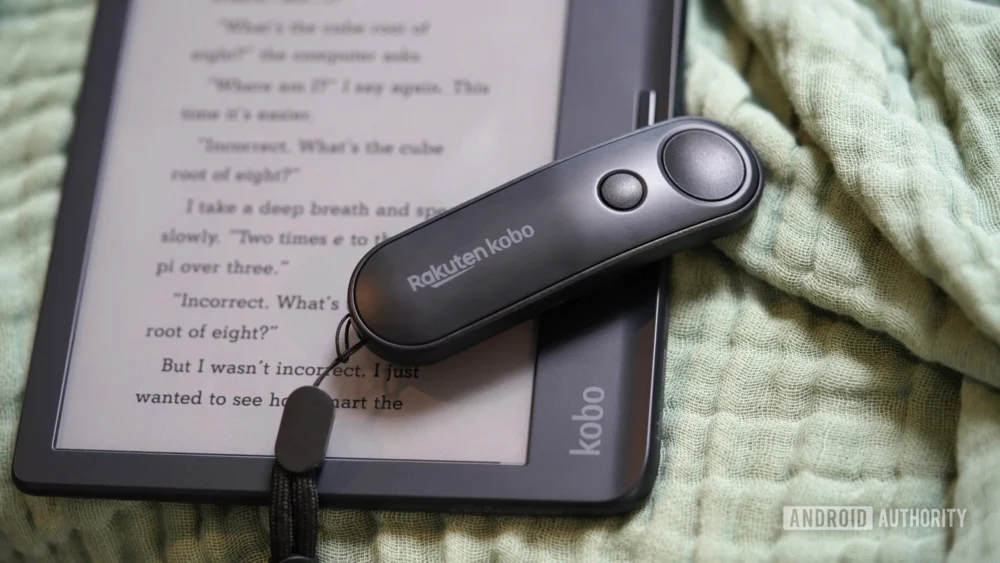
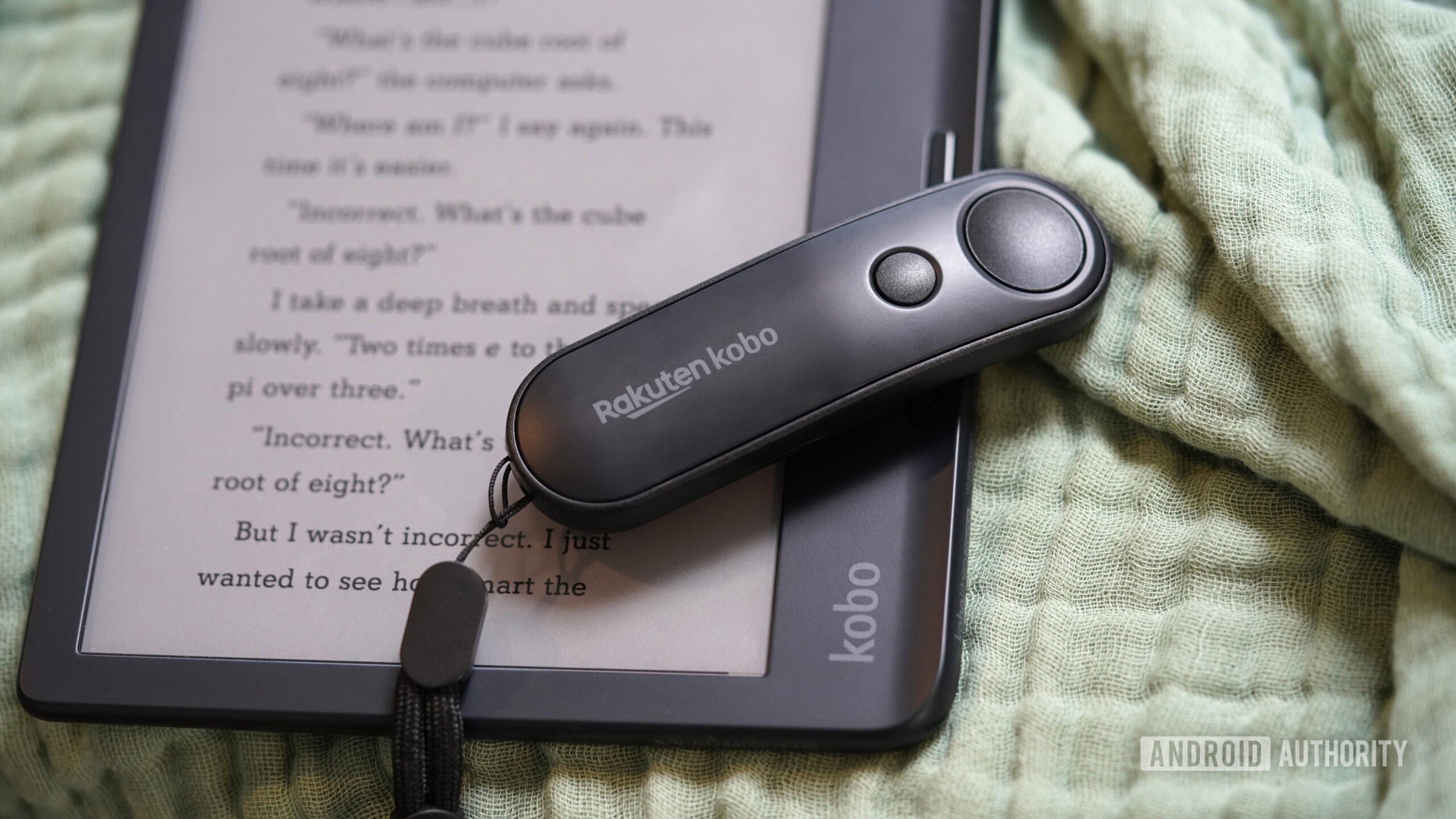
The modern e-reader, epitomized by devices like the Kobo line, represents a significant technological leap over physical books. It condenses vast libraries into sleek, portable slabs, offering customization of font size, lighting, and typeface. Yet, for all its digital sophistication, the core interaction—turning the page—remains fundamentally tactile. While many Kobo users rely on the physical page-turn buttons integrated into the device body or utilize on-screen taps, a surprisingly effective, almost minimalist solution has emerged: the Kobo Remote. This diminutive peripheral, featuring just two primary functions, transcends its humble feature set to address deep-seated, often unarticulated, ergonomic desires of dedicated readers.
This accessory is not a necessary component of the e-reading ecosystem; no consumer requires it for basic functionality. However, its appeal lies precisely in removing the minor frictions inherent in sustained reading sessions. Consider the typical environment of an avid reader: often a state of semi-repose, perhaps beneath layers of thermal blankets in an aggressively climate-controlled environment, or leaning back in a recliner where reaching the device edge requires a slight, disruptive shift in posture. The Kobo Remote offers immediate, low-effort page progression without breaking immersion or disturbing physical comfort. It transforms reading from a potentially clumsy balancing act into a seamless, almost meditative flow state.
The Genesis of a Niche Necessity
To fully appreciate the Kobo Remote, one must understand the evolving landscape of e-ink consumption. Early e-readers prioritized simplicity, often mimicking the feel of paper through button placement along the bezel. As devices grew larger, incorporating color e-ink technology like that seen in the Kobo Libra Colour, the physical interaction points became more spread out. While devices with side grips (like the Libra series) offer excellent one-handed use via integrated buttons, this still demands a degree of physical engagement—a repositioning of the thumb or finger grip.
The Kobo Remote decouples the action of turning the page from the device itself. It operates via Bluetooth, offering a latency-free communication link that maintains the snappy responsiveness e-ink users demand. This separation is key. It means the reader can anchor their e-reader—propped on a stand, balanced on a chest, or set on a bedside table—and control the narrative progression from a distance or while maintaining a completely static, comfortable physical position.
The design philosophy underpinning the remote is one of extreme reductionism. It features only two controls: advance and retreat. There are no scrolling functions, no brightness adjustments, and crucially, no proprietary software lock-in beyond the initial Bluetooth pairing. This austerity is not a flaw; it is its primary strength. In an era where many consumer electronics are burdened by feature creep, the remote succeeds by executing one task flawlessly. It is the digital equivalent of a perfectly weighted book weight—a tool whose utility is defined by its restraint.
Technical Simplicity Meets Physical Comfort
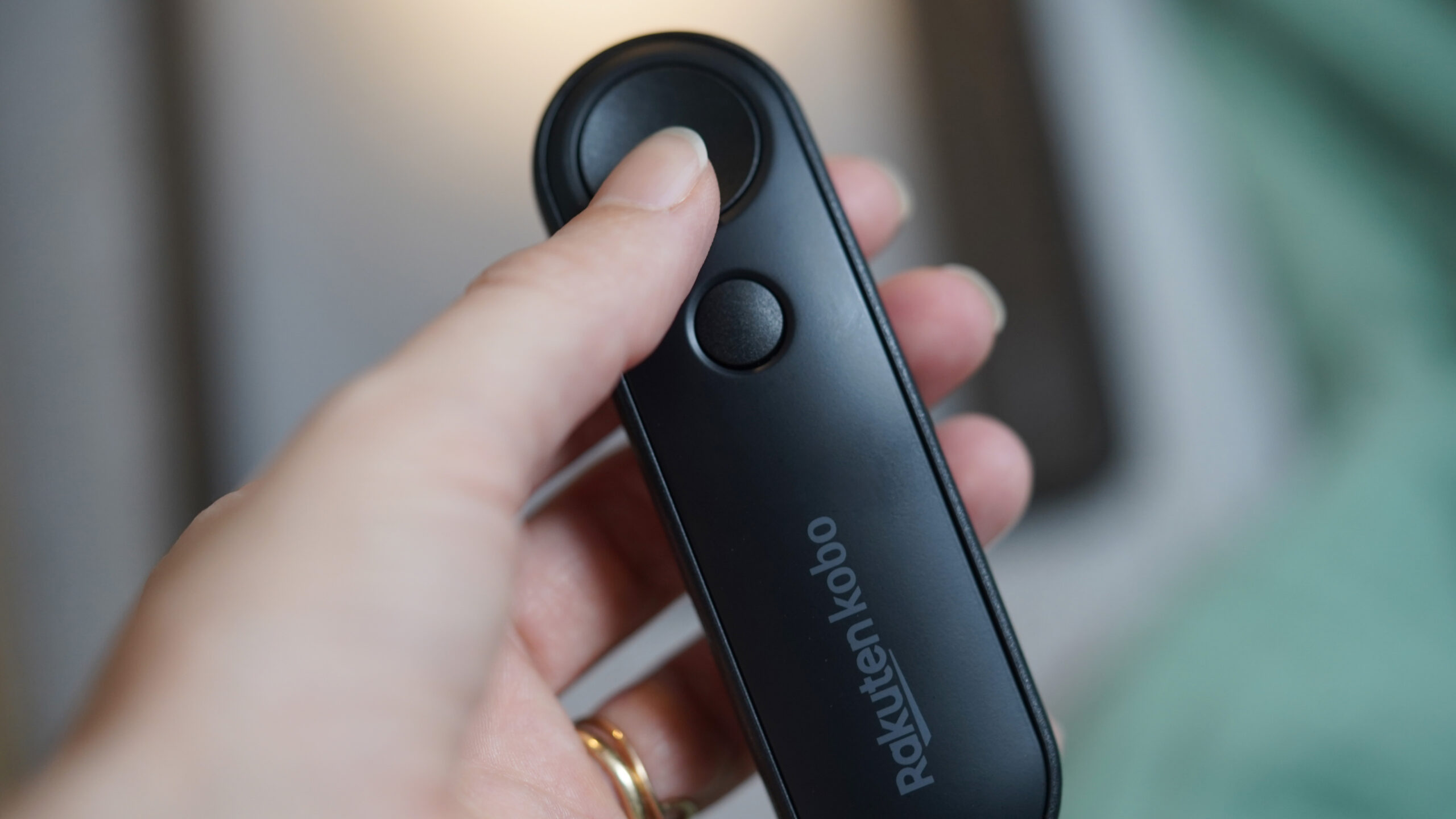
The physical attributes of the Kobo Remote contribute significantly to its surprising utility. Constructed of lightweight, matte plastic, it possesses a subtle ergonomic contour designed to fit naturally into the palm. Weighing approximately 36 grams and measuring just shy of four inches in length, it is genuinely pocketable—easily misplaced, perhaps, but never burdensome.
The tactile feedback provided by the buttons is a crucial element of its success. They offer a distinct, though not overly loud, mechanical click. While this audible confirmation is generally unobtrusive, it serves as an excellent sensory cue, confirming the action without requiring the user to visually verify the page turn. This subtle "click" reinforces the sense of physical control, bridging the gap between the digital display and the user’s expectation of interacting with a physical object. Battery management is handled via a standard, easily sourced AAA cell, effectively eliminating the anxiety associated with proprietary rechargeable peripherals that inevitably die at inconvenient moments. This choice—favoring ubiquity over integrated charging—is a pragmatic nod toward long-term user convenience.
The initial pairing process reinforces the first-party nature of the accessory. It is immediate and essentially invisible to the user experience beyond the initial setup handshake. This frictionless integration suggests that Kobo has prioritized maximizing reader flow above all else, recognizing that any technical hurdle introduced by the accessory would immediately negate its ergonomic benefits.
Expanding the Use Case Beyond Blanket Forts
While the narrative of the reviewer—seeking refuge from aggressive air conditioning under a blanket cocoon—is relatable, the remote’s utility extends into several other common reading scenarios that merit deeper analysis.
The Multi-Tasking Reader: Consider the act of consuming content while engaging in light manual tasks. Whether preparing a simple meal, knitting, or performing light desk work where the e-reader is positioned on a stand, the remote acts as a silent, secondary input device. Tapping a screen repeatedly while hands are occupied (or potentially messy) is impractical. The remote allows the user to maintain focus on the primary task while advancing the narrative intermittently. This subtly alters the dynamic of reading from a singular focus activity to a background companion activity.
Accessibility and Mobility Challenges: From an accessibility standpoint, the remote holds significant potential. For users experiencing temporary or chronic mobility issues affecting fine motor control in the hands or wrists, traditional screen tapping or even gripping the device edges can cause strain or fatigue. A small, lightweight remote that can be operated with minimal finger movement, perhaps even held loosely or placed on a stable surface within reach, offers a substantial improvement in sustained reading comfort. This moves the device from a simple luxury item into a genuine assistive technology enhancement for many.

Public and Shared Spaces: In environments where silence is paramount—libraries, quiet carriages on public transport, or shared workspaces—the remote can be advantageous. While the buttons possess a slight click, the ability to keep the e-reader itself perfectly still and avoid the slight jostling or sound associated with tapping glass or plastic bezels can contribute to a quieter overall presence. Furthermore, by allowing the reader to hold the remote slightly away from the device, it can minimize screen glare reflection in brightly lit or highly polished environments.
Industry Implications and the Accessory Economy
The Kobo Remote, despite its simplicity, offers valuable insights into the broader digital reading accessory market. Competitors, primarily Amazon Kindle, have long offered accessories, but often focused on cases or integrated covers. The introduction of a dedicated, standalone Bluetooth controller signifies a shift towards optimizing the interaction layer rather than just the protection layer.
This move suggests a mature product segment where the core hardware is excellent, and manufacturers are now seeking marginal gains through peripheral support that enhances user behavior. For the industry, this indicates an acknowledgment that deep engagement with e-readers often occurs outside of ideal, static conditions. It speaks to a consumer base that values long-form content consumption and is willing to invest in micro-optimizations that support this habit.
From an expert perspective, this accessory represents a strategic play in ecosystem lock-in, albeit a subtle one. By providing a first-party solution that works seamlessly, Kobo discourages users from turning to generic, third-party Bluetooth remotes which often suffer from pairing instability, inconsistent latency, or feature limitations. The premium paid for the official accessory is essentially a fee for guaranteed compatibility and reliability—a crucial factor for devices meant to offer uninterrupted escape.
The cost, positioned around $30, places it firmly in the impulse-buy category for dedicated Kobo owners. It is priced high enough to signal quality but low enough that it does not require significant justification, especially when compared to the cost of the e-reader itself. This pricing strategy leverages the user’s established investment in the Kobo platform.
Future Trajectories and Potential Expansions
While the current iteration of the Kobo Remote is commendably focused, the future of such devices hints at potential evolution, driven by advancements in Bluetooth Low Energy (BLE) capabilities and user demand for deeper integration.
Haptic Feedback: The current remote relies on an audible click. A future iteration could incorporate subtle, localized haptic feedback within the remote itself. This would offer tactile confirmation without sound, catering to users in strictly silent environments or those with auditory sensitivity.
Gesture Control Integration: While maintaining the core two-button functionality, future peripherals could integrate simple gesture recognition (e.g., a slight tilt or rotation) to access secondary functions like jumping to the table of contents or activating a built-in dictionary lookup. This would require a slight departure from the current minimalist ethos but could unlock greater productivity for power users.
Ecosystem Integration Beyond Kobo: If Kobo were to expand the utility of the remote protocol, it could become a universal reader controller, potentially compatible with certain Android-based e-readers or even specialized reading apps on tablets. However, maintaining strict device compatibility ensures the current frictionless experience, so any expansion would need to be carefully managed to avoid introducing fragmentation.
Battery Technology: While the AAA battery is convenient, the industry trend favors integrated, long-lasting power cells. A future remote might incorporate a smaller, rechargeable battery offering several months of use, perhaps charged via USB-C, aligning it with the charging standards of the main devices, though this reintroduces the management of a charging cable.
Final Assessment: The Value of Frictionless Comfort
The Kobo Remote is not a revolutionary device, but it is a masterclass in solving a peripheral problem with elegance and precision. It targets the intangible aspects of reading comfort—the desire to remain perfectly still, warm, and undisturbed while consuming narrative. It is an acknowledgment from the manufacturer that the reading experience is deeply personal and often occurs in environments that compromise traditional interaction methods.
For the reader deeply entrenched in the Kobo ecosystem, especially those who utilize their device for long sessions in fixed positions—whether on a couch, in bed, or at a dedicated reading nook—this accessory moves beyond mere novelty. It becomes an integral piece of the setup, smoothing out the minor physical interruptions that accumulate over hundreds of pages. It is an object that proves that sometimes, the most sophisticated technological upgrade is the one that makes you forget technology is even involved, allowing the focus to remain solely on the text. The $30 investment purchases not just a gadget, but a small, reliable guarantee of uninterrupted, cozy immersion.