

The modern professional landscape is saturated with digital solutions promising optimization, efficiency, and mastery over one’s schedule. For years, the pursuit of peak productivity has been inextricably linked to the adoption of sophisticated software—from all-in-one workspace behemoths like Notion to highly specialized task managers such as TickTick or Todoist. This reliance stems from a deep-seated cultural narrative that equates busyness with value and organization with inherent success. However, for individuals navigating significant cognitive challenges, such as those associated with Attention-Deficit/Hyperactivity Disorder (ADHD) or Autism Spectrum Disorder (ASD), this digital promise often curdles into a productivity mirage. When external stressors mount, these tools, rather than acting as supportive scaffolding, frequently become additional layers of cognitive burden, ultimately failing when they are needed most critically.
The Escalation of Personal Strain and System Collapse
The efficacy of any productivity system is contingent upon the user’s baseline capacity. In periods of stability, a complex, multi-app ecosystem—combining project management (Asana), granular task tracking (TickTick), ephemeral note-taking (Google Keep), and scheduling (Google Calendar)—might function, albeit imperfectly. Yet, when that baseline capacity is eroded by compounding external factors, the system’s inherent complexity becomes its downfall.
The narrative of systemic failure often begins subtly. For individuals managing chronic health conditions, like severe migraines exacerbated by necessary pharmaceutical regimens, the resulting increase in executive dysfunction and fatigue acts as a powerful suppressant on mental energy. Executive functions—planning, organization, initiation, and working memory—are precisely the faculties that digital productivity tools are designed to augment. When these faculties are compromised, the overhead required to maintain the system itself—remembering which app holds which type of information, navigating complex sub-menus, or synthesizing cross-platform notifications—exceeds the benefit derived.
For instance, the aggregation of overdue tasks in a single notification stream, as experienced with TickTick, can trigger avoidance behaviors common to task paralysis. Conversely, the barrage of emails and summaries from platforms like Asana can generate significant noise, obscuring the truly urgent items. This creates a feedback loop: the system is supposed to reduce anxiety, but its very mechanisms—notifications, updates, and the need for constant triage—begin to induce it.
The Over-Engineering Trap: Complexity as a Barrier
The market response to perceived organizational shortcomings has often been to introduce greater feature depth, exemplified by platforms like Notion. Notion, celebrated for its "infinitely flexible workspace," paradoxically becomes a liability under duress. While its database functionality allows for intricate project mapping, mastering this flexibility demands a steep learning curve. When cognitive resources are depleted, configuring a filter, creating a relationship between two databases, or even ensuring mobile responsiveness (a persistent issue even post-offline mode implementation) transforms into a significant, energy-intensive project in itself. The pursuit of the "perfect" template becomes a form of productive procrastination, diverting energy from the core tasks the system was meant to facilitate.
Similarly, tools emphasizing community-driven extensibility, such as Obsidian, introduce dependencies that are inherently fragile. The reliance on community plugins means that maintenance is sporadic. A critical feature that worked yesterday might be broken today due to an upstream dependency change, forcing the user to engage in troubleshooting—a high-demand activity for anyone struggling with attention regulation. Furthermore, the technical infrastructure, such as managing version control with local-first syncing solutions like Syncthing, adds technical debt that a neurodivergent user operating under high stress is ill-equipped to manage.
This points to a fundamental industry blind spot: The assumption that increased functionality equates to increased usability. For users whose primary challenge is initiation or overwhelm, simplicity, predictability, and low friction are paramount.
The Neurodivergent Marketing Ploy and Superficial Solutions
The economic recognition of the neurodivergent market—specifically ADHD—has led to a proliferation of applications overtly targeting these conditions. This phenomenon warrants critical examination. Apps that employ language like "task paralysis" or "executive dysfunction" in their marketing campaigns often fall into two categories: over-simplistic or overly prescriptive.

In the case of AI-driven tools like Neurolist, the attempt to automate task breakdown resulted in an explosion of sub-tasks (twelve suggestions for one article), which immediately re-introduced the feeling of being buried under an insurmountable workload—the very definition of task paralysis. Furthermore, the bait-and-switch tactic—advertising as "free" only to present an immediate, non-negotiable paywall—erodes trust and wastes precious decision-making energy.
Apps like Fabulous, which explicitly reference conditions like chronic procrastination, often pivot towards a self-improvement ethos centered on generic wellness (e.g., "Drink Water"). While hydration is vital, positioning this as a solution to complex neurodevelopmental challenges risks trivializing the underlying cognitive architecture. The emphasis shifts from managing tasks to managing moral character, implicitly fostering the shame often associated with underperformance in neurodivergent individuals. When an "ADHD planner" like Clarify buries its core task creation functionality beneath layers of prescribed, time-consuming reflective letters and presents an oversimplified "ADHD as a superpower" narrative, it demonstrates a profound lack of understanding of the condition’s day-to-day friction.
The Pomodoro Technique, frequently recommended across these platforms, highlights another critical disconnect. For many individuals with ADHD, the ability to enter a state of hyperfocus is a primary mechanism for high-output work. Imposing mandatory 25-minute intervals and rigid breaks directly sabotages this flow state, forcing disruptive task switching, which carries a high cognitive switching cost for those with ADHD and ASD.

Industry Implications: The Need for Cognitive Ergonomics
The collective failure of these diverse applications points to a systemic flaw in the software development pipeline for productivity tools: a lack of deep cognitive ergonomics. Traditional software design often focuses on user interface (UI) and user experience (UX) through the lens of an unimpaired user. For the neurodivergent demographic, the requirements shift towards cognitive load management.
Expert Analysis: Cognitive load theory suggests that human working memory has limited capacity. When an application requires excessive mental effort to navigate, interpret, or maintain (known as extraneous cognitive load), the capacity available for the actual work decreases. In the context of ADHD, where working memory deficits are common, the extraneous load imposed by a complex app directly contributes to task avoidance. Industry leaders must move beyond superficial accommodations (like dark mode or optional reminders) and engineer for neurodiversity. This requires:
- Minimalist Default States: Applications should launch with the lowest possible visual and functional complexity.
- Asynchronous Notification Control: Notifications must be granular, allowing users to define when and how information is presented, minimizing anxiety triggers associated with constant digital vigilance.
- Graceful Error Handling and State Persistence: Tools must be robust enough to allow users to complete tasks retroactively without penalization (as forgetting to check off a task is a failure of memory, not effort), and must manage sync conflicts transparently or avoid them entirely through robust local-first architecture with simple cloud backup options.
Emerging Trends and Future Trajectories
The path forward requires fragmentation and specialization, not monolithic integration. The author’s eventual success—a hybrid, multi-app approach—validates the principle of "task-appropriate tooling."
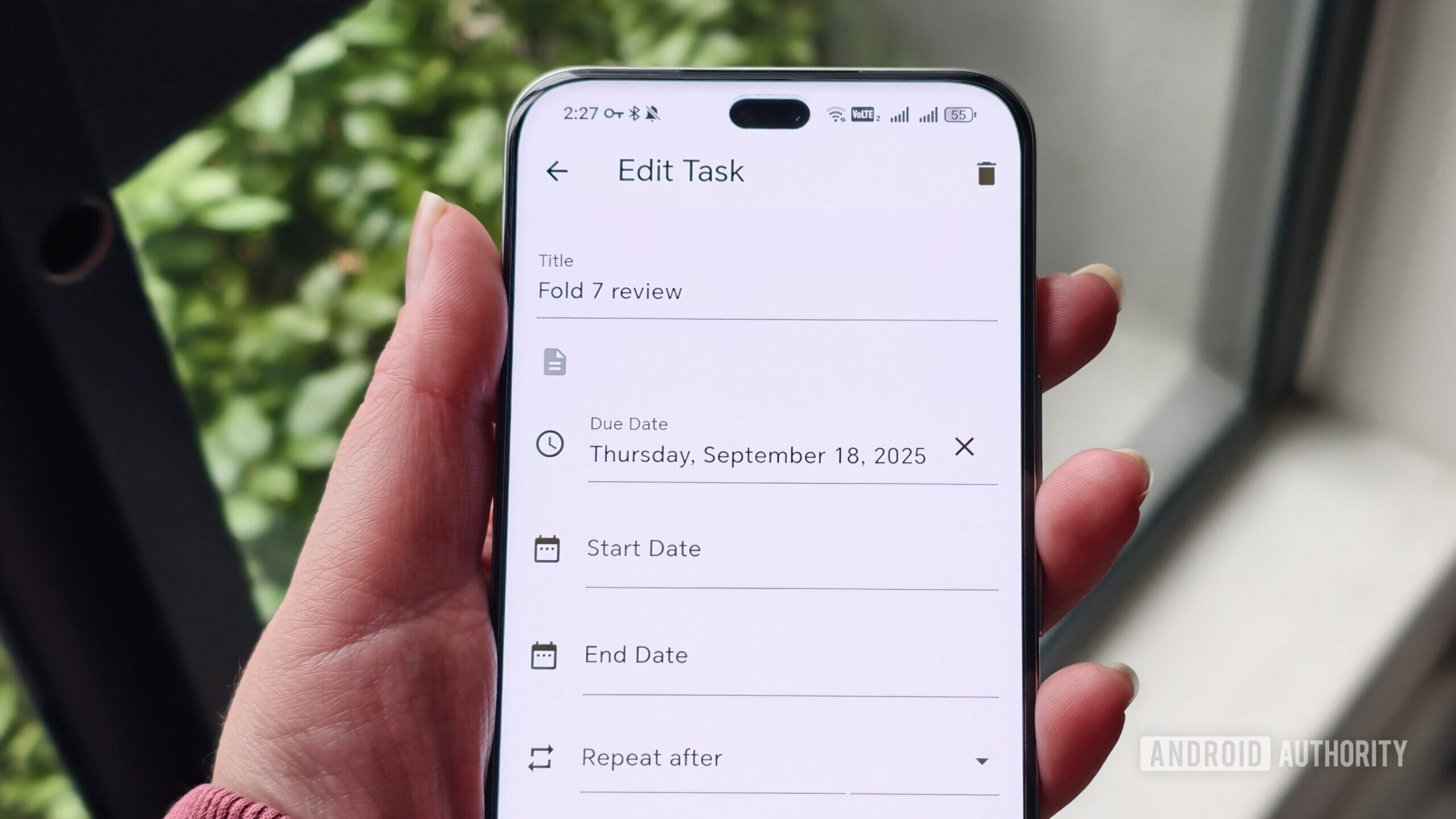
- The Rise of Hyper-Specialized Micro-Tools: We are likely to see growth in apps dedicated solely to a single, low-friction function (e.g., a dedicated bill reminder app like Subby, or a plant care scheduler like Planta). These tools minimize feature bloat, reducing the decision-making required for routine maintenance. Self-hosted or local-first solutions, like Jotty Page, gain traction because they place control entirely in the user’s hands, eliminating reliance on external cloud providers or algorithm-driven prioritization schemes.
- Context-Aware Computing: Future productivity systems must integrate more deeply with health and biometric data (with explicit user consent) to dynamically adjust their interface and notification cadence. If a device detects low activity or high stress levels (perhaps via wearable integration), the application should proactively simplify its view, perhaps only displaying the single most critical task rather than an entire backlog.
- The Demise of "Hustle Culture" Metrics: Gamification elements like "streaks" are detrimental to neurodivergent users who experience inconsistent energy levels. Future successful tools will likely replace streaks with non-judgmental tracking, emphasizing consistency over unbroken duration. The focus must shift from proving willpower to establishing sustainable patterns that account for inevitable fluctuations in executive function capacity.
Reclaiming Agency Through Compassion and Customization
Ultimately, the breakdown of rigid digital systems under pressure is a human signal, not a software bug. When external pressure—health crises, financial strain—compresses available cognitive bandwidth, the pursuit of externally defined productivity standards becomes counterproductive. The breakthrough arrived not through discovering a superior application, but through an internal recalibration: granting self-compassion.
This shift in mindset—accepting that tasks may be late or incomplete without incurring paralyzing shame—created the psychological safety required to analyze the existing tools objectively. This introspection revealed that a distributed, specialized system, tailored to minimize cognitive friction for specific task types (time-sensitive versus general backlog), was superior to a complex, centralized hub.
The ongoing evolution of digital assistance must acknowledge this complexity. Productivity software is not a moral compass or a substitute for robust support systems; it is a utility. When utilities fail to meet the actual demands of the user’s environment—especially when that environment is already neurologically taxing—they cease to be productive and become obstacles. The conversation within the tech industry must pivot from "How can we make users more productive?" to "How can our tools adapt gracefully to the reality of human variation and vulnerability?" Only then will the promise of digital assistance finally materialize for everyone, particularly those who need the support the most.