

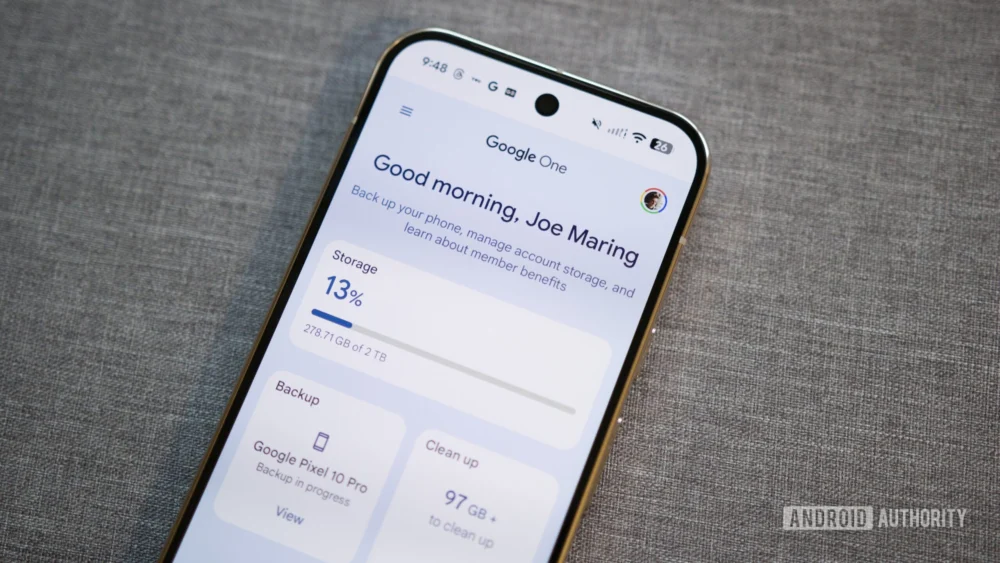
The recent promotional offering from Google concerning its Google One AI Pro annual subscription, which provided a substantial 50% reduction during the holiday season but is now concluding, serves as a potent case study in modern consumer relations—and, arguably, a strategic misstep. While superficially framed as a seasonal incentive, the structure of this deal—exclusively targeting prospective subscribers—reveals a deeper, more systemic issue in digital service monetization: the institutionalization of the "loyalty tax." For long-term patrons who have consistently financed the growth and infrastructure of services like Google One, being explicitly excluded from the most aggressive price breaks generates considerable friction, signaling that sustained commitment is valued less than immediate customer acquisition metrics. Examining the immediate digital discourse surrounding this event confirms that this sentiment is not isolated; it resonates across a significant segment of the established user base who feel penalized for their prolonged engagement.
The Context of Ecosystem Lock-In and AI Integration
To fully appreciate the implications of this pricing strategy, one must consider the contemporary landscape of Google’s service offerings. Google One is no longer merely a utility for expanded cloud storage; it has become the gateway to the company’s most advanced generative AI capabilities, particularly through its integration with Gemini. The AI Pro tier, which offers enhanced model access and integration across Google Workspace products, represents a critical strategic pivot for Alphabet. By bundling AI premium features with storage, Google is effectively cementing its users within its high-value ecosystem. A user paying for Google One AI Pro is deeply embedded: their professional documents are in Docs, their communications funnel through Gmail, and their personal archives reside in Photos and Drive.
This level of integration creates significant switching costs. The cumulative expenditure, both in direct subscription fees and the intangible investment of time organizing data, creates a powerful inertia. Reports indicate that some long-term Google One users have cumulatively spent figures exceeding four digits on the service over several years. When such a dedicated customer observes a brand-new user gaining access to the premium tier at half the effective annual cost, the perception shifts from a mere missed discount to a deliberate devaluation of their past financial commitment. This exclusionary pricing model effectively punishes tenure, favoring the aggressive pursuit of new market share over the cultivation of reliable recurring revenue streams from existing customers.
Industry Implications: The Erosion of Customer Lifetime Value Calculus
This practice is symptomatic of a broader trend across the subscription economy, where customer acquisition cost (CAC) mitigation often supersedes the focus on customer lifetime value (CLV). Standard business theory dictates that retaining an existing customer is markedly more cost-effective than acquiring a new one. Promotional strategies are typically designed to lower the initial barrier to entry (CAC), with the expectation that high CLV derived from subsequent, full-price renewals will justify the initial outlay.
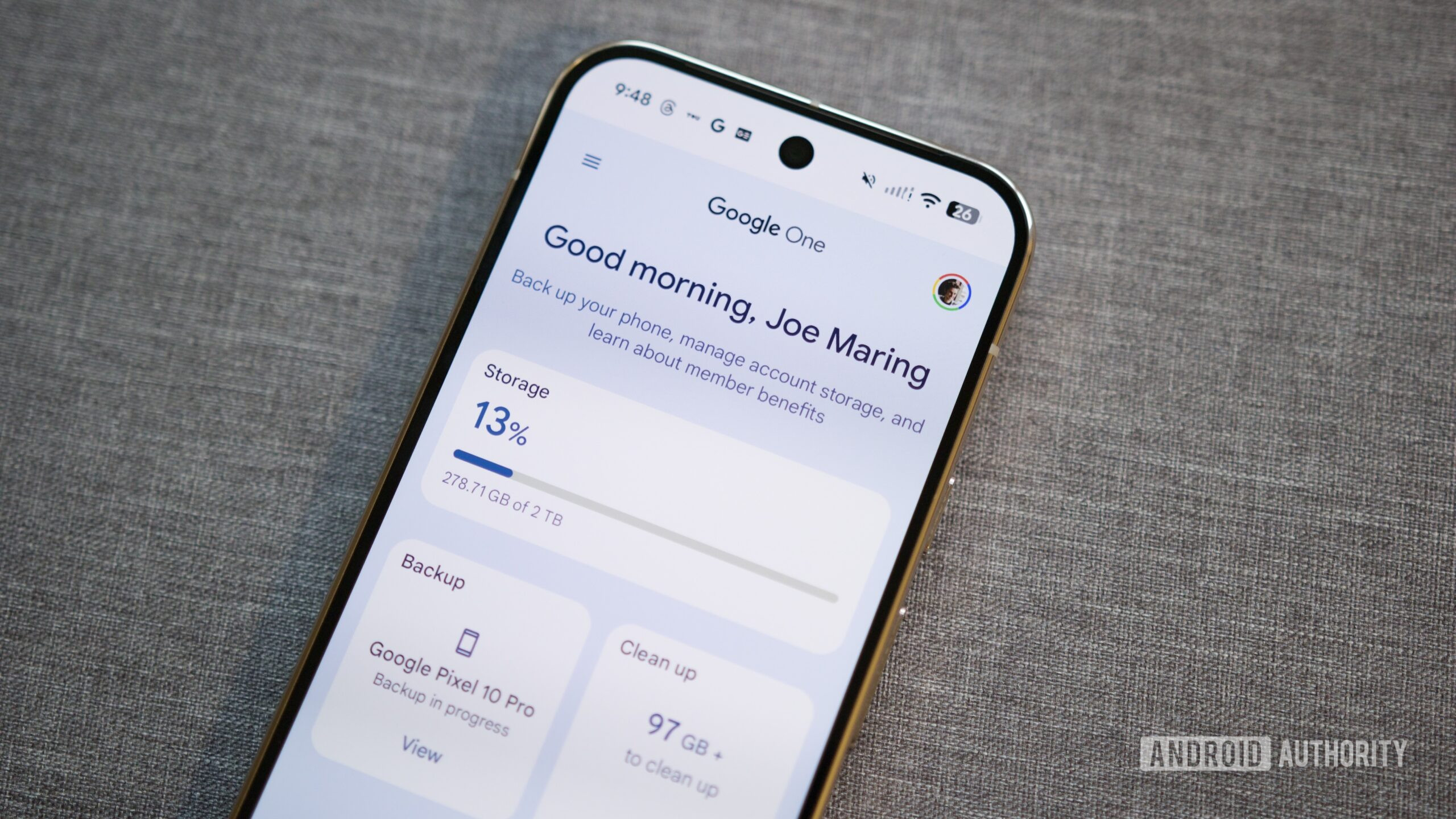
Google’s approach, however, inverts this calculus for its loyal base. By offering superior introductory rates only to newcomers, the company suggests that the cost of onboarding is the primary variable being subsidized, while the established user base is expected to absorb the full, or incrementally increased, standard rate. This dynamic suggests a calculated corporate belief: that the incumbent user base is sufficiently captive due to ecosystem lock-in—the data migration hurdle—that they will tolerate unfavorable pricing without defecting.
This sets a dangerous precedent. In a competitive environment increasingly defined by AI services (e.g., Microsoft Copilot, various proprietary LLM offerings), alienating a core user group can inadvertently fuel competition. While the technical difficulty of migrating petabytes of data remains a high barrier, sustained negative sentiment erodes brand equity and encourages exploration of alternatives, even if those alternatives require a significant initial effort to adopt. Expert analysis of subscription fatigue suggests that while users tolerate minor annual increases, egregious differential treatment based solely on subscription start date can catalyze a search for substitutes, particularly among technologically sophisticated users who are often the early adopters of premium tiers.
The Historical Echo: From Free Services to Monetization Shifts
The current situation regarding Google One AI Pro recalls previous monetization shifts that sparked user backlash, most notably the transition of Google Photos storage from unlimited, free backup to a metered, paid service. In that instance, Google successfully leveraged a "freemium" model to achieve unprecedented adoption, effectively digitizing the world’s personal archives. The subsequent imposition of fees, while financially necessary for scaling infrastructure, was widely perceived as a betrayal of the original service compact.
The Google One AI Pro deal functions as a second-order iteration of this strategy. First, the core services (Gmail, Drive) are offered generously, establishing dependency. Second, the enhanced value-add (advanced AI) is introduced, creating a new premium requirement. Third, when marketing this premium tier, the most attractive pricing is reserved for those not already invested, effectively penalizing the cohort that funded the initial infrastructure build-out. This historical pattern reinforces the cynicism among long-term users—the belief that initial generosity is merely a precursor to future, non-negotiable monetization tactics aimed at the most entrenched users.
Price Discrimination and Regulatory Scrutiny
The structure of this deal edges into the territory of price discrimination, a concept that warrants deeper examination in the context of digital goods. While direct price discrimination based on protected class characteristics is illegal, differential pricing based on tenure or acquisition channel is common, albeit ethically questionable in many consumer contexts.

The phenomenon is compounded when considering regional pricing disparities. The original article noted the variance in pricing for identical digital services across different geopolitical boundaries. A user in one region might pay 30% less for the exact same Google One tier than a user in another, purely based on local economic conditions or market strategy. When this is layered atop the distinction between new-user promotional pricing and incumbent pricing, the consumer faces a complex matrix where loyalty and geography both negatively influence the final cost. Regulatory bodies globally are increasingly scrutinizing these practices, particularly where dominant market positions exist, to ensure equitable access and transparent pricing structures. The current environment, marked by heightened antitrust scrutiny toward major technology platforms, makes such blatant reward structures for new customers particularly risky from a public relations and compliance standpoint.
Cultivating Respect: The Call for Reciprocity in Digital Relationships
The core of the frustration experienced by long-term subscribers is a perceived lack of reciprocity. In traditional consumer relationships, loyalty is often acknowledged through tangible benefits: tiered loyalty programs, exclusive early access, or simple, ongoing appreciation pricing. In the digital subscription realm, this acknowledgment appears largely absent.
What would constitute a meaningful acknowledgment in this context? It is not necessarily about matching the 50% promotional rate indefinitely, which is unsustainable for any business. Instead, it involves introducing a transparent, perpetual "Loyalty Tier Discount" or offering non-monetary, high-value perks. For example, offering existing high-tier subscribers an additional free month annually, an incremental storage boost without a corresponding fee increase, or prioritized access to beta features for new AI integrations could rebalance the perceived value exchange. These gestures signal that the company values the continuous financial and data contribution of its existing community.
The current trajectory suggests a business model optimized for extraction from the least mobile segment of the customer base. For services integrated deeply into productivity and personal life—like those provided by Google—the expectation of equitable treatment rises in proportion to the difficulty of exit. When Big Tech companies demonstrate a clear preference for the fleeting attraction of new sign-ups over the sustained support of veterans, it fosters an environment where cynicism flourishes, pushing even the most invested users toward considering complex, often imperfect, migration paths to competitors. The ultimate cost of this strategy may not be immediate churn, but a long-term degradation of the brand relationship, turning users into wary participants rather than enthusiastic advocates. The decision by Google to implement such an overtly exclusive deal on a premium, AI-centric service is therefore not just a minor marketing oversight; it represents a tangible philosophical statement about its relationship with its most established clientele.